
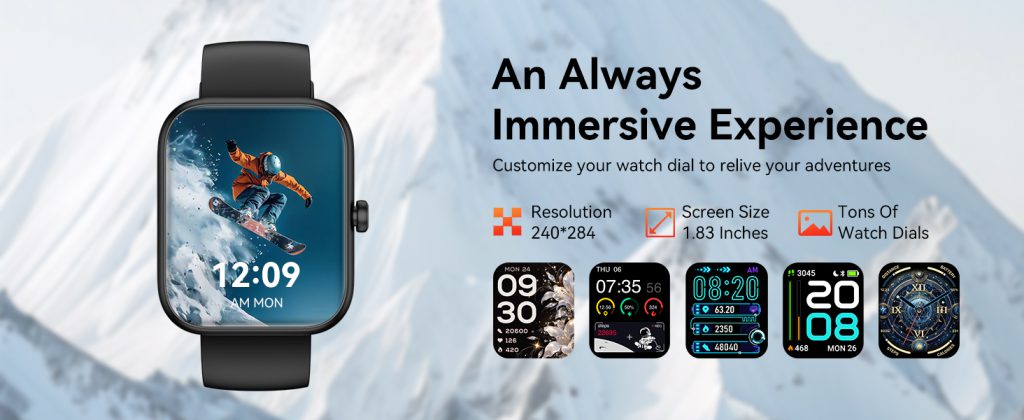
Let me paint a picture for you. It’s the end of a long day, and you finally take off your smart watch. You set it on the nightstand, maybe give the screen a quick wipe if it’s looking smudgy, and you go about your evening. You’ve tracked your steps, your heart rate, your sleep, and you feel good about all that data. But there’s a part of your watch that has been working just as hard as the sensors and the screen, collecting something you probably don’t want to think about. It’s the band. That strip of material wrapped around your wrist has been soaking up everything your body has released for the past sixteen hours. Every drop of sweat, every flake of dead skin, every microscopic trace of lotion, sunscreen, and hand sanitizer has found a home in the fibers or on the surface of your watch band. And if you’re like the vast majority of people, you haven’t cleaned it. Not really. Not properly.
Here is the uncomfortable truth that researchers have been quietly documenting for years. A study conducted in 2023 examined twenty different smartwatch wristbands and found that a staggering ninety-five percent of them were contaminated with bacteria. Not just harmless skin bacteria either. We’re talking about Staphylococcus, which can cause everything from minor skin infections to more serious illness in vulnerable people, and Pseudomonas, another genus known for its resilience and ability to cause infections. But the statistic that really makes you stop and think is this: sixty percent of those tested wristbands harbored E. coli. That’s right. The bacteria associated with food poisoning and fecal contamination was living on more than half of the watches people wear every single day. Think about that the next time you’re preparing a sandwich with your watch still on your wrist.
The problem is not that we’re dirty people. The problem is that we simply don’t think about the band. We obsess over screen protectors and charging cables and software updates, but the part of the device that has the most intimate contact with our bodies gets ignored. And it’s not just about bacteria. Your watch band is subjected to an astonishing amount of abuse. It gets rubbed against desks and countertops. It gets splashed with coffee and dragged through sleeves. It gets coated in the invisible film of oils that your skin produces naturally. Over time, this accumulation doesn’t just become a health concern; it physically degrades the band itself. Sweat salts crystallize and act like sandpaper on coatings. Skin oils break down adhesives and cause materials to become brittle. Sunscreen, ironically the very thing protecting your skin, can chemically react with certain band materials and cause permanent discoloration or structural weakness.
The health implications go beyond the gross factor. Dermatologists have long documented a condition sometimes called “smartwatch dermatitis,” though the medical term is more specific. When you wear a dirty band day after day, you create a perfect storm for skin problems. The warm, moist environment under the band is exactly what bacteria and fungi need to thrive. Add in the friction of the band moving against your skin, and you have a recipe for something called contact dermatitis. This shows up as red, itchy, sometimes painful rashes that can take days to clear up even after you stop wearing the watch. In more severe cases, the hair follicles on your wrist can become infected, leading to folliculitis, which looks like small pimples and can be surprisingly uncomfortable. For people with compromised immune systems, or for anyone who spends time in healthcare settings, these risks are even more serious. The bacteria living on your band don’t stay on your band. They transfer to your hands, and from your hands to everything you touch.
The good news in all of this is that the solution is almost absurdly simple. You don’t need expensive equipment or special chemicals. You just need to know what you’re dealing with and develop a simple habit. But before we get into the how, we have to understand that not all bands are created equal. The material of your band determines everything about how you should clean it. A silicone band from a fitness tracker is a completely different beast from a leather band on a dress smartwatch, and treating them the same way is a fast track to ruining them.
Let’s start with the most common material you’ll find on fitness-focused devices: silicone and rubber. These bands are durable, flexible, and designed to handle sweat. They’re also, surprisingly, quite porous at a microscopic level. That means they actually absorb oils and sweat over time, which is why they can develop that stubborn odor that seems impossible to wash out. To clean a silicone or rubber band properly, you need to remove it from the watch first. This is non-negotiable. Leaving it attached while you clean invites moisture into the speaker grilles and charging contacts of your watch itself. Once the band is off, rinse it under warm running water to remove any loose debris. Then apply a small amount of mild, hypoallergenic hand soap to a soft cloth or directly to your fingers. Gently work the soap over the entire surface of the band, paying special attention to the areas where sweat pools, usually the underside and the spots near the lugs. If you have stubborn grime built up in the crevices, a soft-bristled toothbrush used with gentle circular motions can work wonders without scratching the material. Rinse the band thoroughly under clean running water until every trace of soap is gone, because soap residue left on the band can actually cause skin irritation when you wear it again. Pat the band dry with a lint-free cloth and then let it air dry completely before reattaching it to your watch. This usually takes an hour or two, but it’s worth the wait.
If you need to disinfect a silicone or rubber band, perhaps after being sick or after using your watch in a healthcare environment, both Apple and Garmin officially approve the use of seventy percent isopropyl alcohol wipes. Simply wipe the band down thoroughly, and then, crucially, rinse it with water afterward. This last step is important because the chemical residue from the alcohol wipe can be irritating to skin if it’s left to dry on the band. For those persistent odors that seem to survive regular washing, a short soak in diluted white vinegar for ten to fifteen minutes, followed by a thorough rinse, can neutralize the bacteria causing the smell without damaging the material.
Moving on to metal bands, which include stainless steel, titanium, and aluminum options. These bands tend to harbor fewer bacteria than porous materials simply because they’re less absorbent. But they have their own unique challenge. The links in metal bands are tiny traps for dead skin cells and dirt. Over time, this buildup can make the band feel gritty and look dull. To clean a metal band, you should also remove it from the watch if possible. Prepare a small bowl of warm water with a few drops of mild dish soap. Let the band soak for five to ten minutes to loosen the accumulated grime. Then take a soft toothbrush and gently scrub between each link, paying attention to the clasp mechanism where oils and dead skin really like to collect. Rinse the band thoroughly under clean running water, and here’s the crucial part: dry it immediately with a soft, lint-free cloth. Metal, especially stainless steel, can develop water spots if you let it air dry. After drying, let it sit for a while to ensure no moisture is trapped in the link mechanism before you reattach it to your watch. For disinfection, seventy percent isopropyl alcohol wipes are safe for metal bands, and unlike with silicone, you may not need to rinse afterward, though checking your manufacturer’s specific guidance is always wise. One thing you should never do is use metal polish or abrasive cleaners on your watch band. These products are designed for jewelry and cookware, not for the delicate coatings on smartwatch bands, and they can scratch and discolor the finish permanently.
Leather bands are in a category all by themselves. They are beautiful, they develop a unique patina over time, and they require the most careful handling of any band material. The single most important thing to know about leather is that it is not water-resistant. Water is the enemy of leather. It causes it to dry out, crack, and discolor. If you wear a leather band during a workout or get caught in the rain, you are shortening its life. To clean a leather band, you must remove it from the watch immediately if it gets wet, and you must never intentionally soak it. The cleaning method for leather is minimal by design. Use a dry, soft, lint-free cloth to wipe away any surface dust. If you need to address a spot, lightly dampen a corner of the cloth with fresh water. It should be barely moist, not wet. Gently wipe the leather surface, and then immediately use a dry part of the cloth to blot away any moisture. Then let the band air dry completely at room temperature, away from direct sunlight and heat sources like radiators. Some people like to use leather conditioner to keep the material supple, and a small amount of conditioner designed specifically for watch bands can be beneficial, but this is optional. What you must never do is use alcohol wipes or any kind of disinfectant on leather. These products strip the natural oils from leather, causing it to become brittle and crack. You also must never store leather bands in humid environments. If you sweat heavily, a leather band may simply not be the right choice for you, and that’s okay. It’s better to accept that limitation than to ruin an expensive band.
Fabric bands, which include nylon sports loops, trail loops, and traditional NATO straps, are the most comfortable and breathable options, but they are also the most absorbent. They soak up sweat and oils like a sponge, which means they can develop odors faster than any other material. Cleaning a fabric band is more involved, but still straightforward. Remove the band from your watch and prepare a bowl of warm water with a small amount of mild detergent or gentle hand soap. Submerge the band and let it soak for ten to fifteen minutes. Gently agitate the water with your hands to help loosen the dirt. If there are stubborn spots, use a soft-bristled brush to gently scrub those areas. Rinse the band thoroughly under clean running water until all soap is gone. Then pat it dry with a towel to remove excess moisture and lay it flat to air dry completely. This can take twenty-four hours or more, especially with thicker woven bands, so patience is required. Do not be tempted to speed up the process with a hairdryer or by placing it on a radiator. Heat can shrink or warp the fabric. For deep cleaning, some manufacturers have specific recommendations. Apple, for example, suggests for their FineWoven bands mixing one teaspoon of washing liquid with one cup of water, dipping a lint-free cloth in the solution, wringing it out slightly, and rubbing the band gently for one minute before wiping with a clean damp cloth and drying. For odors, adding a teaspoon of baking soda to the soak water or doing a final rinse with diluted white vinegar can help neutralize the bacteria that cause smells.
Now that you know how to clean each type of band, the question becomes how often you should do it. The answer depends entirely on your lifestyle. If you wear your watch daily and you exercise in it, you should be doing a quick clean weekly. This doesn’t have to be a production. After your workout, take the band off, rinse it under water if it’s silicone or fabric, wipe it down, and let it dry. That thirty-second habit will prevent the buildup that turns into stubborn grime. For a deeper clean, aim for once a month. This is when you do the full soap and water routine for silicone and fabric, the link scrubbing for metal, and the gentle wipe-down for leather. If you expose your band to specific things like salt water, sunscreen, or insect repellent, you should clean it immediately. These substances can be surprisingly corrosive to band materials, and leaving them on accelerates degradation.
There are also common mistakes that people make that can ruin a perfectly good band. The most frequent error is never removing the band from the watch before cleaning. This seems like a time-saver, but it’s a fast track to damaging your watch. Water and cleaning agents can seep into the speaker grilles, microphone, and charging contacts, leading to corrosion or malfunction. Another mistake is using harsh chemicals. Bleach, ammonia, and strong detergents will destroy your band, stripping protective coatings and causing colors to fade. Scrubbing too hard is another common error. Aggressive scrubbing with abrasive pads or stiff brushes will scratch metal, scuff silicone, and fray fabric. Gentle pressure is always more effective in the long run because it preserves the material while still removing the dirt. Putting the band back on too soon is a mistake that can cause skin irritation. A damp band is a breeding ground for bacteria and mold, and wearing it before it’s fully dry can trap moisture against your skin. Always wait until the band is completely dry.
Sometimes, no amount of cleaning can save a band. If you notice cracking or splitting, especially on silicone or rubber bands, it’s time for a replacement. These cracks can pinch your skin and they compromise the band’s durability. If your fabric band is fraying, with loose threads coming out, it’s weakening and could eventually break. If your metal band has a broken link or a clasp that no longer closes securely, don’t try to fix it yourself. Take it to a professional or replace it. And if your band has a persistent odor that won’t go away even after deep cleaning, the bacteria have likely penetrated the material itself, and it’s time to retire it.
Your smart watch band is the unsung workhorse of your wearable experience. It holds the device to your body day after day, through workouts, through work, through sleep. It deserves better than neglect. The ten minutes a month you spend cleaning it properly will pay dividends in longer band life, healthier skin, and the peace of mind that comes from knowing you’re not wearing a bacterial colony on your wrist. So tonight, when you take off your watch, pop that band off. Give it the attention it deserves.
Leave a Comment
Your email address will not be published. Required fields are marked *