Free Shipping On All Orders Over $10

Smart Watch Scratch & Wear Testing: What Really Lasts

Smart watches have become an integral part of daily life, accompanying users through workouts, commutes, workdays, and even outdoor adventures. Over time, these devices face constant exposure to potential damage—keys in a pocket, accidental bumps against tables, contact with rough surfaces, and regular wear that can dull their appearance and compromise functionality. For consumers investing in a smart watch, understanding how different materials and designs hold up against scratches and wear is critical to making an informed purchase. Scratch and wear testing provides objective insights into a device’s durability, separating marketing claims from real-world performance.
Scratch and wear testing for smart watches is not a one-size-fits-all process; it involves simulating real-world scenarios that devices are likely to encounter. These tests are designed to replicate everyday hazards, from minor scrapes to more significant impacts, to evaluate how well a smart watch’s case, screen, and band resist damage. Testing protocols vary slightly by manufacturer and third-party labs, but most focus on key areas: screen scratch resistance, case wear resistance, band durability, and overall structural integrity after repeated use. Each component is tested individually and as part of the whole device, ensuring a comprehensive assessment of durability.

The screen is one of the most vulnerable parts of a smart watch, as it is constantly exposed to contact with fingers, surfaces, and debris. Screen scratch testing typically uses the Mohs hardness scale, a standard measure of a material’s resistance to scratching. The scale ranges from 1 (softest, talc) to 10 (hardest, diamond), and most smart watch screens use materials like Gorilla Glass (common in mid-range models) or sapphire crystal (found in premium devices). During testing, a series of tools with different Mohs hardness ratings are used to scratch the screen—starting with softer materials like plastic (2-3 Mohs) and moving up to harder substances like steel (4-5 Mohs) and even quartz (7 Mohs). This simulates everyday encounters, such as scraping against a keychain or rubbing against a concrete surface.

Gorilla Glass, which is tempered and chemically strengthened, typically ranks around 6-7 on the Mohs scale. This means it can resist scratches from most everyday objects, including keys, coins, and plastic, but may show marks from harder materials like quartz or metal tools. Sapphire crystal, on the other hand, ranks 9 on the Mohs scale, making it nearly scratch-proof—only diamond (10 Mohs) can scratch it. However, sapphire crystal is more brittle than Gorilla Glass, meaning it is more prone to cracking or shattering upon impact. Testing also evaluates screen resistance to repeated contact, such as swiping, which can cause micro-scratches over time. Most high-quality screens will show minimal wear even after thousands of swipes, while lower-quality glass may become dull or develop visible scratches with regular use.

The smart watch case, which houses the internal components, is another critical area for scratch and wear testing. Cases are made from a variety of materials, including stainless steel, aluminum, titanium, plastic, and ceramic—each with different durability properties. Testing involves subjecting the case to repeated impacts, scrapes against rough surfaces, and exposure to sweat, water, and everyday chemicals (like hand sanitizer or lotion) to evaluate how well it resists scratches, discoloration, and corrosion.

Stainless steel cases are popular for their balance of durability and aesthetics. They rank around 5-6 on the Mohs scale, meaning they can resist minor scratches but may show wear over time, especially if not cared for. Polished stainless steel is more prone to visible scratches than brushed stainless steel, which hides minor marks better. Aluminum cases are lighter than stainless steel but slightly less durable, ranking around 4-5 on the Mohs scale. They are more prone to scratches and dents, but their anodized finish helps protect against corrosion and discoloration. Titanium cases are the most durable of the metal options, ranking 6-7 on the Mohs scale. They are lightweight, scratch-resistant, and corrosion-proof, making them ideal for outdoor and active users. Plastic cases are the least durable, ranking around 2-3 on the Mohs scale, and are prone to scratches, cracks, and discoloration with regular use. Ceramic cases, while less common, offer excellent scratch resistance (7-8 Mohs) but are brittle and can crack upon impact.

Wear testing for cases also includes evaluating how well the finish holds up over time. Anodized aluminum, for example, may fade or chip if exposed to harsh chemicals or repeated friction. Polished stainless steel may develop a patina or lose its shine with wear, while brushed finishes maintain their appearance better. Testing involves rubbing the case with abrasive materials (like denim or sandpaper) to simulate daily friction, as well as exposing it to sweat and chemicals to check for discoloration or corrosion. High-quality cases will retain their finish and structural integrity even after months of simulated wear, while lower-quality options may show significant damage.

The band, which is in constant contact with the skin and external surfaces, is often overlooked in durability testing but plays a key role in the overall longevity of a smart watch. Bands are made from materials like silicone, leather, metal, nylon, and fabric—each with distinct wear and scratch resistance properties. Testing for bands involves evaluating scratch resistance, stretch, tear strength, color fastness, and resistance to sweat and odor.

Silicone bands are the most common and offer good durability for everyday use. They are resistant to scratches and tears, and their smooth surface is easy to clean. However, low-quality silicone may become sticky or brittle over time, especially with exposure to heat or sunlight. Testing involves stretching the band repeatedly, scratching it with everyday objects, and exposing it to sweat and UV light to check for degradation. High-quality silicone bands will maintain their shape and texture even after months of use, while lower-quality options may crack or discolor.

Leather bands are stylish but require more care to maintain durability. They are prone to scratches, scuffs, and water damage, and their color may fade over time with exposure to sweat and sunlight. Wear testing for leather bands involves rubbing them against rough surfaces to simulate scuffs, exposing them to water and sweat to check for warping or discoloration, and bending them repeatedly to evaluate flexibility. Full-grain leather bands are more durable than genuine leather, as they retain the natural grain and are less prone to cracking. With proper care, a high-quality leather band can last 1-2 years, but it will show signs of wear—such as a patina—that many users find desirable.

Metal bands, typically made from stainless steel or titanium, are durable and scratch-resistant. Stainless steel bands can develop minor scratches over time, but these can often be polished out. Titanium bands are even more scratch-resistant and lightweight, making them ideal for active users. Testing involves scratching the band links with metal tools, bending the links to check for flexibility, and exposing the band to sweat and chemicals to check for corrosion. High-quality metal bands will retain their shape and appearance even after repeated wear, while lower-quality options may have loose links or show significant scratches.

Nylon and fabric bands are lightweight and breathable but less durable than silicone or metal. They are prone to fraying, staining, and stretching, especially with repeated washing. Testing involves rubbing the band against rough surfaces to check for fraying, exposing it to sweat and stains to check for color fastness, and stretching it to evaluate elasticity. High-quality nylon bands, such as those made from ballistic nylon, are more durable and resistant to fraying, but they will still show wear over time.

Beyond individual components, overall wear testing evaluates how the smart watch holds up to repeated, everyday use. This includes simulating daily activities like wearing the watch while working, exercising, sleeping, and commuting. Testers may wear the device for weeks or months, recording any scratches, dents, or functional issues that arise. This real-world testing is critical, as it captures how the device performs in scenarios that lab tests may not fully replicate—such as accidental drops, exposure to extreme temperatures, or contact with unexpected hazards.

Another important aspect of scratch and wear testing is water and dust resistance. While not directly related to scratching, these features contribute to the overall durability of the smart watch. Testing involves exposing the device to water at different depths (depending on the water resistance rating) and dust to evaluate how well it protects internal components. A device with a high water resistance rating (like 5ATM or 10ATM) will be more resistant to water damage, which can cause corrosion and functional issues over time. Dust resistance, measured by the IP rating, ensures that dust and debris do not enter the device and damage internal components.

It’s important to note that no smart watch is completely scratch-proof or wear-proof—even the most durable materials will show signs of use over time. However, scratch and wear testing helps consumers understand which devices will hold up better in their specific lifestyle. For example, users who work in construction or spend a lot of time outdoors may benefit from a smart watch with a titanium case and sapphire crystal screen, while casual users may be satisfied with a device with a stainless steel case and Gorilla Glass screen.

Manufacturers often highlight durability features in their marketing, but third-party testing provides more objective results. Organizations like Consumer Reports, iFixit, and GSMArena conduct independent scratch and wear tests, evaluating devices across different price ranges and brands. These tests often reveal discrepancies between marketing claims and real-world performance—for example, a device marketed as “scratch-resistant” may show significant scratches when tested with everyday objects.

For users looking to extend the life of their smart watch, there are several steps they can take to minimize scratches and wear. Using a screen protector can help protect the display from minor scratches, while a case can shield the watch case from dents and scrapes. Avoiding contact with harsh chemicals (like hand sanitizer, perfume, or cleaning products) can prevent discoloration and corrosion. Regular cleaning of the band and case can also help maintain their appearance and prevent buildup of sweat and debris, which can cause wear over time.
In conclusion, scratch and wear testing is a critical tool for evaluating the durability of smart watches. By simulating real-world scenarios, these tests provide objective insights into how well a device’s screen, case, and band will hold up over time. Understanding the durability of different materials—from sapphire crystal and titanium to silicone and leather—helps consumers make informed purchases that align with their lifestyle. While no device is completely immune to wear, choosing a smart watch with high-quality materials and a proven track record of durability will ensure it remains functional and attractive for years to come.
Third-Party Watch Face Ecosystem: Expanding Choice and Creativity on Your Wrist

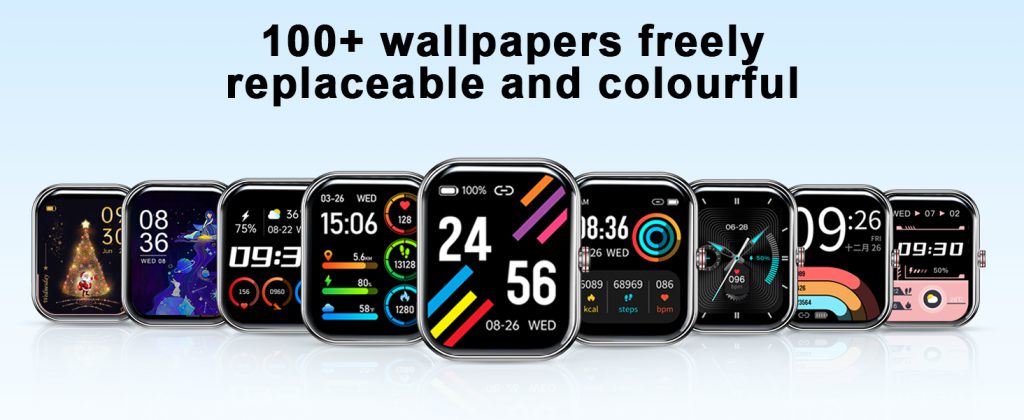
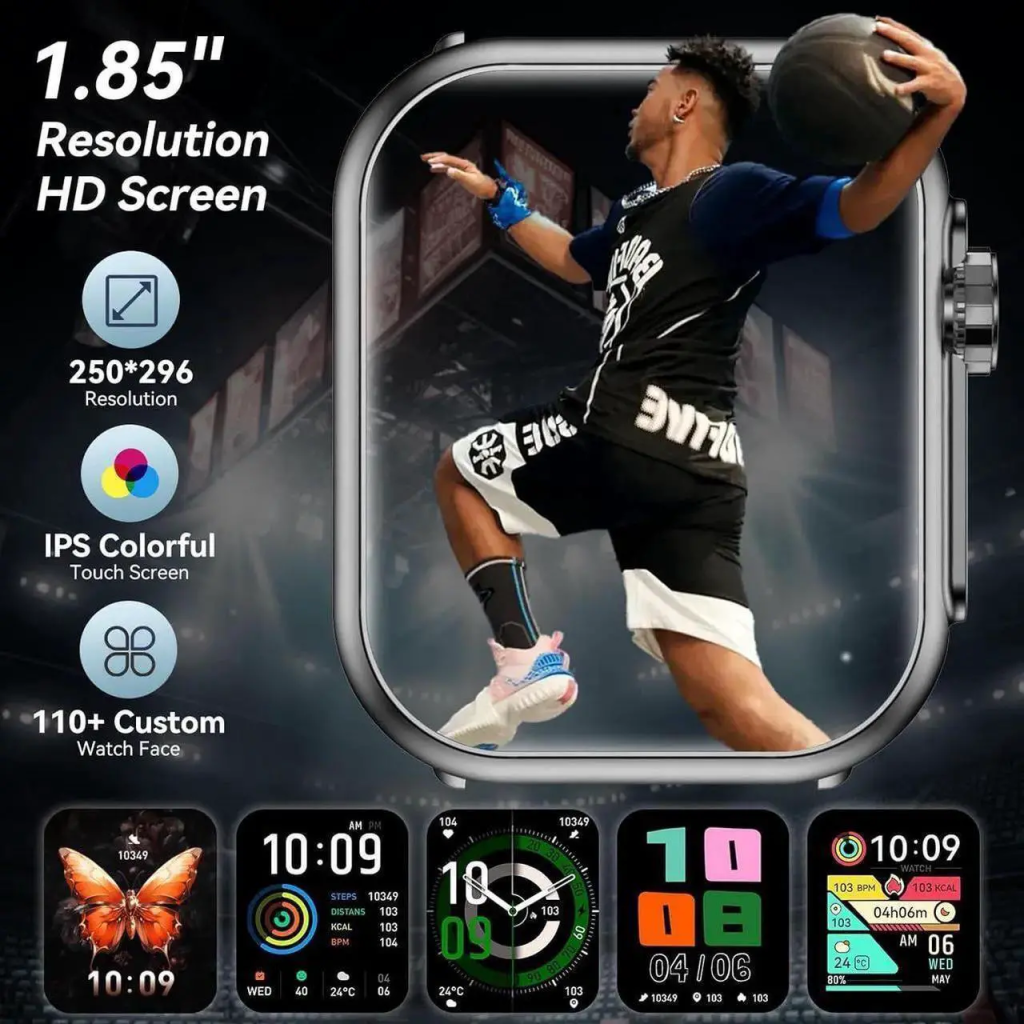
While built-in watch faces offer convenience and reliability, the third-party watch face ecosystem turns a smart watch into a platform for unlimited creativity. Third-party designers, developers, and creators from around the world contribute thousands of original, stylish, and highly functional watch faces that go far beyond what official libraries provide. This thriving ecosystem has become an essential part of the modern wearable experience, giving users more ways to express themselves and optimize their daily use.

The third-party watch face ecosystem operates as an open, collaborative space. Independent designers, artists, and small studios create content for popular smartwatch platforms, often focusing on niche styles, specialized functionality, and unique visual languages that mainstream brands do not cover. From retro mechanical watch aesthetics to futuristic digital designs, from minimal text-based layouts to data-dense fitness trackers, third-party faces cover every taste and scenario.

One major advantage of third-party watch faces is specialization. Many independent creators design for specific user groups: outdoor enthusiasts, business professionals, gamers, students, healthcare workers, and more. These watch faces include tailored complications such as hiking metrics, stock tickers, game-inspired widgets, study timers, and health reminders. This level of targeted design is difficult for large manufacturers to match at scale.

Another strength is innovation. Third-party developers often experiment with new layouts, animations, color schemes, and interaction methods ahead of official updates. They can quickly respond to trends like vintage design, cyberpunk aesthetics, or space themes, keeping the wearable experience fresh and exciting. Many users rely on the third-party ecosystem to keep their devices feeling new throughout the year.

Accessing the third-party watch face ecosystem is straightforward for most users. Many smartwatches have official support for third-party faces through dedicated stores or partner platforms. Users can browse categories, search keywords, preview designs on their device, and install with a single tap. Some platforms also include community features such as ratings, comments, and creator profiles, helping users discover high-quality and trusted content.

Supporting third-party creators also benefits the entire wearable industry. It encourages diversity, drives competition, and pushes manufacturers to improve their own customization tools and open platforms. A healthy third-party ecosystem increases user satisfaction, extends device lifespan, and builds stronger loyalty between users and their chosen brand.

For creators, the ecosystem offers a way to reach a global audience, share their art, and even earn income from their work. Many designers turn their passion for watch design into a sustainable side project or full-time career. This cycle of creation and support keeps the ecosystem dynamic and growing.

Quality and safety are important in the third-party ecosystem. Reputable platforms review content for performance, battery efficiency, and compatibility to ensure a stable experience. Users can choose from free and premium options, with many premium designs offering exclusive features, ad-free use, and ongoing updates.

QONBINK embraces the creativity of the global developer community by supporting a wide range of third-party watch faces, giving users unlimited style and functionality at their fingertips.

As wearable technology continues to evolve, the third-party watch face ecosystem will only become more important. It bridges the gap between mass-produced design and individual preference, making every smartwatch feel unique. Whether you want a professional look for the office, a high-performance layout for fitness, or an artistic design for personal expression, the third-party ecosystem delivers choice, quality, and creativity that official options alone cannot match.

In short, the third-party watch face ecosystem is more than an add-on—it is a movement that puts creativity and user choice first. It transforms a simple wearable into a deeply personal device, connecting millions of users with creators worldwide. For anyone who wants to make their smartwatch truly their own, exploring third-party watch faces is an essential step.

System Security Update Policies: Safeguarding Your Devices in an Increasingly Threatened Digital World

In today’s digital age, our lives are increasingly intertwined with smart devices—smartwatches, smartphones, tablets, laptops, and IoT devices—that store and process sensitive personal information, from financial data and health records to personal photos and communication logs. As these devices become more integrated into our daily lives, they also become prime targets for hackers, cybercriminals, and malicious actors seeking to steal data, disrupt services, or gain unauthorized access to devices. To combat these threats, system security updates are essential, and a well-defined system security update policy is the foundation of protecting devices and user data. A system security update policy outlines how, when, and why security updates are developed, tested, released, and installed, ensuring that devices remain protected against the latest threats.

Before delving into the details of system security update policies, it is important to understand what system security updates are and why they are critical. System security updates are software patches or modifications designed to address security vulnerabilities, fix bugs that could be exploited by attackers, and enhance the overall security of a device’s operating system (OS) or firmware. These updates are not just about fixing minor glitches; they are about closing security gaps that could allow hackers to access sensitive data, take control of the device, or spread malware. Without regular security updates, devices become vulnerable to a wide range of cyber threats, including viruses, ransomware, phishing attacks, and data breaches.

The importance of system security updates cannot be overstated. According to recent cybersecurity reports, more than 80% of data breaches are caused by unpatched vulnerabilities—meaning that the majority of cyberattacks could have been prevented with timely security updates. For example, a vulnerability in a smartwatch’s OS could allow a hacker to intercept calls, access health data, or even take control of the device’s functions. A security update that patches this vulnerability would eliminate the threat, protecting the user’s privacy and security. In a world where cyber threats are constantly evolving, with new vulnerabilities being discovered every day, regular security updates are the first line of defense against cyberattacks.

A system security update policy is a formal document or set of guidelines that governs the entire lifecycle of security updates, from the identification of vulnerabilities to the installation of updates on end-user devices. It is designed to ensure consistency, transparency, and accountability in the security update process, and it applies to both manufacturers (who develop and release updates) and users (who install and maintain updates). A well-crafted security update policy addresses key questions such as: How are security vulnerabilities identified? How quickly will updates be released? Will updates be mandatory or optional? How will users be notified of updates? What happens if a user fails to install an update? And how long will devices receive security updates?

The first component of a system security update policy is vulnerability identification and assessment. Before a security update can be developed, manufacturers must first identify and assess security vulnerabilities in their devices’ software. This can be done through several methods, including internal security audits, third-party security testing, bug bounty programs, and reports from security researchers. Bug bounty programs, in particular, have become an effective way for manufacturers to identify vulnerabilities: they offer rewards to security researchers who discover and report vulnerabilities, encouraging them to disclose issues rather than exploiting them for malicious purposes.

Once a vulnerability is identified, it is assessed to determine its severity. Vulnerabilities are typically classified on a scale from low to critical, based on factors such as the potential impact (e.g., data theft, device compromise), the ease of exploitation (e.g., whether it requires advanced technical skills or can be exploited with a simple tool), and the number of devices affected. Critical vulnerabilities—those that could lead to severe data breaches or device compromise—are prioritized for immediate action, while low-severity vulnerabilities may be addressed in a future update.

The second component of a security update policy is update development and testing. Once a vulnerability is identified and assessed, the manufacturer’s security team develops a patch to fix the issue. This patch is then thoroughly tested to ensure that it effectively addresses the vulnerability without introducing new bugs or breaking existing functionality. Testing is a critical step in the update process, as a poorly tested update could cause more harm than good—for example, it could crash the device, corrupt data, or even introduce new security vulnerabilities.

Testing typically involves several phases, including internal testing (where the patch is tested by the manufacturer’s team), beta testing (where the patch is tested by a small group of users), and full-scale testing (where the patch is tested on a wide range of devices and configurations). During testing, the patch is evaluated for compatibility, performance, and security, ensuring that it works as intended on all supported devices. Any issues discovered during testing are fixed before the update is released to the general public.

The third component of a security update policy is update release and distribution. Once the update has been developed and tested, it is released to end-user devices. The release process is governed by the policy, which outlines whether the update is mandatory or optional, how it will be distributed (e.g., via OTA updates, wired updates, or a combination of both), and the timeline for release. Mandatory updates are typically used for critical security vulnerabilities, as they ensure that all users install the patch as quickly as possible to protect against immediate threats. Optional updates may be used for non-critical vulnerabilities or feature enhancements, allowing users to choose when to install them.

The policy also outlines how users will be notified of updates. Notifications are typically sent via the device’s OS (e.g., a pop-up message, an email, or a notification in the device’s settings) and include details such as the update’s purpose, the vulnerabilities it addresses, the size of the update, and whether it is mandatory. Clear and timely notifications are essential to ensure that users are aware of the update and understand why it is important to install it.

In addition to notification, the policy may also include guidelines for update distribution to ensure that all users have access to the update. For example, manufacturers may use a phased rollout approach, where the update is released to a small percentage of users first, and then gradually rolled out to more users over time. This helps to ensure that the update is stable and that any issues are identified and fixed before it is released to all users. Manufacturers may also provide alternative methods for downloading updates, such as a manual download option for users who do not receive the update automatically.

The fourth component of a security update policy is update installation and compliance. Once the update is released, users are responsible for installing it (unless the update is set to install automatically). The policy outlines the steps users need to take to install the update, as well as any requirements (e.g., minimum battery level, available storage space) that must be met before installation can begin. For mandatory updates, the policy may include measures to ensure compliance, such as restricting device functionality until the update is installed. For example, a smartwatch may prevent the user from making calls or accessing sensitive data until a critical security update is installed.

The policy may also address what happens if a user fails to install an update. For optional updates, the user may simply miss out on the security improvements and feature enhancements. For mandatory updates, however, the policy may outline consequences such as reduced functionality, security warnings, or even device lockout in extreme cases. These measures are designed to encourage users to install updates promptly, as failure to do so puts both the user’s data and the device at risk.

The fifth component of a security update policy is update support and end-of-life (EOL) guidelines. No device can receive security updates indefinitely, as older devices may not have the hardware capabilities to support the latest software patches, and manufacturers may discontinue support for older models to focus on newer devices. The policy outlines how long a device will receive security updates (known as the update support period) and what happens when the device reaches its end-of-life. For example, a manufacturer may commit to providing security updates for a smartwatch for 3 years from the date of release. After that, the device will no longer receive updates, and users will be advised to upgrade to a newer model to remain protected.

End-of-life guidelines are important for users, as they help them make informed decisions about when to replace their devices. They also help manufacturers manage their resources, as providing updates for older devices can be costly and time-consuming. The policy should clearly communicate the update support period for each device model, as well as any exceptions or extensions to the period. For example, a manufacturer may extend the update support period for a popular device model if a critical vulnerability is discovered after the original EOL date.

Another important aspect of a system security update policy is transparency. Users have the right to know what security vulnerabilities are being addressed, how often updates will be released, and how long their devices will receive support. A transparent policy builds trust between manufacturers and users, as it shows that the manufacturer is committed to protecting user security and is willing to be accountable for their actions. Manufacturers should publish their security update policies publicly, making them easily accessible to users, and should provide regular updates on the status of security patches and vulnerabilities.

Compliance with industry standards and regulations is also a key component of a system security update policy. Many industries have specific regulations that govern the security of devices and the handling of user data, such as the General Data Protection Regulation (GDPR) in the European Union, the Health Insurance Portability and Accountability Act (HIPAA) in the United States, and the Personal Information Protection and Electronic Documents Act (PIPEDA) in Canada. A security update policy must comply with these regulations, ensuring that security updates are developed and released in a way that protects user data and meets legal requirements.

For example, the GDPR requires that organizations take appropriate technical and organizational measures to protect personal data, including regularly updating software to address security vulnerabilities. A security update policy that outlines a clear process for identifying and patching vulnerabilities helps organizations comply with this requirement. Similarly, HIPAA requires that healthcare organizations protect electronic protected health information (ePHI), and regular security updates are a critical part of this protection.

In addition to compliance with regulations, a security update policy should also align with industry best practices. Organizations such as the National Institute of Standards and Technology (NIST), the International Organization for Standardization (ISO), and the Internet Engineering Task Force (IETF) provide guidelines and best practices for system security updates. Following these best practices ensures that the policy is effective and that the organization is taking all necessary steps to protect devices and user data.

There are several common types of system security update policies, each designed for different types of devices and organizations. The most common types include: continuous update policies, scheduled update policies, and on-demand update policies. Continuous update policies are used for devices that require constant protection, such as servers and critical IoT devices. Under this policy, updates are released as soon as vulnerabilities are identified and patched, ensuring that devices are always protected against the latest threats. Scheduled update policies are used for devices where stability is a priority, such as desktop computers and smartwatches. Under this policy, updates are released on a regular schedule (e.g., monthly, quarterly), allowing users and IT teams to plan for the update and minimize disruption.

On-demand update policies are used for devices that are not connected to the internet full-time or that require manual approval for updates, such as industrial control systems. Under this policy, updates are released when requested by the user or IT team, after a thorough review of the update’s impact. Each type of policy has its own advantages and disadvantages, and the choice of policy depends on the type of device, the level of security required, and the needs of the user or organization.

For consumers, understanding a manufacturer’s system security update policy is essential when purchasing a smart device. A device with a strong security update policy is more likely to remain protected against cyber threats over time, ensuring that the user’s data is safe and the device remains functional. When evaluating a device, consumers should look for information such as the length of the update support period, how often security updates are released, whether updates are mandatory or optional, and how the manufacturer notifies users of updates. A manufacturer that is transparent about its security update policy and has a strong track record of releasing timely updates is more likely to be trustworthy.

For manufacturers, developing and implementing a strong system security update policy is not just a legal requirement—it is a business imperative. In today’s competitive market, consumers are increasingly concerned about cybersecurity, and a strong security update policy can be a key differentiator for a brand. A manufacturer that prioritizes security and provides regular updates is more likely to build customer trust and loyalty, leading to increased sales and a positive brand reputation. Conversely, a manufacturer that fails to provide timely security updates or has a weak security update policy is likely to face customer backlash, negative reviews, and even legal action if a data breach occurs due to unpatched vulnerabilities.

There are several challenges that manufacturers face when implementing a system security update policy. One of the biggest challenges is balancing security with user experience. Security updates are essential, but they can also be disruptive—for example, they may require the device to restart, consume battery power, or take time to install. Manufacturers must find a balance between releasing timely updates and minimizing disruption to users. This can be achieved by scheduling updates for convenient times (e.g., overnight), using incremental updates to reduce download time and data usage, and providing clear notifications to users about the update process.

Another challenge is supporting older devices. As devices age, they may not have the hardware capabilities to support the latest security updates. Manufacturers must decide how long to support older devices, balancing the cost of providing updates with the need to protect users. Some manufacturers choose to discontinue support for older devices after a certain period, while others offer limited support (e.g., only critical security updates) for a longer period. This decision must be communicated clearly to users, so they can make informed decisions about when to replace their devices.

A third challenge is ensuring that updates are compatible with third-party apps and services. Many smart devices run third-party apps, and a security update may cause compatibility issues with these apps. Manufacturers must test updates thoroughly to ensure that they do not break third-party apps, and they may need to work with app developers to resolve any compatibility issues before the update is released. This can be time-consuming and costly, but it is essential to ensure that users can continue to use their devices as expected after the update.

Finally, manufacturers must address user resistance to updates. As mentioned earlier, some users may be hesitant to install updates, fearing that they will cause issues or change the user interface. Manufacturers must educate users about the importance of security updates, explaining how they protect their data and devices. They can also improve the update process to make it more user-friendly, such as allowing users to schedule updates, providing clear release notes, and offering the option to roll back to the previous version if needed.

As cyber threats continue to evolve, system security update policies will also need to evolve to keep pace. One of the key trends in security updates is the use of artificial intelligence (AI) and machine learning (ML) to automate the vulnerability identification and update development process. AI can be used to scan software for vulnerabilities, predict which vulnerabilities are most likely to be exploited, and even develop patches automatically. This can speed up the update process, allowing manufacturers to release updates more quickly and efficiently.

Another trend is the use of over-the-air (OTA) updates for all types of devices, including IoT devices and industrial control systems. OTA updates make it easier for manufacturers to deliver updates to a large number of devices, even if they are in remote locations. This is particularly important for IoT devices, which are often deployed in large numbers and may be difficult to access physically.

Additionally, there is a growing focus on proactive security, rather than reactive security. Instead of waiting for vulnerabilities to be discovered and patched, manufacturers are increasingly using techniques such as secure by design—building security into the device from the beginning—and threat intelligence to anticipate and prevent threats before they occur. This proactive approach can reduce the number of vulnerabilities that need to be patched and improve the overall security of devices.

In conclusion, system security update policies are essential for protecting smart devices and user data in an increasingly threatened digital world. They provide a framework for identifying vulnerabilities, developing and testing updates, releasing and distributing updates, and ensuring user compliance. A well-crafted security update policy is transparent, compliant with industry standards and regulations, and balanced between security and user experience. For users, understanding a manufacturer’s security update policy is key to making informed purchasing decisions and keeping their devices protected. For manufacturers, implementing a strong security update policy is a business imperative that builds trust, loyalty, and a positive brand reputation.

As cyber threats continue to evolve, it is essential that manufacturers and users work together to ensure that devices are kept up-to-date with the latest security patches. By following a strong system security update policy, we can all play a role in safeguarding our digital lives and protecting against the ever-growing threat of cyberattacks.

Smart Watch Band Sizes: All You Need to Know

Choosing the correct smart watch band size is a fundamental step to ensuring comfort, functionality, and compatibility—yet it’s one of the most common mistakes users make when purchasing replacement bands. Ill-fitting bands can ruin the smartwatch experience: too tight, and they chafe skin or restrict movement; too loose, and the device slips, risks damage, or fails to track fitness metrics accurately. Unlike fashion watches, which often have non-standardized sizes, smartwatches follow industry-wide standards for band sizing, making it easy to find compatible options—once you understand the key measurements and how to determine the right fit.

The most critical measurement for any smart watch band is the lug width, defined as the distance between the two small, protruding lugs on the watch case where the band attaches. This measurement is non-negotiable; a band with a lug width that does not match the watch’s specifications will not fit, regardless of how adjustable its length is. Smartwatch lug widths adhere to three primary standard sizes that cover nearly all popular models: 18mm, 20mm, and 22mm. These sizes are not arbitrary—they correspond to the watch’s case size, ensuring a seamless, secure fit that complements the device’s design.

18mm bands are typically designed for smaller smartwatch cases, usually 38mm, 40mm, or 41mm in diameter. These sizes are common for compact smartwatches, often preferred for their lightweight, sleek profile that works well for users with smaller wrists or those who prefer a more understated look. Popular models that use 18mm bands include smaller variants of the Apple Watch SE, Samsung Galaxy Watch Active, and Fitbit Versa series. Choosing an 18mm band for a smaller watch ensures the band does not overwhelm the device, maintaining a balanced, proportional appearance.

The 20mm band is the most versatile standard size, fitting most mid-sized smartwatch cases (42mm, 44mm, 45mm). This size is the sweet spot for many users, as it works with a wide range of devices, from everyday smartwatches to fitness-focused models. It accommodates most wrist sizes comfortably and pairs well with various band materials—silicone, leather, metal—without looking too bulky or too narrow. Models like the Apple Watch Series 8 (45mm), Samsung Galaxy Watch 5 (44mm), and Garmin Venu 2 all use 20mm bands, making this size the most widely available and adaptable option on the market.

22mm bands are designed for larger smartwatch cases (46mm, 47mm, 50mm), often used for rugged outdoor watches or devices with larger displays. These bands are slightly wider, providing extra stability and support, which is ideal for users with larger wrists or those who engage in active lifestyles. Larger smartwatches like the Garmin Fenix series, Samsung Galaxy Watch Ultra, and Apple Watch Ultra all use 22mm bands. The wider width ensures the band matches the device’s robust design while offering a secure fit that stays in place during workouts, hikes, or other strenuous activities.

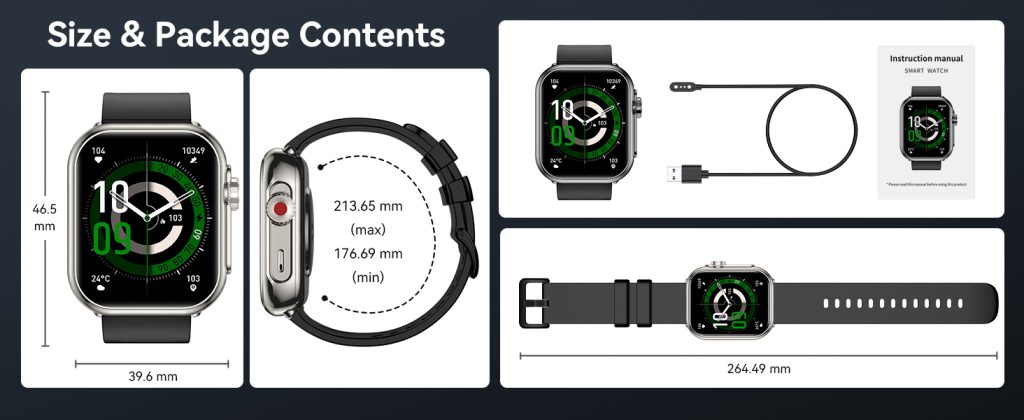
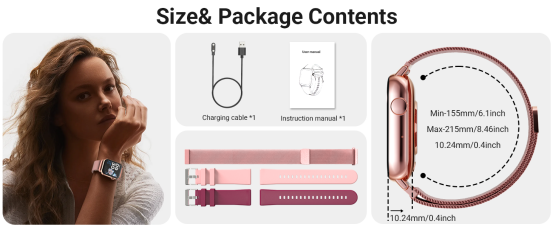
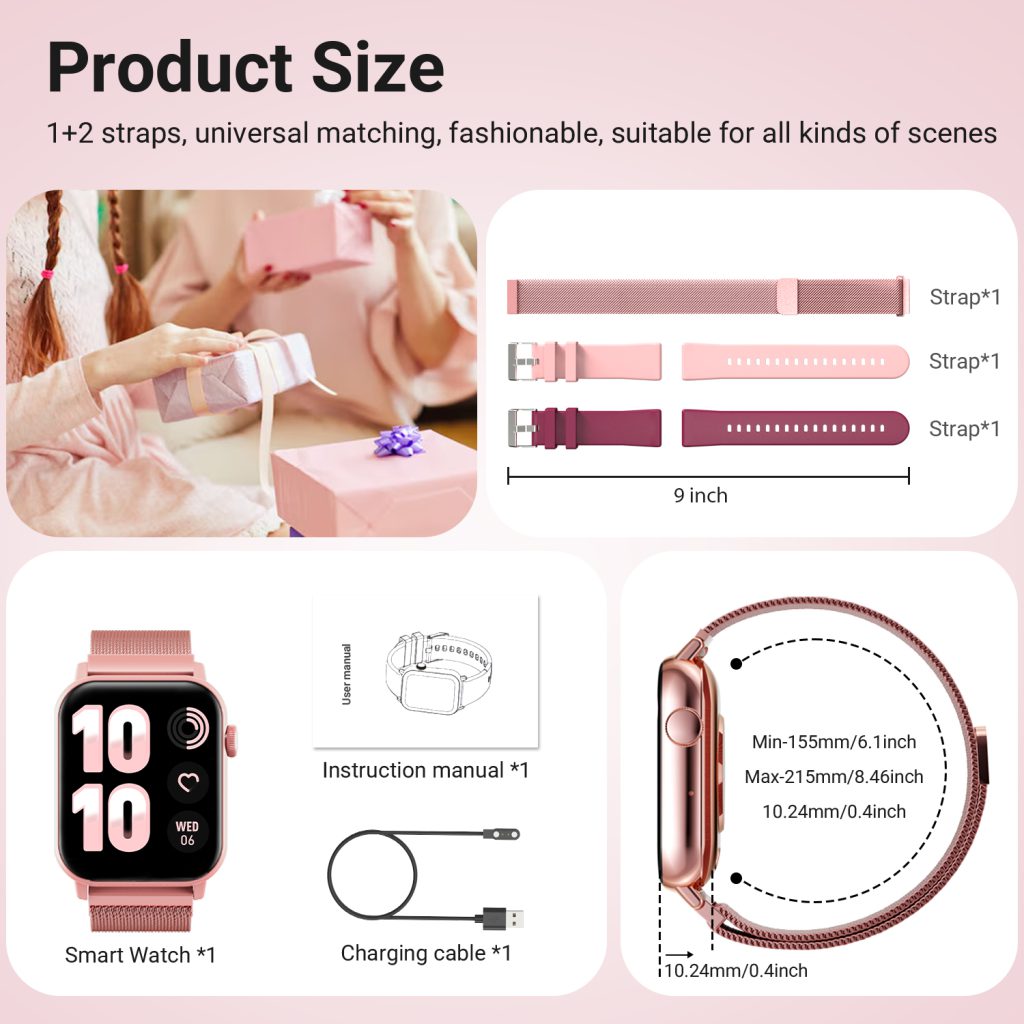
Beyond lug width, band length is another important consideration, though it is more flexible than lug width. Most smartwatch bands come in a “one-size-fits-most” design, with adjustable buckles, links, or Velcro straps that accommodate a range of wrist sizes. Standard band lengths typically range from 120mm to 200mm, with the longer side (usually 120mm–130mm) wrapping around the bottom of the wrist and the shorter side (70mm–80mm) wrapping around the top. For users with unusually small or large wrists, some brands offer extended or shortened bands, ensuring a comfortable fit for everyone.

Measuring for the correct size is simple and requires no specialized tools. To find the lug width, use a ruler or caliper to measure the distance between the inner edges of the two lugs, ensuring the measurement is in millimeters (the standard unit for watch band sizing). If a ruler is not available, check the smartwatch’s user manual or the manufacturer’s website—most brands clearly list the lug width in their product specifications. For wrist size, wrap a soft tape measure around the wrist, just above the bone, to determine the circumference; this helps confirm that the band’s adjustable length will fit comfortably.

Understanding standard sizes is crucial for avoiding common pitfalls, such as purchasing a band that does not fit the watch or wrist. It also opens up a wider range of options, as users can mix and match bands from different brands, materials, and styles—all as long as the lug width matches. Whether upgrading to a leather band for work, a silicone band for workouts, or a metal band for formal occasions, knowing the standard sizes ensures compatibility and a perfect fit every time.

While standard sizes dominate the market, it’s important to note that some newer or specialized smartwatches may use less common sizes, such as 24mm. Always verify the lug width before purchasing a replacement band, as assuming based on case size alone can lead to mistakes. With the right measurements, users can confidently choose bands that enhance their smartwatch’s functionality and style, ensuring a comfortable, secure fit that lasts.

Quick Release Bands: Game-Changer for Smart watches​

Quick release band mechanisms have transformed the smart watch accessory experience, offering unmatched convenience and flexibility for users who want to customize their devices without hassle. Unlike traditional watch bands that demand tools, time, and even a bit of frustration to remove, quick release bands feature a simple, user-friendly design that lets anyone switch bands in seconds—no technical skills or extra equipment required. This small but innovative feature has become a must-have for smartwatch owners, whether they’re fitness enthusiasts, professionals, or casual users who love to switch up their look. Beyond just ease of use, quick release mechanisms boast durability, compatibility, and versatility that make them a superior choice to traditional band attachments.​

The core of the quick release mechanism lies in its intuitive design, which eliminates the need for tools like pin pushers or screwdrivers. Each quick release band is equipped with a small, spring-loaded lever or button on the connector that attaches to the smartwatch’s lugs. When pressed, this lever retracts the metal pin inside the connector, allowing the band to slide smoothly out of the watch lugs. Attaching a new band is just as simple: align the connector with the watch’s lugs, press the lever, slide the pin into place, and release the lever. The entire process takes less than 10 seconds, making it easy to switch bands multiple times a day—whether to match an outfit, transition from a workout to a meeting, or simply refresh the smartwatch’s look.​

Convenience is the most obvious benefit of quick release mechanisms, but their versatility is equally impressive. These mechanisms are compatible with most smartwatch models, as long as the band’s lug width matches the watch’s specifications. The most common lug widths for smartwatches are 18mm, 20mm, and 22mm, and most quick release bands are designed to fit these standard sizes. This means users can mix and match bands from different brands, materials, and styles without worrying about compatibility. For example, a user can pair a silicone quick release band for workouts, a leather band for work, and a metal band for formal events—all with the same smartwatch, and all switchable in seconds.​

Durability is another key feature of high-quality quick release mechanisms, dispelling the myth that easy-to-use designs are flimsy. The spring-loaded pins and levers are typically made of stainless steel, a material known for its strength, corrosion resistance, and longevity. These components are built to withstand daily wear and tear, including frequent band changes, bumps, and exposure to sweat or minor moisture. High-quality quick release bands also feature secure locking mechanisms to prevent accidental detachment, ensuring the band stays in place during workouts, commutes, and other daily activities. With proper care, a quick release mechanism can last as long as the smartwatch itself, making it a long-term investment in convenience.​

Quick release mechanisms also simplify maintenance and hygiene for smartwatch bands. Over time, bands accumulate sweat, dirt, and oils, which can cause odors or damage—especially for silicone or leather bands. With a quick release mechanism, users can easily remove the band to clean it thoroughly, without struggling with tools or risking damage to the watch. Silicone bands can be rinsed with water and mild soap, leather bands can be wiped with a damp cloth and conditioned, and metal bands can be polished to remove fingerprints. This ease of cleaning helps extend the life of the band and keeps the smartwatch looking fresh and hygienic.​

Another underrated advantage of quick release mechanisms is their accessibility. They require no technical knowledge or experience to use, making them suitable for all users—from tech-savvy individuals to those who are less familiar with smartwatch accessories. The lever is easy to press, and the pin slides smoothly into place, eliminating the frustration of traditional band changes that often result in bent pins or damaged watch lugs. Even first-time users can master the process in seconds, making quick release bands a user-friendly upgrade for any smartwatch.​

While quick release mechanisms offer numerous benefits, there are minor considerations to keep in mind. Cheaper, low-quality quick release bands may have poorly constructed levers that are hard to press or fail to retract properly, leading to difficulty changing bands or even accidental detachment. Investing in high-quality quick release bands from reputable brands ensures the mechanism works smoothly and reliably. Additionally, some quick release bands may have a slightly bulkier connector than traditional bands, but this is rarely noticeable and is a small trade-off for the convenience they provide.​

Overall, quick release band mechanisms have redefined what users expect from smartwatch accessories. They eliminate the hassle of traditional band changes, offer unmatched versatility, and simplify maintenance—all while maintaining durability and accessibility. Whether a user wants to switch bands to match their style, keep their accessory clean, or adapt to different activities, quick release mechanisms make it easy and efficient. For anyone who owns a smartwatch, a quick release band is more than just an accessory upgrade—it’s a practical solution that enhances the entire smartwatch experience.

Metal Smart Watch Bands: Durable & Stylish

Metal smart watch bands are a premium choice for users who prioritize durability, elegance, and low-maintenance functionality, standing out as a long-lasting accessory that elevates any smartwatch’s aesthetic. Unlike leather or silicone bands, metal options offer unmatched sturdiness, resistance to daily wear and tear, and a sleek, luxurious look that transitions seamlessly between casual and formal settings. These bands are crafted from high-quality materials, each bringing unique benefits, and their timeless design ensures they never go out of style. From corrosion resistance to adjustable fits, metal smart watch bands boast a range of features that make them a top pick for users seeking both practicality and sophistication.

Durability is the defining feature of metal smart watch bands, with most options built to withstand years of daily use without showing signs of wear. The most common materials used include stainless steel, titanium, and aluminum, each offering distinct durability benefits. Stainless steel, the most popular choice, is tough, corrosion-resistant, and resistant to scratches and fading, making it ideal for everyday wear. Titanium bands are even more durable and lighter than stainless steel, capable of handling outdoor activities and frequent use without bending or damage. Aluminum bands, while slightly less durable, are lightweight and affordable, serving as a great casual option. Unlike leather bands that crack or silicone bands that tear, metal bands can endure bumps, drops, and exposure to sweat or minor moisture without compromising their integrity.

Style and elegance are inherent to metal smart watch bands, making them a versatile accessory for various occasions. Polished metal bands exude a sleek, professional vibe, perfect for office settings, business meetings, or formal events, adding a touch of luxury to any outfit. Brushed metal finishes offer a more understated, matte look, ideal for casual wear and everyday activities. These bands also come in a variety of colors, including silver, gold, rose gold, and black (via PVD coating), allowing them to match different smartwatch designs and user preferences. The clean, structured look of metal bands complements both minimalist and bold smartwatch styles, enhancing the device’s overall appearance without being overly flashy.

Comfort is often an overlooked advantage of metal smart watch bands, especially high-quality options designed with user comfort in mind. Most metal bands feature link segments that move independently, allowing the band to conform naturally to the wrist’s shape, eliminating the rigid feel of some other materials. Adjustable designs, which allow users to add or remove links, ensure a customized fit for wrists of all sizes, preventing the band from being too tight or too loose. While metal bands are heavier than silicone, their balanced weight distribution ensures they feel secure without being cumbersome, even during extended wear. The smooth edges of well-crafted metal links also prevent irritation, making them suitable for all-day use.

Low maintenance is another key benefit of metal smart watch bands, making them ideal for users with busy lifestyles or those who prefer hassle-free accessories. Unlike leather bands that require regular conditioning or silicone bands that need frequent cleaning, metal bands are easy to care for. A simple wipe with a damp cloth is enough to remove dirt, sweat, or fingerprints, restoring their sleek appearance in seconds. Most metal bands are also sweat-resistant and water-resistant (when paired with a water-resistant smartwatch), allowing users to wear them during workouts, showers, or swimming without damage. This low-maintenance nature eliminates the need for special care products or time-consuming upkeep.

Versatility is a standout attribute of metal smart watch bands, as they complement a wide range of outfits and lifestyles. A polished stainless steel band can elevate a formal suit, while a black PVD-coated band pairs perfectly with casual jeans and a t-shirt. They are suitable for professionals, outdoor enthusiasts, and anyone who wants a band that can keep up with their daily activities. Metal bands are also compatible with most smartwatch models, as long as the lug width matches, making them a flexible replacement option for users looking to upgrade their smartwatch’s look without replacing the device itself.

While metal smart watch bands offer numerous advantages, they do have minor limitations. Higher-quality options, such as titanium, can be more expensive than silicone or leather bands, making them a larger initial investment. Stainless steel bands are heavier than other materials, which may feel cumbersome for users accustomed to lightweight bands. Additionally, some metal bands may show fingerprints more easily, requiring occasional wiping to maintain their appearance. However, these minor drawbacks are far outweighed by their durability, style, and low-maintenance nature.

Overall, metal smart watch bands are an excellent choice for users who value long-lasting quality, elegant style, and convenience. Their durability ensures they withstand daily wear, while their sleek design enhances any smartwatch’s aesthetic. Whether for professional use, casual outings, or outdoor activities, metal bands offer a versatile and reliable option that requires minimal upkeep. With a range of materials, finishes, and colors to choose from, there is a metal smart watch band to suit every taste and lifestyle, making it a worthwhile investment for anyone looking to elevate their smart watch experience.

Smart Watch App Store Mechanism

The Foundation of a Personalized Wearable Experience

Behind every customized smartwatch is a well-designed smart watch app store mechanism. This system serves as the central hub for discovering, installing, updating, and managing watch faces, apps, and services. It connects users with creators, ensures safe and stable performance, and shapes the entire experience of using a smartwatch. Understanding how the app store mechanism works helps users make the most of their devices and appreciate the complexity that makes modern wearables so powerful.

At its core, the smart watch app store mechanism is a curated digital marketplace designed specifically for small-screen, wrist-worn devices. Unlike mobile app stores, smartwatch platforms must prioritize efficiency, battery usage, compatibility, and ease of interaction. Every app and watch face goes through a structured process to ensure it works smoothly without draining battery or causing performance issues.

The mechanism consists of several key components: developer tools, submission and review systems, content categorization, personalized recommendation algorithms, secure download and installation, automatic updates, and user feedback systems. Each part plays a critical role in delivering a reliable and enjoyable experience.

Developer tools are the starting point. Platform providers offer software development kits (SDKs) that let creators design watch faces and apps within consistent guidelines. These tools define screen sizes, performance limits, battery optimization, and data access rules. Clear and flexible tools encourage more developers to join the ecosystem, expanding content variety and quality.

The review and approval process maintains quality and safety. Each submission is tested for stability, compatibility, battery impact, and compliance with privacy policies. This step prevents poorly optimized apps from entering the store and harming the user experience. Strict but fair reviews help build trust between users and the platform.

Content organization helps users find what they need quickly. App stores use categories such as watch faces, fitness, productivity, health, tools, and entertainment. Within each category, content is sorted by popularity, new releases, editor’s choice, and user ratings. Search functions with keyword support further speed up discovery.

Personalized recommendation algorithms improve the user experience by showing relevant content based on usage habits, preferences, and installed apps. Over time, the store learns which styles and functions the user enjoys, making exploration more efficient and enjoyable. This “intelligent discovery” is a key feature of modern smart watch app store mechanisms.

Secure download and installation protect users and devices. The platform verifies the authenticity of each app to prevent malware or modified files. Installation happens in the background with minimal user input, and many apps sync automatically between the phone and watch. This seamless process makes powerful features accessible to all users, regardless of technical skill.

Automatic updates keep apps and watch faces running smoothly. Developers release updates to fix bugs, improve performance, and add new features. The app store mechanism manages these updates in the background, ensuring users always have the latest and most stable versions without manual effort.

User feedback systems, including ratings and reviews, help maintain high-quality content. Positive reviews support talented creators, while constructive feedback helps developers improve their products. This feedback loop creates a self-improving ecosystem that benefits everyone.

QONBINK integrates a smooth and secure app store mechanism into its wearable platform, balancing openness, safety, and user experience for all.

A strong app store mechanism extends the lifespan of a smartwatch. As new apps and watch faces launch, the device remains useful and up to date over time. Users do not need to upgrade hardware as frequently to enjoy fresh experiences. This value retention benefits both users and brands.

In conclusion, the smart watch app store mechanism is much more than a place to download content. It is the backbone of the entire wearable ecosystem. It supports creators, protects users, organizes content, and drives innovation. Without a reliable and efficient app store mechanism, even the most advanced smartwatch would feel limited and generic.

As wearables become more integrated into daily life, the app store mechanism will continue to evolve, offering faster speeds, better recommendations, stronger security, and richer content. For users, this means more personalization, more convenience, and a device that truly grows with them.

Leather Smart Watch Bands: Features & Guide​

Leather smart watch bands stand out as a timeless accessory that seamlessly blends elegance with everyday functionality, making them a popular choice for users seeking a balance between style and practicality. Unlike silicone or nylon alternatives, leather bands bring a touch of sophistication to any smartwatch, elevating its appearance while offering comfort that improves with wear. These bands are not limited to specific occasions or lifestyles; their versatility allows them to transition from formal work settings to casual outings, making them a versatile addition to any smartwatch collection. From material quality to style options, leather smart watch bands boast a range of features that set them apart, making them worth considering for anyone looking to enhance their smartwatch experience.​

Comfort is a key feature of leather smart watch bands, particularly as they break in over time. New leather bands may feel slightly stiff initially, but with regular wear, they gradually soften and conform to the shape of the wrist, creating a snug, customized fit that rigid materials cannot match. High-quality leather, such as full-grain or top-grain, offers a smooth, breathable texture that prevents irritation even during extended wear. Unlike silicone bands that can trap sweat and feel sticky in hot weather, leather allows air circulation around the wrist, keeping the skin cool and comfortable throughout the day. This breathability, combined with the natural flexibility of leather, ensures that the band remains comfortable even during long hours of use, whether worn during work, commutes, or leisure activities.​

Style versatility is another standout attribute of leather smart watch bands. Available in a wide range of colors, finishes, and textures, they can be easily matched to different outfits and occasions. Black leather bands exude a sleek, professional look, making them ideal for office settings or formal events, while brown leather bands offer a warm, casual aesthetic that pairs well with jeans, t-shirts, and other everyday attire. Other popular color options include tan, burgundy, and gray, allowing users to express their personal style. Leather bands also come in various finishes—smooth, matte, textured, or embossed with subtle patterns—adding depth and character to the smartwatch’s overall appearance. This variety ensures that there is a leather band to suit every taste, from minimalist to more distinctive designs.​

Durability of leather smart watch bands depends largely on the quality of the leather and proper maintenance. Full-grain leather, the highest quality type, is thick, resistant to wear, and develops a unique patina over time—small scratches, slight discoloration, and a softening texture that adds character and tells the story of regular use. With proper care, including occasional conditioning with leather oil, avoiding prolonged exposure to water, and wiping off sweat after physical activity, a full-grain leather band can last 1 to 2 years with daily use. Top-grain leather, slightly thinner than full-grain, is also durable and offers a smooth surface, while genuine leather (the lowest quality option) tends to crack or peel after a few months of regular wear. This variation in durability highlights the importance of choosing high-quality leather for long-lasting use.​

Leather smart watch bands also offer a balanced weight that enhances comfort without compromising on quality. They are heavier than silicone bands, providing a substantial, well-made feel, but lighter than most metal bands, ensuring they do not feel bulky or cumbersome on the wrist. The hardware used with leather bands—including buckles and pins—is typically made of stainless steel, which complements the leather’s aesthetic while adding to the band’s overall durability. Most leather bands are adjustable, featuring multiple holes that allow for a customized fit across different wrist sizes. Installation is also straightforward, with pins that slide easily into the smartwatch’s lugs, making it simple to attach and remove the band as needed.​

While leather smart watch bands offer numerous benefits, they do have minor limitations related to maintenance and moisture sensitivity. Unlike silicone bands that can be rinsed clean with water, leather bands require gentle care—wiping with a damp cloth to remove dirt and regular conditioning to keep the leather soft and supple. Leather is not water-resistant, so it is important to remove the band before swimming, showering, or prolonged exposure to rain. If the band does get wet, patting it dry with a soft cloth and allowing it to air dry naturally (avoiding heat sources) prevents cracking and damage. Additionally, leather absorbs sweat over time, which can lead to odors if not cleaned properly, but regular care can mitigate this issue.​

Overall, leather smart watch bands are an excellent choice for users who value style, comfort, and versatility. Their timeless design, ability to age beautifully, and adaptability to different occasions make them a standout accessory for any smartwatch. Whether paired with a suit for a business meeting or with casual wear for a weekend outing, leather bands add a touch of sophistication that silicone or metal bands often lack. With proper care, a high-quality leather band can become a long-lasting accessory that enhances both the functionality and aesthetic of a smart watch, making it a worthwhile investment for anyone looking to elevate their daily wear.

Features of Silicone Bands for Smart watches: Why They’re a Daily Essential

If you own a smart watch, you know that the band isn’t just an accessory—it’s a part of your daily routine. After testing dozens of smartwatch bands over the past year, from metal links to nylon loops, I’ve found that silicone bands stand out as the most versatile and practical choice for most people. They’re not just for gym-goers or casual wearers; their unique set of features makes them suitable for almost every lifestyle, whether you’re heading to the office, hitting the trails, or winding down at home.

First and foremost, comfort is non-negotiable when it comes to something you wear on your wrist 24/7, and silicone bands deliver in spades. Unlike rigid metal bands that dig into your skin during long workdays or tight nylon straps that can chafe during workouts, silicone is soft, flexible, and lightweight. It conforms naturally to the shape of your wrist, moving with you instead of against you—whether you’re typing at your desk, lifting weights at the gym, or sleeping while tracking your sleep cycles. I’ve worn silicone bands for 12+ hour days without feeling any discomfort, and they never leave red marks or indentations, even on my sensitive skin. High-quality silicone has a smooth, matte texture that feels gentle against the skin, avoiding the sticky or rubbery feel of cheaper alternatives. Plus, they’re lightweight enough that you’ll often forget you’re wearing them—something I can’t say about heavier metal or leather bands.

Durability is another area where silicone bands shine, especially for anyone with an active lifestyle. Smartwatch bands take a lot of wear and tear: they get bumped against desks, snagged on clothing, exposed to sweat, rain, and even occasional drops. Silicone is inherently tough and resilient— it resists scratches, tears, and fading, even with daily use. I’ve tested silicone bands through months of gym sessions, outdoor hikes, and even a few accidental drops, and they’ve held up remarkably well. Unlike leather bands that crack and dry out over time or nylon bands that fray at the edges, silicone maintains its shape and appearance for months. Most quality silicone bands are made from medical-grade or food-grade silicone, which is resistant to ozone, UV radiation, and daily wear, ensuring they last 12–18 months with regular use. The only minor downside? Cheaper silicone bands can develop micro-scratches over time, but investing in a premium option eliminates this issue.

Water and sweat resistance might be the most underrated feature of silicone smartwatch bands—especially for fitness enthusiasts or anyone who lives in a humid climate. Unlike leather bands that absorb sweat and develop odors or metal bands that can corrode with repeated exposure to moisture, silicone is non-porous. This means sweat beads up and rolls off instead of soaking in, and rain or splashes of water don’t damage the band at all. I often wear my silicone band while swimming (as long as my smartwatch is water-resistant, too) and it dries within minutes after getting wet. Cleaning is a breeze, too—just rinse it with warm water and a little mild soap, wipe it dry, and it’s as good as new. No more dealing with stubborn stains, mildew, or unpleasant odors that come with fabric or leather bands. This feature alone makes silicone bands a game-changer for anyone who works out regularly or spends time outdoors.

Hypoallergenic and skin-friendly properties make silicone bands a great choice for people with sensitive skin or allergies. Many people struggle with skin irritation from metal bands (due to nickel or other alloys) or synthetic fabric bands, but silicone is inert and non-irritating. Medical-grade silicone, which is used in most high-quality bands, is free of harmful chemicals and toxins, making it safe for prolonged skin contact. I’ve had friends with sensitive skin who could never wear metal or nylon bands without developing a rash, but they’ve had zero issues with silicone. The smooth surface also prevents friction-induced irritation, even during long workouts or hot weather. It’s a small detail, but it makes a huge difference for anyone who prioritizes skin comfort.

Versatility and style are often overlooked when talking about silicone bands, but they’re surprisingly adaptable to different occasions. Gone are the days when silicone bands were only available in basic black or gray—now you can find them in every color imaginable, from vibrant neons to subtle neutrals, and even patterns like florals or stripes. They’re sleek enough to wear to the office (pair a neutral silicone band with a dress shirt or blazer) and casual enough for weekends or workouts. Most silicone bands are also adjustable, with a simple buckle or loop design that fits wrists of all sizes—from small to large. They’re easy to install and remove, too, so you can switch out bands in seconds to match your outfit or mood. I keep a few different colored silicone bands on hand, and it’s amazing how a quick band change can refresh the look of my smartwatch without spending a lot of money.

Affordability is the cherry on top of all these great features. Silicone bands are significantly cheaper than premium metal or leather bands, making them a budget-friendly option for anyone who wants to switch up their smartwatch look without breaking the bank. You can find high-quality, medical-grade silicone bands for under $20, and multi-packs are even more cost-effective. This means you can have a collection of bands for different occasions without spending a fortune—something that’s hard to do with other materials. Even the most expensive silicone bands are far more affordable than leather or metal alternatives, making them accessible to everyone.

At the end of the day, silicone smartwatch bands aren’t perfect—cheaper options can feel sticky in hot weather, and lighter colors might show dirt more easily—but their pros far outweigh their cons. They’re comfortable, durable, water-resistant, hypoallergenic, versatile, and affordable—all the things you need in a daily wear accessory. Whether you’re a fitness fanatic, a busy professional, or someone who just wants a reliable band for everyday use, silicone bands check all the boxes.

Plastic and Composite Materials in Smart watches

Plastic and composite materials have quietly become one of the most practical choices for smartwatch cases, especially in fitness trackers, entry-level models, rugged outdoor watches, and devices aimed at active lifestyles. When you hold one of these watches, the first thing you notice is how light it feels—often 25–40 grams total—which makes a real difference during long runs, workouts, or all-day wear without fatigue. That lightness comes from the low density of polymers and composites, typically 1.2–1.8 g/cm³, far below metals like aluminum or steel, allowing manufacturers to pack in larger batteries, thicker protective lenses, or additional sensors while keeping the watch comfortable and unobtrusive.

The most common base materials are engineering plastics such as polycarbonate (PC), nylon (polyamide), and PEEK (polyether ether ketone). Polycarbonate is favored for its excellent impact resistance and clarity when transparent windows are needed for sensors. It’s tough enough to survive drops onto concrete or gym floors without cracking, and it can be molded into complex shapes—integrated lugs, textured grips, button surrounds, or even one-piece strap connections—that would be expensive or impossible in metal. Nylon, especially glass-fiber-reinforced variants, adds stiffness and dimensional stability, reducing flex under pressure or temperature changes. PEEK appears in higher-end rugged models because it offers superior heat resistance, chemical inertness, and mechanical strength close to some metals, though at a much higher cost.

Composites take things further by embedding reinforcements into the plastic matrix. Glass-fiber-reinforced polymers (GFRP) are the most widespread, with short or long glass fibers increasing tensile strength, stiffness, and impact resistance without much weight penalty. Carbon-fiber-reinforced polymers (CFRP) show up in premium sport and adventure watches; the carbon fibers give exceptional strength-to-weight ratio, a distinctive matte texture, and a subtle premium look that feels high-tech rather than cheap. Some designs use hybrid composites—glass in structural areas for cost, carbon on visible surfaces for aesthetics and scratch resistance. Aramid fibers (like Kevlar) occasionally appear in ultra-tough models for added tear resistance and vibration damping.

Durability is one of the biggest reasons for choosing plastic and composites. These materials excel at absorbing shock—polycarbonate can flex slightly under impact instead of denting or shattering like metal or ceramic. Drop tests often show plastic cases surviving falls from waist height onto hard surfaces with little more than cosmetic scuffs. Scratch resistance varies: unreinforced plastics mark easily, but reinforced versions (especially with carbon or glass) hold up surprisingly well to daily abrasion. Many watches apply hard coatings—urethane, ceramic-infused paints, or DLC-like layers—to boost surface hardness and reduce visible wear. Unlike anodized aluminum or PVD-coated metal, these coatings can be reapplied or touched up more easily if needed.

Thermal behavior is another strong point. Plastics and composites have very low thermal conductivity (0.2–0.5 W/m·K), so they act as natural insulators. Internal heat from the processor, charging coil, or display stays mostly contained rather than conducting aggressively to the skin. The case feels neutral or slightly warm during heavy use—never hot like aluminum can feel in summer or cold like metal in winter. This insulation also helps battery life in extreme temperatures: less heat reaches the cell in hot conditions (slowing degradation), and less cold penetrates in freezing weather (maintaining chemical reaction rates). For outdoor or fitness users who train in varied climates, this consistency is a real advantage.

Aesthetics and customization are surprisingly flexible. Plastic cases can be molded in virtually any color without secondary processes—bright reds, matte blacks, military greens, or translucent finishes that let internal components peek through. Textures are easy to incorporate: soft-touch rubberized coatings for grip, diamond-cut patterns for visual interest, or knurled surfaces around the bezel. Carbon-fiber weaves create a distinctive high-tech pattern that looks expensive without the expense of real metal. Overmolding allows multi-material designs—hard plastic frames with soft-touch grips or flexible zones for comfort. These options let brands target specific audiences: vibrant colors for younger or fashion-conscious users, subdued tactical looks for outdoor enthusiasts, or playful translucency for tech-savvy crowds.

Weight savings open up design possibilities. Because the case is so light, engineers can allocate more internal volume to bigger batteries (extending runtime), thicker protective glass, additional sensors (barometer, temperature, advanced haptics), or reinforced structures for better drop protection. Larger screens become feasible without the watch feeling bulky. Many fitness trackers use polymer cases to keep total weight under 30 grams, making them disappear on the wrist during sleep tracking or long workouts. Rugged models pair composites with metal bezels or reinforced corners for hybrid toughness—plastic for lightness and shock absorption, metal for premium accents and scratch protection.

Cost is the biggest practical advantage. Injection molding plastics and composites is far cheaper and faster than machining metal or sintering ceramic. Tooling costs are amortized over high volumes, so entry-level and mid-range watches can offer large screens, good water resistance, and solid build quality at prices that metal cases would push out of reach. Maintenance is minimal—no polishing needed, no coatings to wear through in the same way anodizing or PVD can, and repairs (replacing a cracked case) are simpler and less expensive.

Of course, there are trade-offs. Unreinforced plastics can feel “cheap” or flexy compared to metal’s solidity. Scratch resistance is good but rarely matches anodized aluminum or ceramic without extra coatings. Long-term UV exposure can cause yellowing or brittleness in some polymers, though modern UV-stabilized grades and coatings mitigate this. The material lacks the luxurious warmth or heft of titanium or steel, so it rarely appears in fashion-forward or luxury segments where perceived value matters more than function.

In real-world use, plastic and composite cases shine for active users. They survive gym drops, trail scrapes, and daily knocks without dents or chips that would mar metal. The light weight makes them ideal for sleep tracking, multi-sport sessions, or anyone who forgets they’re wearing a watch. The insulation keeps them comfortable in heat or cold, and the endless color and texture options let brands create distinct personalities—rugged black for adventurers, bright neon for runners, matte tactical for everyday utility. When you strap on a plastic or composite smartwatch, you’re getting a material that prioritizes practicality, toughness, and affordability—quietly letting you focus on your activity instead of worrying about the device itself.

Back to Top
Product has been added to your cart
Compare (0)