
Choosing the correct smart watch band size is a fundamental step to ensuring comfort, functionality, and compatibility—yet it’s one of the most common mistakes users make when purchasing replacement bands. Ill-fitting bands can ruin the smartwatch experience: too tight, and they chafe skin or restrict movement; too loose, and the device slips, risks damage, or fails to track fitness metrics accurately. Unlike fashion watches, which often have non-standardized sizes, smartwatches follow industry-wide standards for band sizing, making it easy to find compatible options—once you understand the key measurements and how to determine the right fit.
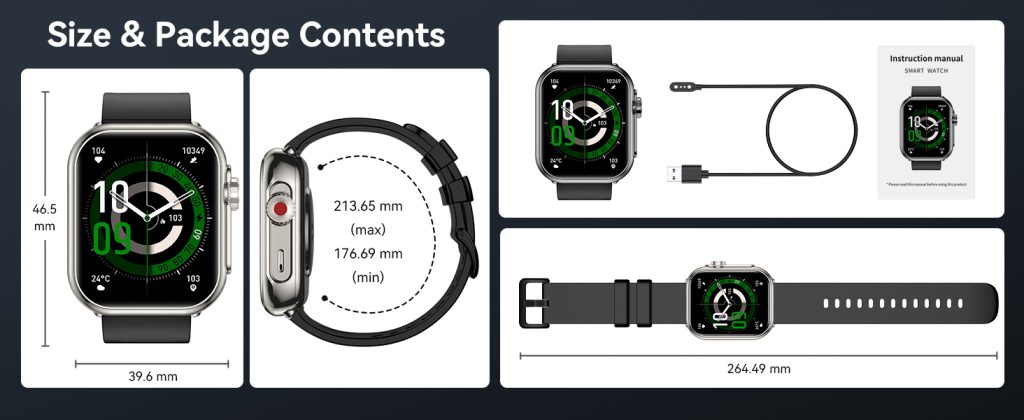
The most critical measurement for any smart watch band is the lug width, defined as the distance between the two small, protruding lugs on the watch case where the band attaches. This measurement is non-negotiable; a band with a lug width that does not match the watch’s specifications will not fit, regardless of how adjustable its length is. Smartwatch lug widths adhere to three primary standard sizes that cover nearly all popular models: 18mm, 20mm, and 22mm. These sizes are not arbitrary—they correspond to the watch’s case size, ensuring a seamless, secure fit that complements the device’s design.
18mm bands are typically designed for smaller smartwatch cases, usually 38mm, 40mm, or 41mm in diameter. These sizes are common for compact smartwatches, often preferred for their lightweight, sleek profile that works well for users with smaller wrists or those who prefer a more understated look. Popular models that use 18mm bands include smaller variants of the Apple Watch SE, Samsung Galaxy Watch Active, and Fitbit Versa series. Choosing an 18mm band for a smaller watch ensures the band does not overwhelm the device, maintaining a balanced, proportional appearance.
The 20mm band is the most versatile standard size, fitting most mid-sized smartwatch cases (42mm, 44mm, 45mm). This size is the sweet spot for many users, as it works with a wide range of devices, from everyday smartwatches to fitness-focused models. It accommodates most wrist sizes comfortably and pairs well with various band materials—silicone, leather, metal—without looking too bulky or too narrow. Models like the Apple Watch Series 8 (45mm), Samsung Galaxy Watch 5 (44mm), and Garmin Venu 2 all use 20mm bands, making this size the most widely available and adaptable option on the market.
22mm bands are designed for larger smartwatch cases (46mm, 47mm, 50mm), often used for rugged outdoor watches or devices with larger displays. These bands are slightly wider, providing extra stability and support, which is ideal for users with larger wrists or those who engage in active lifestyles. Larger smartwatches like the Garmin Fenix series, Samsung Galaxy Watch Ultra, and Apple Watch Ultra all use 22mm bands. The wider width ensures the band matches the device’s robust design while offering a secure fit that stays in place during workouts, hikes, or other strenuous activities.
Beyond lug width, band length is another important consideration, though it is more flexible than lug width. Most smartwatch bands come in a “one-size-fits-most” design, with adjustable buckles, links, or Velcro straps that accommodate a range of wrist sizes. Standard band lengths typically range from 120mm to 200mm, with the longer side (usually 120mm–130mm) wrapping around the bottom of the wrist and the shorter side (70mm–80mm) wrapping around the top. For users with unusually small or large wrists, some brands offer extended or shortened bands, ensuring a comfortable fit for everyone.
Measuring for the correct size is simple and requires no specialized tools. To find the lug width, use a ruler or caliper to measure the distance between the inner edges of the two lugs, ensuring the measurement is in millimeters (the standard unit for watch band sizing). If a ruler is not available, check the smartwatch’s user manual or the manufacturer’s website—most brands clearly list the lug width in their product specifications. For wrist size, wrap a soft tape measure around the wrist, just above the bone, to determine the circumference; this helps confirm that the band’s adjustable length will fit comfortably.
Understanding standard sizes is crucial for avoiding common pitfalls, such as purchasing a band that does not fit the watch or wrist. It also opens up a wider range of options, as users can mix and match bands from different brands, materials, and styles—all as long as the lug width matches. Whether upgrading to a leather band for work, a silicone band for workouts, or a metal band for formal occasions, knowing the standard sizes ensures compatibility and a perfect fit every time.
While standard sizes dominate the market, it’s important to note that some newer or specialized smartwatches may use less common sizes, such as 24mm. Always verify the lug width before purchasing a replacement band, as assuming based on case size alone can lead to mistakes. With the right measurements, users can confidently choose bands that enhance their smartwatch’s functionality and style, ensuring a comfortable, secure fit that lasts.
Leave a Comment
Your email address will not be published. Required fields are marked *