
Few things transform a workout, commute, or quiet evening quite like the right music at the right moment. In 2026, smartwatches have become the perfect pocket-sized DJ, letting you ditch the phone while still curating playlists, streaming favorites, or diving into offline libraries. The music app ecosystem around today’s leading wearables—Apple Watch, Google Pixel Watch, Samsung Galaxy Watch, and Garmin models—has grown remarkably mature. It blends seamless streaming, generous onboard storage, precise controls, and thoughtful integrations that make listening feel effortless and personal.
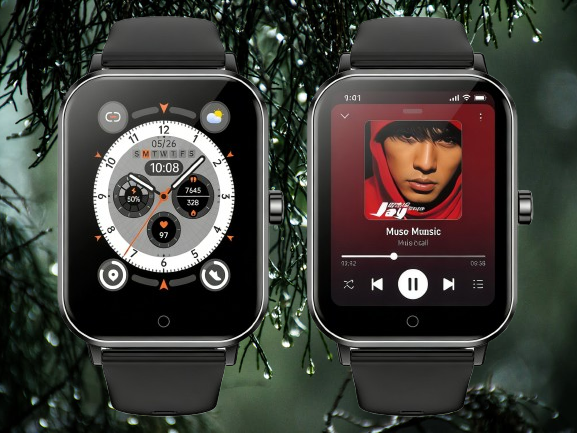
The appeal starts with independence. Modern smart watches support Bluetooth headphones directly, and many include onboard storage for downloaded tracks or podcasts. With cellular models, you can stream without any phone nearby. This freedom shines during runs in the park, gym sessions, or long flights where pulling out a phone feels cumbersome. Controls live right on your wrist: play/pause, skip, volume tweaks, and even voice commands through built-in assistants. The ecosystem thrives because major services have invested heavily in watch-optimized experiences.
Apple’s watchOS ecosystem leads in polish and depth for iPhone owners. The Apple Watch Series 11 (and Ultra 3) pairs beautifully with Apple Music, the native powerhouse. You can download entire albums, curated playlists, or spatial audio tracks straight to the watch—up to tens of gigabytes depending on the model. The Music app on the watch feels intuitive: browse your library, see lyrics in real time (with sing-along karaoke highlights), shuffle radio stations, or ask Siri for mood-based suggestions. Recent watchOS updates added smarter AutoMix transitions that blend songs seamlessly, almost like a live DJ set. Beyond Apple Music, Spotify remains a favorite third-party option. Its watch app lets Premium users stream or download playlists for offline use, and the interface has improved with quicker scrubbing and better queue management. Other players like Pandora, Amazon Music, and YouTube Music offer solid support too, though they lean more on controls than full offline libraries. The real strength is integration: music data flows into Fitness+ workouts, where curated sessions sync beats to your pace, or into Focus modes that trigger specific playlists when you switch tasks.
For Android users, the Wear OS landscape—led by Google Pixel Watch 4 and Samsung Galaxy Watch 8—delivers flexibility and strong Google ties. YouTube Music has become the default darling on Pixel devices. It offers generous offline downloads, personalized mixes, and the ability to pull tracks from your YouTube history for a truly custom experience. The watch app supports background playback, voice search via Gemini, and quick access to radio stations that evolve with your tastes. Spotify holds its own here as well, often praised for discovery features: Discover Weekly and Daily Mixes appear on the watch, and you can heart songs or add to playlists without your phone. Samsung leans into its own ecosystem while embracing openness. The Galaxy Watch 8 works flawlessly with Spotify, YouTube Music, and Amazon Music, plus Samsung’s native player for local files. One standout is the ability to stream over LTE during outdoor activities—no phone required. Wear OS 6 brought smoother animations and better battery management during long playback sessions, making extended listens more practical.
Garmin takes a different path, prioritizing athletes who want music without distractions. Models like the Forerunner series, Fenix, and Venu line support Spotify, Amazon Music, Deezer, and YouTube Music downloads via the Connect IQ store. You won’t get as many bells and whistles—no full streaming on the go without a phone in most cases—but the offline focus is rock-solid. Storage can hold hours of high-quality tracks, and controls integrate neatly with workout screens: see pace and heart rate alongside the current song. Many users pair Garmin with Bluetooth buds for pure focus during long runs or rides. The ecosystem shines for endurance: music queues sync across devices, and recovery metrics sometimes suggest calmer playlists after tough sessions. While Garmin lacks the vast app variety of watchOS or Wear OS, its music implementation feels purpose-built for movement.
Offline capabilities form the backbone of any serious music-on-watch experience. Storage has grown—Apple Watch models now offer up to 64GB in higher tiers, Pixel Watch 4 hits around 32GB usable, Galaxy Watch 8 similar, and Garmin varies but often 8GB+. Downloading playlists overnight means true phone-free freedom. Services handle this differently: Spotify and Apple Music excel at smart syncing (automatically updating favorites), while YouTube Music lets you grab entire channels or liked videos converted to audio. Compression keeps quality high even on smaller files, and most support at least 256kbps AAC or equivalent.
Controls have evolved beyond basic taps. Digital crowns, rotating bezels (on Galaxy Classics), touch gestures, and voice assistants make navigation fluid. Raise your wrist to see album art, double-tap to pause, or say “Hey Siri, play upbeat running mix” mid-stride. Integration with health features adds context: heart-rate zones might trigger tempo-matched playlists, or low-energy Body Battery scores could suggest chill vibes. Safety tools like auto-pause during calls or emergency volume adjustments keep things practical.
Battery impact deserves mention. Streaming drains faster than offline playback—expect 20-30% quicker depletion with LTE music. Most watches now optimize: dimmed screens during long sessions, efficient codecs, and smarter power modes. A full day of mixed use (notifications, tracking, a few hours of tunes) remains realistic, especially on Garmin’s multi-day champs.
The social and discovery side keeps things fresh. Collaborative playlists from Spotify appear on your watch; Apple Music’s SharePlay lets friends queue songs remotely. Curated content—mood playlists, new releases, artist radios—feels more accessible without scrolling a phone screen. Voice search shines here: describe “focus jazz for late-night coding” and get instant results.
Challenges persist. Not every service supports every watch equally—Apple Music stays iOS-exclusive for direct downloads, though controls work cross-platform. Smaller storage on budget models limits libraries. Audio quality tops out below true hi-res on most watches due to Bluetooth constraints, though lossless passthrough improves yearly. Privacy around listening habits matters too, but major players offer solid controls.
A runner leaves the phone charging while hitting trails with downloaded Spotify lists. A commuter streams podcasts over noisy trains via LTE. A gym-goer controls Apple Music without breaking stride. These moments show how the ecosystem has matured: music isn’t an add-on; it’s woven into daily rhythm.
As 2026 unfolds, expect tighter AI curation—smarter mood detection, predictive queues—and perhaps more lossless options. The wrist has become a serious music companion, turning any moment into a soundtrack-worthy one. Whether you’re deep in Apple’s garden, exploring Wear OS freedom, or staying focused with Garmin, your next favorite listen is just a wrist raise away.
Leave a Comment
Your email address will not be published. Required fields are marked *