
Smart watches have quietly shifted from cool gadgets to indispensable fitness companions. In 2026, the line between a simple tracker and a personalized coach has blurred almost completely. With advanced sensors, AI-driven insights, and deep app integrations, these devices now guide workouts, predict recovery needs, and keep users accountable in ways that feel almost intuitive. The fitness app ecosystem built around major platforms—Apple, Google, Samsung, and Garmin—has matured into something remarkably powerful, turning raw data into real motivation and measurable progress.
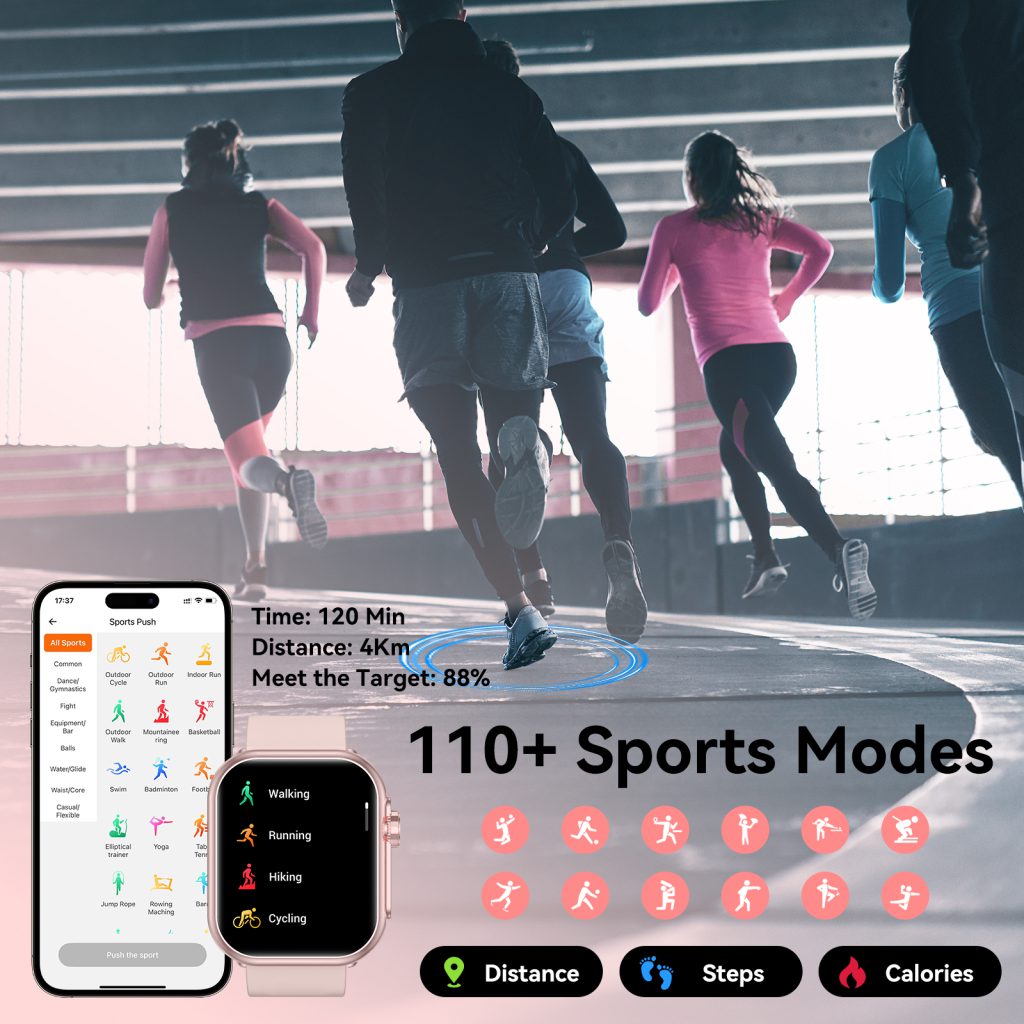
At the heart of this ecosystem lies seamless hardware-software synergy. Today’s flagship models pack impressive arrays of sensors: optical heart rate monitors, accelerometers, gyroscopes, GPS chips, altimeters, skin temperature sensors, and even advanced biosensors for metrics like blood oxygen, HRV, and antioxidant levels in some cases. The real magic happens when this data flows into dedicated apps that interpret it intelligently.
Apple’s ecosystem remains the gold standard for iPhone users. The Apple Watch Series 11 (and its siblings like the SE 3) integrates tightly with the Health app and Fitness+. Workout Buddy, an AI-powered motivator introduced in recent watchOS updates, delivers real-time encouragement and stats during sessions. It analyzes your heart rate zones, pace, and effort to offer personalized pep talks—almost like having a virtual trainer whispering in your ear. Features like automatic workout detection, rings that gamify daily movement, and hypertension notifications (FDA-cleared after consistent wear) add layers of proactive health awareness. Third-party apps thrive here too: Strava for social running and cycling challenges, Nike Run Club for guided audio runs, Peloton for syncing indoor classes, and AllTrails for hiking routes with offline maps. The ecosystem feels cohesive because everything syncs back to Apple Health, creating one central hub for sleep, nutrition (via integrations), recovery, and training load.
On the Android side, the landscape has coalesced around Wear OS with strong contenders from Google and Samsung. The Pixel Watch 4 stands out for its clean design and deep Fitbit integration. Google’s aggressive push into AI has paid off: Gemini assists directly on the watch, while Fitbit Premium’s redesigned AI coach delivers tailored plans for everything from marathon prep to better sleep. Newer metrics like Vascular Load (a heart health indicator) and skin analysis for antioxidant levels give users novel ways to monitor wellness. Automatic activity detection has improved dramatically, and multiband GPS delivers pinpoint accuracy even in challenging urban environments. The Health Connect platform acts as a universal bridge, allowing data to flow freely between apps like Strava, MyFitnessPal, Adidas Running, and more. This openness contrasts with Apple’s more closed garden, giving Android users flexibility to mix and match tools.
Samsung’s Galaxy Watch 8 pushes the envelope further with its BioActive sensor suite and AI wellness coach. It excels at body composition analysis, advanced sleep optimization, and marathon-specific training guidance. The watch suggests adjustments based on recovery, stress, and energy levels, turning passive tracking into active coaching. Samsung Health serves as the central app, but it plays nicely with Google Fit and third-party services. Features like real-time heart rate zone feedback during workouts and AI-optimized rest recommendations make it particularly appealing for serious athletes who want data-driven decisions without complexity.
Garmin continues to dominate for dedicated fitness enthusiasts. Devices like the Venu 3, Forerunner series, and Fenix models prioritize depth over flashy smart features. Garmin Connect remains one of the most comprehensive apps available, offering Training Readiness scores, Body Battery energy monitoring, recovery time estimates, and detailed performance predictions. Recent updates have enhanced gear tracking (monitoring shoe mileage or bike component wear), sleep alignment with circadian rhythms, and lifestyle logging directly from the watch (caffeine/alcohol impact on HRV and stress). Garmin’s strength lies in its accuracy for endurance sports—running dynamics, cycling power, swim metrics—and its long battery life that supports multi-day adventures without constant charging. While the app ecosystem isn’t as vast as Apple’s, integrations with Strava, TrainingPeaks, and Zwift cover most needs.
What ties these ecosystems together in 2026 is the rise of AI personalization. Apps no longer just display numbers; they interpret patterns and suggest changes. Feeling low energy? Your watch might recommend lighter sessions or extra rest based on HRV trends and sleep quality. Training for a race? AI coaches build progressive plans, adjusting for missed workouts or environmental factors. Gamification elements—leaderboards, badges, virtual challenges—keep motivation high, especially in social apps like Strava or Fitbit communities.
Beyond workouts, the ecosystem extends into holistic wellness. Sleep tracking has become sophisticated, with stages, consistency scores, and alignment to natural rhythms. Stress monitoring via HRV guides breathing exercises or downtime suggestions. Nutrition apps pull activity data to adjust calorie goals dynamically, while women’s health features sync cycle data with energy levels for smarter training. Safety tools like fall detection, crash alerts, and emergency SOS add peace of mind during solo runs or hikes.
Of course, no system is perfect. Battery life remains a compromise—most full-featured watches last 24-48 hours with heavy use, though Garmin outliers stretch to a week. Data accuracy varies by skin tone, activity type, and fit, though improvements continue yearly. Privacy concerns linger as more health metrics flow to the cloud, but companies have strengthened controls and transparency. Cost barriers persist too; premium models start around $300-500, though budget options like Amazfit or older generations deliver solid basics.
User experiences highlight the real impact. Runners praise how Garmin predicts race times within minutes of actual results. Busy professionals rely on Apple’s rings and reminders to sneak in movement during packed days. Android users appreciate the freedom to choose apps without ecosystem lock-in. These stories show the shift: smartwatches aren’t just trackers anymore—they’re partners that evolve with your goals.
Looking forward, the trajectory points to even smarter integration. Expect tighter ties with smart home devices for seamless routines, more medical-grade capabilities (with regulatory nods), and AI that anticipates needs before you feel them. The fitness app ecosystem around smartwatches has already transformed how millions approach movement. In 2026, your wrist isn’t just telling time—it’s quietly helping you become a stronger, healthier version of yourself.
Leave a Comment
Your email address will not be published. Required fields are marked *