
In the fast-paced world of wearable technology, smart watches have evolved from simple timepieces to powerful companions that track health, manage notifications, and even control smart homes. One of the key features driving their popularity is compatibility with third-party apps. These apps, developed by independent creators outside the watch’s native ecosystem, expand functionality in ways that built-in software often can’t match. But what exactly does third-party app compatibility mean for users, and how does it vary across different devices?
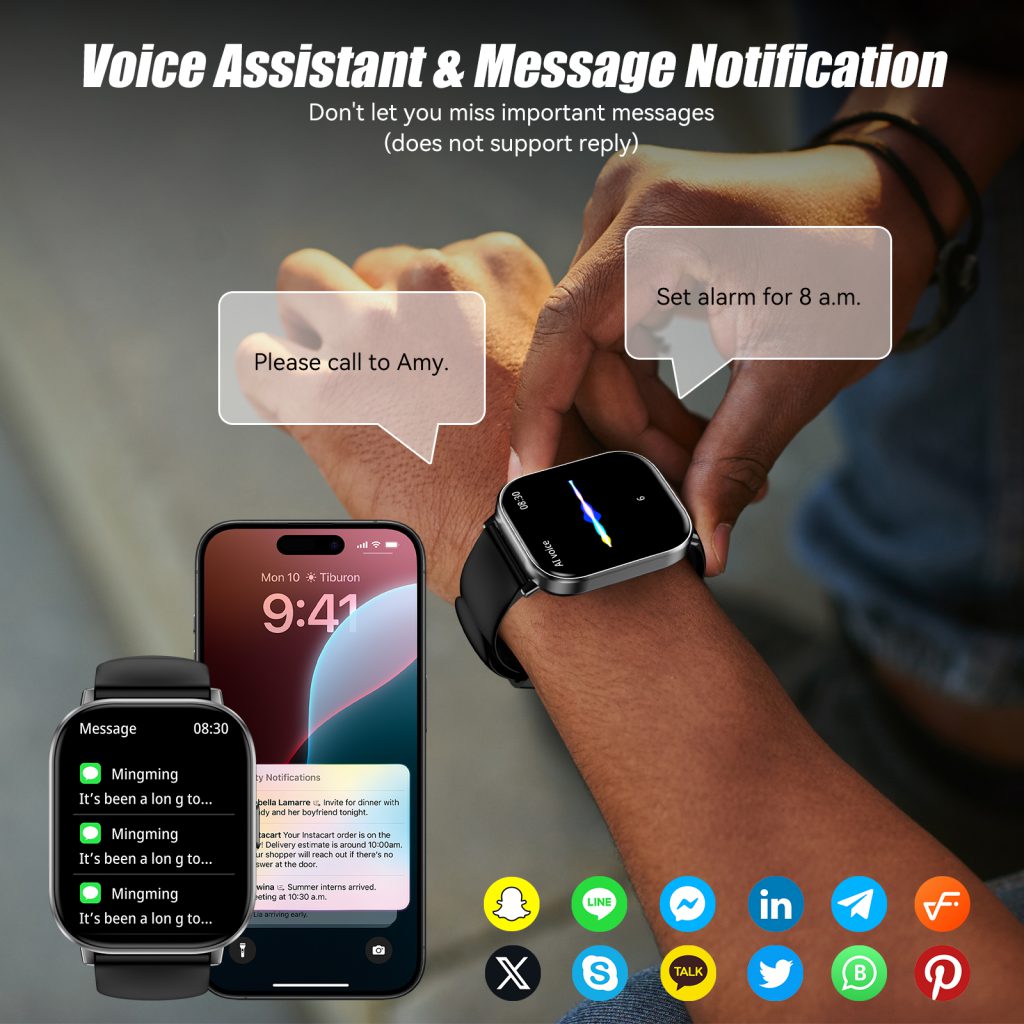
Third-party apps refer to software created by developers not affiliated with the smartwatch manufacturer. For instance, while a device might come preloaded with fitness tracking from the brand itself, a third-party app could integrate specialized tools like advanced running analytics or meditation guides from popular services. Compatibility ensures these apps run smoothly on the watch, syncing data with your smartphone and leveraging hardware features like heart rate sensors or GPS. This openness allows users to customize their experience, turning a generic gadget into a personalized tool.
When we talk about smartwatch platforms, the landscape is dominated by a few major players. Apple’s WatchOS powers the Apple Watch series, known for its tight integration with iOS but somewhat restrictive approach to third-party apps. Developers must adhere to strict guidelines, and apps are distributed exclusively through the App Store. This results in high-quality, secure options, but it can limit innovation from smaller devs. On the other hand, Google’s Wear OS, used by brands like Samsung, Fossil, and Google itself, offers broader compatibility. It supports apps from the Google Play Store, making it easier for Android users to install a wide variety of third-party tools, from productivity apps like Todoist to niche fitness trackers.
HarmonyOS from Huawei and Tizen from Samsung represent other ecosystems. These platforms emphasize cross-device compatibility within their own brands but have made strides in supporting third-party developers. For example, Huawei’s AppGallery allows indie apps to flourish, especially in regions where Google services are less dominant. The key to successful compatibility lies in APIs—application programming interfaces—that let apps access hardware without compromising security. When done right, this creates a seamless user experience where an app like Strava can pull GPS data in real-time during a bike ride.
The benefits of strong third-party app compatibility are numerous. First, it enhances personalization. Imagine tailoring your watch face with widgets from different apps, or using a third-party music player that supports offline Spotify downloads. Health enthusiasts benefit greatly; apps like MyFitnessPal or Calm can integrate with the watch’s sensors to provide deeper insights into nutrition or stress levels. For professionals, compatibility means quick access to email clients, calendar reminders, or even stock trading apps right on your wrist. This level of integration boosts productivity, as you spend less time pulling out your phone.
Moreover, third-party apps often fill gaps left by native software. If a smartwatch’s built-in weather app is basic, a third-party one like AccuWeather might offer hyper-local forecasts with radar maps. In the realm of accessibility, apps designed for users with disabilities—such as voice-to-text tools or magnified interfaces—can make devices more inclusive. Developers also bring innovation; think of augmented reality apps that overlay directions on your watch during navigation, or gamified fitness challenges that keep motivation high.
However, compatibility isn’t without challenges. Not all apps are optimized for every smartwatch model, leading to issues like battery drain, laggy performance, or incomplete feature support. For example, an app that works flawlessly on a high-end device might struggle on an older model with less processing power. Privacy concerns arise too, as third-party apps may request access to sensitive data like location or health metrics. Users must be vigilant about permissions and app reviews to avoid risks.
Cross-platform compatibility adds another layer of complexity. If you’re an iPhone user with a non-Apple watch, some features might be limited, or vice versa. Developers often prioritize popular platforms, leaving users of lesser-known systems with fewer options. Battery life can suffer from poorly coded apps that run in the background excessively. To mitigate these, manufacturers provide developer kits and guidelines, encouraging best practices.
Looking ahead, the future of third-party app compatibility looks promising. With advancements in AI and machine learning, apps could become smarter, predicting user needs based on patterns. Integration with emerging tech like AR glasses or smart rings could create ecosystems where apps flow seamlessly across devices. Open standards might emerge, reducing fragmentation and allowing more universal app development. For consumers, this means even greater choice and functionality.
In conclusion, third-party app compatibility is a cornerstone of what makes smart watches indispensable. It empowers users to go beyond the basics, fostering a vibrant developer community that drives innovation. Whether you’re a fitness buff, a busy professional, or just someone who loves gadgets, understanding and leveraging this compatibility can unlock the full potential of your wearable. As technology evolves, staying informed about app ecosystems will help you make the most of your smartwatch investment.
Leave a Comment
Your email address will not be published. Required fields are marked *