Free Shipping On All Orders Over $10

Smart watches in Chronic Disease Management

The way chronic diseases are managed is undergoing a quiet revolution. For generations, patients with conditions like diabetes, heart failure, or hypertension relied on periodic checkups and their own sporadic measurements to understand their health. A blood pressure reading taken in a doctor’s office, a blood sugar check before a meal—these snapshots formed the basis of care. Today, smartwatches are adding a new dimension. Worn continuously, they collect data from inside the rhythms of daily life, offering a view of health that traditional medicine could not easily access.

A New Kind of Data

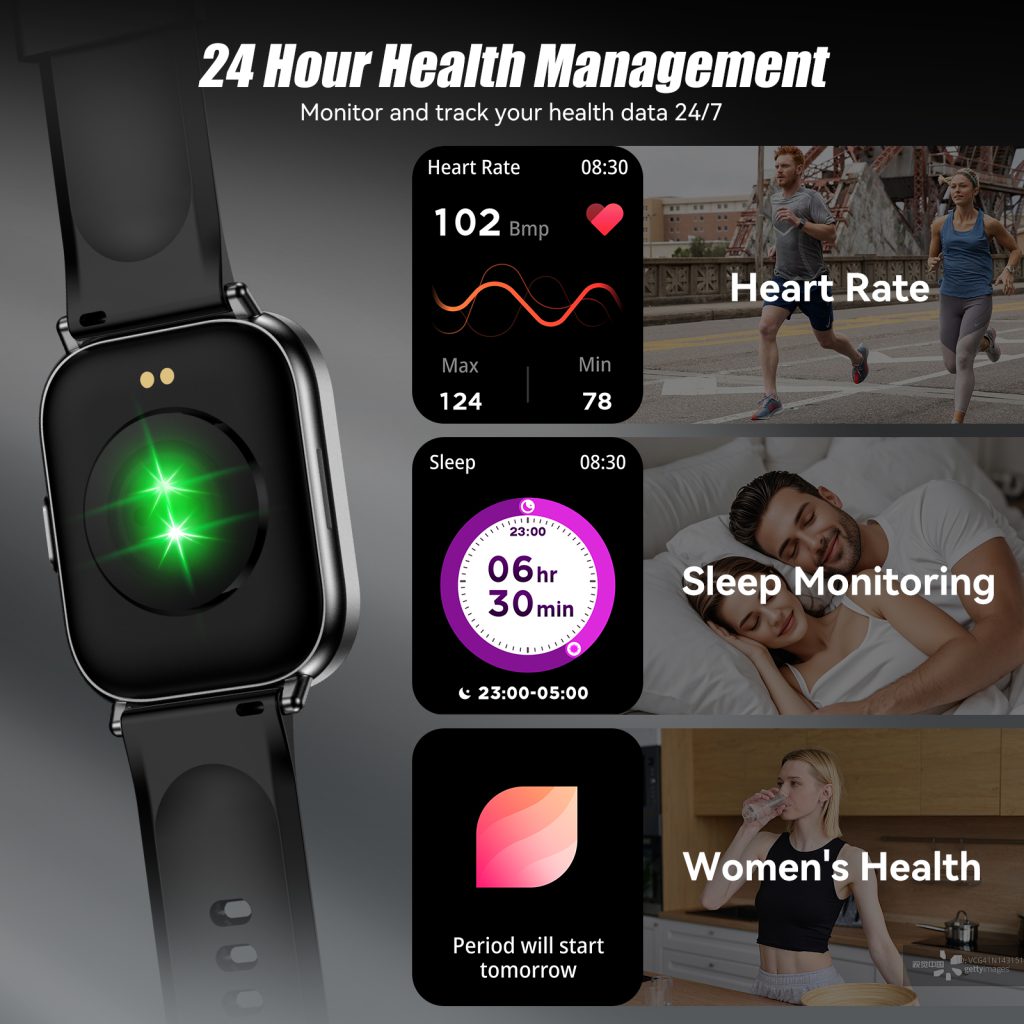
Chronic diseases demand constant attention, yet patients often feel left on their own between appointments. Smartwatches help fill that void. They passively track heart rate, physical activity, sleep, and in many models, blood oxygen levels and heart rhythms. This continuous stream of information reveals how the body responds to daily choices, stressors, and symptoms in real time. It turns health management from a series of disconnected moments into an ongoing conversation.

Supporting Diabetes Self-Care

Diabetes has been a natural focus for wearable technology. A recent randomized controlled trial examined the effects of smartwatch-based interventions in people with type 2 diabetes. While the study did not find a significant difference in short-term blood sugar control, it uncovered something equally valuable. Patients using smartwatches showed meaningful improvements in self-care behaviors, particularly around diet and physical activity. Over eighty-five percent reported that the device positively influenced their daily health routines .

Another study focused on newly diagnosed patients. Those who received wearables were ten times more likely to begin exercising and significantly more likely to maintain physical activity at six and twelve months compared to those without devices . These behavioral shifts are crucial because they target the underlying drivers of disease progression, not just the symptoms.

Advances in Cardiovascular Care

Heart failure affects millions and is a leading cause of hospital readmissions. Traditional monitoring relies heavily on daily weight checks, but weight changes often appear late in the process. Researchers are now turning to artificial intelligence to analyze smartwatch electrocardiograms for early warning signs. One feasibility study demonstrated that AI models could detect precursors like left ventricular dysfunction with remarkable accuracy. In a study of seven hundred fifty-five participants, an AI model analyzing smartwatch ECGs identified reduced heart function with an area under the curve of 0.93, regardless of whether the device was an Apple Watch or a Samsung model .

This level of performance opens the door to a future where a device already on millions of wrists could alert users to worsening heart function before symptoms develop. Earlier intervention could mean fewer hospitalizations and better outcomes.

Unexpected Applications

The utility of smartwatches extends beyond common conditions. Chronic inflammatory demyelinating polyneuropathy, a rare neurological disorder, presents challenges in tracking disease severity. Traditional assessments rely on clinical scales administered during office visits. A recent study found that smartwatch-derived step counts correlated strongly with these clinical measures. Maximum daily steps showed a positive correlation of 0.74 with functional ability scores and an inverse correlation of -0.54 with disability scales .

For neurologists, this provides an objective window into how patients function between appointments. Simple movement data becomes a meaningful indicator of disease status, offering insights that were previously invisible.

The Challenge of Blood Pressure

Blood pressure monitoring has proven more difficult for wearable technology. Validation studies show inconsistent results. One examination of a low-cost smartwatch found that its blood pressure measurements differed significantly from reference devices, with poor reliability for all outcomes except heart rate . A broader review concluded that while wearables can encourage more frequent monitoring and modestly improve control, their accuracy remains a concern. Readings do not always align closely with traditional cuff measurements .

For now, smartwatch blood pressure data should be viewed as a supplement to standard monitoring, not a replacement. It can prompt users to check more often, but it cannot yet be relied upon for clinical decisions.

Expanding Horizons

Researchers continue to find new applications. An AI-powered app that interprets single-lead smartwatch ECGs has shown promise in detecting structural heart disease, including heart failure and valvular conditions. In testing, the model demonstrated eighty-six percent sensitivity and eighty-seven percent specificity, with a negative predictive value of ninety-nine percent . This means the app is excellent at ruling out disease, potentially reducing unnecessary referrals while catching cases that might otherwise go undetected.

A systematic review of smartwatch interventions identified benefits across cardiovascular disease, diabetes, mental health, cancer recovery, and neurological conditions. Positive outcomes included reduced foot ulcer recurrence, improved depression symptoms, better medication adherence, and fewer unplanned hospital readmissions . Yet the review also noted challenges. Smartwatches require frequent charging, depend on internet connectivity, and vary in data quality. High-quality studies remain limited, and more research is needed in clinical settings.

For all their potential, smartwatches are consumer products first and medical tools second. Accuracy varies by manufacturer and metric. Heart rate and rhythm data have strong evidence behind them, but measurements like energy expenditure and some sleep metrics should be viewed as estimates. Privacy is another consideration. Health data collected by wearables often resides on third-party platforms outside the traditional healthcare system.

Despite these limitations, the trajectory is clear. Smartwatches are becoming valuable allies in chronic disease management. They empower patients with continuous data about their own bodies. They give clinicians insights into how patients function between visits. They detect subtle changes that might otherwise go unnoticed until a condition worsens. For the millions living with long-term illness, the watch on the wrist is no longer just a convenience.

The Medical Reference Value of Smart watch Health Data

Smartwatches have become ubiquitous, worn by millions who go about their daily lives while their wrists quietly collect streams of physiological data. What began as simple step counters have evolved into sophisticated health monitors capable of measuring heart rate, sleep patterns, blood oxygen, and even heart rhythms. This shift has prompted an important question for both users and the medical community: How much can this data actually be trusted for medical purposes? The answer, supported by a growing body of research, is that smartwatch data holds genuine medical reference value, though with important caveats that users should understand.

The journey from consumer gadget to clinical tool has been accelerated by rigorous validation studies. Research published in the National Institutes of Health database demonstrates that smart rings, a close cousin to smartwatches, achieve remarkable accuracy when compared to medical-grade devices. Heart rate measurements show near-perfect correlation with correlation coefficients of 0.996, while heart rate variability reaches 0.980 agreement with reference standards . Sleep detection performs impressively as well, with sensitivity ranging from 93 to 96 percent . These numbers matter because they establish a foundation of reliability. When a user checks their resting heart rate in the morning, the number on the screen is not a rough guess but a measurement backed by scientific validation.

Perhaps the most compelling evidence for the medical value of wearables comes from large-scale studies of atrial fibrillation detection. The Apple Heart Study, published in the New England Journal of Medicine, evaluated over 419,000 participants and found that the irregular rhythm notification from the Apple Watch had a positive predictive value of 0.84 for identifying episodes of atrial fibrillation . This means that when the watch alerted users to a potential problem, there was an 84 percent chance that atrial fibrillation was actually present. For a consumer device, this level of accuracy represents a significant achievement. It transforms the watch from a passive tracker into an active screening tool that can prompt users to seek medical evaluation for a condition that often goes undetected because it produces no symptoms.

The clinical relevance extends beyond heart rhythm disorders. A systematic review of smart ring applications, encompassing approximately 100,000 participants, revealed capabilities that sound almost futuristic. Devices were able to detect COVID-19 an average of 2.75 days before symptoms appeared, with 82 percent sensitivity . In patients with inflammatory bowel disease, the technology predicted flares up to seven weeks in advance with 72 percent accuracy . For individuals with bipolar disorder, the devices detected episode onset three to seven days early, achieving 79 percent sensitivity . These findings suggest that the continuous, longitudinal data collected by wearables can capture subtle physiological changes that precede clinical events, offering a window for earlier intervention that traditional intermittent monitoring cannot provide.

Heart rate variability has emerged as particularly valuable metric. Measured through photoplethysmography sensors that detect blood volume changes in the wrist, heart rate variability reflects the balance between the sympathetic and parasympathetic nervous systems. Validation studies comparing the Apple Watch to laboratory-grade electrocardiograms found near-perfect agreement for R-R intervals during resting conditions, with mean absolute percentage errors of just 1.15 percent . This level of accuracy means that users can track their heart rate variability over time with confidence, using it as a window into their recovery status, stress levels, and overall cardiovascular health. Higher heart rate variability is associated with lower cardiovascular disease incidence and mortality, while low variability serves as an independent predictor of poor outcomes .

The potential for wearables to transform clinical care is further supported by research in hospital settings. A validation study comparing a wearable device to traditional bedside monitors found that over 94 percent of data points for oxygen saturation, diastolic blood pressure, and pulse rate fell within acceptable limits of agreement . For systolic blood pressure, 92.3 percent were within limits, and for heart rate and respiratory rate, 94.7 percent showed strong agreement . These findings support the use of wearables for continuous monitoring in clinical environments, where they could reduce the burden on nursing staff while providing more comprehensive data than intermittent manual measurements.

However, the medical reference value of smartwatch data comes with important limitations that users must appreciate. Accuracy varies across manufacturers and metrics. Energy expenditure estimates remain particularly problematic, with higher error rates than heart rate measurements . Sleep staging, while improved, still shows variability compared to polysomnography, the gold standard. The proprietary algorithms that manufacturers use to convert raw sensor signals into health metrics are often closed to outside scrutiny, making independent validation essential . Users should understand that while heart rate and rhythm data have strong evidence behind them, other metrics may be less reliable.

Another consideration is the population in which devices have been validated. Most studies recruit healthy volunteers, leaving questions about accuracy in patients with medical conditions that might affect sensor performance. A protocol for validating wearables in lung cancer patients acknowledges that mobility challenges and gait impairments unique to this population could affect device accuracy . This highlights the need for condition-specific validation rather than assuming that accuracy demonstrated in healthy adults generalizes to all users.

The integration of smartwatch data into clinical practice also faces practical hurdles. Few electronic medical records seamlessly ingest data from consumer devices, and clinicians may lack training in interpreting the vast streams of information these watches generate . Patients who bring printouts of heart rate trends to appointments may find that their doctors, while interested, have limited ability to incorporate the data into formal medical decision-making. The onus remains on users to communicate relevant findings and on clinicians to understand both the potential and the limitations of the technology.

Privacy and data security add another layer of complexity. Sensitive health information collected by wearables is often stored on third-party platforms outside the traditional healthcare system . Users should be aware of how their data is handled and what control they retain over it. In the European Union, the General Data Protection Regulation applies to wearable data in medical contexts, requiring explicit consent and allowing patients to withdraw that consent at any time . Similar protections vary globally, and users should familiarize themselves with the policies governing their devices.

For the average user, the medical reference value of smartwatch data can be summarized simply. Heart rate measurements are reliable enough to track fitness progress and notice significant deviations. Irregular rhythm notifications warrant attention and follow-up with a healthcare provider. Trends over time in metrics like heart rate variability and resting heart rate provide meaningful insights into recovery and overall health. But the watch is not a diagnostic device. It cannot replace a doctor’s evaluation, and its estimates for things like calorie burn and some aspects of sleep should be viewed as rough guides rather than precise measurements.

The trajectory of wearable technology points toward increasing integration with medicine. As algorithms improve, validation studies expand into more diverse populations, and regulatory agencies provide clearer guidance, the line between consumer gadget and medical device will continue to blur. For now, smartwatches occupy a valuable middle ground. They are not substitutes for medical equipment, but they are far more than toys. They are tools that, when used wisely, can help users engage with their health in ways that were impossible just a few years ago.

Alerts for Abnormal Health Data on Smart watches

Smart watches have evolved from simple step counters into sophisticated health monitors that keep watch long after the workout ends. One of their most valuable capabilities is the ability to alert users when something seems off with their bodies. These notifications, covering everything from heart rate irregularities to potential falls, represent a significant shift in how people engage with their personal health.

Heart rate alerts are among the most common and useful notifications. The watch tracks pulse continuously and can notify the user when the heart rate drops too low or rises too high while at rest . A resting heart rate that falls below forty beats per minute or climbs above one hundred beats per minute when inactive may warrant attention . These alerts serve as an early warning system, prompting users to pause and consider whether something unusual is happening. Without the watch, many would remain unaware of these fluctuations, dismissing them as nothing or simply not noticing at all.

The detection of atrial fibrillation represents a major breakthrough in wearable technology . This common heart rhythm irregularity can lead to stroke if left untreated, yet it often presents no symptoms . Smartwatches use two main approaches to identify it. The first uses photoplethysmography, an optical sensor that analyzes pulse patterns and sends an irregular rhythm notification when something looks suspicious . The second allows users to take a manual electrocardiogram by holding a finger on the watch crown for thirty seconds . Research shows that while the irregular rhythm notification feature may miss some cases, the manual ECG function demonstrates high accuracy when compared to medical-grade monitors . For individuals who experience occasional palpitations or have concerns about their heart health, this capability puts a basic diagnostic tool directly on the wrist .

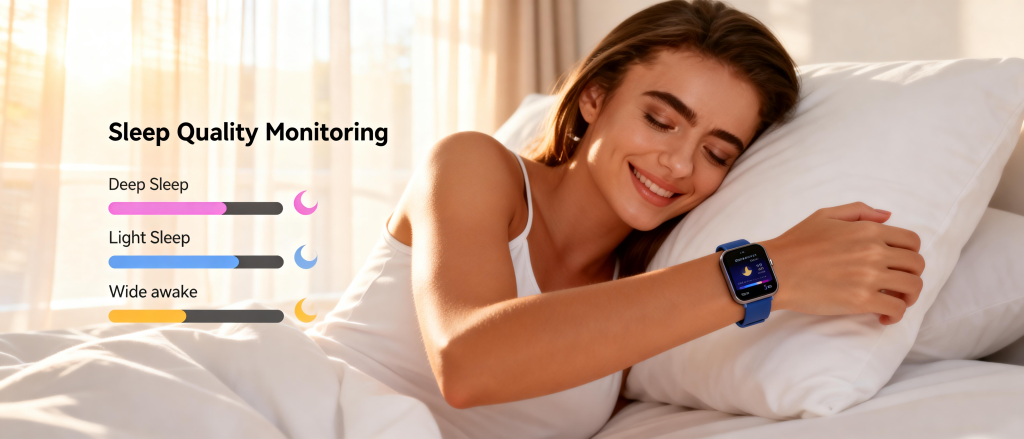
Sleep monitoring has also advanced to include alerts for potential breathing disruptions. When the watch detects patterns that might indicate pauses in breathing during the night, it can notify the user . These disruptions can signal obstructive sleep apnea, a condition linked to coronary artery disease and atrial fibrillation . For those who sleep alone, this feature provides insights that would otherwise require a sleep study to uncover. The watch essentially listens while the user rests, gathering data about a time when the body is most vulnerable and least aware.

Perhaps the most dramatic safety feature is fall detection. Using motion sensors that track speed and direction changes, the watch can identify when a hard fall occurs . If the wearer does not move for about a minute after the fall, the watch initiates a thirty-second countdown with increasing alerts . If there is still no response, it automatically contacts emergency services and shares the user’s location . For older adults or those with medical conditions that might cause sudden collapse, this feature offers a layer of protection that was previously unavailable outside of dedicated medical alert systems. It ensures that help can arrive even when the individual cannot call for it themselves.

Some devices now extend this safety net even further. Recent innovations include a loss of pulse feature that can detect when the heart has stopped beating . After a brief check-in period with no response, the watch sounds an alarm and can contact emergency services with context and location . While still new, this capability could prove critical in cases of cardiac arrest, respiratory failure, or other emergencies where every minute matters.

Blood oxygen monitoring has become standard on many watches, alerting users to levels that fall outside normal ranges. Low oxygen saturation can indicate respiratory or circulatory problems. More recently, hypertension notifications have emerged as a new frontier . Using optical sensor data analyzed over thirty-day periods, the watch can alert users if it detects consistent signs of high blood pressure . Given that hypertension often has no symptoms and affects over a billion adults globally, such notifications could help millions discover a condition they did not know they had . The feature is not a replacement for medical diagnosis, but it provides a reason to visit a doctor and begin monitoring more formally.

Despite these advances, it is important to understand what these alerts can and cannot do. The technology is impressive but not infallible. Poor contact between the watch and skin can affect sensor performance . Activities with high impact might occasionally trigger fall detection when no fall occurred . The irregular rhythm notification feature has shown low sensitivity in some studies, meaning it may not catch every episode of atrial fibrillation . Users should view these alerts as prompts for further investigation rather than definitive diagnoses.

Another consideration is the potential for unnecessary anxiety. Some patients become worried when their watch sends an alert, even when the underlying issue is benign . Occasional extra heartbeats, for example, are common and generally not a cause for concern . The challenge lies in distinguishing between true emergencies and normal variations. This is where professional medical advice becomes essential. The watch can gather data, but interpreting that data requires expertise .

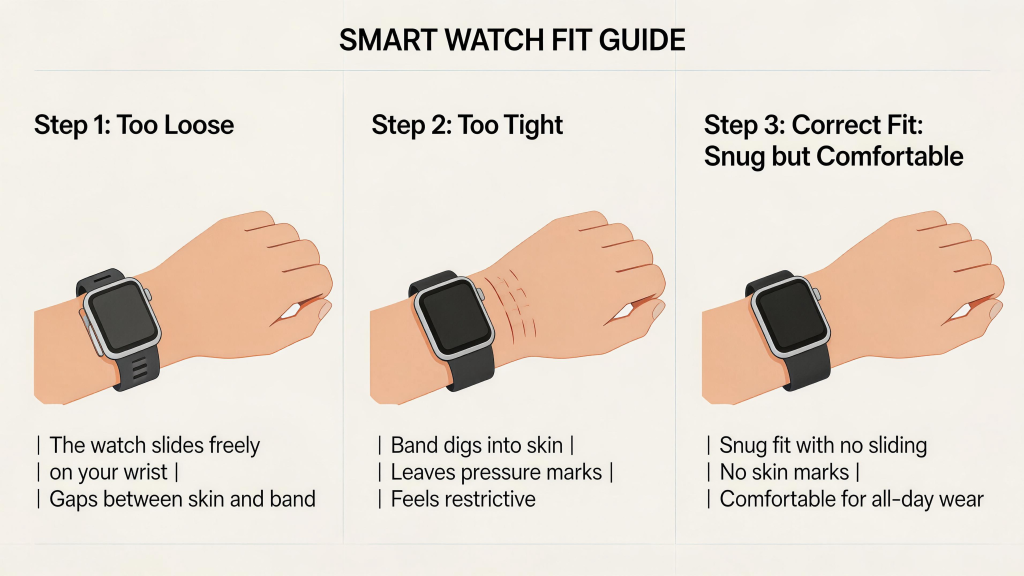
For those who use these features, a few practical habits help maximize their value. Wearing the watch consistently, keeping it snug but comfortable, and ensuring software is updated all contribute to better performance. Understanding that alerts are designed to prompt action, not replace it, keeps expectations realistic. When a notification appears, the appropriate response is to pay attention, consider any symptoms, and consult a healthcare provider if concerns persist.

The emergence of abnormal health alerts on smart watches represents a fundamental shift in health monitoring. What was once the domain of periodic doctor visits and bulky medical equipment now happens continuously and unobtrusively on the wrist. The watch cannot prevent health events, but it can detect them earlier than ever before.

Long-Term Health Data Trends on Smart watches

Smart watches have become remarkably good at capturing data. They track steps, heart rate, sleep, and dozens of other metrics every single day. But the real value of all this information does not lie in the daily numbers themselves. It lies in what those numbers look like after months and years of collection. The ability to view long-term health trends transforms a simple fitness accessory into a tool for understanding the bigger picture of personal well-being.

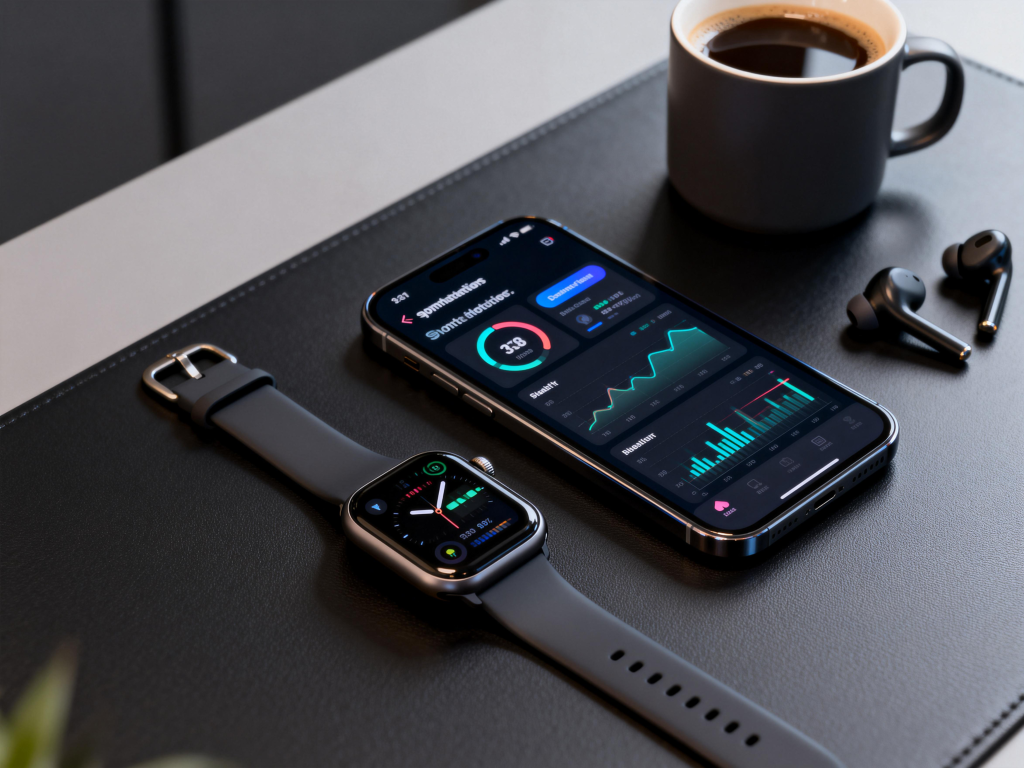
When a user glances at the watch face throughout the day, they see snapshots. A heart rate reading here, a step count there. These moments provide useful feedback, but they lack context. It is only when the data accumulates over time that patterns begin to emerge. The companion app on the phone becomes a repository of personal history, displaying charts that stretch back weeks, months, or even years. This perspective shifts the focus from daily fluctuations to the gradual trajectory of health.

Resting heart rate offers a clear example of why long-term trends matter. A single reading can be misleading. Perhaps the user had caffeine late in the day, or did not sleep well, or is fighting off a minor illness. Any of these factors might push the number higher on a given morning. But looking at the resting heart rate trend over several months tells a different story. A slowly declining trend often indicates improving cardiovascular fitness. A gradual upward creep might signal accumulated stress, inadequate recovery, or the need to pay closer attention to overall health. The trend line, not the daily point, provides the actionable insight.

Heart rate variability follows a similar pattern. This metric, which measures the variation in time between heartbeats, is highly sensitive to daily experiences. A single low reading can cause unnecessary worry if viewed in isolation. But over time, users begin to understand their personal baseline range. They see how life events like travel, illness, or demanding work periods affect the numbers. When the data shows a return to normal after a stressful week, it offers reassurance that the body has recovered. The long-term view turns heart rate variability from a mysterious number into a reliable compass for understanding how lifestyle choices impact the nervous system.

Sleep tracking also benefits greatly from the long-term perspective. No one sleeps perfectly every night. A restless night here or a late bedtime there is part of normal life. But when sleep data accumulates over months, patterns become visible. Users can see whether they consistently get enough deep sleep or whether sleep duration tends to drop during certain times of the year. This information helps identify whether occasional poor nights are truly occasional or part of a larger pattern that might need attention. It also provides motivation. Watching the sleep trend improve after adopting a consistent bedtime routine reinforces the value of those efforts in a way that a single night’s data never could.

Activity trends offer perhaps the most intuitive long-term metric. Step counts fluctuate daily based on schedules, weather, and motivation. But the monthly or yearly activity chart tells the real story. It reveals whether overall movement levels are holding steady, slowly increasing, or gradually declining. For someone trying to become more active, seeing the trend line climb over several months provides concrete proof of progress. For someone recovering from an injury or illness, the chart shows the slow but steady return to previous levels. The accumulated data transforms subjective feelings about activity into an objective record of effort and consistency.

Weight management and body composition metrics, when tracked over time, remove the emotional roller coaster of daily weigh-ins. Body weight naturally fluctuates due to hydration, meal timing, and other factors. A single reading can be discouraging even when the overall direction is positive. But the long-term trend smooths out these daily variations, showing the true trajectory. Whether the goal is weight loss, maintenance, or muscle gain, the trend line provides honest feedback about whether current habits are working. It replaces guesswork with evidence.

The power of long-term health data lies in its ability to reveal what is otherwise invisible. Daily numbers are noisy. They bounce around due to countless variables. But when viewed over sufficient time, the signal emerges from the noise. Users begin to see how their choices accumulate. A few weeks of consistent sleep habits show up in the resting heart rate trend. Months of regular exercise reflect in improved heart rate variability. Years of activity leave a record of commitment that is difficult to ignore.

This perspective also encourages patience. Health improvements rarely happen overnight. Muscles take time to strengthen. Cardiovascular fitness builds slowly. Sleep patterns adjust gradually. The long-term view reminds users that small, consistent efforts add up. The watch becomes not just a device for tracking today’s workout, but a companion for a much longer journey. It holds a record of where the user has been and offers a clear view of the direction they are heading. For anyone interested in health as a lifelong pursuit, that perspective is invaluable.

Exercise Load Analysis on Smart watches

Fitness tracking has evolved far beyond counting steps and calories. Modern smartwatches now offer a deeper layer of insight through exercise load analysis. This feature helps users understand not just what they did, but how much stress that activity placed on the body. For anyone serious about consistent progress.

What Exercise Load Measures

Exercise load, sometimes called training load, quantifies the total physiological stress of a workout. It considers both the duration and the intensity of the activity. A long, slow run creates a different load profile than a short, explosive interval session. The watch combines these factors into a single number that represents how much strain the workout imposed on the body .

The purpose of tracking load is to understand how training affects the body over time. It moves beyond simple metrics like distance or pace and looks at the internal cost of the effort. This allows athletes to see whether they are challenging themselves enough—or perhaps too much .

How Smartwatches Calculate Load

The calculation behind exercise load relies heavily on heart rate data. During a workout, the watch records how long the user spends in different heart rate zones . Time spent in higher zones contributes more to the overall load score because it represents greater physiological demand .

Some advanced systems also incorporate other inputs. Running watches may factor in ground contact time and vertical oscillation to account for the impact of running mechanics . For strength training, some devices use accelerometer data to detect muscle effort, though this is less standardized than heart rate-based methods .

After the workout, the watch assigns a load value. Over time, it tracks these values to establish patterns. This historical data becomes the foundation for more advanced metrics like acute load, chronic load, and load ratio .

Acute Load, Chronic Load, and Ratio

To make load data useful, smartwatches break it down into three key concepts.

Acute load represents the short-term training stress, typically measured over the last seven days. It shows how hard the user has been working recently . Chronic load reflects long-term training stress, usually measured over the last four to six weeks. It shows the fitness baseline built over time .

The relationship between these two numbers is called the load ratio, sometimes referred to as training strain or form . This ratio helps answer a critical question: Is recent training sustainable?

When acute load is significantly higher than chronic load, the user may be at risk of overtraining or injury . When acute load drops well below chronic load, it may indicate detraining or insufficient challenge . The ideal range varies by individual, but many sports science models suggest keeping acute load within about 20 percent above or below chronic load for balanced progress .

Practical Applications

Exercise load analysis provides actionable feedback. A runner preparing for a marathon can use load data to ensure weekly volume increases at a safe rate. A recreational cyclist might check load ratio before adding extra intensity to avoid burnout .

The feature also helps with tapering before races. By deliberately reducing acute load while maintaining chronic load, athletes can arrive at race day fresh but still fit . After a race, load data guides the return to training, ensuring enough recovery before building back up.

For casual users, load analysis simply offers perspective. It explains why some weeks feel harder than others, even when distance or duration looks similar on paper. It validates the effort of a tough interval session and provides permission to rest after a heavy load week.

Limitations and Considerations

Load analysis is a powerful tool, but it has limits. Accuracy depends on proper heart rate monitoring. Loose wrist straps, poor sensor placement, or activities that interfere with optical sensors can affect data quality . The algorithms also assume a certain level of cardiovascular fitness and may be less accurate for users with medical conditions affecting heart rate .

External factors like stress, sleep, and hydration influence how the body responds to load, but these are not always fully captured in the calculation . Users should treat load data as a guide rather than a strict rule, combining it with subjective feelings of energy and recovery.

Making Load Data Work

To benefit from exercise load analysis, consistency matters. Wearing the watch for all workouts, not just running or cycling, provides a complete picture of total stress . Reviewing load trends weekly, rather than obsessing over single sessions, helps identify patterns before they become problems .

Exercise Recovery Time Evaluation on Smart watches

After a hard workout, the body needs time to repair and strengthen. Modern smartwatches now offer a feature designed to quantify this process: recovery time estimation. This metric tells users how long they should wait before their next intense training session.

What Recovery Time Represents

Recovery time is an estimate, usually displayed in hours, of how long it will take for the body to be fully ready for another workout of similar intensity . It appears after an activity is completed, often as part of the end-of-workout summary . The number is not a command to stop moving entirely. Rather, it is a guide suggesting when the user will be able to gain the maximum benefit from another hard effort .

A long recovery time—sometimes up to four days—does not mean the user must remain sedentary . It simply indicates that the body is carrying some fatigue. Easy movement, recovery runs, or light cross-training are still acceptable and often beneficial during this period.

How Smartwatches Calculate Recovery

The calculation behind recovery time draws from multiple data sources. Watches analyze the duration and intensity of the workout just completed . They also consider the user’s overall fatigue, which is built from recent training history .

Key physiological metrics play a major role. Heart rate data helps determine how hard the body worked. Heart rate variability, or HRV, which measures the variation in time between heartbeats, is particularly important . A high HRV generally indicates good recovery and a balanced nervous system, while a low HRV can signal stress or fatigue . Many watches track HRV automatically during sleep to establish personal baselines .

Sleep quality and duration also feed into the recovery equation. A poor night’s sleep can extend the estimated recovery time, while deep, restorative sleep may shorten it . Some advanced systems combine these inputs into a daily readiness score, offering a quick snapshot of whether the body is prepared for high-intensity work .

The Role of Consistency

Recovery tracking is most useful when viewed as a trend rather than a single daily number. Occasional dips in HRV or longer recovery estimates are normal, especially after particularly demanding workouts . What matters is the pattern over weeks and months. Consistent readings within a personal baseline suggest balanced training and adequate rest .

Devices from different brands approach this in varied ways. Some provide a straightforward countdown timer that resets after each workout . Others offer more holistic systems that integrate recovery into a broader training status, considering factors like long-term training load and short-term fatigue .

Limitations and Practical Use

It is important to remember that recovery estimates are just that—estimates. They are not medical advice. External factors such as illness, stress at work, or even a single night of poor sleep can influence the numbers . The algorithms may also struggle with events far outside normal routines, such as a marathon, where the estimated recovery time might seem short compared to how the user actually feels .

For most users, the best approach is to use recovery data as one piece of information among many. Subjective feelings of energy, muscle soreness, and motivation matter just as much as any number on a screen. When the watch suggests a long recovery but the user feels great, a light workout is reasonable. Conversely, when the watch shows a green light but the body feels heavy and sluggish, listening to the body is the wiser choice .

Practical Tips

To get the most reliable recovery estimates, consistency in wearing the device matters. Wearing the watch overnight allows for continuous HRV and sleep tracking, which improves baseline accuracy . Keeping the device snug but comfortable on the wrist ensures good sensor contact .

Users should also be patient. Building a reliable baseline takes time, typically a few weeks of regular wear and activity tracking . Once established, recovery time becomes a valuable tool for balancing hard efforts with adequate rest, ultimately supporting long-term progress and reducing the risk of overtraining.

Understanding VO2 Max on Smart watches

Among the many health metrics that modern smartwatches provide, few are as informative yet misunderstood as VO2 max. This number, often displayed in a dedicated widget or after a run, offers a window into cardiovascular fitness.

What VO2 Max Represents

VO2 max stands for maximal oxygen uptake. It measures the maximum amount of oxygen that the body can utilize per minute per kilogram of body weight during intense exercise . In simple terms, it reflects how efficiently the heart, lungs, and muscles work together to deliver and use oxygen. Higher values generally indicate better aerobic capacity .

For endurance athletes, VO2 max is a strong predictor of performance . For the general population, it serves as a meaningful marker of overall health and is linked to long-term well-being . Knowing this number provides a baseline for fitness and a way to track improvement over time.

How Smart watches Estimate VO2 Max

Smartwatches do not measure VO2 max directly the way a laboratory does. Laboratory testing requires a mask, a metabolic cart, and a maximal effort on a treadmill or bike until exhaustion . Smartwatches take a different approach. They estimate VO2 max using submaximal algorithms during outdoor activities .

When a user goes for an outdoor run or a brisk walk, the watch collects data on heart rate, pace, and sometimes elevation . Proprietary algorithms analyze how the heart responds to a given workload. A lower heart rate at a faster pace typically points toward better fitness . The watch also considers personal factors such as age, sex, weight, and height to refine the estimate .

Most devices require a few outdoor workouts before providing an initial estimate. Continuous use improves accuracy as the watch learns the user’s physiological patterns .

Accuracy and Limitations

Research shows that smartwatch VO2 max estimates are generally useful but come with caveats. Studies comparing watch estimates to lab measurements have found moderate agreement . One study on the Garmin Forerunner 245 reported mean absolute percentage errors around 7 to 8 percent, indicating reasonable accuracy for everyday use .

However, accuracy varies by fitness level. Watches tend to underestimate VO2 max in highly trained athletes . Another study on the Apple Watch found that it overestimated values in individuals with lower fitness and underestimated in those with excellent fitness . A separate investigation concluded that while smartwatches may overestimate or underestimate compared to lab tests, they demonstrate good reliability, meaning the numbers are consistent from one workout to the next .

For recreational users, this consistency matters more than absolute precision. Tracking trends over weeks and months provides valuable insight into whether fitness is improving, even if the exact number is not perfectly accurate.

Factors That Influence Readings

Several factors affect VO2 max estimates from a smartwatch. Wrist placement and sensor contact matter for heart rate accuracy. Medications that affect heart rate can skew results . Environmental conditions like steep hills or poor GPS signal may also introduce error .

Most manufacturers recommend flat terrain for the most reliable readings . Consistency in workout types—such as always running outdoors rather than mixing in treadmill sessions—helps maintain comparability over time.

Practical Takeaways

VO2 max serves as a useful compass rather than a strict diagnostic tool. Users should watch for trends. A rising number over months suggests that cardiovascular fitness is heading in the right direction. A plateau or decline might prompt a look at training consistency, sleep, or recovery habits .

For those serious about improving VO2 max, structured training that includes both steady-state endurance work and high-intensity intervals remains the most effective approach. The smart watch simply provides feedback on whether those efforts are translating into measurable gains.

Altitude and Hiking Tracking in Smart watches

For hikers and outdoor enthusiasts, a smartwatch is more than a timepiece. It is a navigation tool and a safety device. Among its most valuable features is altitude tracking, which helps users understand their progress, plan their route, and stay aware of their environment.

How Smart watches Measure Altitude

Altitude tracking in modern smartwatches relies primarily on two methods: GPS and barometric sensors .

GPS calculates altitude by triangulating satellite signals. While useful, this method has limitations. Satellite signals can bounce off terrain or become blocked by dense tree cover, leading to errors. In deep canyons or thick forests, GPS altitude readings may fluctuate significantly .

The more reliable method for hiking is the barometric altimeter. This sensor measures atmospheric pressure, which decreases as altitude increases. Barometric sensors provide continuous, high-resolution data about ascent and descent, even when GPS signals are weak . However, they are sensitive to weather changes. A dropping pressure reading might indicate a gain in elevation, or it could mean a storm is approaching. High-end watches solve this by using sensor fusion—combining barometric data with GPS fixes and terrain models to correct for weather-related drift .

Essential Features for Hikers

When selecting a smartwatch for hiking, several features matter beyond basic altitude readings.

Barometric Altimeter: A dedicated altimeter is essential for accurate elevation tracking. Some watches allow manual calibration at trailheads using known elevation markers, which improves precision over long distances .

GPS and Navigation Support: Multi-band GPS support improves accuracy in challenging terrain by connecting to multiple satellite systems simultaneously . Many outdoor watches now offer offline topographic maps, allowing hikers to view contour lines, trails, and landmarks without a phone signal . Some devices also support GPX route imports, enabling users to follow pre-planned routes and receive alerts if they stray off course .

Compass and Environmental Sensors: A built-in digital compass helps with orientation when trails are unmarked. Some watches also include thermometers for monitoring conditions, though accuracy varies depending on wrist placement .

Battery Life: Altitude tracking and GPS use significant power. For multi-day trips, battery life becomes critical. Many outdoor-focused watches offer extended battery modes that balance accuracy with endurance, lasting anywhere from 36 hours to several weeks depending on settings .

Accuracy Considerations

No consumer device provides perfect elevation data. Even the best watches have margins of error, typically within 3–5% of the true value over long distances . Users should focus on relative changes over time rather than absolute numbers for fitness tracking purposes.

Factors that affect accuracy include:

  • Weather: Rapid pressure changes can temporarily skew readings.
  • Temperature: Extreme heat or cold can cause sensor drift.
  • Calibration: Starting with a known elevation improves performance .

For critical applications like race qualifying or navigation in remote areas, cross-referencing with topographic maps or external sources is recommended.

Practical Tips for Hikers

To get the most reliable altitude data on the trail:

  • Allow the watch to stabilize outdoors for several minutes before starting a hike .
  • Calibrate the altimeter at a known elevation point, such as a trailhead sign or summit marker .
  • Enable all available satellite systems for better GPS accuracy .
  • Keep the watch firmware updated to benefit from improved algorithms .
  • Download offline maps and route data before leaving cell coverage .

Altitude tracking transforms a smartwatch from a simple activity recorder into a genuine hiking companion. It provides real-time awareness of progress, helps with navigation in unfamiliar terrain, and contributes to safety by enabling features like storm alerts and trackback functions . While no device is infallible, understanding the technology and its limitations allows hikers to use these tools effectively and confidently on any trail.

How Smart watches Recognize Indoor Activities

Smart watches have become everyday companions for health-conscious individuals. While GPS tracking handles outdoor exercise, a different kind of technology takes over when users step inside. Indoor activity recognition allows a watch to understand what the body is doing without location data. It is a complex process that happens quietly on the wrist.

The Shift to Indoor Sensors

When a person enters a gym or runs on a treadmill, satellite signals become unreliable or unavailable. Smartwatches adapt by switching to internal sensors. The primary tool for indoor tracking is the accelerometer, a small sensor that measures movement and acceleration . Many watches also include gyroscopes to detect orientation and rotation .

These sensors work together to capture raw data about arm swing, wrist motion, and body movement. The watch collects this information many times per second, creating a detailed profile of the workout in progress.

Distinguishing One Activity from Another

The challenge lies in interpretation. An arm swinging during a run looks different from an arm moving during an elliptical session. Watch manufacturers develop algorithms to analyze sensor data and classify the activity .

For example, indoor running relies on arm movement patterns and step frequency to estimate pace and distance. Elliptical training involves a smooth, oval motion that the sensors learn to recognize . Activities like indoor rowing generate distinct forward-backward motions, while jump rope produces rapid, consistent pulses detected by the watch . Some devices even support specialized modes for boxing or badminton, tailoring metrics to those specific movements .

Automatic Detection Features

Modern smartwatches often include automatic activity detection. This feature removes the need to manually start a workout. The device continuously monitors sensor data in the background. When the patterns match a known activity like walking or running for a certain duration, the watch prompts the user to confirm or automatically begins recording .

For indoor use, this is particularly helpful. A user who forgets to start the treadmill mode may still receive a record of the effort. These systems typically require a few minutes of continuous movement to trigger, ensuring that brief motions do not create false workouts .

Accuracy and Limitations

Indoor activity recognition has improved significantly, but it is not perfect. Without GPS, distance tracking on a treadmill depends on calibration. Users often need to input their stride length or run a known distance outdoors to help the watch learn .

Research shows that wrist-worn devices generally perform well for step counts and heart rate during indoor activities . However, measuring energy expenditure remains challenging, with studies noting higher error rates for calorie burn estimates . The watch provides a useful reference, but users should view the numbers as estimates rather than clinical measurements.

Applications Beyond Fitness

Indoor activity recognition extends beyond exercise. Researchers are exploring its use in healthcare, particularly for older adults. The ability to track basic activities of daily living—such as eating, drinking, or moving around the home—could support aging-in-place strategies . While much of this research remains in development, it points to a future where smartwatches contribute to health monitoring in everyday life.

For most users, indoor activity recognition adds convenience and consistency to fitness tracking. It captures workouts that might otherwise go unrecorded and provides motivation through data. To get the best results, users should ensure their watch is updated, wear it snugly on the wrist, and take a moment to calibrate indoor modes when prompted.

Why GPS Route Tracking Matters in a Smart watch

When selecting a fitness smartwatch, shoppers often focus on step counts or heart rate sensors. Yet one feature consistently proves its value over time: GPS route tracking. It transforms a simple timepiece into a powerful tool for athletes, casual joggers, and outdoor enthusiasts alike.

The Value of Visual Feedback

A workout without GPS is like reading a book with missing pages. You know the start and the finish, but the middle remains a mystery. With route tracking, every run, walk, or ride becomes a visible story. The watch captures the exact path taken, the elevation climbed, and the pace maintained at every segment.

For many users, this visual record provides a sense of accomplishment that numbers alone cannot convey. Seeing the squiggly lines on a map confirms the effort in a deeply satisfying way. It turns an abstract distance into a concrete achievement.

Breaking the Routine

One of the greatest benefits of GPS tracking is how it encourages exploration. Without it, exercisers often stick to familiar loops. The fear of getting lost or misjudging distance keeps them close to home. A watch with reliable GPS removes that anxiety.

Users can venture into new neighborhoods, explore forest trails, or navigate unfamiliar cities on foot. The knowledge that the watch can guide them back or record the route for future reference provides freedom. This freedom keeps exercise fresh and exciting, preventing the boredom that often derails fitness routines.

A Tool for Honest Improvement

Beyond exploration, GPS data serves as an objective coach. After a workout, the watch syncs with a phone app, displaying detailed maps and metrics. Users can review their pace, identify slow sections, and analyze performance on hills.

This data is particularly useful for runners training for races. They can recreate specific routes to track progress over time. If a particular hill felt easier this week than last, the numbers will confirm it. If pace is slipping, the map might reveal the reason—a headwind, a steep incline, or simply a tough day. This honest feedback helps set realistic goals and measure genuine improvement.

Practical Considerations for Users

To get the most out of GPS tracking, a few simple habits help. First, always wait for the signal before starting. Starting too quickly can result in inaccurate tracking for the first few minutes. Second, be mindful of battery life. GPS is power-intensive, so long hikes require a full charge beforehand. Many users develop the habit of charging their watch while preparing gear.

For those concerned about safety, many watches offer live tracking features. This allows trusted contacts to follow a workout in real time, adding peace of mind during solo adventures in remote areas.

Beyond the Numbers

Ultimately, GPS route tracking does more than collect data. It captures the journey. It preserves the memory of a sunrise run along the river or a weekend hike through the hills. It provides proof of progress and a record of places visited.

For anyone serious about fitness or simply curious about the world around them, a smartwatch with accurate GPS is more than a gadget.

Back to Top
Product has been added to your cart
Compare (0)