Smart Watch Scratch & Wear Testing: What Really Lasts
Smart watches have become an integral part of daily life, accompanying users through workouts, commutes, workdays, and even outdoor adventures. Over time, these devices face constant exposure to potential damage—keys in a pocket, accidental bumps against tables, contact with rough surfaces, and regular wear that can dull their appearance and compromise functionality. For consumers investing in a smart watch, understanding how different materials and designs hold up against scratches and wear is critical to making an informed purchase. Scratch and wear testing provides objective insights into a device’s durability, separating marketing claims from real-world performance.
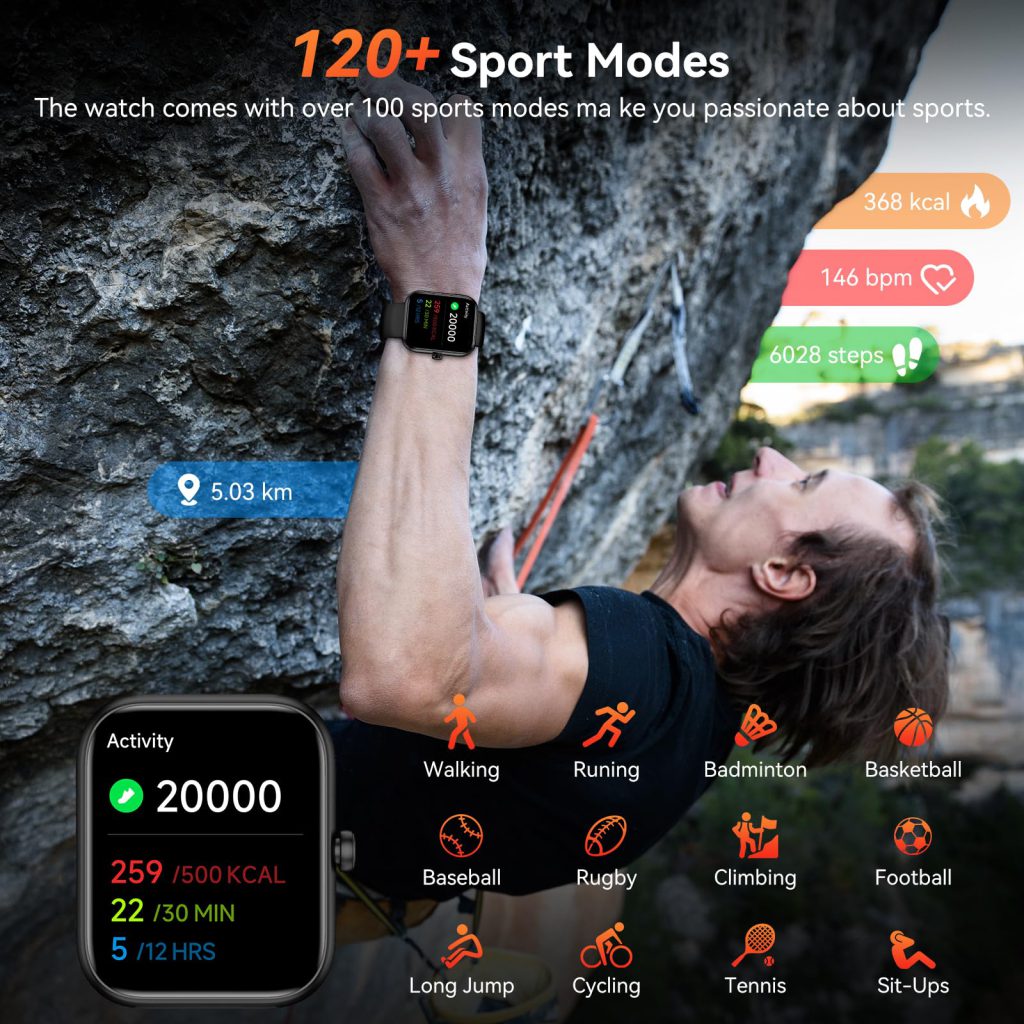
Scratch and wear testing for smart watches is not a one-size-fits-all process; it involves simulating real-world scenarios that devices are likely to encounter. These tests are designed to replicate everyday hazards, from minor scrapes to more significant impacts, to evaluate how well a smart watch’s case, screen, and band resist damage. Testing protocols vary slightly by manufacturer and third-party labs, but most focus on key areas: screen scratch resistance, case wear resistance, band durability, and overall structural integrity after repeated use. Each component is tested individually and as part of the whole device, ensuring a comprehensive assessment of durability.
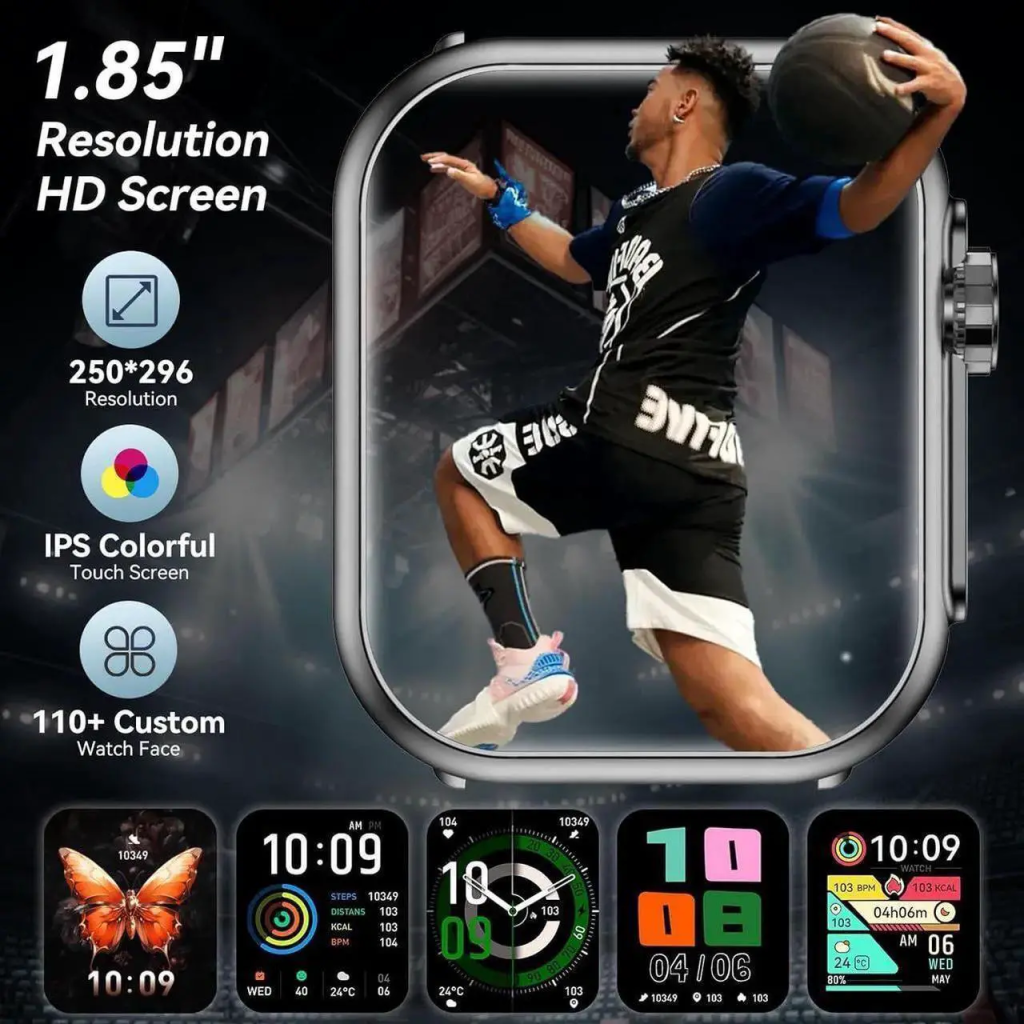
The screen is one of the most vulnerable parts of a smart watch, as it is constantly exposed to contact with fingers, surfaces, and debris. Screen scratch testing typically uses the Mohs hardness scale, a standard measure of a material’s resistance to scratching. The scale ranges from 1 (softest, talc) to 10 (hardest, diamond), and most smart watch screens use materials like Gorilla Glass (common in mid-range models) or sapphire crystal (found in premium devices). During testing, a series of tools with different Mohs hardness ratings are used to scratch the screen—starting with softer materials like plastic (2-3 Mohs) and moving up to harder substances like steel (4-5 Mohs) and even quartz (7 Mohs). This simulates everyday encounters, such as scraping against a keychain or rubbing against a concrete surface.
Gorilla Glass, which is tempered and chemically strengthened, typically ranks around 6-7 on the Mohs scale. This means it can resist scratches from most everyday objects, including keys, coins, and plastic, but may show marks from harder materials like quartz or metal tools. Sapphire crystal, on the other hand, ranks 9 on the Mohs scale, making it nearly scratch-proof—only diamond (10 Mohs) can scratch it. However, sapphire crystal is more brittle than Gorilla Glass, meaning it is more prone to cracking or shattering upon impact. Testing also evaluates screen resistance to repeated contact, such as swiping, which can cause micro-scratches over time. Most high-quality screens will show minimal wear even after thousands of swipes, while lower-quality glass may become dull or develop visible scratches with regular use.
The smart watch case, which houses the internal components, is another critical area for scratch and wear testing. Cases are made from a variety of materials, including stainless steel, aluminum, titanium, plastic, and ceramic—each with different durability properties. Testing involves subjecting the case to repeated impacts, scrapes against rough surfaces, and exposure to sweat, water, and everyday chemicals (like hand sanitizer or lotion) to evaluate how well it resists scratches, discoloration, and corrosion.
Stainless steel cases are popular for their balance of durability and aesthetics. They rank around 5-6 on the Mohs scale, meaning they can resist minor scratches but may show wear over time, especially if not cared for. Polished stainless steel is more prone to visible scratches than brushed stainless steel, which hides minor marks better. Aluminum cases are lighter than stainless steel but slightly less durable, ranking around 4-5 on the Mohs scale. They are more prone to scratches and dents, but their anodized finish helps protect against corrosion and discoloration. Titanium cases are the most durable of the metal options, ranking 6-7 on the Mohs scale. They are lightweight, scratch-resistant, and corrosion-proof, making them ideal for outdoor and active users. Plastic cases are the least durable, ranking around 2-3 on the Mohs scale, and are prone to scratches, cracks, and discoloration with regular use. Ceramic cases, while less common, offer excellent scratch resistance (7-8 Mohs) but are brittle and can crack upon impact.
Wear testing for cases also includes evaluating how well the finish holds up over time. Anodized aluminum, for example, may fade or chip if exposed to harsh chemicals or repeated friction. Polished stainless steel may develop a patina or lose its shine with wear, while brushed finishes maintain their appearance better. Testing involves rubbing the case with abrasive materials (like denim or sandpaper) to simulate daily friction, as well as exposing it to sweat and chemicals to check for discoloration or corrosion. High-quality cases will retain their finish and structural integrity even after months of simulated wear, while lower-quality options may show significant damage.
The band, which is in constant contact with the skin and external surfaces, is often overlooked in durability testing but plays a key role in the overall longevity of a smart watch. Bands are made from materials like silicone, leather, metal, nylon, and fabric—each with distinct wear and scratch resistance properties. Testing for bands involves evaluating scratch resistance, stretch, tear strength, color fastness, and resistance to sweat and odor.
Silicone bands are the most common and offer good durability for everyday use. They are resistant to scratches and tears, and their smooth surface is easy to clean. However, low-quality silicone may become sticky or brittle over time, especially with exposure to heat or sunlight. Testing involves stretching the band repeatedly, scratching it with everyday objects, and exposing it to sweat and UV light to check for degradation. High-quality silicone bands will maintain their shape and texture even after months of use, while lower-quality options may crack or discolor.
Leather bands are stylish but require more care to maintain durability. They are prone to scratches, scuffs, and water damage, and their color may fade over time with exposure to sweat and sunlight. Wear testing for leather bands involves rubbing them against rough surfaces to simulate scuffs, exposing them to water and sweat to check for warping or discoloration, and bending them repeatedly to evaluate flexibility. Full-grain leather bands are more durable than genuine leather, as they retain the natural grain and are less prone to cracking. With proper care, a high-quality leather band can last 1-2 years, but it will show signs of wear—such as a patina—that many users find desirable.
Metal bands, typically made from stainless steel or titanium, are durable and scratch-resistant. Stainless steel bands can develop minor scratches over time, but these can often be polished out. Titanium bands are even more scratch-resistant and lightweight, making them ideal for active users. Testing involves scratching the band links with metal tools, bending the links to check for flexibility, and exposing the band to sweat and chemicals to check for corrosion. High-quality metal bands will retain their shape and appearance even after repeated wear, while lower-quality options may have loose links or show significant scratches.
Nylon and fabric bands are lightweight and breathable but less durable than silicone or metal. They are prone to fraying, staining, and stretching, especially with repeated washing. Testing involves rubbing the band against rough surfaces to check for fraying, exposing it to sweat and stains to check for color fastness, and stretching it to evaluate elasticity. High-quality nylon bands, such as those made from ballistic nylon, are more durable and resistant to fraying, but they will still show wear over time.
Beyond individual components, overall wear testing evaluates how the smart watch holds up to repeated, everyday use. This includes simulating daily activities like wearing the watch while working, exercising, sleeping, and commuting. Testers may wear the device for weeks or months, recording any scratches, dents, or functional issues that arise. This real-world testing is critical, as it captures how the device performs in scenarios that lab tests may not fully replicate—such as accidental drops, exposure to extreme temperatures, or contact with unexpected hazards.
Another important aspect of scratch and wear testing is water and dust resistance. While not directly related to scratching, these features contribute to the overall durability of the smart watch. Testing involves exposing the device to water at different depths (depending on the water resistance rating) and dust to evaluate how well it protects internal components. A device with a high water resistance rating (like 5ATM or 10ATM) will be more resistant to water damage, which can cause corrosion and functional issues over time. Dust resistance, measured by the IP rating, ensures that dust and debris do not enter the device and damage internal components.
It’s important to note that no smart watch is completely scratch-proof or wear-proof—even the most durable materials will show signs of use over time. However, scratch and wear testing helps consumers understand which devices will hold up better in their specific lifestyle. For example, users who work in construction or spend a lot of time outdoors may benefit from a smart watch with a titanium case and sapphire crystal screen, while casual users may be satisfied with a device with a stainless steel case and Gorilla Glass screen.
Manufacturers often highlight durability features in their marketing, but third-party testing provides more objective results. Organizations like Consumer Reports, iFixit, and GSMArena conduct independent scratch and wear tests, evaluating devices across different price ranges and brands. These tests often reveal discrepancies between marketing claims and real-world performance—for example, a device marketed as “scratch-resistant” may show significant scratches when tested with everyday objects.
For users looking to extend the life of their smart watch, there are several steps they can take to minimize scratches and wear. Using a screen protector can help protect the display from minor scratches, while a case can shield the watch case from dents and scrapes. Avoiding contact with harsh chemicals (like hand sanitizer, perfume, or cleaning products) can prevent discoloration and corrosion. Regular cleaning of the band and case can also help maintain their appearance and prevent buildup of sweat and debris, which can cause wear over time.

In conclusion, scratch and wear testing is a critical tool for evaluating the durability of smart watches. By simulating real-world scenarios, these tests provide objective insights into how well a device’s screen, case, and band will hold up over time. Understanding the durability of different materials—from sapphire crystal and titanium to silicone and leather—helps consumers make informed purchases that align with their lifestyle. While no device is completely immune to wear, choosing a smart watch with high-quality materials and a proven track record of durability will ensure it remains functional and attractive for years to come.