Free Shipping On All Orders Over $10

What is a Smart Watch? Discover the Future of Wearable Technology

Smart watches have rapidly evolved from niche gadgets into essential wearable devices. But what is a smart watch? At its core, a smart watch is more than a timepiece—it is a mini-computer on your wrist, capable of tracking health, connecting to smartphones, and facilitating daily tasks. With innovations from brands like QONBINK Smart Watch, wearable technology has never been more versatile or stylish.

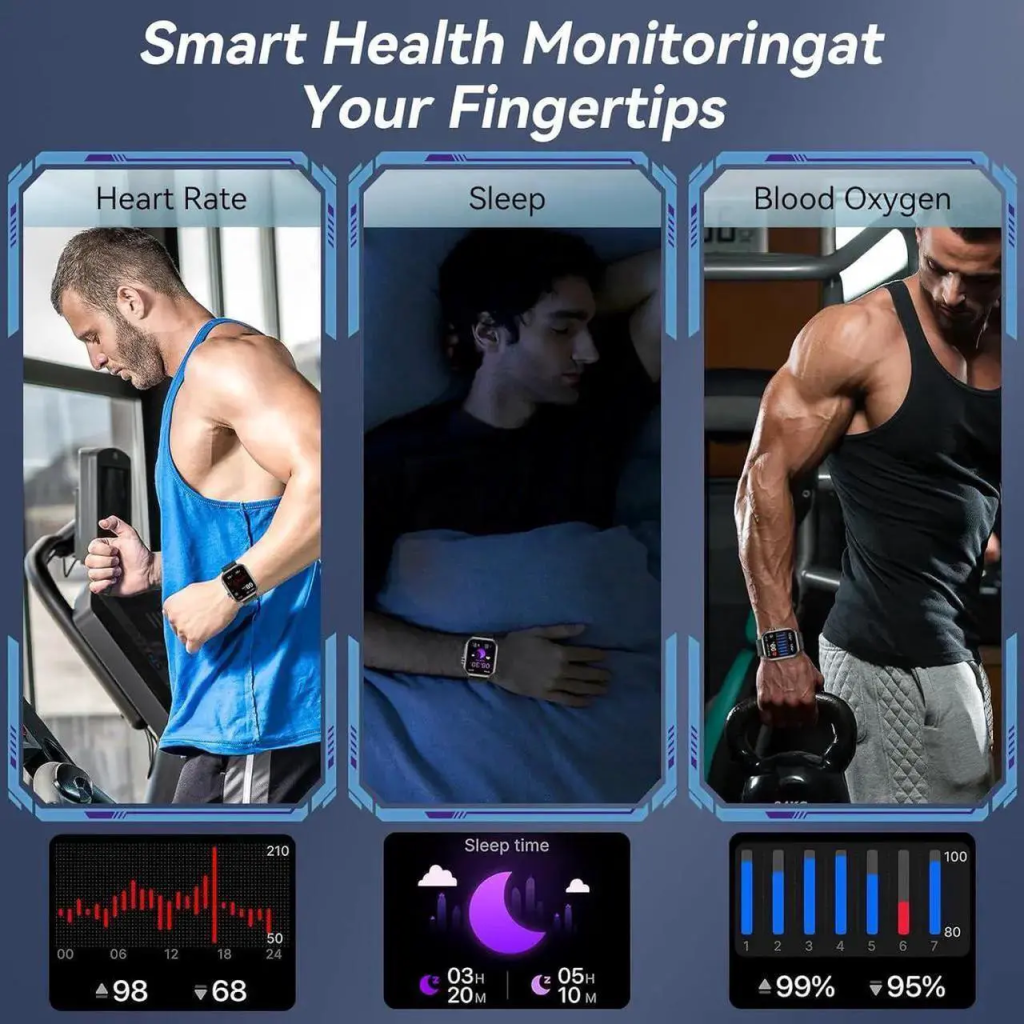
Modern smart watches are equipped with sensors that monitor heart rate, sleep patterns, physical activity, and blood oxygen levels. Advanced models, such as the QONBINK Smart Watch series, also provide GPS tracking, notifications, music control, and voice assistant functionality. This integration allows users to manage health tracking and daily activities conveniently without constantly relying on their smartphones.

Fitness enthusiasts benefit from smart watches by tracking workouts, performance metrics, and recovery times. Professionals use smart watches to manage calls, emails, and schedules. With QONBINK Smart Watches, users gain not only reliable functionality but also sleek, durable designs. Features like 24/7 heart rate monitoring, sleep analysis, and stress tracking empower users to make informed decisions about their health.

Some smart watches now operate independently of smartphones. Models with eSIM, like QONBINK Smart Watches, allow calls, messaging, and internet access directly from the wrist. This independence enhances the wearable technology experience, making smart watches an essential tool for modern lifestyles.

The smart watch market is expanding rapidly, with growing consumer demand for AI-driven health insights, improved battery life, and IoT integration. Leading brands like QONBINK are at the forefront of these innovations, ensuring their smart watches remain competitive in the wearable technology landscape.

A smart watch is no longer just a stylish accessory—it is a versatile, powerful device for health, fitness, and productivity. With QONBINK Smart Watches, users enjoy a seamless combination of innovative technology, durability, and design. Explore the full range of QONBINK Smart Watches today and experience the next generation of wearable technology.

Which Is the Best Smart Watch to Buy

Choosing which smart watch is best to buy can be daunting with so many models available. From fitness-focused devices to all-purpose wearables, the gap between entry-level and premium smart watches continues to narrow. As consumers demand more functionality, health monitoring, and reliable battery life, the market has matured in ways that benefit every type of user.

Today’s smart watches deliver a range of features such as step counting, heart rate monitoring, sleep analysis, GPS tracking, smartphone notifications, and even music control. Some models strike a balance between performance and value, making them suitable for everyday use without a premium price tag. Understanding what matters most to you — whether it’s health insights, athletic tracking, battery life, or design — is key to determining which device will deliver the best experience.

What to Look for in a Smart Watch

When evaluating the best smart watch to buy, several factors should shape your decision:

Health and Fitness Tracking: Accurate activity monitoring, including heart rate, steps, and sleep, is now a central feature of most models.

Battery Life: Devices range from a single day of use to a week or more between charges. For active users, efficiency matters.

Display and Interface: A clear, responsive screen makes interactions smoother, especially for notifications and apps.

Connectivity: Bluetooth, Wi-Fi, and optional cellular support affect how the watch pairs with a phone or works independently.

Durability: Water resistance and rugged construction matter for outdoor or sports use.

For many buyers, these basics are enough to narrow down their choices. More advanced features, such as built-in GPS and detailed training analytics, appeal particularly to athletes or outdoor enthusiasts.

Notable Smart Watch Categories

There are several broad categories worth considering:

Everyday Smart Watches

These balance daily convenience and comfort. They support notifications, health tracking, and moderate activity monitoring without requiring frequent charging.

Fitness and Sports Smart Watches

Built for runners, cyclists, or gym users, these focus on accurate metrics, workout modes, and extended battery life. Advanced GPS capabilities and multi-sport support distinguish these models.

Value-Focused Smart Watches

For shoppers seeking strong performance at an affordable price, value models provide core features such as step count, sleep tracking, and notifications. These options appeal to first-time buyers or users who want simplicity without sacrificing quality.

Finding the Best Fit for You

With a wide range of choices, there isn’t a single “best” smart watch for everyone. Instead, the best device is the one that fits your lifestyle. For people who want health monitoring and smart features without breaking the bank, mid-range options offer a compelling mix of performance and price. Devices from well-reviewed manufacturers, including accessible designs like the QONBINK smart watch, demonstrate that capable wearables can be both functional and budget-friendly without compromising reliability.

For serious athletes or professionals who rely on deep analytics and advanced training tools, select premium models may still be worth the investment. Meanwhile, casual users may prioritize comfort, battery life, and ease of use above all else.

By understanding your needs and comparing devices across key categories, you can narrow your choice with confidence. The smart watch market today offers a strong range of options, from core daily wearables to advanced fitness-oriented models. With thoughtful research and clear priorities, you can find the smart watch that not only meets your expectations but enhances the way you live and stay active.

Do Smartwatches Need a Phone?

As smart watches continue to gain popularity, many consumers ask a common question: do smartwatches need a phone? The answer is not as simple as yes or no. While most smart watches are designed to work alongside a smartphone, recent developments in wearable technology have made it possible for some models to function more independently than ever before.

Understanding how smart watches interact with phones helps users choose the right device based on their lifestyle, usage habits, and expectations.

How Smart Watches Connect to Phones

Traditionally, a smart watch relies on a smartphone for full functionality. Through Bluetooth or Wi-Fi, the watch syncs with a phone to display notifications, track health data, update apps, and back up information. In this setup, the phone acts as the main hub, while the smart watch works as an extension on the wrist.

For most users, this connection enables core features such as call and message alerts, app notifications, music control, and health data synchronization. Many popular smart watches on the market still follow this model because it offers stability, lower power consumption, and a smoother user experience.

Can Smart Watches Work Without a Phone?

With advancements in wearable technology, some smart watches now support limited standalone functionality. Models equipped with GPS, internal storage, or eSIM connectivity can perform certain tasks without being constantly connected to a phone. These include tracking workouts, recording routes, playing stored music, and even making calls or sending messages over a cellular network.

However, even standalone smart watches usually require a smartphone during initial setup and for advanced configuration. Software updates, app installations, and detailed data analysis are still easier to manage through a phone. Devices such as the QONBINK smart watch reflect this balanced approach, offering strong independent features while maintaining seamless phone integration for a complete experience.

Choosing the Right Setup for Your Lifestyle

Whether a smart watch needs a phone depends largely on how it will be used. For fitness-focused users, a watch that tracks steps, heart rate, and workouts without constant phone connection may be sufficient. For professionals or users who rely on messaging, apps, and notifications, pairing the smart watch with a phone remains essential.

Travelers, runners, and outdoor enthusiasts often appreciate the flexibility of partial independence, while everyday users value the convenience of synchronized devices. As technology evolves, smart watches continue to move toward greater autonomy without fully replacing smartphones.

Do You Really Need a Phone?

Most smart watches still work best with a phone, but they do not always depend on one for basic functionality. Standalone features are becoming more common, giving users more freedom and flexibility. The best choice depends on personal needs—whether that is full connectivity, health monitoring, or simple convenience.

As the smart watch market grows, users can expect even more options.

Is a Fitbit or Garmin Better?

When choosing a fitness-focused smart watch, two names often dominate the conversation: Fitbit and Garmin. Both brands have built strong reputations in the wearable technology market, but they serve slightly different user needs. For consumers trying to decide which is better, the answer depends less on brand loyalty and more on lifestyle, usage habits, and expectations from a smart watch.

Understanding the differences between Fitbit and Garmin also helps place newer and emerging smart watch brands—such as QONBINK—into proper market context, especially as competition continues to reshape the wearables industry.

Fitbit – Focused on Everyday Health and Simplicity

Fitbit is widely recognized for its emphasis on health tracking and user-friendly design. Many Fitbit devices are built for users who want clear insights into daily activity, sleep quality, heart rate trends, and overall wellness. The Fitbit ecosystem presents data in an easy-to-understand format, making it accessible to beginners and casual fitness users.

Another advantage of Fitbit is its lightweight design and comfortable wear, especially for all-day and sleep tracking. However, some models rely heavily on smartphone integration and subscription-based features, which may not appeal to every user.

Fitbit works best for individuals who prioritize wellness awareness, step tracking, and lifestyle balance rather than advanced athletic metrics.

Garmin – Built for Performance and Outdoor Training

Garmin, on the other hand, is strongly associated with performance-driven fitness tracking. Its smart watches are popular among runners, cyclists, swimmers, and outdoor athletes who require precise GPS data, advanced metrics, and long battery life. Garmin devices often support detailed training analytics, recovery tracking, and multi-sport modes.

While Garmin offers powerful tools, the interface and data depth may feel overwhelming for casual users. The designs are typically more rugged and sport-oriented, which may not suit users looking for a minimalist or fashion-focused device.

Garmin is best suited for users who view their smart watch as a training instrument rather than a lifestyle accessory.

Where the Market Is Heading

As consumer expectations evolve, the gap between health-focused and performance-focused smart watches is narrowing. Many modern devices now aim to balance usability, health insights, battery efficiency, and design. Brands like QONBINK reflect this shift by focusing on versatile smart watches that support daily health monitoring, multiple sports modes, and intuitive user experiences without overwhelming complexity.

This trend suggests that the “better” choice is no longer about Fitbit versus Garmin alone, but about how well a device aligns with individual needs.

Which One Is Better?

So, is a Fitbit or Garmin better? The answer depends on the user. Fitbit is ideal for those seeking simplicity, health awareness, and everyday comfort. Garmin excels for athletes and outdoor enthusiasts who demand precision and performance. At the same time, the broader smart watch market continues to expand, offering alternatives that blend health tracking, fitness features, and accessible design.

For today’s consumers, the best smart watch is not defined by a single brand, but by how effectively it supports personal health goals, daily routines, and long-term usability.

What Is a Good Cheap Smart Watch?

As smart watches become increasingly common, many consumers are asking a simple question: what is a good cheap smart watch? With prices ranging from premium luxury devices to budget-friendly models, the market now offers more affordable options than ever before. The key challenge is understanding what “cheap” really means—and whether lower cost always comes at the expense of quality.

In general, a good affordable smart watch is one that delivers essential features reliably without unnecessary extras. For most users, this includes health monitoring, fitness tracking, notification support, and reasonable battery life. While premium models often emphasize advanced materials and brand prestige, budget smart watches focus on practicality and everyday usability.

What Features Actually Matter at a Lower Price

When evaluating a low-cost smart watch, functionality should take priority over appearance. Heart rate monitoring, step counting, sleep tracking, and basic sports modes are now standard even in entry-level devices. Many affordable smart watches also support call and message notifications, allowing users to stay connected without constantly checking their phones.

Another important consideration is battery life. Cheaper smart watches often outperform premium models in this area, as they rely on simpler systems and fewer background processes. A device that lasts five to seven days on a single charge is often more convenient than one requiring daily charging, especially for first-time users.

Who Should Consider a Budget Smart Watch

Cheap smart watches are particularly suitable for beginners, students, and users who want health and fitness insights without a large investment. They are also ideal for older users who prefer straightforward interfaces and clear displays, as well as for people who want a secondary device for workouts or travel.

Parents purchasing a first smart watch for teenagers often choose affordable models to balance functionality and cost. These devices provide activity tracking and notifications without the distraction or expense of high-end ecosystems.

Understanding the Trade-Offs

While budget smart watches have improved significantly, they do come with limitations. Displays may be less sharp, materials may feel more basic, and app ecosystems are usually simpler. However, for many users, these trade-offs are acceptable when core features perform reliably.

The rise of competitive manufacturing and maturing wearable technology has narrowed the gap between low-cost and mid-range devices. Today, a good cheap smart watch can still offer a solid user experience, accurate tracking, and dependable daily performance.

A Growing Segment of the Wearables Market

As consumer demand shifts toward value-driven technology, affordable smart watches are becoming a major segment of the wearables industry. Instead of asking whether a cheap smart watch is “good enough,” many buyers now ask whether they truly need the premium features offered by higher-priced alternatives.

In most cases, the answer is no. For everyday health awareness, light fitness tracking, and basic connectivity, a well-chosen budget smart watch can meet expectations comfortably.

What Are the Five Best Smart watches

Now, consumers are no longer asking whether they need a smart watch, but rather which smart watch is worth buying. With hundreds of models available globally, a handful consistently stand out for their balance of functionality, reliability, and user experience. While “best” can vary by lifestyle, there are five types of smart watches that dominate the current market and shape consumer expectations.

This industry overview looks at the five best smartwatches based on performance, usability, and overall value, offering guidance for users navigating today’s competitive smart watch landscape.

1. All-Around Smart Watches for Daily Use

All-around smart watches are designed for everyday wear. They combine health tracking, smartphone notifications, app support, and clean design. These devices appeal to users who want a balance between lifestyle convenience and basic fitness features.

Key strengths include intuitive interfaces, broad compatibility with smartphones, and consistent software updates. Battery life typically ranges from one to several days, depending on usage.

2. Fitness-Focused Smart Watches

Fitness-oriented smart watches prioritize activity tracking, workout modes, and performance metrics. They often include GPS, advanced heart rate sensors, and detailed exercise data. These watches are popular among runners, gym users, and people committed to regular training.

While their design may be more sport-focused than fashion-driven, their accuracy and durability make them a top choice for active users.

3. Outdoor and Adventure Smart Watches

Outdoor smart watches are built for endurance. Featuring rugged casings, water resistance, and extended battery life, they support hiking, cycling, swimming, and navigation in challenging environments.

These devices are often larger and heavier, but they appeal strongly to users who value reliability and long-term performance over slim aesthetics.

4. Value-Driven Smart Watches

Value-driven smart watches have grown rapidly in popularity. These devices focus on essential features such as step counting, sleep tracking, heart rate monitoring, and notifications — all at a more accessible price point.

Brands offering this category demonstrate that modern smart watches do not need to be expensive to be practical. Products such as the QONBINK smart watch reflect this trend, offering reliable daily functionality and clean design for users who want performance without unnecessary complexity.

5. Hybrid and Minimalist Smart Watches

Hybrid smart watches blend traditional watch aesthetics with smart features. They typically include basic activity tracking and notifications while maintaining the look of a classic timepiece.

These watches appeal to users who prefer subtle technology integration and longer battery life, sometimes lasting weeks instead of days.

So, what are the five best smartwatches? Rather than specific models, the best options fall into these five categories, each serving different user needs. From all-around daily wearables to performance-focused and value-driven devices, today’s smart watch market offers something for everyone.

The Disadvantages of Using a Smart Watch: Key Industry Insights

Introduction: The Hidden Downsides of Smart Watch Adoption

Smart watches have become ubiquitous in modern life, marketed as essential tools for health monitoring, productivity, and connectivity. While they offer undeniable conveniences—from real-time notifications to fitness tracking—they also come with significant drawbacks that are often overlooked in marketing campaigns. For consumers and industry professionals alike, understanding these disadvantages is critical to making informed decisions about adoption, usage, and product development. This article explores the most pressing downsides of smart watches, from practical limitations to privacy risks and health concerns, providing actionable insights for anyone using or evaluating these devices.

Practical Limitations: Usability and Reliability Issues

Poor Battery Life and Constant Charging Burden

One of the most universal complaints about smart watches is their subpar battery performance, a stark contrast to traditional watches that can last for years on a single battery. Most feature-rich smart watches require daily charging, with even the most efficient models lasting only 2-3 days under light usage. This constant need for power creates significant inconvenience: users often wake up to a dead device if forgotten overnight, and frequent charging disrupts daily routines, especially during travel or outdoor activities. Features like always-on displays, GPS tracking, and continuous health monitoring exacerbate battery drain, forcing users to sacrifice functionality for longer battery life—or carry chargers everywhere they go. Unlike smartphones, which most people charge nightly as a habit, smart watches add an extra step to an already busy routine, leading many users to abandon them altogether over time.

Redundant Features and Poor Value for Money

Many smart watches are packed with features that most users never use, driving up costs without delivering corresponding value. For example, while manufacturers often boast about supporting 100+ sports modes, the average user only uses 2-3 core modes (e.g., running, walking, sleeping), with niche modes like snowboarding or rowing remaining unused indefinitely. Similarly, features like voice assistants, mobile payments, and third-party app integration are often redundant—users already carry smartphones that perform these functions better, with larger screens and more intuitive interfaces. This feature bloat not only increases the price of smart watches (ranging from $100 to over $1,000 for premium models) but also complicates the user experience, with clunky interfaces that require time to learn and navigate. For budget-conscious consumers, this means paying for features they don’t need, while even premium users often find that the “extras” fail to justify the high price tag.

Durability and Environmental Limitations

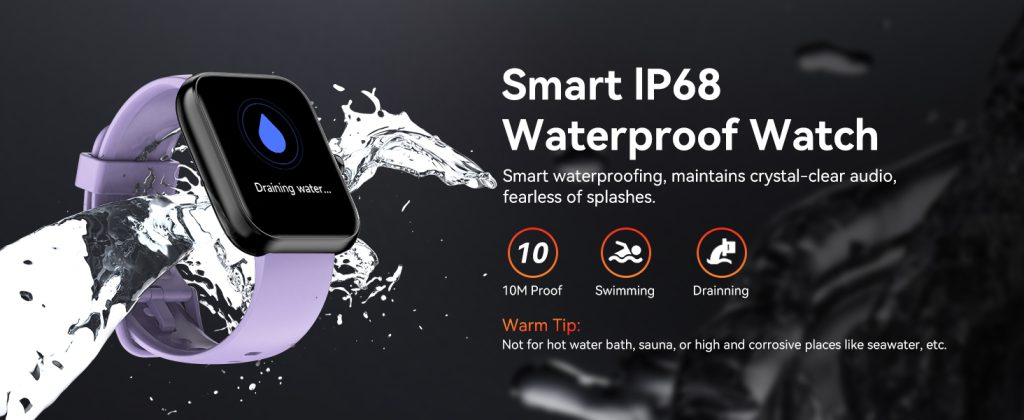
Smart watches are significantly less durable than traditional watches, making them unsuitable for harsh environments or high-impact activities. While most models claim water resistance, this is often limited to shallow water (e.g., swimming pools) and does not protect against saltwater, chemicals, or high pressure (e.g., diving). Additionally, the fragile screens and internal sensors are prone to damage from drops, scratches, or extreme temperatures—issues that rarely affect traditional watches with rugged designs. Repairs for smart watches are also costly, often costing 30-50% of the device’s original price, and many models are not designed to be repairable at all, forcing users to replace the entire device if it breaks. This lack of durability is a major drawback for outdoor enthusiasts, fitness fanatics, and anyone with an active lifestyle, as it limits the watch’s utility and increases long-term ownership costs.

Privacy and Security Risks: Underrated Threats

Data Collection and Privacy Breaches

Smart watches collect vast amounts of sensitive personal data, including location, health metrics (heart rate, sleep patterns, blood oxygen levels), and daily activity. This data is often stored on cloud servers or shared with third-party app developers, creating significant privacy risks. Hackers can exploit vulnerabilities in the watch’s software or the manufacturer’s cloud infrastructure to access this data, potentially using it for identity theft, targeted advertising, or even malicious surveillance. For example, a 2025 investigation by the Jiangsu Consumer Council found that children’s smart watches were particularly vulnerable, with some models having generic key vulnerabilities that allowed attackers to steal location data, recordings, and photos of children. Even for adult users, the constant collection of health data raises concerns about how this information is used—many manufacturers sell aggregated health data to pharmaceutical companies or research firms without explicit user consent, violating privacy rights and eroding trust. Unlike smartphones, which have robust privacy controls and regular security updates, many budget and mid-range smart watches lack basic security features, making them easy targets for hackers.

Security Vulnerabilities and Unauthorized Access

Smart watches are often overlooked as security risks, but their connection to smartphones and other devices makes them a gateway for unauthorized access to personal information. Most smart watches connect to smartphones via Bluetooth or Wi-Fi, and if these connections are not properly secured, hackers can intercept data or take control of the watch (and potentially the connected smartphone) remotely. Additionally, many users fail to set strong passwords or enable two-factor authentication on their smart watches, making it easy for thieves to access sensitive data if the watch is lost or stolen. Unlike smartphones, which lock automatically after a period of inactivity, smart watches often remain unlocked or have weak lock mechanisms (e.g., simple PINs), further increasing the risk of unauthorized access. For professionals handling sensitive information (e.g., healthcare workers, business executives), this poses a significant risk, as a lost or hacked smart watch could expose confidential data or compromise workplace security.

Health and Wellbeing Concerns: Negative Impacts on Daily Life

Inaccurate Health Monitoring and Health Anxiety

While smart watches are marketed as reliable health monitoring tools, their sensors are often inaccurate, leading to misleading data and unnecessary health anxiety. Most consumer-grade smart watches use optical sensors (PPG) to measure heart rate, blood oxygen, and other metrics, which are prone to interference from skin tone, hair, movement, and environmental factors. For example, a 2022 study found that heart rate sensors are significantly less accurate for people with darker skin tones and during vigorous exercise, while blood oxygen measurements can have an error margin of up to ±5%—far higher than medical-grade devices. This inaccuracy can lead to two major problems: false negatives (missing real health issues, such as irregular heartbeats) and false positives (alerting users to non-existent problems, such as low blood oxygen). For many users, this constant monitoring leads to “health anxiety,” with people becoming obsessed with their metrics and making unnecessary trips to the doctor. The World Health Organization (WHO) has even noted that excessive reliance on smart watch health data can lead to stress, sleep disturbances, and a distorted perception of one’s own health, undermining overall wellbeing rather than improving it.

Physical Discomfort and Long-Term Health Risks

Long-term wear of smart watches can cause physical discomfort and potential health risks. The tight fit required for accurate sensor readings can lead to skin irritation, rashes, or even allergic reactions, especially for users with sensitive skin or those who wear the watch 24/7. The constant pressure on the wrist can also disrupt blood circulation, leading to numbness, tingling, or pain over time. Additionally, the blue light emitted by smart watch screens can interfere with melatonin production, disrupting sleep patterns if worn at night. While most users remove their watches before bed, those who use sleep tracking features often wear them overnight, exposing themselves to blue light for hours on end. There are also emerging concerns about the long-term effects of electromagnetic radiation (EMF) from smart watches, although research on this is still ongoing. While current evidence suggests that EMF levels are low, prolonged exposure—especially in close contact with the skin—could pose health risks in the future. For many users, these physical discomforts outweigh the benefits of health monitoring, leading them to limit their wear time or stop using the watch entirely.

Distractions and Disrupted Focus

Smart watches are designed to keep users connected, but this constant connectivity can be a major distraction, disrupting focus and productivity. Unlike smartphones, which are often kept in pockets or bags, smart watches are worn on the wrist, making notifications (calls, texts, emails, social media alerts) impossible to ignore. Every buzz or vibration pulls the user’s attention away from their current task—whether working, studying, driving, or spending time with family—leading to decreased productivity and poor quality of life. Studies have shown that frequent notifications from smart watches increase stress levels and reduce focus, as users are constantly switching between tasks and struggling to stay present. For drivers, this distraction is particularly dangerous, as glancing at a smart watch to check a notification can lead to accidents. Even during leisure time, the constant influx of notifications prevents users from fully unwinding, blurring the line between work and personal life and contributing to burnout. In a world where digital overload is already a major issue, smart watches add another layer of distraction, harming both mental health and daily functioning.

Balancing Convenience and Drawbacks

Smart watches offer undeniable benefits, but their disadvantages—from practical limitations to privacy risks and health concerns—cannot be ignored. For users, understanding these downsides is key to using smart watches responsibly: choosing models with essential features (avoiding bloat), prioritizing privacy and security (enabling strong locks, limiting data sharing), and using the device in moderation (removing it at night, limiting notification access). For manufacturers, addressing these drawbacks—improving battery life, enhancing durability, increasing data accuracy, and strengthening security—will be critical to sustaining long-term growth in the smart watch market. Ultimately, smart watches are not a one-size-fits-all solution, and their value depends on individual needs and usage habits. By acknowledging and addressing their disadvantages, both users and industry professionals can ensure that smart watches enhance, rather than detract from, daily life.

What to consider when buying a smart watch

Smartwatches have evolved into powerful extensions of smartphones, offering health insights, notifications, fitness tracking, and more. With rapid advancements in sensors, battery tech, and AI integration, choosing the right one requires careful evaluation. This guide outlines the essential factors to weigh before purchasing to ensure the device fits your lifestyle and delivers lasting value.

Compatibility with Your Smartphone

The most critical decision starts with your phone ecosystem. Apple Watch models run exclusively on iOS and pair seamlessly with iPhones, providing the deepest integration for notifications, apps, and features like Apple Pay. Android users benefit from Wear OS devices from Google (Pixel Watch), Samsung (Galaxy Watch), or others, which offer broad compatibility across Android phones. Some options, like certain Garmin or Fitbit models, work with both platforms but may lose full functionality on iOS. Always verify official compatibility to avoid limited features or pairing issues.

Design, Size, and Comfort

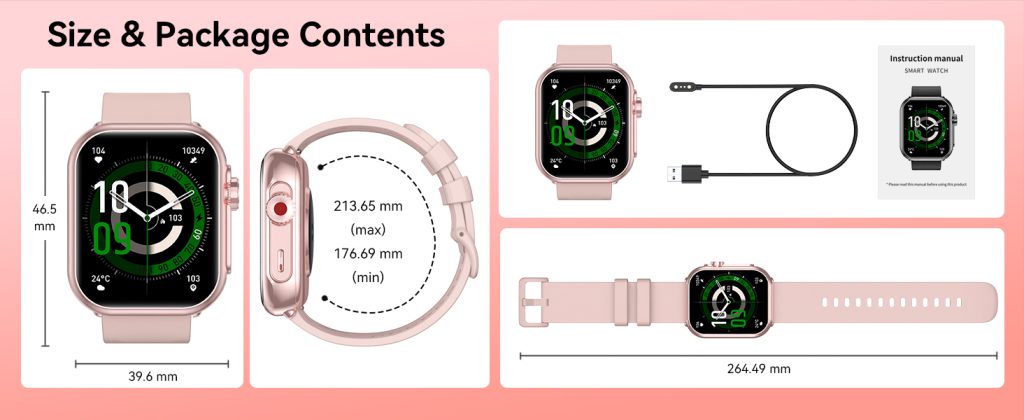
Fit matters as much as function since you’ll wear it daily. Case sizes typically range from 38-42mm for smaller wrists to 45mm+ for larger ones. Smaller cases feel discreet and comfortable for all-day wear, including sleep tracking, while larger models often include bigger displays and longer battery reserves. Consider weight, strap materials (silicone for sports, leather or metal for style), and build quality—premium options use titanium or sapphire glass for durability. Test the watch if possible; an uncomfortable fit leads to abandonment.

Display Quality and Usability

A bright, responsive screen enhances everyday use. Look for AMOLED or OLED panels with always-on capability for quick glances without waking the device. Resolution, peak brightness (for outdoor visibility), and touch responsiveness matter, especially in sunlight. Some models offer rotating bezels or physical buttons for easier navigation during workouts. In 2026, many flagships feature domed glass or scratch-resistant coatings for better protection.

Battery Life and Charging

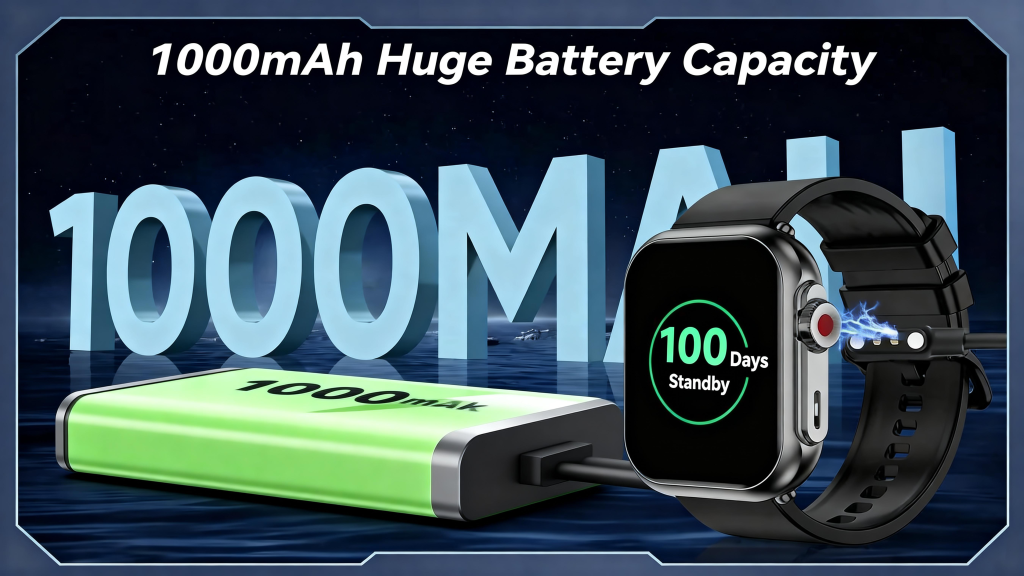
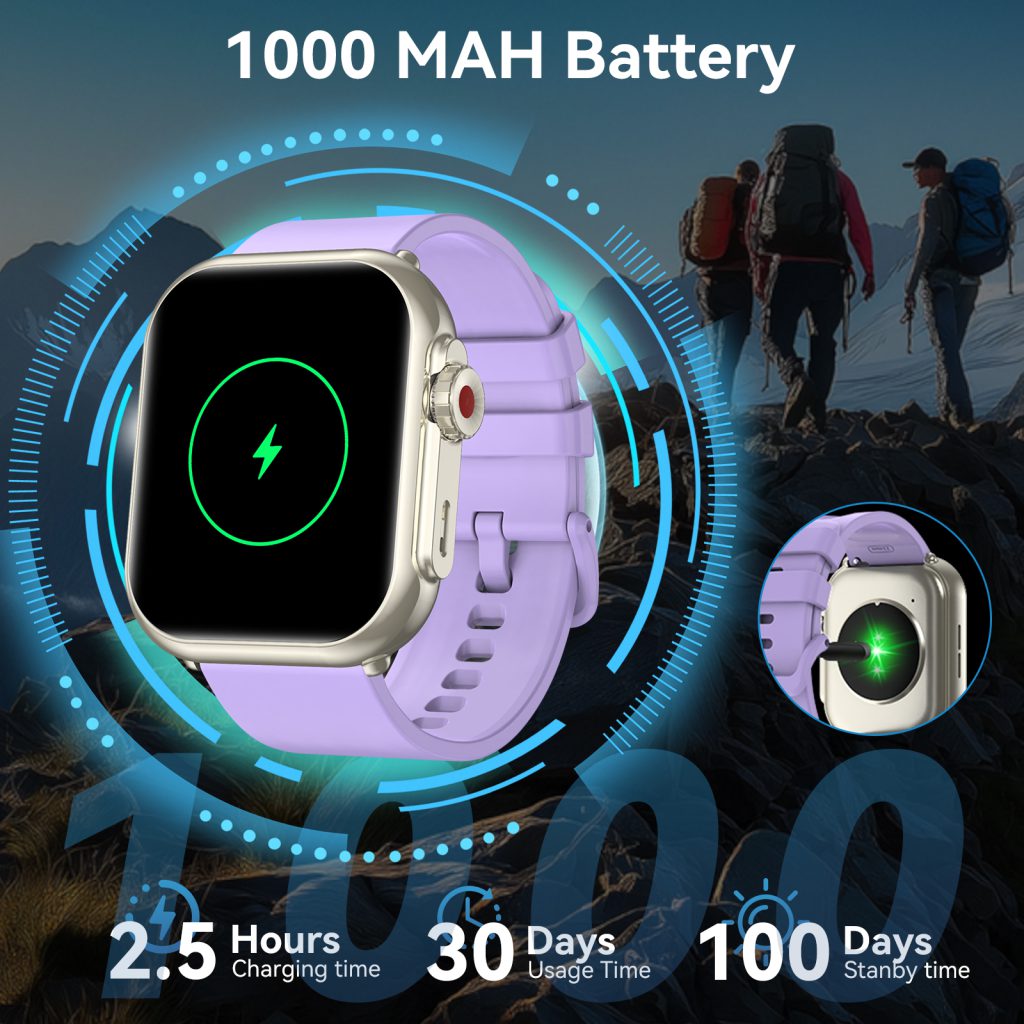
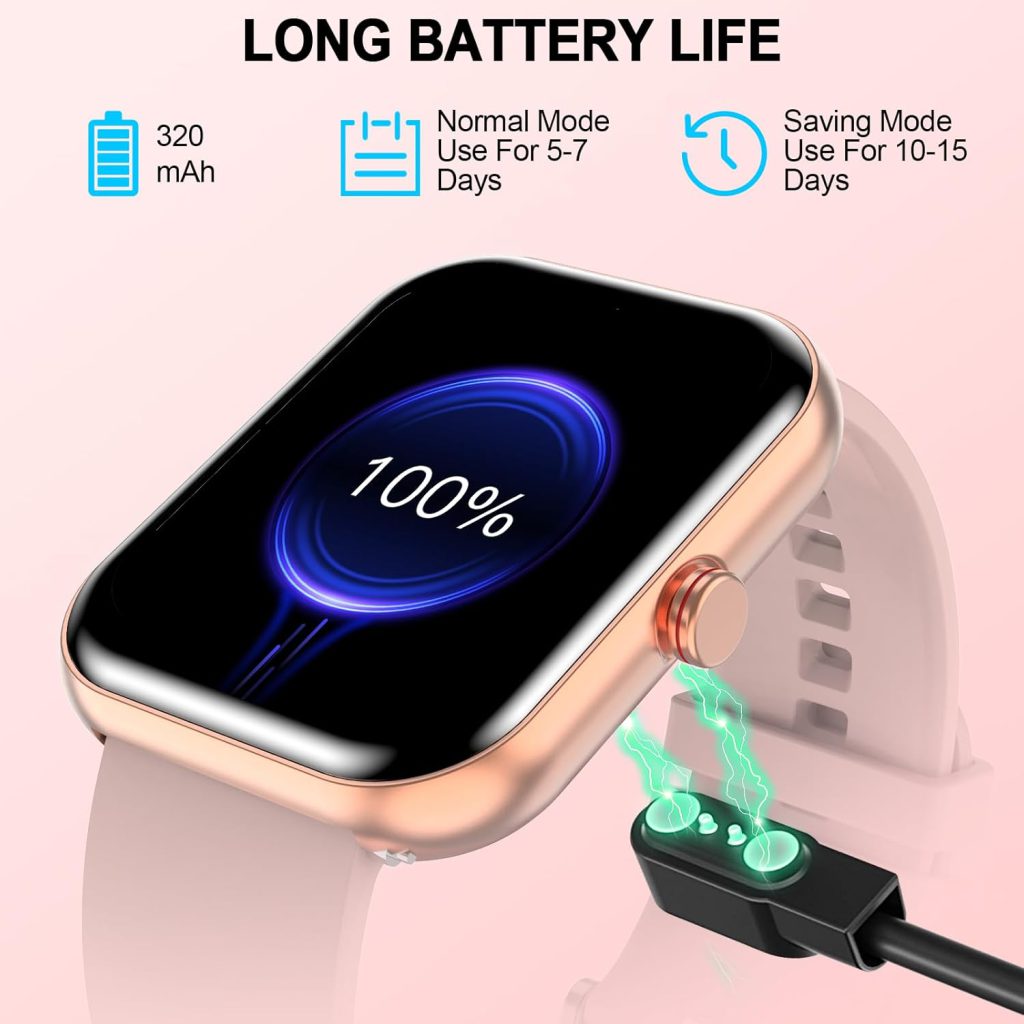
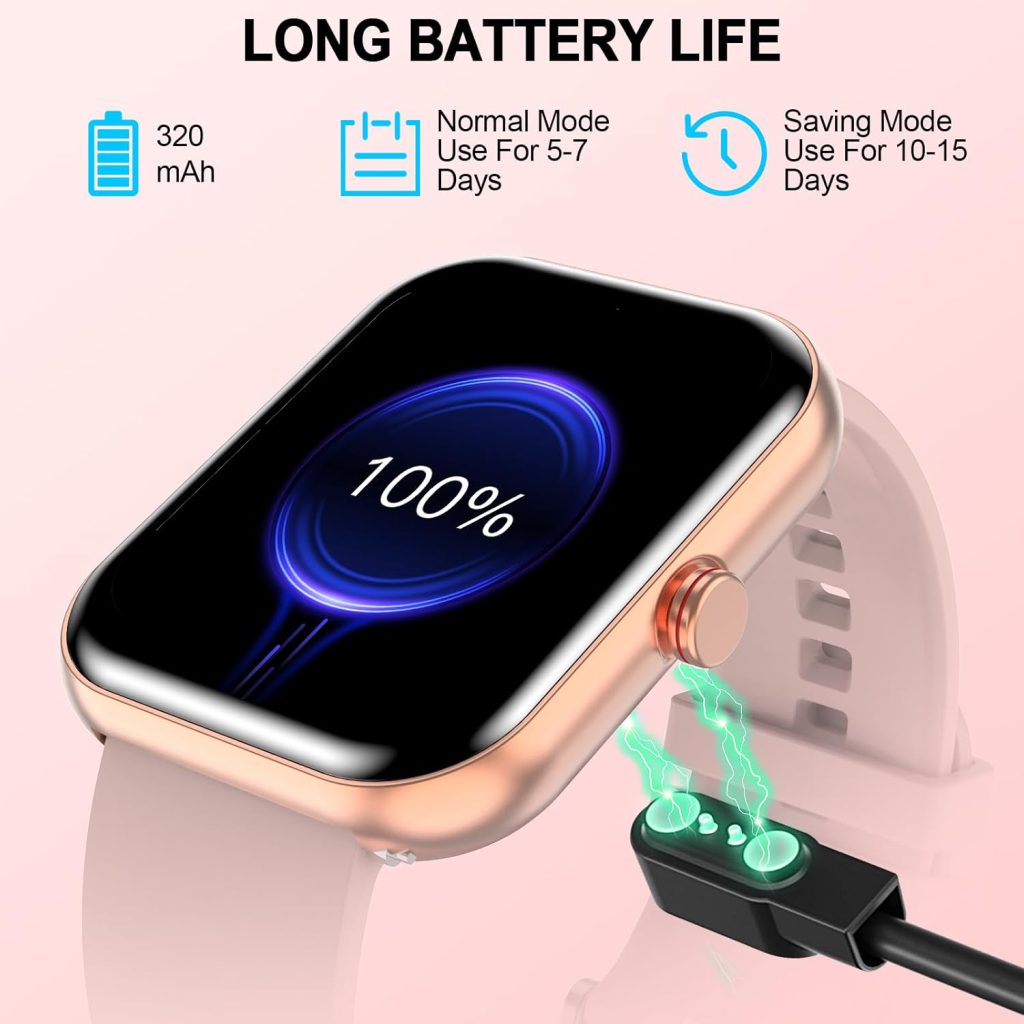
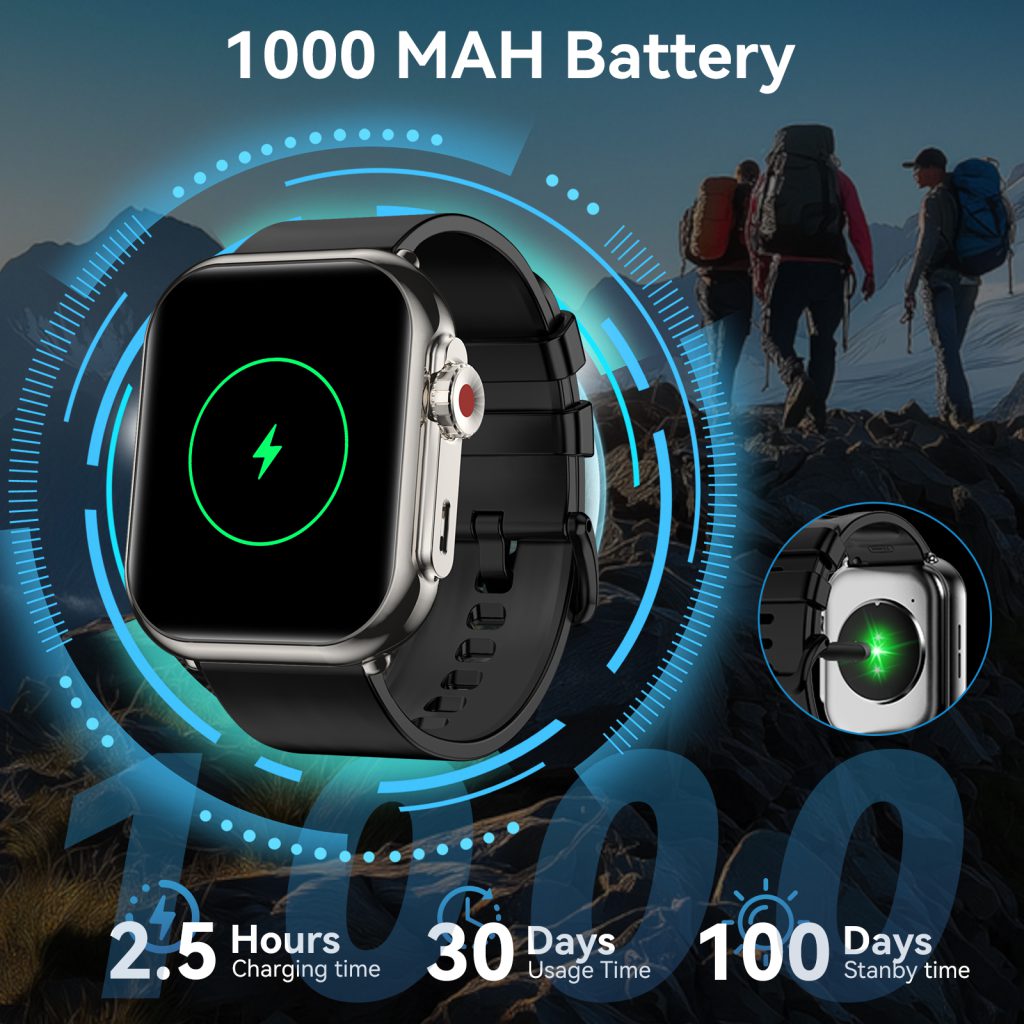
Battery performance varies widely. Full-featured smartwatches often last 24-48 hours with heavy use (GPS, always-on display, heart monitoring), while lighter models stretch to 5+ days. Advanced health sensors and cellular connectivity drain power faster. Evaluate real-world estimates from reviews, not just manufacturer claims. Fast charging has improved—many now reach 80% in under an hour—but multi-day battery remains a priority for users who dislike frequent charging.

Health and Fitness Tracking Features

Modern smartwatches excel at wellness monitoring. Core sensors include continuous heart rate, blood oxygen (SpO2), sleep stages, and stress detection. Advanced models add ECG for atrial fibrillation detection, skin temperature, fall/crash alerts, and even emerging hypertension notifications. For fitness enthusiasts, prioritize accurate GPS, auto workout recognition, VO2 max estimates, and sport-specific modes (running, swimming, cycling). Accuracy improves yearly, but dedicated sports watches like Garmin often outperform general-purpose ones in metrics like GPS precision and recovery insights.

Smart Features and Ecosystem

Beyond basics, consider notifications, music control, contactless payments, voice assistants, and app support. Wear OS and watchOS provide rich app stores, while proprietary systems may limit third-party options. Cellular connectivity allows calls and data without your phone—useful for runners or travelers—but adds cost and reduces battery life. Integration with other devices (earbuds, smart home) strengthens the experience in closed ecosystems like Apple’s.

Durability, Water Resistance, and Build

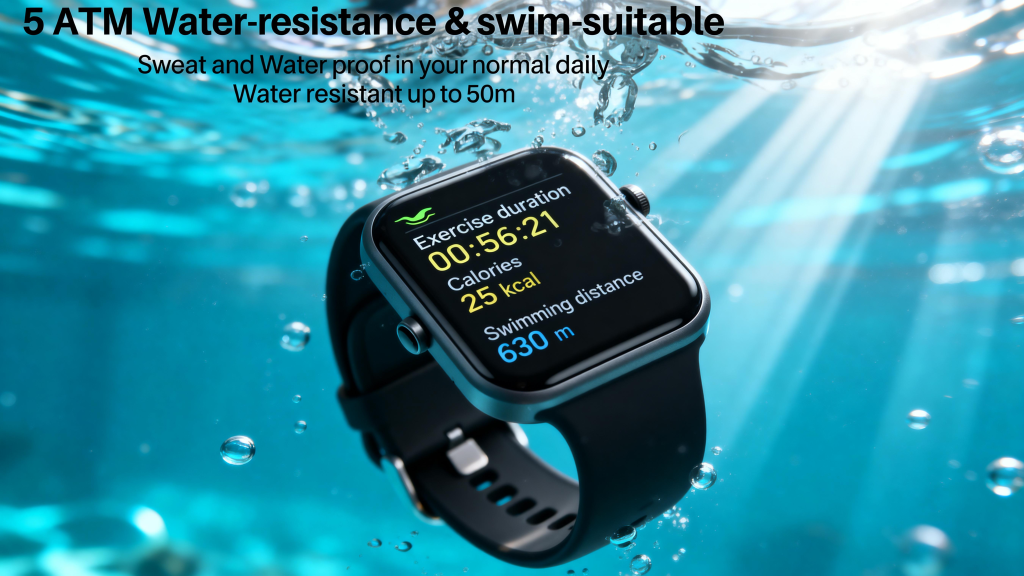
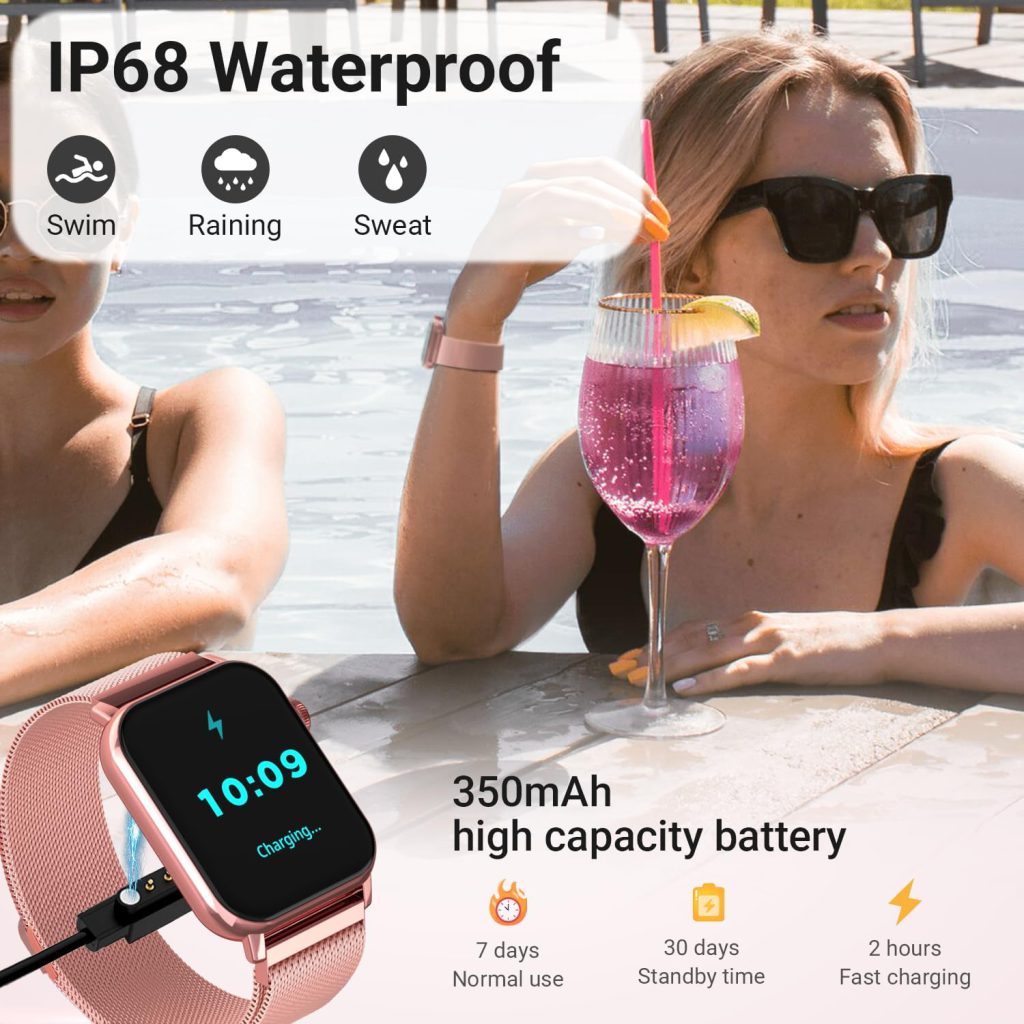
Expect at least 5 ATM (50m) water resistance for swimming and showers. Rugged models (e.g., Ultra variants) handle extreme conditions with MIL-STD ratings. Sapphire crystal or reinforced glass resists scratches better than standard options. If you lead an active lifestyle, prioritize dust-proofing and impact resistance.

Price and Value

Smartwatches range from budget trackers under $200 to premium models exceeding $800. Mid-range options ($300-500) often deliver the best balance of features without unnecessary extras. Factor in long-term software support—major brands provide 4-7 years of updates. Read reviews for real performance, as hype can overshadow practical drawbacks.

By focusing on these factors—compatibility, fit, battery, health tools, and smart capabilities—you can select a smartwatch that enhances daily life rather than complicating it. Prioritize your primary needs (fitness, notifications, style) to avoid overpaying for unused features.

Back to Top
Product has been added to your cart
Compare (0)