Why We Really Buy Smart watches: 7 Hidden Forces Behind Your Wrist
An In-Depth Analysis of the Psychological, Functional, and Economic Factors Shaping the Wearable Market
The global smart watch market stands at a fascinating inflection point. With over 562 million users worldwide and projected revenues exceeding $91 billion by 2035, these wrist-worn devices have evolved from niche gadgets to essential lifestyle companions . Yet beneath these impressive statistics lies a complex web of consumer motivations that determine why individuals choose to invest in smartwatches—or opt to abstain entirely.
Understanding the factors influencing smartwatch purchase decisions has become increasingly critical for manufacturers, retailers, and marketers navigating an increasingly competitive landscape. As the market matures and differentiation challenges intensify, particularly following the 2024 market correction that saw global shipments decline for the first time, decoding consumer psychology offers the key to sustainable growth .
Factor One: Health and Wellness as the Primary Value Proposition
From Fitness Tracking to Preventive Healthcare
The transformation of smartwatches from notification devices to health monitoring platforms represents the most significant shift in consumer value perception since the category’s inception. Today, health and fitness functionality serves as the primary purchase driver for the majority of consumers, fundamentally altering how manufacturers position their products and how retailers communicate benefits.
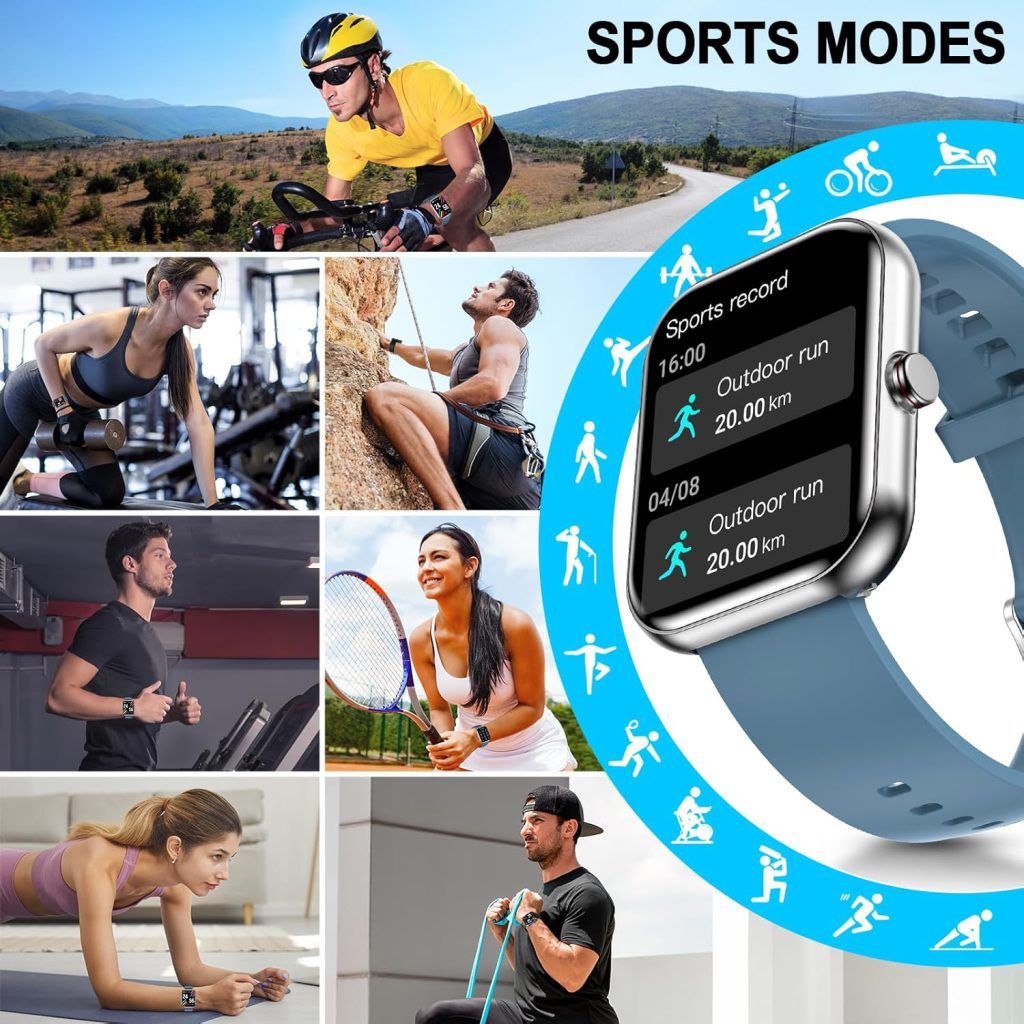
Research consistently demonstrates the centrality of health features in purchase decisions. According to comprehensive market analysis, fitness and wellness applications account for 45.8% of smartwatch usage, making health monitoring the dominant functional category . This dominance reflects a broader societal shift toward proactive health management, accelerated by the COVID-19 pandemic’s lasting impact on wellness consciousness. Consumers no longer view smartwatches as convenient accessories; they perceive them as investments in longevity and quality of life.
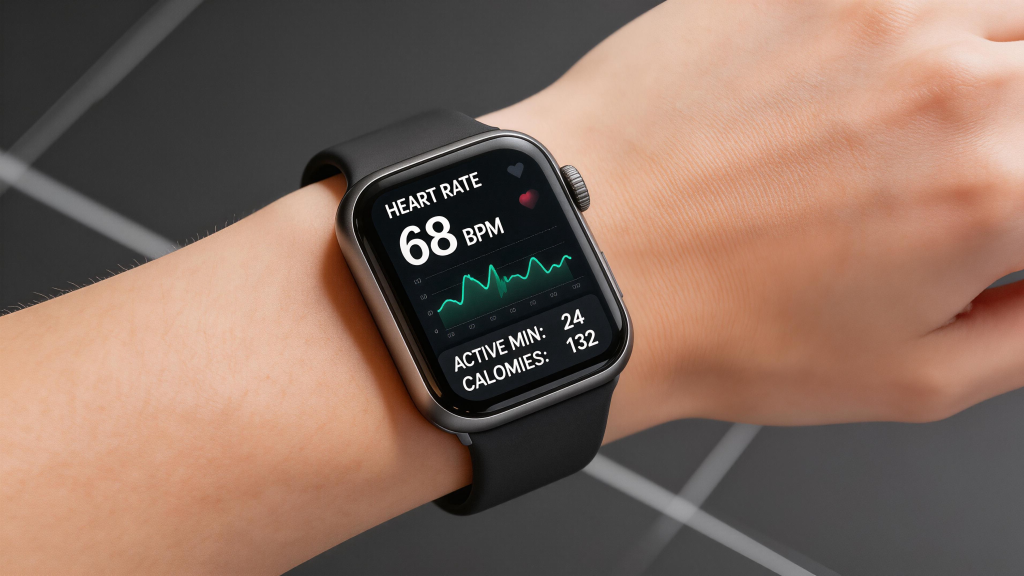
The hierarchy of health features influencing purchase decisions reveals sophisticated consumer priorities. Heart rate monitoring has become table stakes—virtually every consumer expects continuous cardiac tracking as a baseline feature. However, advanced capabilities increasingly differentiate premium offerings and drive upgrade cycles. Electrocardiogram (ECG) functionality, introduced by Apple Watch Series 4 in 2018 and now expanding across competitor lineups, provides medical-grade cardiac monitoring that appeals to aging populations and health-anxious millennials alike. Blood oxygen (SpO2) sensing gained prominence during the pandemic and remains a significant purchase consideration for respiratory health monitoring. Sleep tracking has evolved from simple duration measurement to sophisticated stage analysis, with consumers prioritizing devices that offer actionable insights rather than raw data.
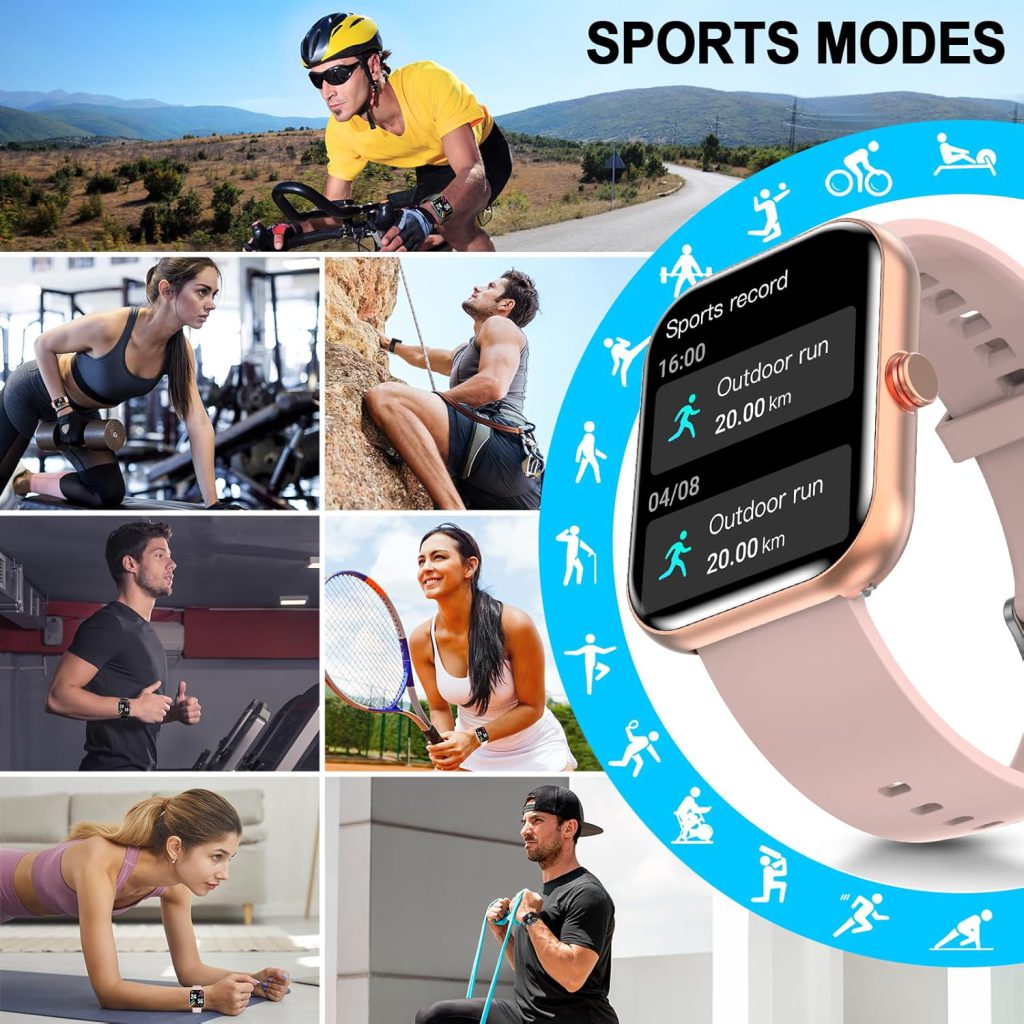
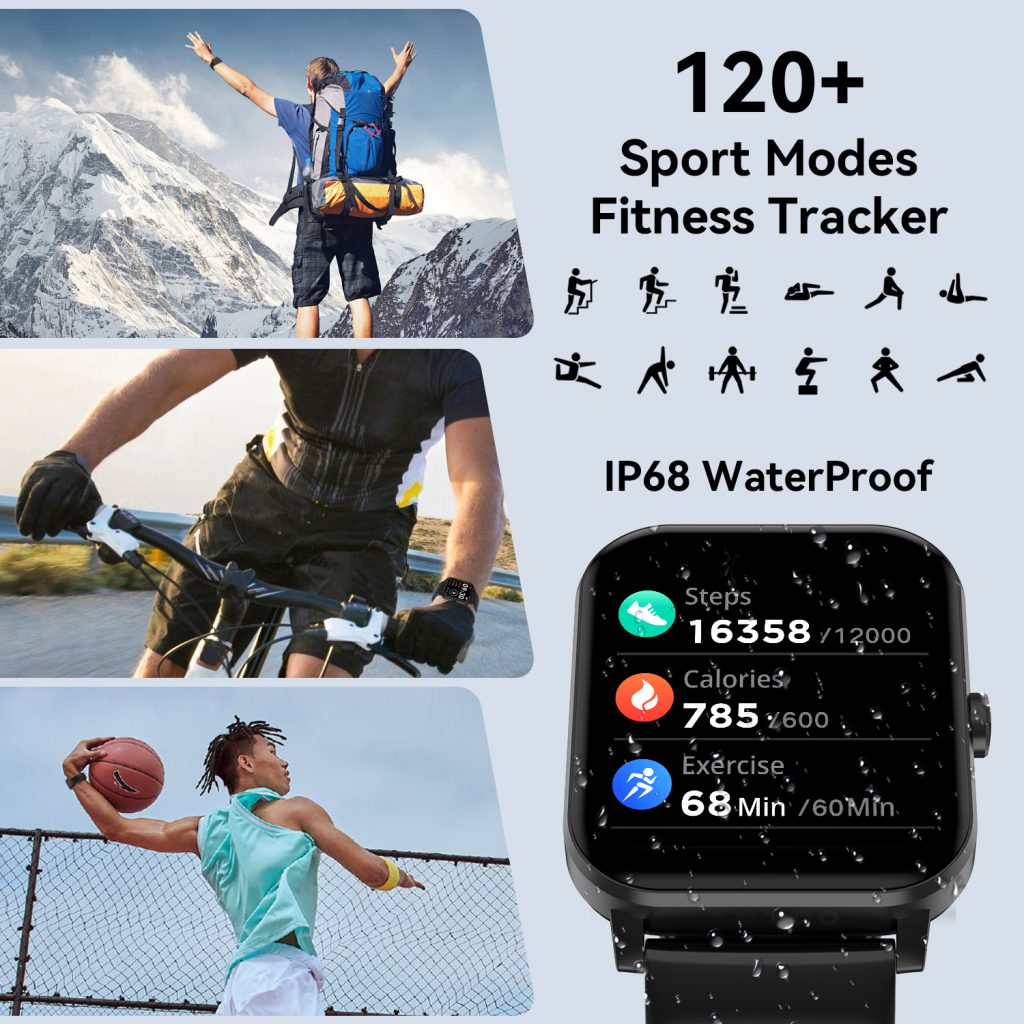
The demographic variation in health feature prioritization offers crucial insights for market segmentation. Younger consumers, particularly those under thirty, emphasize fitness optimization—workout metrics, recovery tracking, and performance analytics that support athletic goals. This segment responds to marketing emphasizing VO2 max estimation, training load balancing, and sport-specific modes. Conversely, consumers over fifty prioritize medical monitoring capabilities: fall detection, irregular heart rhythm notifications, and emergency response features. For this demographic, purchase decisions often involve consultation with healthcare providers and family members, extending the decision-making timeline but increasing commitment once made.
The integration of mental health features represents an emerging purchase driver with significant growth potential. Stress monitoring through heart rate variability analysis, guided breathing exercises, and mindfulness app integration appeals to consumers navigating high-pressure professional environments. As workplace wellness programs increasingly subsidize smartwatch purchases, employers recognize these devices as tools for preventing burnout and maintaining productivity. This B2B2C channel now represents approximately 15% of enterprise smartwatch deployments, with growth projected to accelerate through 2026.
Healthcare partnerships have emerged as a powerful credibility signal influencing purchase confidence. When major insurers offer premium discounts for verified activity tracking, or when medical systems integrate smartwatch data into electronic health records, consumers perceive enhanced legitimacy for the category. The willingness to share health data with providers—reported by 68% of current smartwatch users—indicates trust levels that facilitate purchase decisions . Manufacturers leveraging these partnerships in marketing communications achieve higher conversion rates than those emphasizing technical specifications alone.
However, the health value proposition carries inherent limitations that influence purchase timing and brand selection. Medical-grade features require regulatory clearance (FDA, CE marking, etc.), creating geographic variation in available functionality. Consumers in markets without regulatory approval for advanced health sensors often delay purchases or select brands with clearer medical positioning. Additionally, the accuracy concerns surrounding consumer-grade health monitoring create skepticism among precise quantification seekers, driving some potential buyers toward dedicated medical devices or professional-grade sports watches from Garmin and Polar.
Factor Two: Ecosystem Integration and Brand Loyalty Dynamics
The Lock-In Effect and Switching Costs
Perhaps no factor influences smartwatch purchase decisions more profoundly than ecosystem compatibility. Unlike smartphones, where consumers frequently switch between Android and iOS, smartwatch purchasing exhibits remarkably strong brand loyalty driven by integration dependencies and switching costs. This dynamic has reshaped competitive strategies and market structure, creating distinct advantages for ecosystem leaders while challenging standalone competitors.
The empirical evidence for ecosystem-driven loyalty is striking. According to CCS Insight’s comprehensive 2024 survey, 95% of Apple Watch owners plan to purchase another Apple Watch for their next upgrade, while 85% of Samsung smartwatch users intend to remain within the Samsung ecosystem . These figures substantially exceed loyalty rates for smartphones, laptops, or other consumer electronics categories, indicating that smartwatch purchasing decisions become deeply embedded in broader digital lifestyle commitments.
The mechanism driving this loyalty extends beyond simple brand preference. Smartwatch functionality achieves maximum utility only when paired with compatible smartphones, creating a powerful two-way dependency. iPhone users selecting Android-compatible smartwatches sacrifice seamless notification handling, message replies, and app ecosystem access. Conversely, Android users purchasing Apple Watches face severe functionality limitations, effectively making the Apple Watch an iPhone-exclusive proposition. This exclusivity, while limiting Apple’s addressable market, creates intense loyalty among iOS ecosystem participants who view the Apple Watch as completing their device constellation.
For prospective first-time buyers, existing smartphone ownership serves as the primary filter narrowing consideration sets. Research indicates that 63% of consumers consider ecosystem compatibility the most important feature when evaluating smartwatch brands . This factor frequently overrides other preferences—consumers who admire Fitbit’s health interface or Garmin’s athletic credibility may nevertheless select Apple or Samsung options to maintain ecosystem coherence. The decision-making hierarchy places compatibility above price, design, and even specific feature advantages in most consumer segments.
The ecosystem integration advantage extends beyond smartphone pairing to encompass broader digital infrastructure. Smartwatches increasingly serve as control centers for smart home devices, automotive systems, and workplace applications. Apple Watch integration with HomeKit, CarKey, and Apple Pay creates conveniences difficult to replicate across platform boundaries. Samsung’s Galaxy Watch leverages SmartThings connectivity and Samsung Pay to similar effect. These ecosystem extensions raise switching costs substantially—abandoning a smartwatch brand requires reconfiguring multiple aspects of digital life, not merely learning a new interface.
Brand loyalty patterns reveal significant variation across market segments that inform targeting strategies. Among premium consumers (household income exceeding $100,000), ecosystem integration concerns dominate virtually all other factors. These consumers have invested heavily in ecosystem-specific accessories, services, and learning curves, making brand switching psychologically and economically costly. Mid-market consumers ($50,000-$100,000 income) demonstrate more flexibility, with approximately 30% willing to consider ecosystem transitions if specific feature advantages or pricing incentives prove compelling. Budget-conscious consumers (under $50,000 income) prioritize upfront cost over ecosystem coherence, though they frequently express regret regarding compatibility limitations post-purchase.
The competitive implications of ecosystem loyalty have driven strategic realignments across the industry. Google’s 2021 acquisition of Fitbit and subsequent integration into Wear OS represents an explicit attempt to create Android-compatible ecosystem coherence capable of challenging Apple’s integration advantages. Samsung’s transition from Tizen to Wear OS similarly reflects ecosystem consolidation strategies. Conversely, standalone players like Garmin and Amazfit have deliberately positioned outside ecosystem wars, emphasizing cross-platform compatibility as a distinctive value proposition for consumers resistant to vendor lock-in.
Second-hand market dynamics further reinforce ecosystem loyalty patterns. Apple’s dominance in refurbished device markets—where pre-owned Apple Watches command premium prices and maintain strong residual values—lowers entry barriers for iOS ecosystem expansion . Consumers priced out of new Apple Watches frequently enter the ecosystem through certified refurbished channels, subsequently demonstrating loyalty patterns indistinguishable from new purchasers. Samsung has attempted to replicate this dynamic through trade-in programs and certified pre-owned initiatives, though with less market penetration.
The future trajectory of ecosystem influence depends significantly on regulatory developments. European Union mandates for interoperability and right-to-repair could theoretically reduce ecosystem switching costs, though implementation challenges remain substantial. Should regulatory pressure force greater cross-platform compatibility, brand loyalty might shift toward feature differentiation and service quality rather than integration lock-in. However, current trends suggest ecosystem advantages will intensify as smartwatches assume greater roles in identity verification, financial transactions, and health record management—functions where security and consistency favor closed ecosystems.
Factor Three: Design Aesthetics and Personal Expression
Fashion, Identity, and the Wearable as Accessory
Smartwatch purchasing decisions involve considerations fundamentally distinct from other technology categories due to the device’s visibility and constant bodily presence. Unlike smartphones concealed in pockets or laptops carried in cases, smartwatches remain perpetually exposed, functioning as both technology and jewelry simultaneously. This dual identity makes design aesthetics and personal expression capabilities critical purchase factors that frequently override pure functional evaluation.
The fashion-technology intersection in smartwatches has evolved significantly since Apple’s 2015 strategy of positioning the Watch as a luxury accessory through Edition models and fashion industry partnerships. While the ultra-premium positioning proved unsustainable, the underlying insight—that consumers reject technology that clashes with personal style—remains central to purchase behavior. Contemporary research confirms that design and aesthetics rank among the top three purchase considerations for 67% of consumers, trailing only health features and price .
Consumer evaluation of smartwatch design encompasses multiple dimensions that interact complexly. Form factor preferences vary substantially across demographic segments: younger consumers increasingly favor square-faced designs associated with digital-native aesthetics, while older demographics often prefer round faces that evoke traditional watch heritage. Case size presents another critical variable, with gendered preferences particularly pronounced—female consumers frequently cite available size options as decisive factors, with many rejecting brands lacking appropriately proportioned alternatives to oversized sport models. Thickness and weight influence comfort perceptions during extended wear and sleep tracking, driving preference for slim profiles despite battery life trade-offs.
Material quality and finish significantly impact perceived value and purchase willingness. Aluminum cases dominate volume sales due to weight advantages and cost efficiency, but stainless steel and titanium options attract consumers seeking durability and premium feel. The tactile experience of digital crowns, button placement, and haptic feedback quality create subtle but meaningful differentiation in consumer preference formation. These material and craftsmanship considerations explain why consumers frequently express willingness to pay substantial premiums for identical functionality in superior materials—behavior rarely observed in less visible technology categories.
The personalization potential through interchangeable bands represents a distinctive smartwatch advantage that influences purchase decisions across price segments. Unlike traditional watches, where band replacement requires technical skill or professional service, smartwatch bands enable effortless transformation to match occasions, outfits, or moods. This customization capability appeals particularly to fashion-conscious consumers who view the smartwatch as a versatile accessory rather than fixed statement piece. The aftermarket band ecosystem—encompassing premium leather, sport silicone, metal links, and designer collaborations—extends personalization possibilities while creating ongoing revenue streams for manufacturers and accessory partners.
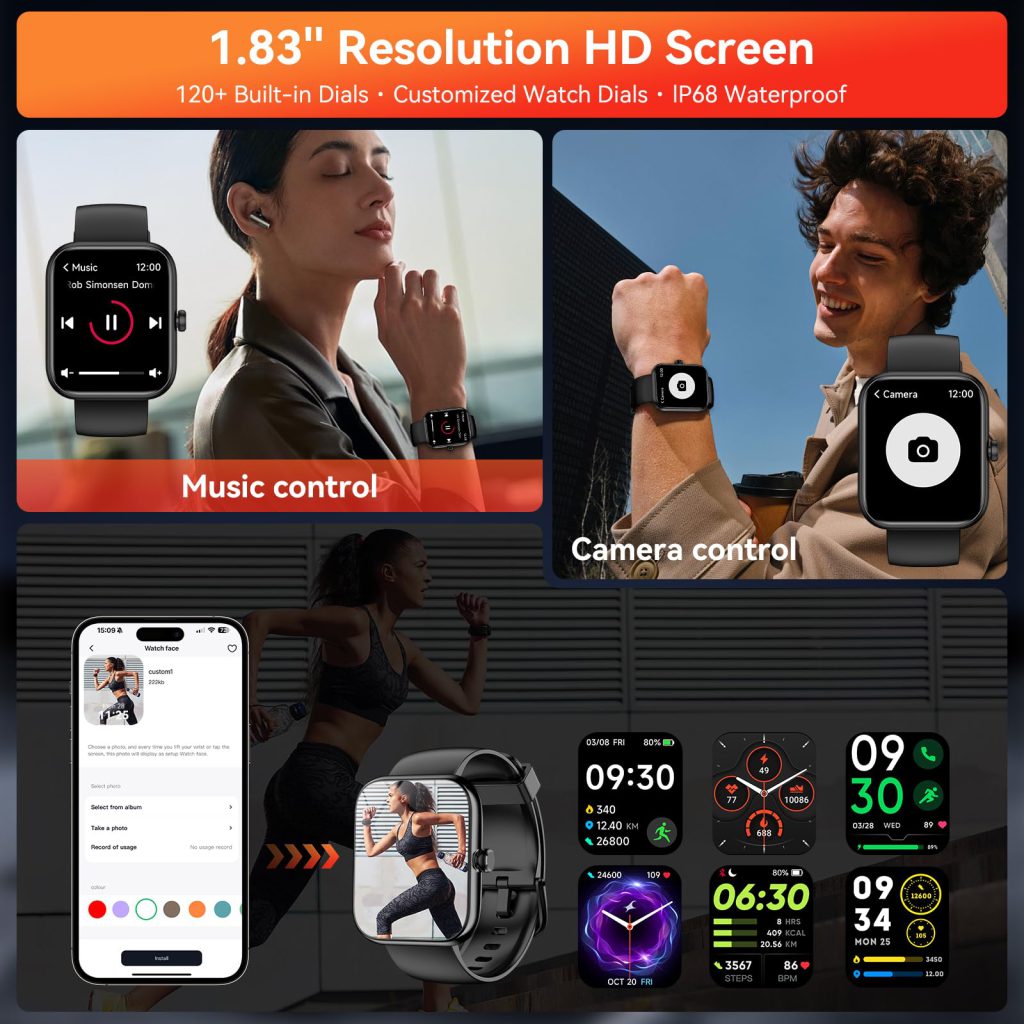
Color and finish options have expanded dramatically as manufacturers recognize their purchase influence. Apple’s annual introduction of new case colors (Midnight, Starlight, Product Red variants) generates significant upgrade demand among consumers seeking visual differentiation. Samsung’s Galaxy Watch series offers extensive customization through the Galaxy Watch Studio, allowing consumers to design bespoke watch faces that reflect personal aesthetics. These personalization capabilities transform purchase decisions from binary buy/reject choices into creative self-expression opportunities, increasing emotional investment and satisfaction.
The fashion industry integration with smartwatch technology has created new purchase channels and decision influencers. Luxury brands including TAG Heuer, Louis Vuitton, and Montblanc have introduced smartwatch offerings that compete on design prestige rather than technical specifications, attracting consumers who would reject mainstream technology brands. Fashion retailer partnerships—such as Apple Watch availability through Nordstrom and boutique jewelers—position smartwatches within style-conscious purchasing contexts rather than electronics stores. These channel strategies recognize that many consumers make smartwatch decisions while shopping for accessories rather than technology, requiring entirely different merchandising and sales approaches.
Cultural and regional variation in design preference significantly impacts global market dynamics. Asian markets, particularly China and South Korea, demonstrate strong preference for sleek, minimalist aesthetics with premium material finishes. European consumers often favor traditional watch design cues including mechanical hands and classic case proportions, driving demand for hybrid smartwatches. North American markets show greater acceptance of overtly technological appearances, with sport-focused designs achieving mainstream acceptance beyond athletic subcultures. These regional preferences necessitate differentiated design strategies, with global platforms like Wear OS enabling regional manufacturers to address specific aesthetic preferences while maintaining application compatibility.
The durability and longevity implications of design choices influence purchase confidence and brand perception. Sapphire crystal displays command preference among consumers prioritizing scratch resistance, despite cost premiums. Water resistance ratings have become standard expectations, with 5ATM certification now considered minimum viable for mainstream appeal. These durability considerations particularly influence gift purchase decisions, where givers seek assurance that presents will withstand recipient usage patterns without rapid degradation.
Sustainability concerns have increasingly entered design-related purchase considerations, particularly among younger demographics. Recycled aluminum cases, ocean-plastic bands, and carbon-neutral manufacturing claims influence preference formation for environmentally conscious consumers. The durability paradox—where longer-lasting designs reduce replacement frequency but may limit upgrade revenue—requires careful navigation as sustainability messaging becomes more prominent in purchase environments.
Factor Four: Price-Value Equilibrium and Market Segmentation
Navigating the $50 to $1,500+ Decision Spectrum
Price sensitivity in smartwatch purchasing operates within a uniquely complex context where objective value assessment proves extraordinarily difficult. Unlike categories with standardized performance metrics, smartwatch value encompasses health accuracy, ecosystem integration, design quality, and service longevity dimensions that resist simple cost comparison. This complexity creates distinct market segments with radically different price-value expectations and purchasing behaviors.
The global smartwatch market exhibits extreme price stratification, with viable options spanning from sub-$50 basic fitness bands to $1,500+ luxury smartwatches. This range vastly exceeds smartphone price variation, creating multiple distinct market tiers that demand differentiated positioning strategies. Understanding how consumers navigate these tiers reveals the sophisticated mental accounting that determines purchase feasibility and satisfaction.
Entry-level segment consumers (under $100 price point) prioritize functional basics over premium features or ecosystem integration. This segment, representing approximately 35% of global volume but only 15% of revenue, consists predominantly of first-time smartwatch adopters, price-sensitive emerging market consumers, and parents purchasing children’s devices. Purchase decisions in this segment emphasize visible value metrics: step counting accuracy, notification reliability, and battery duration. Brand recognition plays reduced roles compared to specification transparency, with consumers frequently conducting extensive feature comparisons before selecting budget options from Xiaomi, Amazfit, or regional manufacturers.
However, the entry-level segment faces significant headwinds that have reshaped market dynamics. The sub-$100 category experienced 17% year-over-year decline in 2024, indicating consumer migration toward higher-value offerings . This shift reflects recognition that ultra-budget devices often deliver compromised experiences—inaccurate sensors, limited durability, and minimal software support—that undermine smartwatch value propositions. Manufacturers responding to this trend have elevated baseline quality while maintaining accessible pricing, blurring traditional segment boundaries.
The mid-market segment ($100-$300) has emerged as the primary growth battleground, capturing expanding consumer segments seeking balanced value. This tier saw 21% year-over-year growth in 2024, demonstrating robust demand for enhanced accuracy, comprehensive health features, and reliable ecosystem support without premium pricing . Consumers in this segment typically conduct extensive pre-purchase research, comparing reviews and specification sheets across multiple brands. The decision calculus weighs feature comprehensiveness against brand reliability, with many consumers accepting ecosystem limitations (choosing Wear OS devices over Apple Watch, for instance) to access desired functionality at lower price points.
Mid-market purchasing behavior reveals particular sensitivity to promotional timing and financing options. Holiday discount periods drive disproportionate purchase concentration, with many consumers delaying intended purchases to capture Black Friday or seasonal sale pricing. Installment payment plans, increasingly offered through carrier partnerships and retail financing, expand accessibility by transforming upfront costs into manageable monthly obligations. These financing mechanisms prove particularly influential for consumers crossing over from basic fitness bands to full smartwatch functionality, easing the psychological burden of substantial price increases.
Premium segment consumers ($300-$600) demonstrate markedly different decision patterns emphasizing quality assurance and service integration over pure feature maximization. This segment, while representing only 20% of volume, contributes 45% of industry revenue and drives profit margins for ecosystem leaders. Purchase decisions frequently follow ecosystem commitment rather than feature comparison—iPhone users selecting Apple Watch Series models, Samsung Galaxy users choosing Galaxy Watch Pro variants. The price premium is justified through integration seamlessness, material quality, and confidence in long-term software support rather than specification advantages over mid-market alternatives.
The ultra-premium segment ($600+) serves distinct consumer motivations that transcend functional evaluation. Luxury smartwatch purchasers—including Apple Watch Edition, TAG Heuer Connected, and Hublot digital offerings—seek status signaling and craftsmanship appreciation unavailable in mass-market products. This segment demonstrates remarkable price insensitivity regarding functional specifications, with purchase decisions driven by exclusivity, material preciousness, and brand heritage. The small but profitable nature of this segment has encouraged traditional luxury watch manufacturers to maintain smartwatch offerings despite limited volume, preserving brand relevance in digitally transforming markets.
Regional price sensitivity variation significantly impacts global strategy. North American and Western European consumers demonstrate relatively high price elasticity, with willingness-to-pay strongly correlated to perceived health benefit magnitude. Asian markets, particularly China and India, exhibit extreme price consciousness in mass-market segments while maintaining robust ultra-premium demand—market bifurcation that challenges unified global pricing strategies. Emerging market consumers frequently prioritize total cost of ownership over upfront price, favoring devices with durable batteries (reducing electricity costs) and robust construction (minimizing replacement frequency).
The second-hand and refurbished market has emerged as a critical price-value channel, particularly for ecosystem expansion. Approximately 52% of potential smartwatch buyers now consider pre-owned devices, driven by cost concerns and recognition that recent generation devices offer marginal functional improvements . Apple’s dominance in certified refurbished markets creates entry pathways for price-sensitive consumers to join the iOS ecosystem, subsequently demonstrating upgrade loyalty patterns indistinguishable from new purchasers. This dynamic has pressured competitors to develop comparable trade-in and refurbishment programs, though execution quality varies substantially.
Value perception extends beyond hardware to encompass service and support expectations. Consumers in all price segments increasingly factor software update longevity into purchase decisions, recognizing that discontinued support transforms functional devices into obsolete technology. Apple’s industry-leading five-year support commitment for Apple Watch models creates significant value differentiation against competitors offering shorter support windows. This service dimension proves particularly influential for mid-market consumers calculating total cost of ownership across extended usage periods.
Factor Five: Technological Performance and Reliability Expectations
Battery Life, Accuracy, and the Trust Imperative
Beneath aesthetic and ecosystem considerations, smartwatch purchasing decisions ultimately depend on confidence in core technological performance. Consumers invest in these devices with specific functional expectations—accurate health monitoring, reliable notification delivery, acceptable battery duration, and durable construction—that, if unmet, generate dissatisfaction disproportionate to the device’s cost. Understanding these performance expectations reveals the technical foundations of purchase confidence.
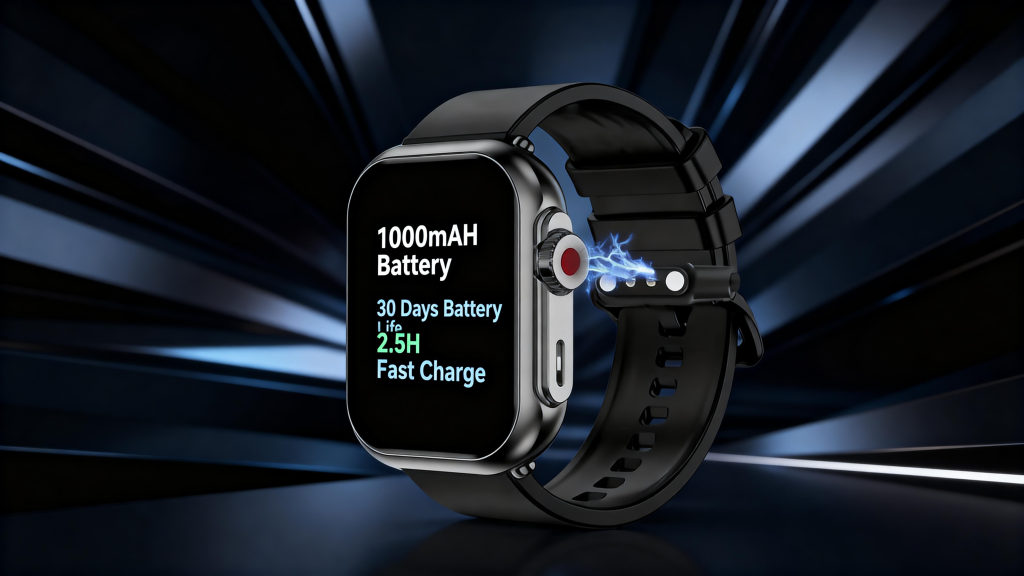
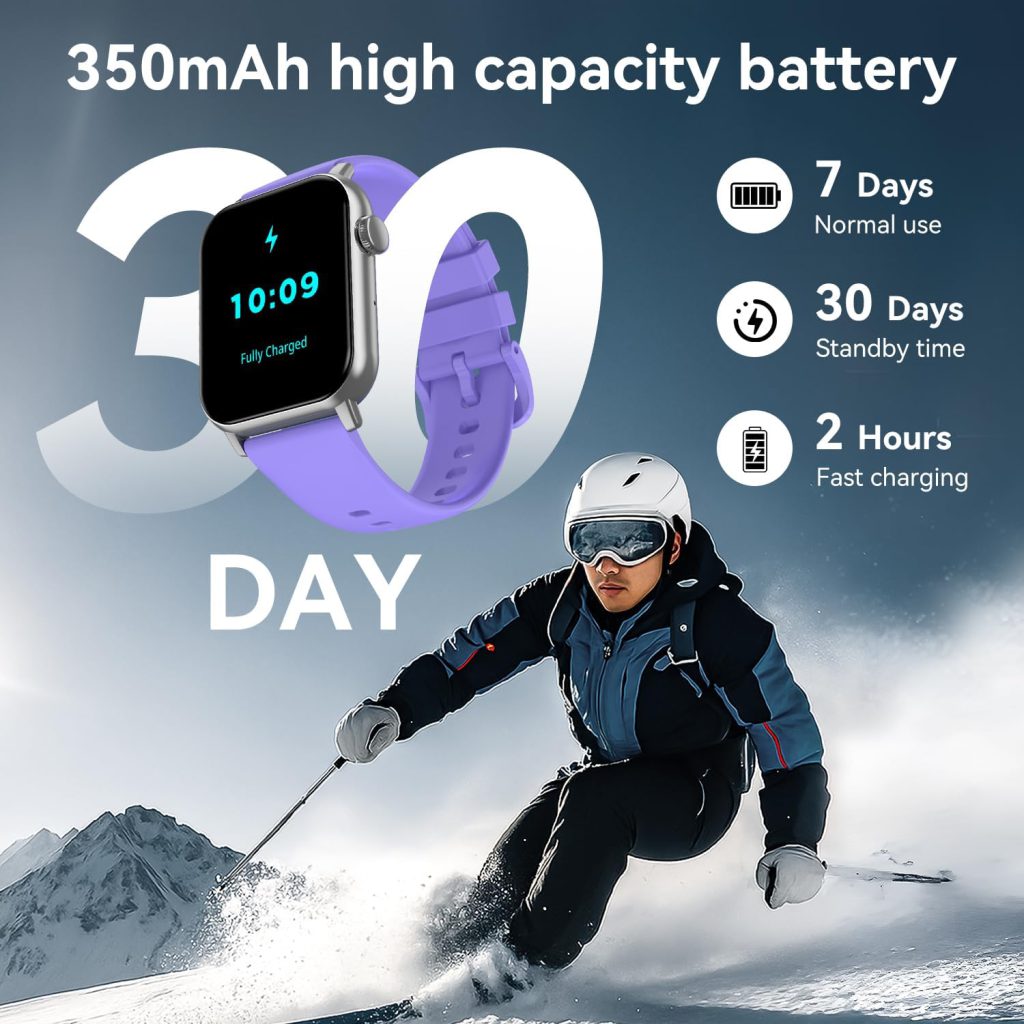
Battery life represents the most frequently cited technical limitation influencing smartwatch purchase hesitation. Despite incremental improvements, most full-featured smartwatches require daily charging when utilizing always-on displays, continuous health monitoring, and notification connectivity . This charging frequency creates practical inconveniences that undermine value realization—sleep tracking requires either uncomfortable overnight wear or acceptance of data gaps, while travel necessitates charger transport that reduces convenience advantages over smartphones.
Consumer battery life expectations vary significantly by usage scenario and demographic segment. Fitness-focused users prioritize multi-day endurance for training camps and outdoor activities, driving preference for Garmin, Amazfit, and Coros models achieving week-long battery life through efficient operating systems and larger cells. Casual users more readily accept daily charging in exchange for comprehensive feature access, though they expect reliable full-day endurance without mid-day anxiety. The divergence between these expectations has fragmented the market, with no single device successfully addressing both high-functionality and extended endurance demands simultaneously.
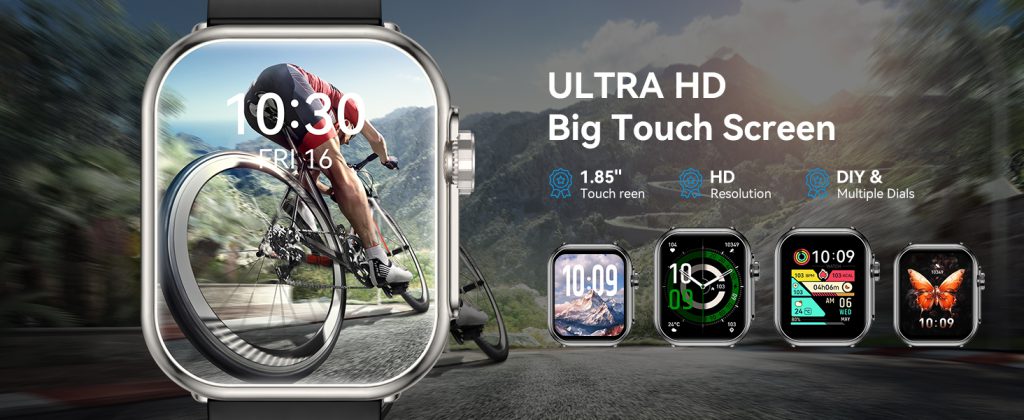
Display technology has emerged as a critical performance dimension influencing purchase preference. AMOLED displays now command 57.7% revenue share, reflecting consumer preference for high contrast, vibrant colors, and power efficiency advantages over LCD alternatives . Always-on display capability, once a premium feature, has become standard expectation for mainstream smartwatches, with consumers rejecting devices requiring wrist gestures for time visibility. Display brightness and outdoor readability significantly impact satisfaction for athletic users, while touch responsiveness and interface smoothness influence perception of overall device quality.
Sensor accuracy represents perhaps the most technically consequential yet poorly understood purchase factor. Consumers lack technical expertise to evaluate heart rate monitor precision, GPS tracking accuracy, or SpO2 measurement reliability, yet these metrics determine whether health features deliver promised value. Purchase decisions frequently rely on proxy indicators—brand reputation in athletic communities, medical certifications (FDA clearance for ECG functions), and comparative review assessments—to infer accuracy capabilities. This information asymmetry creates vulnerability to marketing claims that may not reflect real-world performance, potentially generating post-purchase disappointment that undermines category satisfaction.
Connectivity reliability encompasses Bluetooth stability, cellular performance for standalone models, and WiFi synchronization efficiency. Consumers expect seamless smartphone pairing without frequent reconnection procedures, consistent notification delivery without delays or omissions, and accurate activity synchronization with health platforms. Performance failures in these baseline functions generate disproportionate dissatisfaction due to their fundamental nature—consumers accept complexity in advanced features but demand perfection in basic connectivity. The 65.5% market share held by Bluetooth-only models reflects consumer prioritization of connection stability over cellular independence for many use cases .
Durability expectations have intensified as smartwatch price points increase and usage scenarios expand. Water resistance ratings below 5ATM now disqualify devices from mainstream consideration, while consumers increasingly expect dust resistance and impact durability for active lifestyle compatibility. Sapphire crystal displays command preference among consumers prioritizing scratch resistance, despite substantial cost premiums over glass alternatives. These durability considerations particularly influence gift purchase decisions and parent purchases for children, where longevity expectations exceed typical consumer electronics lifecycles.
Software performance and interface responsiveness significantly impact satisfaction and repurchase likelihood. Consumers expect immediate app launch, smooth animation, and intuitive navigation without learning curve frustration. Lag, stuttering, or interface complexity generate negative perceptions that overshadow hardware quality. The performance optimization advantage held by vertically integrated manufacturers (Apple’s control over hardware-software integration, Samsung’s optimization for Exynos processors) creates experience differentiation that influences ecosystem loyalty formation.
The trust imperative underlying technical performance expectations cannot be overstated. Smartwatch purchasing involves entrusting personal health data, financial information (through payment systems), and safety functions (fall detection, emergency calling) to device reliability. Performance failures carry consequences far exceeding mere inconvenience—missed health alerts, payment system failures, or emergency function malfunctions potentially endanger users. This trust dependency makes technical reliability a threshold requirement for purchase consideration; brands with reputations for quality assurance gain substantial preference advantages even at price premiums.
Factor Six: Social Influence and Psychological Drivers
FOMO, Status Signaling, and Community Belonging
Beyond rational evaluation of features and value, smartwatch purchasing decisions are profoundly shaped by social dynamics and psychological imperatives that operate below conscious awareness. Understanding these influences reveals why consumers frequently make decisions inconsistent with objective utility maximization, and why marketing strategies emphasizing social proof often outperform specification-focused communications.
The Fear of Missing Out (FOMO) has emerged as a documented driver of smartwatch purchase intentions, particularly among younger demographics. Academic research confirms that FOMO serves as a significant moderator in the relationship between consumer attitude and purchase intention, with individuals experiencing higher FOMO demonstrating stronger propensity to purchase when exposed to smartwatch marketing . This psychological mechanism operates through perceived social necessity—consumers fear that abstaining from smartwatch ownership excludes them from social connectivity, health optimization, or technological participation enjoyed by peers.
The hedonic value dimension—emotional gratification rather than functional utility—proves more significant than utilitarian value for young consumers evaluating smartwatches . This finding challenges traditional marketing approaches emphasizing feature checklists and practical benefits. Instead, successful campaigns targeting younger demographics emphasize lifestyle aspiration, social connectivity enhancement, and self-improvement narratives that resonate with identity formation needs. The smartwatch becomes not merely a tool but a symbol of personal optimization and social engagement.
Social proof mechanisms operate powerfully in smartwatch adoption. Consumer research indicates that observation of peer usage significantly influences purchase consideration, with smartwatch visibility creating continuous exposure opportunities that accelerate category penetration. Unlike smartphones, which remain concealed during use, smartwatches maintain constant visibility, functioning as unconscious advertisements that normalize ownership and stimulate desire. This visibility dynamic explains why early adoption concentrated in professional and athletic communities where observation opportunities were frequent—corporate environments, fitness centers, and educational institutions served as diffusion accelerators.
Community belonging represents a distinctive purchase driver in the athletic smartwatch segment. Brands like Garmin, Polar, and Suunto have cultivated dedicated user communities through challenges, leaderboards, and group training features that create social reinforcement for device selection. The purchase decision extends beyond individual utility to encompass group membership and social recognition within athletic tribes. Consumers select devices that enable community participation rather than purely optimizing individual feature preferences, creating brand stickiness that transcends objective performance comparisons.
Status signaling functions differently across smartwatch price segments. Ultra-premium luxury smartwatches (TAG Heuer, Hublot, Louis Vuitton) serve traditional conspicuous consumption motivations, displaying wealth and taste through recognizable luxury branding. Mainstream premium devices (Apple Watch, Galaxy Watch Pro) signal technological sophistication and health consciousness—values increasingly associated with professional success and personal discipline. Budget device selection carries different social implications, with some consumers avoiding visible budget branding that might signal economic constraint, while others embrace accessibility as anti-elitist statement.
Influencer and celebrity endorsement effects operate through aspiration identification rather than explicit feature persuasion. When athletes, executives, or entertainers display specific smartwatch models, consumers perceive lifestyle association opportunities rather than technical information. The credibility of these endorsements depends on perceived authenticity—fitness influencers promoting Garmin devices carry greater persuasive weight than generic celebrity Apple Watch appearances because the association aligns with demonstrated expertise.
The social comparison dynamics enabled by smartwatch features create both purchase motivation and potential anxiety. Activity sharing, competition leaderboards, and health metric comparison tools facilitate social evaluation that drives engagement but may also generate inadequacy feelings among less active users. Marketing strategies emphasizing inclusive community building rather than competitive hierarchy prove more effective for broad demographic expansion, while competitive features retain appeal for achievement-oriented segments.
Gift purchase dynamics introduce additional social influence factors. Smartwatch gifting frequently occurs in familial contexts—parents providing children with location-tracking devices, adult children providing elderly parents with health monitoring watches, spouses encouraging fitness goals through device presents. These purchases involve dual consideration: recipient utility and giver reassurance. Safety features (location tracking for children, fall detection for elderly) prove particularly influential in gift contexts, justifying premium pricing through anxiety reduction benefits for givers.
The normalization of smartwatch ownership in specific professional contexts creates implicit social pressure for category adoption. Healthcare workers, corporate professionals, and technology industry employees increasingly encounter smartwatch ubiquity that makes abstention conspicuous. This professional environment influence accelerates purchase decisions among individuals who might otherwise delay adoption, transforming smartwatches from discretionary purchases to professional wardrobe expectations.
Factor Seven: Privacy Concerns and Data Utility Negotiation
The Trust Calculus of Personal Health Monitoring
The final factor influencing smartwatch purchase decisions involves the complex negotiation between privacy concerns and perceived data utility benefits. As these devices collect increasingly intimate biometric information—heart rhythms, sleep patterns, location histories, and potentially glucose levels—consumers must evaluate whether health insights justify surveillance risks. This evaluation has become more consequential as regulatory scrutiny intensifies and data breach awareness grows.
Research reveals surprising resilience of purchase intention against privacy concerns in the smartwatch context. Unlike other surveillance technologies where privacy fears suppress adoption, smartwatch purchase decisions demonstrate minimal negative correlation with stated privacy anxiety . This counterintuitive finding suggests that health benefit perceptions overwhelm privacy concerns, or that consumers perceive health data sharing as qualitatively different from other surveillance forms—voluntary, beneficial, and controlled by user agency.
The data utility perception—that collected information generates actionable health insights—serves as the primary privacy concern mitigation mechanism. Consumers who believe that smartwatch data meaningfully improves their health management demonstrate substantially higher tolerance for data collection than those skeptical of utility claims. This dynamic creates marketing imperatives for concrete benefit demonstration rather than abstract privacy reassurance. Brands emphasizing specific health outcomes (improved sleep quality, detected cardiac irregularities, optimized training) achieve higher conversion than those emphasizing data security without utility context.
Transparency in data handling practices influences purchase confidence, particularly among educated consumers. Clear communication regarding data encryption, local processing versus cloud transmission, third-party sharing policies, and deletion capabilities enables informed consent that reduces purchase hesitation. Conversely, opaque privacy policies or evidence of unauthorized data monetization generates backlash disproportionate to technical violation severity, as health information sensitivity exceeds general digital privacy concerns.
The regulatory environment significantly impacts privacy-related purchase factors across geographic markets. European consumers, operating under GDPR protections, demonstrate higher baseline trust in corporate data handling that facilitates purchase decisions. Conversely, markets lacking comprehensive privacy frameworks show greater consumer skepticism requiring brand-specific trust building. Chinese consumers exhibit distinct patterns, with government surveillance acceptance potentially reducing private sector data collection concerns while increasing sensitivity regarding foreign data transmission.
Healthcare integration creates particular privacy complexity that influences purchase timing and brand selection. Consumers willing to share data with personal physicians may resist insurer access or employer wellness program integration. The granularity of consent—enabling some data flows while blocking others—emerges as a purchase consideration as consumers seek control over information dissemination. Brands offering sophisticated privacy controls that enable selective sharing gain preference among privacy-sensitive demographics despite potential feature limitations.
Generational variation in privacy-utility trade-off calculus reflects divergent socialization experiences. Digital native consumers (under thirty) demonstrate greater comfort with continuous data collection, having matured in environments where surveillance normalization proceeded gradually. Older consumers, particularly those over sixty, exhibit heightened sensitivity regarding health data exposure despite strong health monitoring demand. This demographic variation necessitates differentiated privacy communication strategies, with older segments requiring explicit security assurance and younger segments accepting utility-focused messaging.
The future trajectory of privacy factors depends substantially on data breach history and regulatory evolution. High-profile health data exposures could rapidly transform current privacy tolerance into adoption suppression, particularly if breaches reveal sensitive medical conditions or enable discrimination. Conversely, regulatory frameworks establishing clear data property rights and usage limitations might reduce privacy anxiety, enabling accelerated adoption among currently hesitant consumers. Manufacturers investing in privacy-preserving technologies—on-device processing, differential privacy techniques, and user-controlled encryption—position advantageously for potential regulatory tightening or consumer sentiment shifts.
Synthesis: The Integrated Purchase Decision Model
How Seven Factors Converge in Consumer Choice
Understanding smartwatch purchase decisions requires recognizing that these seven factors operate not in isolation but as interacting elements within complex decision architectures. Consumers rarely evaluate single factors sequentially; instead, they engage in holistic assessment where factor priorities shift based on demographic context, usage scenario, and market environment.
The dominant factor hierarchy varies across consumer segments. For health-crisis-motivated purchasers—those with recent cardiac events, diabetes diagnoses, or fall injuries—health monitoring capabilities override all other considerations including price and ecosystem compatibility. These consumers demonstrate willingness to switch smartphone ecosystems, pay premium prices, and accept design compromises to access specific medical features. Conversely, technology enthusiasts prioritize ecosystem integration and feature comprehensiveness, accepting health accuracy trade-offs for broader functionality. Fashion-conscious consumers elevate design and personalization factors, potentially selecting devices with inferior health capabilities if aesthetic preferences demand.
Market maturity has shifted factor emphasis over time. Early smartwatch adoption (2015-2018) emphasized technology novelty and ecosystem integration as primary drivers. Current purchasing, particularly replacement decisions, increasingly prioritizes health feature advancement and reliability improvement over incremental ecosystem enhancements. This evolution reflects category maturation—basic functionality having achieved commoditization, differentiation now requires meaningful health innovation rather than interface refinement.
Regional market variation creates factor prioritization differences that challenge global standardization. Asian markets emphasize design refinement and social connectivity features, with health monitoring secondary to lifestyle integration. North American markets prioritize health accuracy and medical credibility, accepting aesthetic compromises for FDA-cleared functionality. European markets demonstrate strongest sustainability and privacy concern integration, with purchase decisions increasingly influenced by environmental impact and data handling practices.
The purchase journey itself involves factor reweighting across decision stages. Initial awareness generation typically emphasizes health benefits and social proof. Consideration set formation applies ecosystem compatibility filters that eliminate incompatible options regardless of other advantages. Active evaluation compares remaining alternatives on price-value ratios and technical specifications. Final purchase decision frequently returns to emotional factors—design appeal, brand trust, and anticipated satisfaction—that rational analysis cannot fully predict.
Post-purchase factor evaluation significantly influences category satisfaction and repurchase likelihood. Consumers who prioritized price over ecosystem compatibility frequently experience regret regarding integration limitations. Those selecting devices based on health marketing claims but experiencing accuracy disappointment demonstrate reduced category enthusiasm and delayed upgrade cycles. Conversely, consumers whose multifactor evaluation aligned with actual experience demonstrate strong advocacy and loyalty patterns that sustain brand growth.
The competitive implications of this integrated model are profound. Manufacturers cannot succeed through single-factor dominance—excellent health features fail if ecosystem integration prevents access; beautiful designs disappoint if battery life proves inadequate; competitive pricing cannot overcome privacy trust deficits. Success requires optimization across all seven dimensions, with strategic choices regarding which factors to prioritize for specific target segments while maintaining threshold competence in all others.
Looking toward the 2025-2030 horizon, factor evolution will likely emphasize health monitoring sophistication, AI-powered personalization, and sustainability credentials as primary differentiation vectors. Ecosystem integration will remain important but potentially commoditize as cross-platform standards emerge. Price competition will intensify in mid-market segments while premium differentiation focuses on medical-grade capabilities and luxury craftsmanship. Privacy and data ethics will transition from peripheral concerns to central purchase factors as consumer education and regulatory pressure increase.
For consumers navigating this complex decision landscape, the integrated model suggests explicit factor prioritization based on personal circumstances. Health-compromised individuals should prioritize medical feature accuracy regardless of ecosystem or aesthetic preferences. Budget-constrained purchasers should evaluate total cost of ownership including accessory and service requirements rather than upfront device pricing. Technology ecosystem participants should generally maintain ecosystem coherence unless specific feature gaps prove medically or professionally consequential. Fashion-conscious consumers should prioritize customization capabilities and design versatility over specification maximization.
The smartwatch purchase decision ultimately represents a microcosm of contemporary consumer behavior—rational evaluation intertwined with emotional aspiration, individual utility balanced against social integration, and immediate gratification negotiated with long-term value creation. As the category continues maturing toward healthcare integration and AI enhancement, these factor dynamics will evolve, but the fundamental insight remains: successful smartwatch purchasing requires honest self-assessment of which factors genuinely matter for individual circumstances, rather than passive acceptance of marketing prioritization.
Manufacturers and retailers who recognize this complexity—who enable genuine factor comparison rather than superficial feature marketing, who acknowledge trade-offs transparently rather than claiming universal superiority—will build the trust relationships necessary for sustained category growth. The smartwatch market’s future depends not on convincing consumers that these devices are desirable, but on ensuring that purchase decisions align with actual value delivery, creating the satisfaction that generates organic advocacy and repeat patronage.