
I used to be the person who set New Year’s resolutions in January, bought a fancy planner in February, and by March the planner was buried under laundry while I was back to scrolling until 2 a.m. Exercise happened in random bursts, water intake was whatever happened to be in the coffee cup, and bedtime was “whenever my eyes finally gave up.” Then I got a smart watch mostly because everyone else had one and the notifications seemed convenient.
What I didn’t expect was how this little thing on my wrist slowly started rewriting my daily routines—not through guilt trips or aggressive reminders, but through tiny, consistent nudges that felt almost accidental. Two years later, a lot of those old bad habits are gone, replaced by ones that actually stick. It wasn’t magic; it was just the right combination of visibility, gentle accountability, and data that made change feel doable instead of overwhelming.
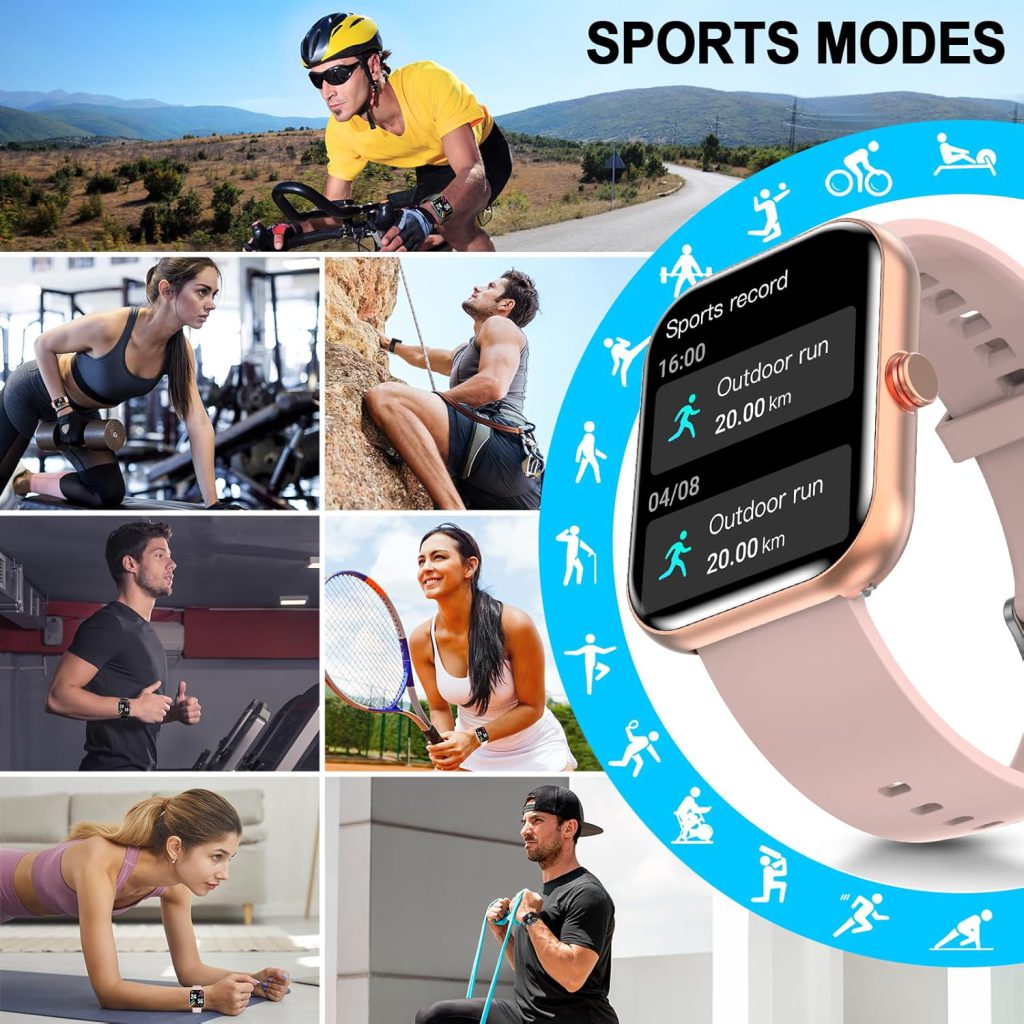
Here’s how the smart watch became my low-effort habit machine, and the exact ways I let it help without letting it run my life.
Make the invisible visible (and suddenly you care) One of the biggest superpowers of a smartwatch is that it turns abstract things into concrete numbers you see every time you glance down. Before, “I should drink more water” was a vague idea that lived in my head and died there. Now I have a little droplet icon that fills up as I log drinks. It’s stupidly simple, but seeing it at 30% by 3 p.m. creates this quiet “oh… maybe I should fix that” feeling that actually makes me grab the bottle.
Same with standing. I used to sit for 6–8 hours straight without noticing. The watch buzzes after 50 minutes of sitting and shows a little stand ring that’s half empty. I stand up, stretch, walk to the kitchen—done. The ring closes. That tiny dopamine hit from closing it keeps happening day after day. After a couple of months the standing breaks became automatic; I don’t even think about it anymore.
Steps work the same way. 10,000 was never my goal until the watch started showing me how far short I fell on desk days. Instead of forcing a big evening workout, I started parking farther away, taking stairs, walking during calls. Small choices added up. The number didn’t nag—it just stayed visible, and visibility creates awareness, and awareness creates change.
Use reminders as gentle prompts, not alarms I turned off 90% of the notification sounds and vibrations because they were annoying. But I kept three things on silent-but-noticeable:
- Drink water every 90 minutes (custom reminder)
- Stand after 50 minutes sitting
- Bedtime wind-down at 10:30 p.m. (dims screen, starts Do Not Disturb, plays white noise if I want)
None of them yell at me. They just appear as a small vibration or glanceable reminder. If I ignore them, nothing bad happens—no guilt screen, no red warning. But because they show up consistently, I usually respond. Over time the habits form around the prompts instead of fighting them.
Pro tip: customize the reminders to match your real life. If 10,000 steps feels impossible on workdays, set a lower daily move goal (say 7,000) and celebrate closing it. Once that’s automatic, nudge it up 500 at a time. Same with bedtime—start with a 15-minute-earlier wind-down reminder instead of forcing an unrealistic 10 p.m. lights-out.
Let the rings and streaks do the motivating The Apple rings (move, exercise, stand) or Samsung/Garmin equivalents are cheesy, but they work because they’re visual and streak-based. Closing all three rings feels satisfying in the same way checking off a to-do list does. Missing a day doesn’t erase everything; it just breaks the visual streak, which is enough motivation for most people to get back on track tomorrow.
I also use the streak feature in third-party apps (Streaks, Habitify) linked to watch complications. Things like “meditate 5 minutes” or “read 10 pages” show a tiny chain on my watch face. Seeing 47 days in a row makes me way less likely to break it than an invisible mental note ever did.
Track sleep without turning it into a report card Sleep tracking was the thing that scared me most—I didn’t want to become obsessed with scores. But I turned it into a habit helper instead of a judge.
I set a consistent bedtime reminder (10:45 p.m. wind-down, 11:15 lights out). The watch tracks when I actually fall asleep and when I wake up naturally. No alarms unless I have to catch an early flight. Over months I saw patterns: coffee after 2 p.m. pushes my fall-asleep time 45 minutes later, alcohol shortens deep sleep by 20–30%, screens until 11 p.m. increases wake-ups.
Instead of chasing a 90+ score every night, I focused on consistency. Same bedtime ±30 minutes, same wake time ±30 minutes. The average sleep duration crept from 6.1 hours to 7.4 hours without forcing anything drastic. The watch didn’t make me perfect—it just showed me the cost of my choices so I could decide whether the late Netflix was worth the next-day fog.
Move more without “working out” more The biggest habit shift came from the “exercise minutes” or “active zone minutes” feature. Instead of thinking “I need to do a 45-minute workout,” I started thinking “I need 150 active minutes a week.” That’s about 22 minutes a day. Suddenly walking the dog longer, taking a 15-minute walk after lunch, dancing while cooking dinner—all count.
The watch doesn’t care if it’s a gym session or pacing during a phone call. It just counts time when your heart rate is above a certain threshold. That removed the all-or-nothing mindset. On busy days I can close the ring with three 10-minute brisk walks spread out. On good days I do a longer run. Either way the habit builds.
Strengthen habits with complications and watch faces One of my favorite tricks is customizing the watch face so the habits I want to build are literally the first thing I see.
- Droplet complication for water (tap to log a glass)
- Stand ring progress
- Habit tracker widget showing meditation streak
- Next calendar event so I don’t forget appointments
- Weather so I plan outdoor walks
Every time I raise my wrist, I see progress (or lack of it) without opening an app. That passive reminder loop is way more effective than phone notifications I ignore.
Batch logging to avoid friction Logging everything manually gets old fast. I batch it:
- Water: quick double-tap complication or voice “log 500 ml”
- Food/exercise: log once at the end of the day if I forget real-time
- Sleep: automatic
- Meditation: one-tap start/stop from watch
Lower friction = higher consistency. If logging takes more than 3 seconds, I find a faster way or drop it.
Celebrate small streaks, forgive misses I don’t beat myself up for missing a day. The watch doesn’t either (unless you turn on guilt features). Missing one day doesn’t erase 30 good ones. I just restart the streak the next day. That forgiveness keeps me from quitting entirely.
Use data to tweak, not to obsess Every couple of months I look at monthly averages:
- Average sleep duration
- Average daily steps/active minutes
- Resting heart rate trend
- HRV average
If resting HR is creeping up and sleep is down, I know something’s off (usually stress or overtraining). If steps drop for two weeks straight, I add a short evening walk. The data isn’t there to shame me—it’s there to show me where small adjustments make the biggest difference.
When to put the watch away Some weekends or vacation days I leave it charging. No rings, no scores, just living. Those breaks remind me the habits should serve me, not control me. When I put it back on, the rings feel fresh again instead of like a job.
Habits that stuck because of the watch
- Drinking 2.5–3 liters water daily (droplet reminders + visible progress)
- Standing/walking breaks every hour (stand ring + vibration)
- Consistent 7–7.5 hours sleep window (bedtime wind-down + patterns)
- 150+ active minutes most weeks (spread throughout day)
- 10-minute daily meditation (streak complication)
- Reading before bed instead of scrolling (replaced wind-down screen time)
None of these happened overnight. They built slowly through visibility, low-friction nudges, and forgiving consistency. The watch didn’t force anything—it just made the right choice a little easier and the wrong choice a little more noticeable.
If you’re thinking about using a smart watch for habit building, start small. Pick one or two things (water + standing, or bedtime + steps), customize reminders and complications for them, and ignore everything else for a month. Let the numbers become background noise while the actions become automatic.
Over time you might find—like I did—that the device stops being a gadget and starts being a quiet partner that helps you become the version of yourself you actually want to be.
Leave a Comment
Your email address will not be published. Required fields are marked *