
Mastering Sleep Mode on Your Smart watch Practical Tips for Comfortable Overnight Wear and Accurate Tracking
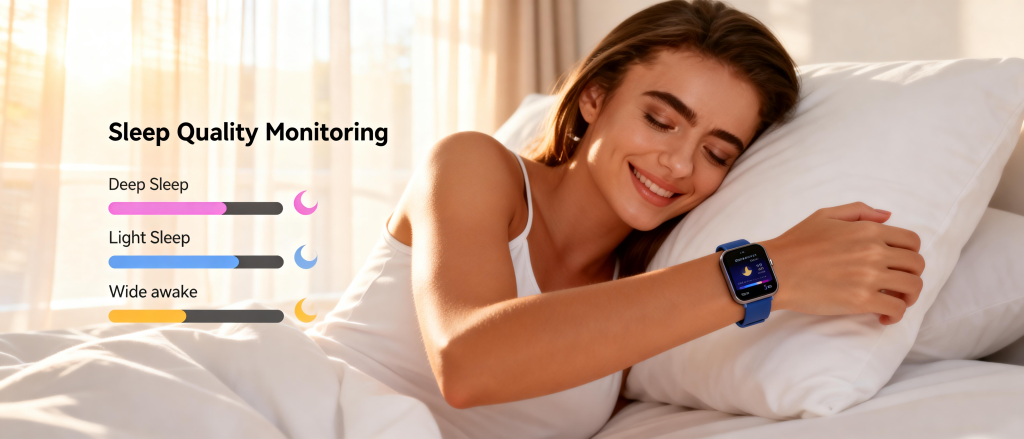
Wearing a smart watch to bed has become second nature for many people chasing better sleep insights. The idea of waking up to a detailed breakdown of your rest—light sleep phases, deep recovery periods, REM cycles, wake-ups, and an overall sleep score—feels like having a personal coach tucked under your pillow. Yet the same device that tracks heart rate variability and breathing patterns can also become the reason you toss and turn. A slight pressure point, random vibrations from late-night notifications, the faint glow of an always-on display, or even subtle warmth from the battery can pull you out of deep sleep before you realize it.
The goal with overnight wear is simple: gather meaningful data without sacrificing the very thing you’re trying to improve—quality rest. When done thoughtfully, sleep mode turns your watch into a quiet, unobtrusive observer rather than an active participant in your night. The following tips come from real-world patterns observed over months of consistent bedtime tracking, conversations with other heavy users, and small experiments that make the difference between waking refreshed versus feeling like you barely slept.
First, activate sleep mode properly every night. Most modern smartwatches offer a dedicated sleep or bedtime mode that automatically kicks in based on your set schedule or detected inactivity. This does more than dim the screen—it typically disables always-on display, silences all non-emergency vibrations and sounds, reduces background sensor polling slightly to save battery, and sometimes even switches to a simpler watch face showing only time in large, red-tinted numbers that are easier on dark-adapted eyes. If your watch doesn’t have a built-in bedtime trigger, manually enable Do Not Disturb or Focus mode and pair it with theater mode (which inverts colors and keeps the screen off until you tap). Setting this routine takes ten seconds but prevents 90% of the common disturbances.
Screen behavior matters enormously during sleep. Even a tiny glow can signal your brain to stay alert, especially if you sleep on your side and the watch faces upward. Turn off always-on display completely in sleep mode settings if possible. On models that allow it, lower brightness to the minimum or enable night shift / red tint full-time at bedtime. Some users go further and schedule the watch to enter low-power mode or a basic analog face from 10 PM to 7 AM. The less light leakage, the less subconscious arousal.
Vibrations and haptics are frequent culprits for fragmented sleep. A single wrist buzz from a late text, calendar reminder, or even a low-battery warning can jolt you awake or push you into lighter sleep stages. Before bed, double-check that notifications are fully silenced. Many watches let you create a custom “sleep” focus profile where only calls from favorites or repeated calls (emergency bypass) get through. Disable wrist raise to wake, auto-brightness adjustments, and any gesture controls that might trigger the screen. If your watch has a physical button or crown that lights up the display when pressed, consider covering it with a small piece of dark tape during the night for extra insurance.
Fit and positioning play a bigger role than most people expect. A band that’s comfortable during the day can create pressure points when you lie still for hours. Loosen the strap one or two notches before bed—enough to maintain good sensor contact but loose enough that blood flow isn’t restricted and skin can breathe. The watch should sit flat against the top of your wrist, not twisted or digging into the side. Many find rotating the device slightly so the crown faces outward (away from the body) reduces accidental presses against the mattress. If you sleep on your stomach or side with that wrist tucked under your pillow, experiment with switching to the opposite wrist a few nights a week. Alternating sides prevents chronic pressure marks and gives skin a break.
Band material directly affects overnight comfort. Silicone and fluoroelastomer bands are popular because they handle sweat well, but they can trap heat and moisture against the skin during long hours of immobility. Breathable alternatives often feel noticeably cooler at night. Woven nylon, perforated sport bands, or soft fabric options allow more airflow and wick away perspiration. Leather bands breathe naturally but may absorb oils and need occasional cleaning to stay fresh. If you notice redness or indentation lines in the morning, switch to a more open-weave band for a week and see if sleep scores improve along with comfort. Quick-release pins make swapping bands effortless, so keep two or three options handy for day versus night.
Temperature regulation deserves attention. Modern watches run cooler than older models, but the combination of body heat, blankets, and a metal case can still create a warm spot on your wrist. If you run hot at night or live in a humid climate, choose bands with ventilation holes or mesh sections. Some people remove the watch entirely for the first hour or two of sleep, letting the body cool down naturally, then put it back on once settled—this captures most of the important sleep stages while avoiding initial restlessness. Others charge the watch during evening wind-down time so it starts the night at 100% and doesn’t generate extra warmth from charging circuits.
Sensor contact needs to stay consistent for accurate tracking, but chasing perfect readings by cranking the band tighter often backfires. Overly snug wear can compress blood vessels slightly, leading to erratic heart rate variability data and even minor discomfort that fragments sleep. Aim for the Goldilocks zone: secure enough that the optical heart rate sensor doesn’t lose contact during movement, but loose enough to slide a finger underneath comfortably. Clean the sensor area gently with a damp cloth before bed to remove lotion, sweat, or dirt that could interfere with readings. A quick wipe takes seconds and often improves accuracy more than tightening the strap.
Battery strategy ties directly into peaceful nights. A low-battery warning vibration at 3 a.m. is one of the most frustrating interruptions. Charge to at least 60–70% before bed, ideally during your evening routine so the device isn’t actively pulling power while on your wrist. Many models now offer optimized overnight charging that slows down once the battery hits a certain level, reducing heat. If your watch supports scheduled charging or power-saving sleep modes, enable them. Waking up to 30–40% remaining after a full night of tracking is ideal—it means the device conserved energy without compromising data collection.
Handling movement and position changes. Smartwatches detect sleep stages partly through accelerometer data, so excessive tossing can confuse the algorithm and lower your score artificially. That said, natural movement is normal. If you know you shift positions frequently, wear the watch on your non-dominant wrist to minimize accidental activation of buttons or the screen. Some users place a small soft cloth or sock over the watch face to muffle any accidental taps against the headboard or partner. Others simply accept that scores vary night to night and focus on weekly trends rather than obsessing over a single bad reading caused by a restless evening.
Mental habits around the device influence sleep quality too. Checking your sleep score the moment you wake up can create performance anxiety that affects the next night. Try delaying the review until after breakfast or midday—let the data be informative rather than judgmental. If tracking starts to feel like pressure, take deliberate nights off once or twice a week. Removing the watch occasionally reminds your body what completely unassisted sleep feels like and often leads to surprisingly high-quality rest that recalibrates expectations.
Cleaning becomes more important with overnight use. Oils from skin, night creams, and accumulated sweat build up faster when worn continuously. A quick rinse of the band with mild soap and water every few days, followed by air drying, keeps bacteria and odors at bay. For metal cases, a soft microfiber cloth prevents scratches while removing residue. Clean skin contact area prevents irritation and maintains sensor performance. A small bedside routine—wipe watch, wipe wrist, apply light moisturizer if needed—takes under a minute and prevents most long-term skin issues.
If despite all adjustments you still wake feeling unrested, consider whether the watch itself is the variable. Run a simple experiment: go three to five nights without wearing it and compare subjective energy levels and any wearable-free sleep journal notes against tracked nights. Sometimes the awareness of being monitored subtly increases arousal. If scores drop noticeably without the watch, it may indicate the device is helping catch issues like frequent wake-ups or low deep sleep that you weren’t noticing before.
Noise and partner considerations. A completely silent watch is essential if you share a bed. Test haptics during the day to confirm they’re truly muted in sleep mode. If vibrations still feel too strong, look for models with adjustable haptic intensity or disable them entirely overnight. For light sleepers, even the quietest buzz can be disruptive—some opt for sleep tracking via phone apps placed on the nightstand as a backup on particularly sensitive nights.
Long-term patterns emerge when you stick with consistent overnight wear. Monthly averages often reveal more than daily fluctuations: seasonal changes in sleep quality, effects of caffeine cut-off times, benefits of evening wind-down routines, or how alcohol consistently shortens REM. Use the watch as a gentle feedback tool rather than a strict judge. Small tweaks based on data—earlier lights-out, cooler bedroom, no screens an hour before bed—compound into noticeably better rest over weeks.
Comfortable overnight wear comes down to preparation and small habits. Set sleep mode early, loosen the band, silence everything, choose breathable materials, charge ahead of time, clean regularly, and give yourself permission to skip nights when needed. When these pieces align, the smartwatch stops being a potential sleep thief and becomes one of the most useful tools for understanding and improving your nights.
Rest better, wake sharper, and let the data guide you without letting it control you. A quiet wrist at night is often the key to clearer insights by morning.
Leave a Comment
Your email address will not be published. Required fields are marked *