
Campus days fly by in a blur of lectures, late-night cramming, group chats blowing up with last-minute changes, and that constant push to squeeze in a workout or just walk enough steps to feel human. Amid the chaos, pulling out your phone every few minutes for a quick check disrupts flow—whether you’re in a quiet library corner or rushing between buildings. A smart watch changes that dynamic entirely. It puts essential alerts right on your wrist: upcoming class reminders, texts from study partners, or a heads-up about a deadline extension. You glance, decide if it needs attention, and get back to notes or reading without losing momentum.
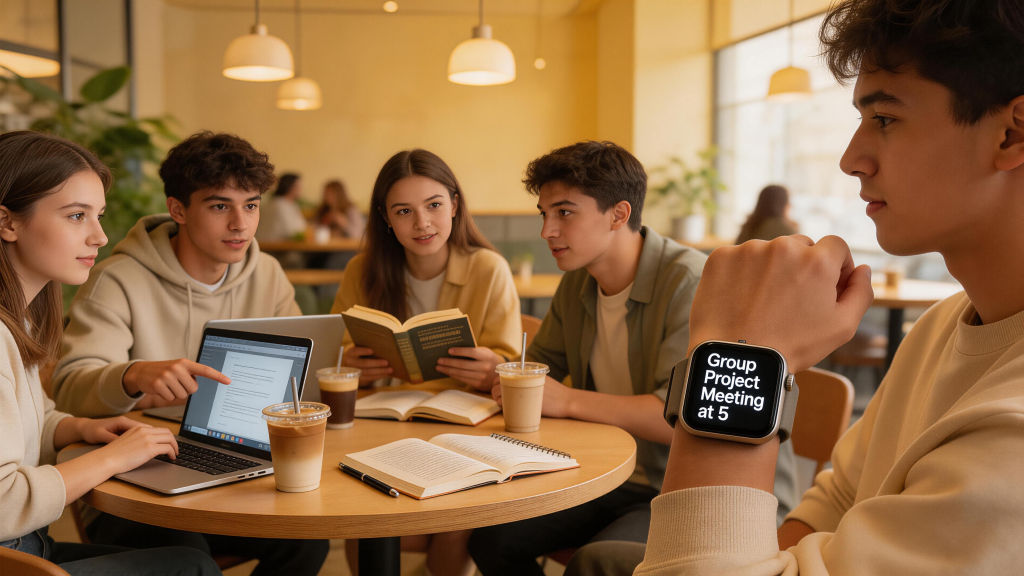
Beyond notifications, these devices track habits that directly affect performance. Long hours hunched over textbooks lead to stiff backs and foggy brains; built-in activity prompts encourage standing, stretching, or a quick walk. Sleep data reveals patterns—maybe those all-nighters are costing more in focus than they’re gaining in hours studied. Heart rate spikes during stressful presentations or exam weeks get flagged, sometimes with simple breathing exercises to calm things down. For many students, this quiet monitoring turns into better routines: earlier bedtimes before big tests, more movement between classes, and a clearer sense of when the body needs a break.
Battery life stands out as a practical must-have. Nothing frustrates like a watch dying mid-morning during back-to-back lectures or right before a presentation. Models that last a full day—or better yet, multiple days—mean one less thing to worry about charging every night. Durability matters on campus too: sweat from hurried walks in the rain, accidental bumps in crowded hallways, or spills from coffee runs. Comfort plays a big role for all-day wear; lightweight builds with soft, breathable bands avoid irritation during long seminars. Bright, clear screens help in sunny quads or dimly lit study rooms, and simple interfaces keep things quick—no fumbling through menus when you’re already late.
Productivity features tie everything together. Timers for focused study blocks, quick voice notes to capture ideas mid-walk, music controls for concentration playlists without touching your phone. Calendar sync shows the day’s schedule at a glance, and selective notifications let you mute group chats during exams while keeping family or urgent messages active. Health insights add real value: step counts motivate getting across campus on foot instead of busing, auto-detected workouts log gym sessions or runs, and recovery metrics help decide if pushing through fatigue is smart or if rest would pay off more.
Budget constraints shape choices for most students. Entry-level options deliver core functions—reliable notifications, basic tracking, decent battery—without premium prices. Mid-range picks add brighter displays, more accurate sensors, and smoother integrations. Higher-end models bring longer endurance or advanced monitoring, but value often lies in the middle ground where features align with daily needs without excess cost. Phone ecosystem matters: iPhone pairs naturally with Apple models for effortless setup, while Android works best with Wear OS options from Google, Samsung, or others.
Here are standout choices that fit student realities well, based on how they perform through packed schedules, irregular sleep, and constant movement.
For iPhone users, the Apple Watch SE stands out as a practical, no-frills option that covers essentials without overwhelming cost or complexity. It delivers crisp visuals on its Retina display, readable in various lighting, and battery holds through a typical day of classes, study, and evening activities with room to spare for most. Fast charging tops it up quickly during short breaks. Notifications flow seamlessly from the phone—class alerts, messages, reminders—letting you respond with quick taps or voice if needed. Siri handles simple commands on the go, like setting timers for focused work or adding tasks.
Activity rings motivate movement after long sits, and accurate tracking logs steps across campus or workouts without manual starts. Heart rate monitoring catches elevations during stress, and sleep insights show quality after late nights, helping adjust habits gradually. Water resistance handles rain or sweat, and lightweight design with interchangeable bands suits casual campus style. In everyday student routines, it shines at staying unobtrusive yet useful—gentle stand reminders during library marathons, quick glances at schedules, and reliable alerts without pulling out the phone. Battery requires nightly charging for heavy use, but the overall package feels balanced for daily demands.
Students wanting more refinement often turn to the Apple Watch Series models. These bring always-on displays for instant time and widget checks—no wrist flick needed during note-taking. Battery edges longer in real use, screens get brighter for outdoor visibility, and health tools deepen with better sleep analysis, temperature sensing for cycle awareness, and precise vitals. Productivity perks include smoother quick replies, deeper app access, and customizable faces pinning assignments or timers. Comfort remains high for extended wear, and the ecosystem integration keeps everything synced effortlessly. The step up feels noticeable in smoother performance and richer insights, especially when juggling demanding courses.
Active students or those in sports-heavy programs appreciate rugged builds like the Apple Watch Ultra variants. Titanium cases take knocks well, batteries stretch far longer for multi-day reliability, and enhanced GPS aids outdoor activities or navigation around large campuses. Safety features add reassurance for late walks or solo runs. The larger profile suits bigger wrists and active lifestyles, though it might feel bulkier under sleeves for everyday class wear.
Android users find strong contenders in the Google Pixel Watch series. Clean, rounded designs look modern and understated—fitting for lectures or casual hangouts. Displays stay vibrant, and battery reaches solid multi-day stretches on efficient settings with quick top-ups. Fitbit-powered tracking delivers detailed sleep scores and readiness insights, helping optimize rest after rough nights or spot when stress builds. Notifications and replies integrate smoothly with Google services, voice assistant handles queries or reminders hands-free, and auto-activity detection logs walks or gym time naturally.
In practice, it handles campus chaos well: calendar glances, group chat previews, breathing prompts during tense moments. Comfortable all-day wear, repairable aspects for longevity, and safety tools like emergency sharing provide extra peace. It pairs especially well with Pixel phones but works broadly on Android, making it a versatile, polished choice for productivity and health balance.
Samsung’s Galaxy Watch lineup appeals to those who like vivid screens and tactile controls. High-brightness AMOLED panels pop outdoors, batteries hold through long days with efficient power management, and Wear OS supports broad apps alongside strong health monitoring—heart rate, sleep stages, stress insights, and more. Rotating bezels (on some models) make scrolling effortless without fingerprints mid-note. Notifications flow reliably, quick replies keep conversations going, and energy scores guide when to study hard or ease up.
Durability ratings suit campus life—sweat, bumps, occasional rain—and compatibility shines brightest with Samsung phones but extends to most Android devices. It feels premium yet practical, with features that reward consistent wear through better recovery awareness and motivation to move.
Budget-conscious students gravitate toward options like Amazfit or CMF by Nothing models. These prioritize exceptional battery endurance—often several days or more—while delivering core notifications, heart rate, sleep basics, and lightweight builds. Displays stay functional, interfaces remain simple, and prices keep things accessible. They lack some polish of flagship names but excel at reliability for essentials: alerts without daily charging anxiety, step encouragement, and basic vitals to build better habits over time.
Direct comparisons highlight trade-offs. Apple options dominate seamless iPhone flow and health depth but charge more frequently. Google and Samsung lead Android with AI smarts, vibrant interfaces, and strong battery in many cases. Endurance-focused picks sacrifice some advanced features for days-long power. All cover student staples: glanceable info, movement nudges, sleep feedback, timers.
Picking one depends on your phone and priorities. Match the ecosystem to avoid pairing headaches. If forgetting to charge happens often, lean toward longer-battery models. Health concerns like poor sleep or stress? Prioritize accurate tracking and insights. Tight budget? Start with capable entry-level options. Try on for wrist fit—comfort during 10-hour days makes a difference. Swap bands for variety: sporty for gym, casual for classes.
To make the most of whichever you choose, tailor it to routines. Pin class schedules, weather, or step goals to the main face for instant views. Set focus periods to quiet non-essentials during study or exams. Use built-in timers for work blocks and breaks. Check weekly sleep and activity summaries to tweak habits—maybe shift bedtime earlier before midterms. Enable gentle reminders to stand or breathe during long sessions. Voice features save time for quick notes while walking. Charge during downtime like meals or showers. Over time, patterns emerge—travel between dorm and classes boosts steps naturally, or consistent movement sharpens afternoon focus.
Smartwatches evolve quickly, with ongoing improvements in battery tech, smarter alerts, and deeper wellness tools. For students now, the right one becomes a quiet ally: reclaiming attention from constant phone checks, supporting physical well-being amid sedentary stretches, and helping maintain balance in a demanding phase.
Most find the Apple Watch SE or Series line ideal for iPhone setups, while Pixel Watch or Galaxy Watch options transform Android experiences. Select what fits your flow, customize it, and notice how small wrist-based support adds up—smoother days, better rest, sharper focus. Campus life stays intense, but these tools make navigating it a little easier.
Leave a Comment
Your email address will not be published. Required fields are marked *