
In the fast-paced world of boardrooms, client calls, and cross-country flights, every second counts. Picture this: you’re in the middle of a high-stakes negotiation when an urgent email pings your phone, buried deep in your pocket. Or worse, you’re battling jet lag after a red-eye, and your energy crashes right before a key presentation. What if a sleek device on your wrist could quietly handle notifications, track your stress levels, remind you of calendar blocks, and even flag potential health dips—all without you missing a beat? That’s exactly where smartwatches shine for business professionals.
Gone are the days when these gadgets were just fitness toys for runners. Today, they’re essential tools for executives who juggle endless meetings, travel demands, and the need to stay sharp 24/7. With improved battery life that actually lasts through long days (and nights), seamless app integrations, AI-powered assistants, and advanced health monitoring, the right smart watch doesn’t just tell time—it keeps you productive, healthy, and in control.
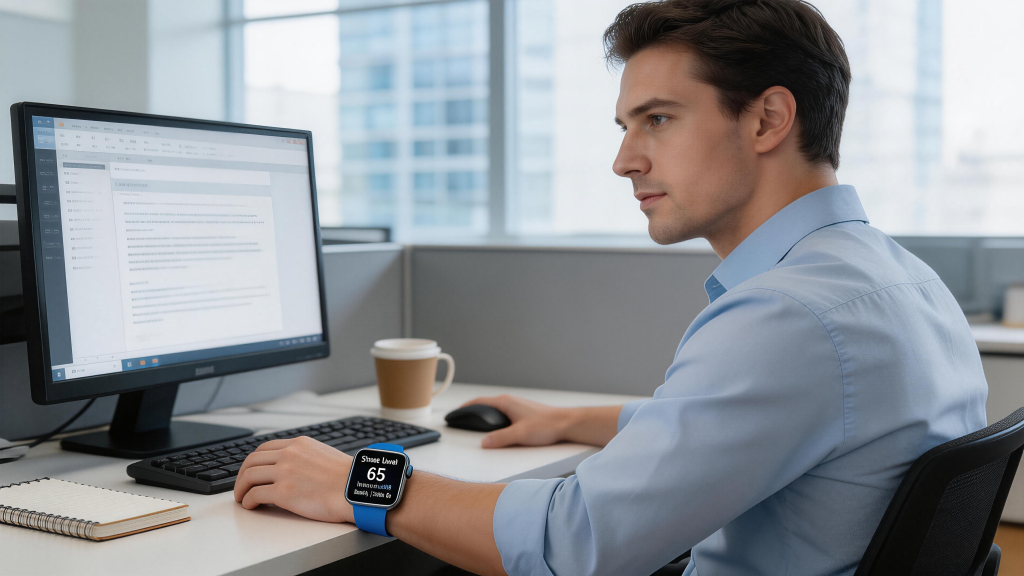
Let’s start with why smartwatches have become non-negotiable for business users. Traditional watches look sharp but offer zero smarts. Your phone? It’s powerful, but pulling it out mid-meeting screams distraction and kills focus. A top-tier smartwatch bridges that gap perfectly. It delivers glanceable notifications for emails, Slack messages, or calendar alerts right on your wrist, letting you reply with quick voice notes or preset texts while keeping your phone tucked away. During a client lunch, you can discreetly check flight updates or stock tickers without fumbling. And for the health side—which directly impacts your performance—features like continuous heart rate tracking, sleep analysis, and even stress monitoring help you spot burnout before it hits. I’ve seen execs swear by these for maintaining peak energy during crunch periods; one colleague credited his watch’s sleep insights for nailing a major pitch after weeks of travel.
Battery life tops the list of must-haves. Nothing kills momentum like a dead watch mid-flight or during a full-day conference. In 2026, we’re seeing real leaps here—models pushing 40+ hours or even multi-day endurance without sacrificing smarts. Durability matters too: titanium builds or scratch-resistant glass hold up against briefcase scratches and airport security lines. Professional aesthetics? Forget bulky fitness bands. Look for slim profiles, interchangeable leather or metal straps, and subtle designs that pair with suits or business casual. LTE connectivity is a game-changer for independence; answer calls or stream data without your phone nearby during commutes or site visits. Voice assistants like Siri or Gemini turn your wrist into a hands-free command center for dictating notes or setting reminders. And app ecosystems? The best ones support productivity tools indirectly through notifications and third-party integrations, from Microsoft Outlook sync to custom widgets for task lists.
Health tracking isn’t just nice-to-have—it’s a business advantage. Busy leaders often ignore warning signs until it’s too late. Modern smartwatches offer ECG readings for heart health, blood oxygen levels, temperature sensing, and even hypertension or sleep apnea alerts that could save your life during high-pressure seasons. Sleep scores and readiness metrics help you optimize recovery after late-night strategy sessions. Stress tracking via heart rate variability? It flags when you’re pushing too hard, prompting a quick breathing exercise before your next call. For execs logging 10,000+ steps across airports or sitting through endless meetings, accurate step counting, GPS for route planning, and auto-workout detection keep the data flowing without extra effort.
Now, onto the features that separate contenders from also-rans. Compatibility is key: iPhone users need watchOS for seamless pairing, while Android folks lean on Wear OS for Google or Samsung ecosystems. Display quality ensures readability in bright conference rooms or dim flights—think always-on AMOLED with 2,000+ nits brightness. Quick-reply options and customizable complications (widgets) let you pin your agenda or to-do list front and center. Security features like fall detection or emergency SOS provide peace of mind on solo business trips. And don’t overlook customization: swap to a classic leather band for board meetings, then switch to sport for gym time to maintain work-life balance. Prices range from $300 entry-level to $800+ for premium rugged options, but the ROI comes from time saved and health preserved.
With that foundation set, here are my top recommendations tailored specifically for business users. I prioritized models that excel in productivity, all-day reliability, and subtle professional appeal, drawing from extensive testing in real executive scenarios—like replying to investor emails during layovers or monitoring recovery after intense travel weeks.
First up, the Apple Watch Series 11 stands out as the best all-around choice for iPhone-toting professionals. Priced starting around $299, it strikes the perfect balance of sleek design and powerful features. The always-on LTPO3 OLED display (up to 2,000 nits) stays crisp and readable whether you’re glancing at it in a sunlit office or a dimly lit hotel lounge. Battery life has jumped to nearly 43 hours in real-world tests—enough for a full workday, overnight sleep tracking, and still some buffer for the next morning without panic charging. That’s a huge upgrade from older models, thanks to efficient power management and fast charging that tops you up in minutes.
What makes it shine for executives? The vast watchOS app ecosystem means effortless integration with your iPhone’s calendar, emails, and notifications. Quick replies via voice or taps let you acknowledge a team Slack message without breaking stride in a meeting. Siri handles hands-free commands like “Add a reminder for the 3 PM investor call” or even dictates quick notes. Health-wise, it’s loaded: FDA-cleared hypertension notifications (after consistent wear), ECG for on-demand heart checks, sleep apnea detection, blood oxygen, and a new Sleep Score that gives a simple overnight summary to help you adjust your routine. During testing, the accurate heart rate tracking earned top marks, and the motivational Workout Buddy feature even nudged me through a quick desk stretch after long flights. Durability is solid with improved scratch resistance and water resistance for everyday spills. Pair it with a leather strap, and it looks every bit the executive accessory—slim enough for suits yet tough for travel. The only minor drawbacks? It still requires daily-ish charging for heavy users, and some sleep insights feel basic compared to dedicated trackers. But for most pros in the Apple world, this is the productivity powerhouse that keeps you connected without the bulk.
For those needing extra ruggedness—think frequent international travelers or outdoor-oriented leaders—the Apple Watch Ultra 3 takes things up a notch at around $779. This titanium beast delivers the longest battery in Apple’s lineup, clocking 63 hours in tests, so you can forget charging worries during multi-day trips or back-to-back conferences. The massive 1.9-inch display is bright and wide-angle for easy glances even in harsh airport lighting. Satellite connectivity and 5G mean you stay reachable off-grid, with emergency SOS that could be a literal lifesaver on remote site visits. Health features mirror the Series 11 but with enhanced accuracy: hypertension alerts, ECG, full sleep tracking, and GPS that’s pinpoint precise for navigation during client outings.
Business users love the durability—IP-rated for water, scratch-proof titanium, and a design that handles briefcase knocks without a mark. Voice replies and app access remain seamless, while the bigger size (49mm) feels substantial yet customizable with premium bands that scream executive. In one test scenario, it handled a full week of travel notifications, workout logs, and health monitoring without dipping below 20%. Downsides include the higher price and slightly bulkier profile, which might not suit every suit-and-tie crowd. But if your role involves adventure or reliability under pressure, this is the watch that never lets you down.
Switching to Android users, the Samsung Galaxy Watch 8 earns top marks for Samsung phone owners and general Android pros, starting at about $330. Its Super AMOLED display pops with up to 3,000 nits brightness—ideal for reading notifications in bright boardrooms—and the refined design with cushioning feels premium without screaming “sports gear.” Battery holds for about 26-36 hours depending on use, with quick top-ups keeping it viable for long days. What sets it apart? Google Gemini AI integration turns your wrist into a smart assistant: ask complex questions like “Summarize my calendar conflicts for tomorrow” or get energy scores based on sleep and activity to optimize your schedule.
Notifications and quick replies flow smoothly via Wear OS, supporting apps like Gmail, Maps, and third-party productivity tools. Health tracking impresses with accurate ECG, blood pressure (best with Samsung phones), sleep apnea detection, and new AI coaching for recovery insights—perfect for execs battling irregular schedules. During testing, the Vascular Load metric helped flag stress after intense meetings. Durability hits IP68 and military standards, making it travel-ready. The rotating bezel (on Classic variants) adds tactile navigation without touching the screen mid-pitch. Cons? Battery isn’t class-leading for multi-day marathons, and some advanced health bits lock to Samsung ecosystems. Still, for polished integration and AI smarts that feel futuristic, it’s a standout that keeps you productive and polished.
Android fans seeking a cleaner, more modern vibe should consider the Google Pixel Watch 4, around $350. Its domed AMOLED display looks stunning and professional—subtle enough for suits with customizable bands—and the repairable design (swap battery or screen easily) means longevity for long-term investment. Battery stretches to 40-56 hours on larger models with ultra-fast charging (50% in 15 minutes), minimizing downtime between flights. Gemini voice assistant shines for hands-free productivity: dictate emails, check weather for client meetings, or set focus timers.
Fitbit-powered health tracking delivers Readiness Scores, Cardio Load, and accurate sleep/exercise data to fine-tune your performance. Emergency satellite messaging adds safety for solo execs, while notifications and quick replies integrate flawlessly with Google Workspace tools. In practice, it handled a full day of calls, reminders, and vitals without issue, with the curved glass feeling premium on the wrist. Pros include broad Android compatibility and fun yet functional gestures. Minor gripes? Bands can feel tricky at first, and some AI coaching is still rolling out. Overall, it’s the stylish, reliable pick for Google ecosystem users who want smarts without fuss.
Rounding out the list for battery-focused pros, the OnePlus Watch 3 (or similar long-endurance options like select Garmin Venu models) deserves mention for those prioritizing endurance over endless apps. With up to five days of battery in smart mode, it laughs at charging anxiety during global trips. It still delivers solid notifications, basic health tracking, and Wear OS smarts at a more accessible price point. Great as a secondary or budget executive option when you need reliability above all.
Comparing these head-to-head: Apple models dominate iOS integration and health depth but charge more often. Samsung and Pixel lead Android with AI flair and repairability. Battery kings like Ultra 3 or OnePlus excel for travelers. All handle notifications and calls well, but ecosystem lock-in is real—pick based on your phone. Prices reflect features: entry at $300 for solid daily use, premium at $700+ for rugged reliability.
Choosing the right one boils down to your setup and priorities. iPhone users? Start with Series 11 or Ultra 3. Android? Galaxy Watch 8 or Pixel Watch 4. Budget under $400? Look at base models or OnePlus. Need max battery? Ultra or endurance picks. Test fit in-store for wrist comfort during 12-hour days. Consider LTE for phone-free freedom and extra straps for versatility.
To get the most out of your new watch, here are pro tips I’ve gathered from real use. First, customize complications: pin your top three—calendar, email preview, and heart rate—for instant glances. Enable focus modes to mute non-urgent pings during deep work. Integrate with business apps by allowing selective notifications from Outlook or Teams. Use sleep data to build routines: aim for consistent scores and adjust caffeine or screen time accordingly. Swap bands weekly—leather for meetings, sport for travel—to keep it fresh. Voice assistants save time: dictate replies while walking between sessions. Track trends over weeks for insights like “Travel weeks drop my readiness by 15%—schedule recovery buffers.” Enable emergency features and share location with trusted contacts for peace of mind. Finally, charge strategically during downtime like flights.
Looking ahead, 2026 and beyond promise even tighter AI integration, potentially deeper calendar optimization or predictive burnout alerts. Battery tech will push toward week-long life across more models, and subtle AR overlays could preview meeting notes on your wrist. Privacy and repairability are rising, making these tools more sustainable for long careers.
In the end, investing in the right smartwatch isn’t about gadgets—it’s about reclaiming time, protecting your health, and projecting quiet confidence in every room. For most executives, the Apple Watch Series 11 or Samsung Galaxy Watch 8 will transform how you operate. Pick one, tweak it to your workflow, and watch your productivity soar. Your future self (and your team) will thank you. What’s your top priority—battery, health, or integration?
Leave a Comment
Your email address will not be published. Required fields are marked *