
Smart watches have come a long way from being just fancy timepieces strapped to our wrists. Today, in 2026, they’re indispensable gadgets that blend technology with daily routines, helping us stay connected, healthy, and productive. Whether you’re a fitness enthusiast tracking your runs, a busy professional managing notifications on the go, or someone who simply wants to monitor their heart rate without pulling out a phone, smartwatches offer something for everyone.
Let’s start with the basics: what exactly is a smartwatch? At its core, a smartwatch is a wearable computer in the form of a wristwatch. It typically connects to your smartphone via Bluetooth or Wi-Fi, allowing it to display notifications, track health metrics, play music, and even make calls. But modern smartwatches go beyond that. They incorporate advanced sensors like accelerometers, gyroscopes, heart rate monitors, GPS, and sometimes even ECG (electrocardiogram) capabilities. This integration of hardware and software makes them powerful tools for personal wellness and convenience.
The history of smartwatches dates back further than you might think. While the concept of a “wrist computer” appeared in science fiction as early as the 1940s with Dick Tracy’s two-way radio watch, the first real attempts came in the 1970s. Seiko released the Pulsar in 1972, a digital watch with LED display, but it wasn’t “smart” by today’s standards. Fast forward to the 1980s, and Casio introduced watches with calculators, games, and even TV remote functions. The 1990s saw Microsoft’s SPOT (Smart Personal Objects Technology) watches, which received data via FM radio signals for news and weather updates. However, it wasn’t until the 2010s that smartwatches truly exploded in popularity.
The turning point came in 2012 with the Pebble smartwatch, funded through Kickstarter. It was affordable, had a long battery life, and connected to both Android and iOS devices. Pebble paved the way for giants like Apple and Samsung to enter the market. Apple’s Watch, launched in 2015, revolutionized the industry with its sleek design, app ecosystem, and health features. Samsung’s Galaxy Gear series followed suit, emphasizing compatibility with their phones. By the mid-2020s, smartwatches had become mainstream, with global sales surpassing 200 million units annually. Factors like the COVID-19 pandemic accelerated adoption, as people sought ways to monitor health metrics like oxygen saturation and sleep patterns from home.
Now, let’s talk about the different types of smartwatches available. Broadly, they fall into three categories: fitness-focused, hybrid, and full-featured smartwatches. Fitness-focused ones, like those from Fitbit or Garmin, prioritize health tracking. They excel in monitoring steps, calories burned, workouts, and recovery metrics. For instance, Garmin’s Vivosmart series uses advanced algorithms to analyze your VO2 max, a measure of cardiovascular fitness, and provides training load insights to prevent overexertion. These are ideal for athletes or anyone serious about exercise.
Hybrid smartwatches blend analog looks with digital smarts. Brands like Withings and Fossil offer models that look like traditional watches but include subtle notifications via vibrating hands or small OLED screens. They’re perfect for those who want tech without sacrificing style. Finally, full-featured smartwatches like the Apple Watch Ultra or Samsung Galaxy Watch are mini-computers on your wrist. They run apps, support third-party integrations, and even allow standalone cellular connectivity, meaning you can leave your phone behind for runs or errands.
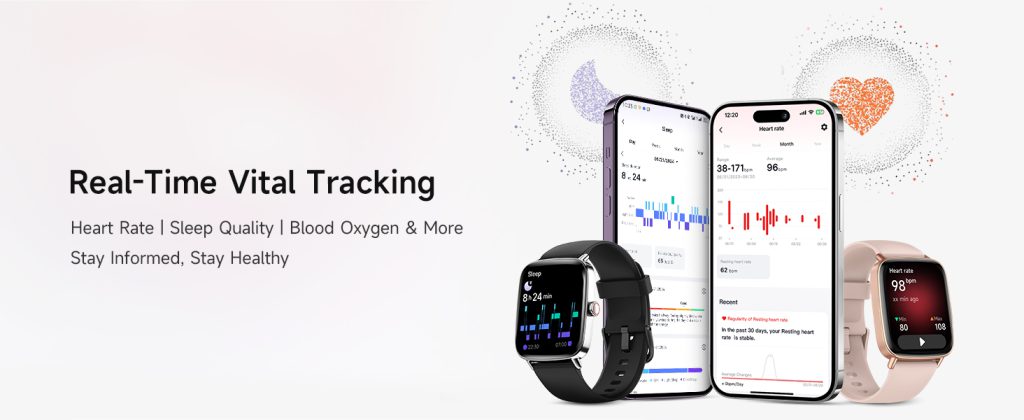
One of the most compelling aspects of smartwatches is their health and fitness tracking capabilities. Gone are the days when you needed a separate pedometer or heart rate strap. Modern devices use optical sensors to measure heart rate continuously, detecting irregularities that could signal atrial fibrillation. Apple’s Watch, for example, has saved lives by alerting users to abnormal rhythms and prompting them to seek medical help. Sleep tracking has also advanced; watches like the Oura Ring (though not a traditional watch) or Samsung’s Galaxy Watch analyze sleep stages, providing scores and tips for better rest.
For fitness, smartwatches offer guided workouts, from yoga sessions to high-intensity interval training (HIIT). They integrate with apps like Strava or MyFitnessPal to log activities and share progress with friends. GPS tracking ensures accurate route mapping for outdoor activities, while built-in altimeters track elevation for hikes or cycling. Some models, like the Google Pixel Watch, use AI to suggest personalized workout plans based on your data history. This level of insight helps users set realistic goals, whether it’s training for a marathon or just hitting 10,000 steps a day.
Beyond health, smartwatches enhance connectivity in subtle yet powerful ways. Imagine glancing at your wrist to see a text message, email, or calendar reminder without fumbling for your phone. Voice assistants like Siri, Google Assistant, or Bixby let you dictate replies, set timers, or control smart home devices. For music lovers, streaming services like Spotify allow direct playback control, with some watches storing songs offline. Navigation is another boon—Google Maps on Wear OS devices provides turn-by-turn directions with haptic feedback, vibrating to signal left or right turns.
Payment integration is a game-changer for convenience. Apple Pay, Google Pay, and Samsung Pay turn your watch into a contactless wallet. Just tap it on a terminal to buy coffee or groceries. In crowded cities like New York or Tokyo, this speeds up transactions and reduces the risk of losing your physical cards. Some watches even support transit cards, like London’s Oyster or Hong Kong’s Octopus, for seamless public transport payments.
But smartwatches aren’t just for adults. Kid-friendly versions, such as the Garmin Bounce or Apple’s Family Setup on the Watch SE, allow parents to track location, set communication limits, and monitor activity. These provide peace of mind without giving kids full smartphones. For seniors, features like fall detection—where the watch senses a hard fall and calls emergency services if you’re unresponsive—are invaluable. Brands like Withings have models with medical-grade blood pressure monitoring, aiding those with hypertension.
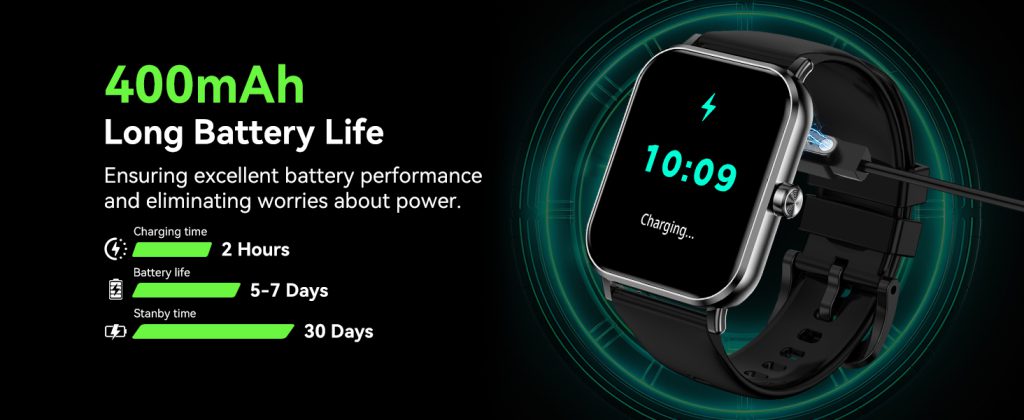
Of course, no technology is perfect, and smartwatches have their drawbacks. Battery life remains a common complaint. While some fitness trackers last a week on a charge, full-featured models like the Apple Watch often need daily charging. This can be inconvenient during travel or long days out. Privacy concerns are also rising. These devices collect vast amounts of personal data— from location history to biometric info. In 2024, there were reports of data breaches affecting wearable users, highlighting the need for strong encryption and user controls. Always check privacy settings and opt out of unnecessary data sharing.
Another issue is compatibility. Apple Watches only work fully with iPhones, locking Android users out. Samsung’s ecosystem favors their phones, though Wear OS has improved cross-compatibility. Screen size can be a limitation for typing or viewing detailed content, and not everyone finds the constant notifications helpful—some argue they increase stress by blurring work-life boundaries. Cost is a factor too; premium models can exceed $500, though budget options from Amazfit or Xiaomi offer solid features for under $100.
When choosing a smartwatch, consider your needs and ecosystem. If you’re deep in Apple’s world, the Apple Watch Series 11 (as of 2026) is hard to beat with its seamless integration and vast app store. For Android users, the Samsung Galaxy Watch 7 or Google Pixel Watch 3 provide excellent alternatives, running on Wear OS with access to the Google Play Store. Fitness buffs might prefer Garmin’s Fenix series for its rugged build and multi-sport tracking. Don’t forget battery life—look for models with solar charging, like Garmin’s Instinct Solar, which extends usage in sunlight.
Accessories can enhance your experience. Bands come in materials like silicone for workouts, leather for formal occasions, or metal for durability. Screen protectors guard against scratches, while charging docks keep things organized. Some users invest in companion apps for deeper analytics, like Whoop’s strap system that focuses on recovery metrics.
Looking ahead, the future of smartwatches is exciting. By 2030, we could see widespread adoption of non-invasive glucose monitoring for diabetics, currently in testing by companies like Apple and Samsung. AI will play a bigger role, with predictive health insights—warning you of potential illnesses based on trends in your data. Augmented reality (AR) integration might allow watches to overlay directions or info on the real world via connected glasses. Flexible displays could make them more comfortable, and improved battery tech, like solid-state batteries, might enable week-long usage.
Sustainability is another trend. Brands are using recycled materials and offering trade-in programs to reduce e-waste. In a world increasingly aware of environmental impact, eco-friendly smartwatches will appeal to conscious consumers.
In conclusion, smart watches have transformed from novelties to necessities. They empower us to take control of our health, stay connected, and simplify daily tasks. Whether you’re upgrading your old model or buying your first, the key is finding one that fits your lifestyle. As technology evolves, these wrist-bound wonders will only get smarter, making our lives easier and more informed.
But wait, there’s more to explore. Let’s delve deeper into specific models and user experiences. Take the Apple Watch Ultra 2, released in 2025. It’s built for adventurers with a titanium case, 100-meter water resistance, and a brighter display visible in direct sunlight. Users rave about its double-tap gesture for quick actions without touching the screen—perfect for gloved hands during hikes. Battery life hits 36 hours in normal use, extending to 72 in low-power mode. The Action Button is customizable for shortcuts like starting a workout or activating the siren for emergencies.
On the Android side, the Samsung Galaxy Watch Ultra mirrors this ruggedness with a sapphire crystal display and military-grade durability. It includes advanced sleep apnea detection, using sensors to monitor breathing patterns overnight. Integration with Samsung Health provides comprehensive reports, syncing with other devices like earbuds for immersive audio during runs.
For budget-conscious buyers, the Amazfit GTR 4 offers impressive value. At around $200, it boasts a 1.43-inch AMOLED screen, 150+ sports modes, and up to 14 days of battery life. Alexa built-in handles voice commands, and it supports music storage for offline listening. Reviews highlight its accurate heart rate tracking, comparable to pricier models.
Garmin’s ecosystem stands out for serious athletes. The Forerunner 965, for example, includes triathlon-specific features like transition tracking and power meter compatibility. It uses Garmin’s Firstbeat analytics for training status, telling you if you’re peaking, overreaching, or need rest. Cyclists appreciate the Varia radar integration, which alerts you to approaching vehicles.
Women’s health tracking has improved dramatically. Many watches now monitor menstrual cycles, predicting periods and fertile windows based on temperature and heart rate variability. The Fitbit Sense 2 adds stress management with EDA (electrodermal activity) scans, guiding breathing exercises to reduce anxiety.
Kids’ smartwatches focus on safety. The Verizon Gizmo Watch 3 lets parents set geofences, receiving alerts if a child leaves a designated area. It includes games and fitness challenges to encourage activity, all while limiting screen time.
For fashion-forward users, luxury brands like Tag Heuer and Montblanc offer smart versions of their classic designs. The Tag Heuer Connected Calibre E4 combines Swiss craftsmanship with Google’s Wear OS, featuring golf tracking for over 40,000 courses worldwide.
Privacy advocates might prefer open-source options or devices with minimal data collection. PineTime, from Pine64, runs on free software, allowing full customization without cloud dependency.
Challenges persist. Over-reliance on tech can lead to “notification fatigue,” where constant buzzes disrupt focus. Studies from 2023 showed that wearable users sometimes experience increased anxiety from health data obsession, a phenomenon called “orthosomnia” for sleep tracking.
To mitigate this, set boundaries—use Do Not Disturb modes during meals or sleep. Regularly review data privacy policies, as regulations like GDPR in Europe and CCPA in California give users more control.
The market is competitive, with new entrants like Huawei’s Watch GT 5 pushing boundaries with satellite messaging for off-grid communication. Xiaomi’s Watch S3 offers modular bezels for style changes.
In sports, professional athletes use smartwatches for performance edge. NBA players track recovery, while cyclists analyze power output in real-time.
Entertainment integration grows too. Watches control smart TVs, stream podcasts, or even play simple games like Sudoku.
For developers, platforms like WatchOS and Wear OS open doors for custom apps. From language translators to stock tickers, the possibilities are endless.
As we approach the 2030s, expect seamless integration with other wearables—rings, glasses, earbuds—forming a “body network” for holistic data.
Leave a Comment
Your email address will not be published. Required fields are marked *