
Smart watches have evolved far beyond simple timepieces or notification hubs. Today, they stand at the center of a vibrant health app ecosystem, seamlessly blending hardware innovation with software intelligence to help users track, analyze, and improve their well-being. From monitoring heart rates during a morning jog to reminding you to stand up after hours at your desk, these devices are transforming how we approach personal health.
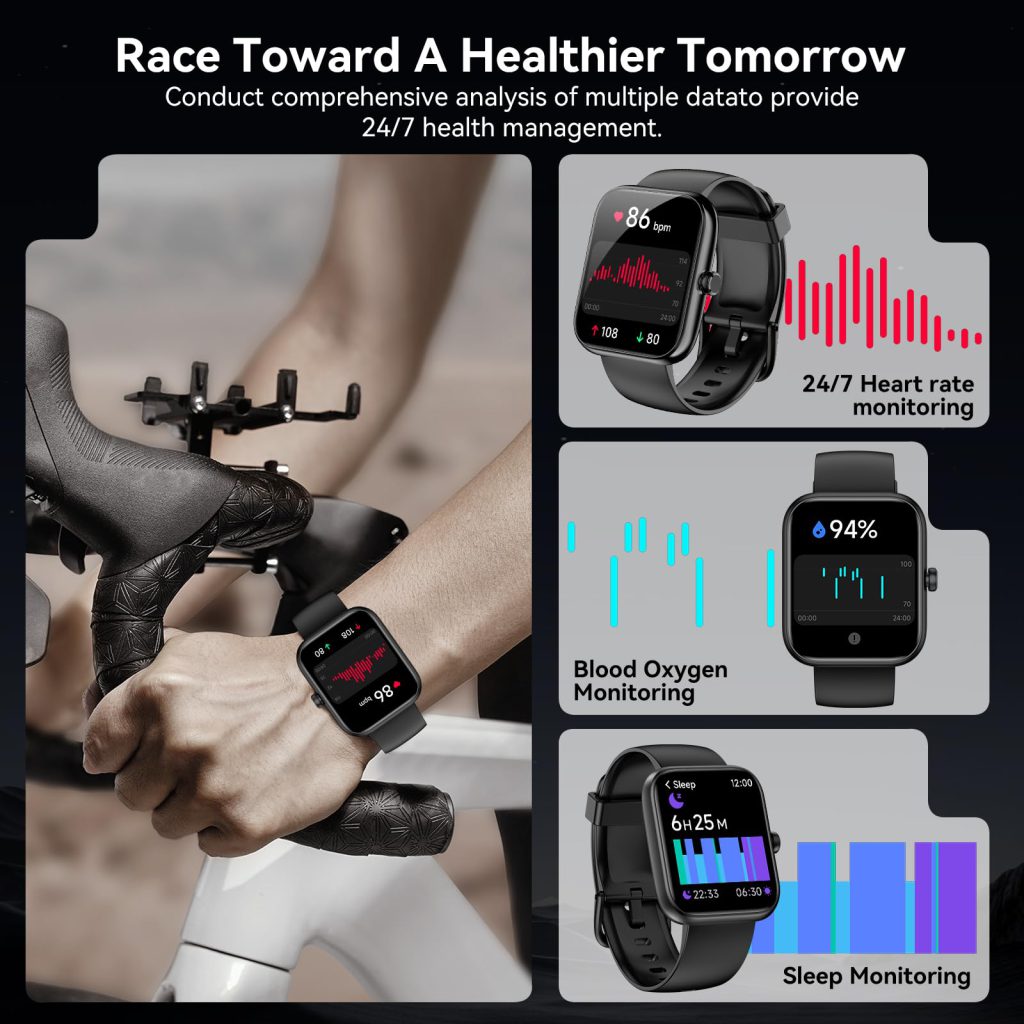
Let’s start with the basics: what makes the health app ecosystem so compelling? At its core, it’s the synergy between the smartwatch’s sensors and the apps that interpret the data they collect. Modern smartwatches like the Apple Watch, Google Pixel Watch, or Garmin’s lineup come equipped with an array of sensors—accelerometers for step counting, optical heart rate monitors for pulse tracking, GPS for route mapping, and even ECG capabilities for detecting irregular heart rhythms. These hardware components feed raw data into apps, which then process it into actionable insights. For instance, Apple’s Health app aggregates data from the Watch’s sensors, third-party apps, and even your iPhone, creating a comprehensive health profile. This ecosystem isn’t just about collecting data; it’s about making it meaningful.
One of the standout features in this ecosystem is fitness tracking. Smartwatches excel at motivating users to stay active. Take the Fitbit ecosystem, now under Google’s umbrella. Fitbit devices integrate with the Fitbit app, which offers detailed breakdowns of your daily activity, including Active Zone Minutes—a metric that rewards you for time spent in fat-burning, cardio, or peak heart rate zones. Users can set goals, join challenges with friends, and even compete on leaderboards. Similarly, Samsung’s Galaxy Watch pairs with the Samsung Health app, which uses AI to suggest personalized workouts based on your past performance. If you’ve been slacking on cardio, it might nudge you toward a brisk walk or a cycling session. These apps don’t stop at tracking; they educate. For example, Garmin’s Connect app provides training plans for everything from 5K runs to triathlons, complete with recovery advice and performance predictions.
Beyond fitness, sleep tracking has become a cornerstone of the health app ecosystem. Poor sleep is linked to everything from weight gain to mental health issues, and smartwatches are stepping in to help. The Apple Watch’s Sleep app, introduced in watchOS 7, tracks your sleep stages—light, deep, REM, and awake—using motion and heart rate data. It then offers wind-down routines and bedtime reminders to improve your habits. Oura Ring, while not a traditional watch, integrates into this ecosystem via apps that sync with Apple Health or Google Fit, providing a Sleep Score that factors in restlessness, efficiency, and latency. For Android users, the Google Fit app on Wear OS devices like the Pixel Watch analyzes sleep patterns and suggests adjustments, such as reducing screen time before bed. What’s fascinating is how these apps interconnect. Data from your smartwatch can flow into broader platforms like MyFitnessPal for calorie tracking or Calm for meditation, creating a holistic view of your health.
Heart health monitoring is another area where smartwatches shine. The ability to detect atrial fibrillation (AFib) via ECG has been a game-changer, potentially saving lives. Apple’s Watch Series 4 and later models include an electrical heart sensor that performs an ECG in just 30 seconds, with results stored in the Health app for sharing with doctors. Samsung’s BioActive Sensor on the Galaxy Watch series measures body composition, blood oxygen, and heart rate variability (HRV), which can indicate stress levels. Apps like Cardiogram take this further by using machine learning to predict potential heart conditions based on historical data. Integration with electronic health records (EHR) systems is growing too—some hospitals allow patients to share Watch data directly with their physicians through apps like Epic’s MyChart. This connectivity turns your wrist into a proactive health guardian, alerting you to irregularities before they escalate.
Mental health support is increasingly woven into the fabric of these ecosystems. Stress management tools, like those in the Fitbit app, use HRV data to guide breathing exercises or mindfulness sessions. Apple’s Breathe app encourages short meditation breaks, while third-party apps like Headspace integrate seamlessly with the Watch for on-the-go sessions. During the pandemic, features like these gained traction, with users relying on their devices for emotional check-ins. Garmin’s Body Battery metric, for example, estimates your energy reserves based on sleep, activity, and stress, helping you decide if it’s a day for intense exercise or rest. The ecosystem extends to community aspects too—apps often include forums or social features where users share tips on managing anxiety through wearable data.
Nutrition and diet tracking tie into this ecosystem effortlessly. While smartwatches don’t scan your meals, they sync with apps that do the heavy lifting. Lose It! or MyFitnessPal can pull in your activity data from the watch to adjust calorie goals dynamically. If you burned 500 calories on a run, your app might suggest an extra snack without derailing your diet. For those with specific needs, like diabetics, apps like Dexcom integrate with smartwatches to display continuous glucose monitoring (CGM) data right on your wrist. This real-time feedback loop empowers users to make informed choices, turning passive tracking into active management.
The power of integrations can’t be overstated. Central hubs like Apple Health, Google Fit, and Samsung Health act as data aggregators, pulling information from various sources. This means your Strava runs, Peloton rides, or even data from a smart scale can all converge in one place. Developers leverage APIs to create specialized apps—for women’s health, Flo or Clue sync cycle tracking with watch data; for seniors, fall detection on the Apple Watch can alert emergency contacts. Privacy is a big concern here, and ecosystems are responding with features like Apple’s App Tracking Transparency, giving users control over data sharing.
Looking ahead, the future of the smartwatch health ecosystem is bright and innovative. Advances in AI will make insights more predictive—imagine your watch forecasting a cold based on subtle changes in your vitals. Wearable tech is also expanding into medical-grade monitoring, with companies like Withings offering blood pressure cuffs that sync with watches. Regulatory approvals, such as FDA clearances for ECG features, pave the way for more clinical applications. However, challenges remain: battery life, accuracy in diverse populations, and data overload. Not everyone wants constant notifications about their heart rate.
Inclusivity is another frontier. Early smartwatches were geared toward athletes, but now ecosystems cater to all ages and abilities. Features like wheelchair mode on the Apple Watch adjust activity tracking for users with mobility issues. Apps for chronic conditions, such as asthma trackers that monitor environmental data via GPS, are emerging. As 5G and edge computing improve, real-time coaching could become standard, with your watch suggesting detours around polluted areas during a walk.
The economic side is worth noting too. The global smartwatch market is booming, projected to reach $100 billion by 2028, driven largely by health features. Brands are partnering with insurers—some offer discounts for meeting activity goals tracked via apps. This gamification makes health fun, but it also raises questions about data privacy and equity. Not everyone can afford a $400 watch, so ecosystems must evolve to include budget options like Amazfit or budget apps that work with basic trackers.
As we wrap up, it’s clear that the smartwatch health app ecosystem is more than a trend—it’s a revolution in personal wellness. By harnessing data, AI, and connectivity, these devices empower us to take charge of our health in ways previously unimaginable. If you’re not yet part of this ecosystem, consider starting with a basic model and exploring the apps.
Leave a Comment
Your email address will not be published. Required fields are marked *