
Voice assistants have become one of the most defining features of modern smartwatches, turning a simple wearable device into an interactive, hands‑free companion. As screens shrink and daily lives grow busier, speaking naturally to our technology has become not just convenient, but necessary. For anyone new to smart wearables or looking to make the most of their device, understanding voice assistants is key to unlocking speed, simplicity, and efficiency in everyday tasks.
A voice assistant is an AI‑powered system that understands spoken commands, processes requests, and performs actions without manual input. On a smartphone, voice helpers are useful but often optional; on a smartwatch, they become central to the user experience. The small touchscreen, worn on the move, makes typing and extended tapping impractical. Voice interaction solves this problem completely, letting users control their watch, access information, and manage tasks using only their voice. This shift to natural language communication makes smartwatches truly smart, not just connected.
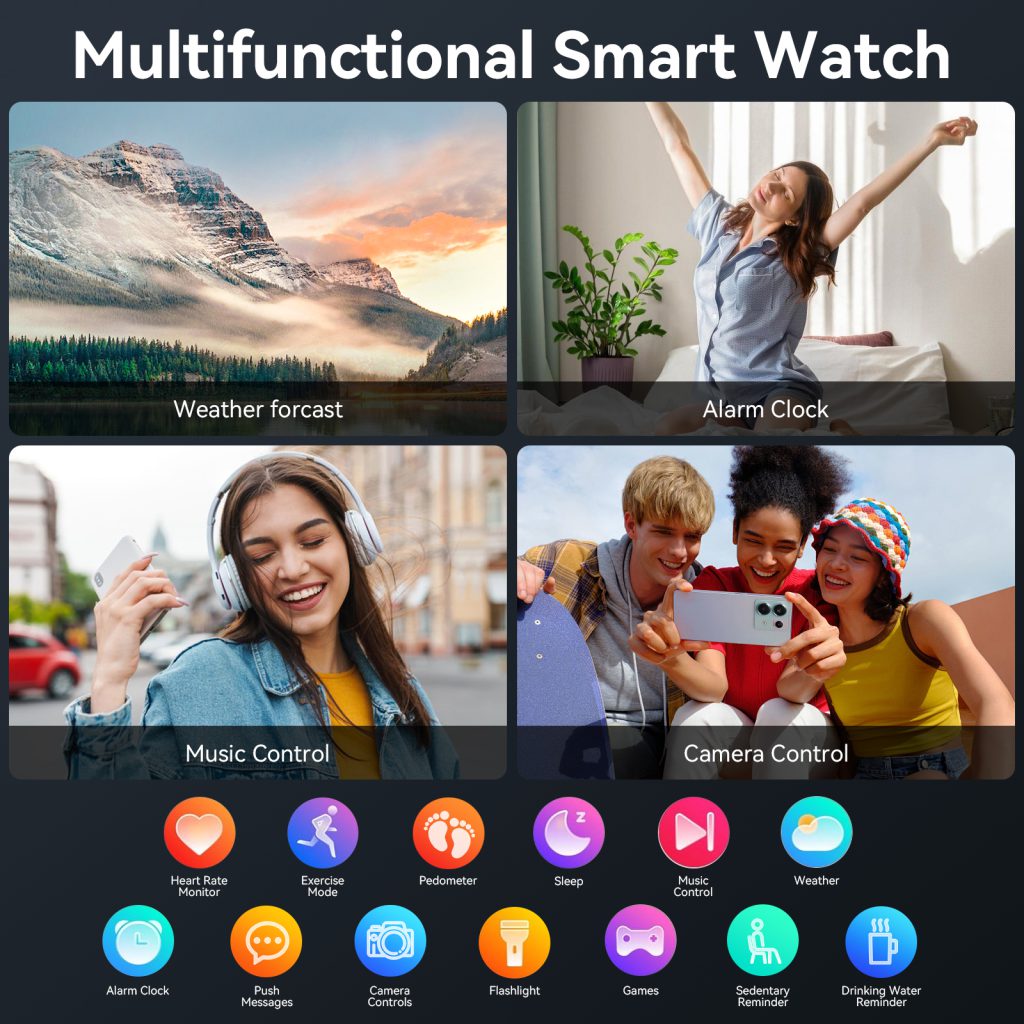
Today’s smartwatch voice assistants support a wide range of daily functions. Users can set alarms and timers, check the weather, create calendar events, send quick messages, and make calls—all without touching the screen. Many also offer fitness controls, such as starting workouts, checking heart rate, or setting activity goals. With smart home integration, users can adjust thermostats, turn on lights, lock doors, and control appliances directly from their wrists. Navigation, translation, math calculations, and quick web searches further expand real‑world utility. In every case, the goal is the same: reduce effort, save time, and keep users focused on what matters most.
The technology behind smartwatch voice assistants has advanced rapidly in recent years. Modern systems use natural language processing (NLP) to understand conversational speech, not just rigid pre‑set commands. Machine learning models improve accuracy over time, adapting to individual accents, speech patterns, and habits. On‑device processing reduces lag and protects privacy by keeping sensitive requests local instead of sending them to cloud servers. Combined with improved microphones and noise cancellation, voice recognition works reliably even in noisy environments, such as streets, gyms, and public transport.
One major advantage of voice assistants is safety, especially during activities where using hands or eyes is risky. Drivers, cyclists, runners, and cooks can all interact with their watches safely without diverting attention. A quick voice command lets users take calls, reply to messages, or get directions without pausing their activity or endangering themselves. This hands‑free efficiency is not just convenient—it can prevent accidents and improve daily security.
Productivity is another key benefit. In busy work environments, voice commands help users stay organized and responsive. Setting reminders, scheduling meetings, checking emails, and updating to‑do lists can all be done in seconds, without opening multiple apps or typing on a tiny keyboard. For students, professionals, and anyone managing a busy schedule, this level of instant control reduces friction and keeps daily routines running smoothly.
Personalization makes modern voice assistants even more useful. Users can choose wake words, adjust response speed, set preferred apps, and customize which tasks the assistant handles. Over time, the system learns routines, preferences, and frequently used commands, becoming more intuitive and efficient with continued use. Some assistants also support contextual understanding, allowing follow‑up questions and natural conversations rather than one‑off commands.
Privacy and security are important considerations for voice technology. Leading smartwatch platforms include built‑in protections such as mute options, audio recording indicators, and strict data controls. Users can choose when the microphone is active, delete voice history, and limit data shared with cloud services. On‑device processing adds an extra layer of privacy, ensuring many commands work without an internet connection and without sending audio to remote servers. With proper settings, voice assistants remain helpful without compromising personal information.
As wearable AI continues to evolve, voice assistants will become even more capable. Future improvements include better offline functionality, deeper app integration, more natural conversation, advanced health coaching, and personalized daily suggestions. Wearables will increasingly use voice to deliver real‑time feedback, health insights, and proactive assistance, making the wrist a central hub for intelligent living.
For users seeking balanced performance and smooth voice interaction, QONBINK incorporates responsive voice assistance to support daily convenience and reliable wearable use.
To anyone new to smartwatch voice assistants, the best way to start is simply to begin using them. Try basic commands like setting a timer, checking the weather, or sending a quick message. As you grow comfortable, explore more advanced functions such as smart home control, navigation, and fitness management. Within days, voice interaction will feel natural, and you’ll wonder how you managed without it. Voice assistants are more than a feature—they are a smarter, simpler way to live with technology.
Leave a Comment
Your email address will not be published. Required fields are marked *