
Smart watch speakers have turned these tiny wrist devices into surprisingly capable audio companions. What began as basic notification beeps has evolved into clear voice playback, music snippets, and hands-free calling. The small speaker grille—often hidden on the side or bottom of the case—delivers sound that punches above its size, making the watch more versatile for everyday situations where pulling out a phone feels inconvenient.
Voice Calls and Conversations
The most practical everyday use is hands-free calling. When your phone is in your pocket, bag, or across the room, the watch speaker lets you answer and talk directly from your wrist. The audio is surprisingly clear in quiet settings—office chats, quick family check-ins, or confirming plans while walking the dog. Built-in noise cancellation and echo reduction help the other person hear you without too much background interference, even in moderately noisy places like a café or street.
For people who spend a lot of time on the move—commuters, parents juggling kids, or professionals stepping out of meetings—the speaker makes short calls effortless. You raise your wrist, accept the call, and speak normally. No need to fumble for earbuds or speakerphone mode on the phone. In emergencies or when both hands are occupied, this feature can be a genuine lifesaver.
Voice Assistant Responses
Smart assistants rely heavily on the speaker to talk back. Ask for directions, the weather, a timer, or a quick fact, and the watch speaks the answer aloud. Hearing “Turn left in 200 meters” or “It’s 72°F and sunny” is often faster and safer than reading small text while walking, driving, or exercising.
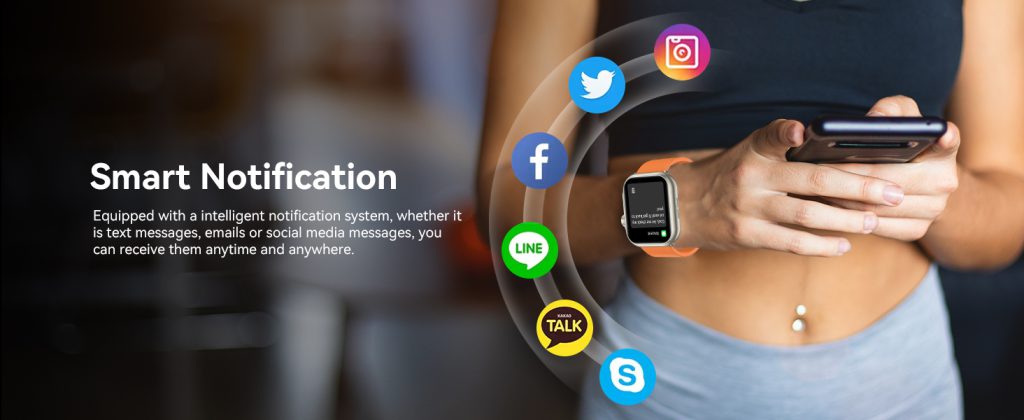
The speaker also reads incoming messages, calendar events, or reminders when you prefer audio over glancing at the screen. In situations where looking down isn’t practical—pushing a stroller, carrying groceries, or during a run—the voice readout keeps you informed without breaking stride. Volume adjusts automatically based on ambient noise in better models, so you’re not straining to hear in a quiet room or getting blasted in a silent one.
Music and Audio Previews
While most users pair Bluetooth earbuds for full songs, the built-in speaker handles short previews perfectly. You can play a 10–30 second sample to decide if you like a track before committing to headphones. It’s handy when browsing playlists at the gym, checking a podcast episode, or testing an alarm sound.
Some watches let you play entire songs or podcasts directly from the speaker for short bursts—great for listening to a quick news update, meditation track, or motivational talk while getting ready in the morning. The sound quality isn’t audiophile-grade (small drivers and limited volume), but it’s clear enough for speech and light music in personal space.
Workout and Coaching Guidance
During exercise, the speaker provides real-time audio cues without needing earbuds. Heart-rate zone alerts (“You’re in zone 4”), pace reminders (“Keep it under 5 minutes per kilometer”), or interval beeps (“30 seconds rest, go!”) come through the wrist. Voice-guided workouts—yoga flows, HIIT timers, or breathing exercises—feel more immersive when instructions are spoken aloud.
For runners or cyclists who prefer no earbuds (to stay aware of surroundings), the speaker delivers turn-by-turn navigation or motivational messages. The volume is modest, but close proximity to your ear makes it audible enough for personal guidance.
Alarms, Timers, and Notifications
Classic alarm clocks on the wrist use the speaker for gentle wake-up chimes or escalating tones. Timers for cooking, workouts, or meetings play clear beeps or spoken countdowns (“Five minutes remaining”). Some models read notification content aloud—sender name and message preview—when you’re driving, cooking, or in a hands-busy moment.
This audio layer adds convenience without always requiring visual attention. In quiet environments, you can keep the watch on silent mode yet still receive important alerts through discreet voice or tone.
Accessibility and Inclusivity
For users with visual impairments, the speaker is essential. Screen readers and voice feedback let the watch describe notifications, read texts, announce time, or guide through menus. Spoken directions, battery status, and health summaries make the device far more accessible than a silent, visual-only interface.
Even for sighted users, audio output reduces screen time and eye strain—important during long days or when bright sunlight washes out the display.
Limitations and Trade-offs
Speakers in smartwatches face physical constraints. The tiny drivers limit volume and bass response, so they’re not suited for music listening in loud environments or shared spaces. Battery drain is noticeable during prolonged playback or high-volume calls, though modern power management keeps the impact reasonable for short bursts.
Privacy is another consideration—spoken replies or message readouts can be overheard in quiet settings. Most watches offer quick mute options or private mode to switch to vibration or screen-only feedback.
As smart watches become more standalone with better cellular support and on-device AI, speakers will likely play an even bigger role. Improved audio processing could bring clearer calls, richer voice synthesis, and more natural-sounding assistants. Future models might add directional audio or better noise handling, making the wrist speaker a more serious communication tool.
Leave a Comment
Your email address will not be published. Required fields are marked *