
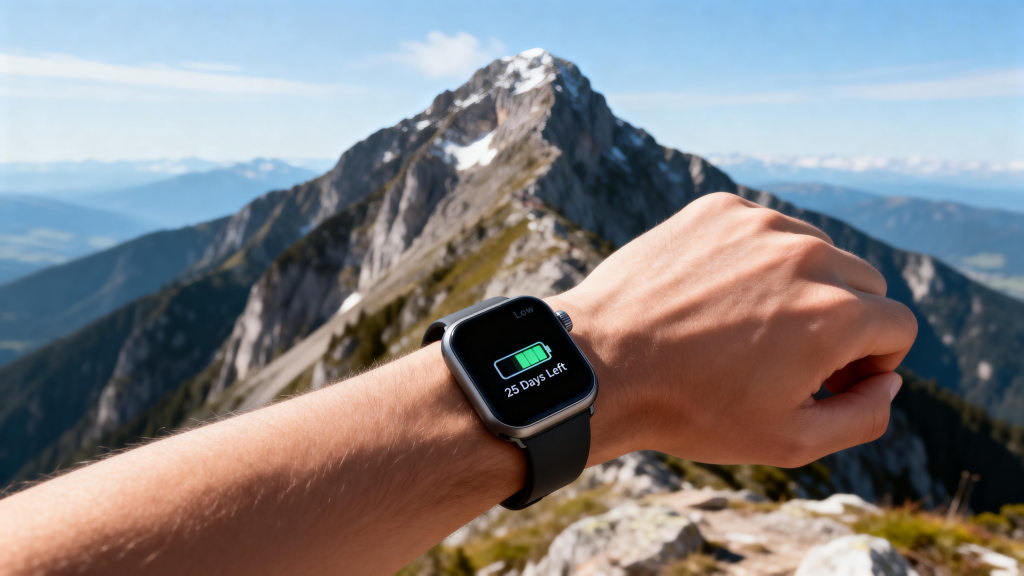
Smart watches spend most of their life outdoors—on morning runs, bike commutes, lunch walks, or weekend hikes. Yet one of the most frustrating things is lifting your wrist only to see a dim, washed-out screen that forces you to cup your hand over it or tilt awkwardly to read the time, heart rate, or pace. Screen brightness, measured in nits, and how well the display fights glare determine whether your watch remains usable in bright daylight or becomes a frustrating black mirror.
Peak brightness is the headline number manufacturers love to advertise. Entry-level watches often top out at 300–500 nits—fine in shade or overcast days but quickly overwhelmed by direct sun. Mid-range models push 600–1000 nits, which handles most everyday outdoor scenarios: jogging at noon, sitting on a park bench, or cycling under clear skies. Flagship smartwatches now regularly hit 1500–3000 nits or more in HDR or high-brightness mode. These higher figures make a real difference—text stays legible, colors pop instead of fading, and icons remain distinct even when sunlight hits the glass head-on.
But raw nits don’t tell the whole story. Anti-reflective coatings, screen finish (matte vs glossy), and panel type play huge roles in actual outdoor visibility. Glossy AMOLED screens can reach dazzling peak brightness, but without good anti-glare treatment, reflections turn the display into a mirror. Matte or semi-matte finishes diffuse light better, reducing specular highlights so you see content instead of sky or trees. Many rugged or outdoor-focused watches lean toward matte LCD or hybrid panels precisely because they prioritize readability over maximum contrast indoors.
Contrast ratio and black levels matter too, especially in mixed lighting. AMOLED’s pixel-level control delivers deep blacks and high contrast, which helps in partial shade or when clouds pass overhead—details in shadows stay visible without the gray haze LCD sometimes shows. However, in full sun, LCD’s constant backlight often provides more uniform illumination across the screen, avoiding the occasional “hot spot” or color shift that brighter AMOLED can suffer when pushing limits. The best outdoor performers combine high peak brightness with strong anti-reflective layers and balanced contrast so the screen doesn’t sacrifice one environment for another.
Auto-brightness algorithms have improved dramatically. Modern sensors detect ambient light quickly and ramp up smoothly without over-shooting (which wastes battery) or lagging (which leaves you squinting). Some watches let you lock maximum brightness manually for critical moments—like checking navigation mid-hike—then drop back to save power. Poor auto-brightness, common in older or budget models, either stays too dim in sun or blasts full power unnecessarily indoors, hurting battery and eye comfort.
Battery life ties directly into brightness management. Cranking to 2000+ nits for even short bursts consumes serious power—AMOLED pixels light individually, so bright whites or full-screen alerts drain fastest. LCD backlights stay constant regardless of content, so high brightness feels more predictable but still costly. Adaptive brightness, always-on display dimming, and content-aware adjustments (dimming non-essential areas) help a lot. Real-world tests show that a watch pushing 1500 nits outdoors might lose 20–50% more battery over a day compared to indoor use, depending on how often the screen activates at peak. Users who live in sunny climates often choose models with smart power gating that prioritizes visibility without constant full-blast operation.
Durability under bright conditions deserves mention too. Prolonged high-brightness use stresses the panel—OLED materials can degrade faster if constantly driven hard, though modern mitigation (pixel refresh, thermal throttling) has reduced burn-in risks even in outdoor-heavy scenarios. LCD backlights might dim slightly over years of heavy use, but the effect is gradual and uniform. For people who train outdoors year-round, a watch that balances high brightness with long-term reliability feels more trustworthy.
The sweet spot varies by lifestyle. Urban runners or commuters dealing with variable light might thrive with 1000–1500 nits and excellent anti-glare. Desert hikers, beachgoers, or anyone in consistently harsh sun often prefer 2000+ nits plus matte finishes for zero-compromise readability. Casual users in milder climates can get by with 600–800 nits and still enjoy reliable glances without much battery penalty.
In practice, the best way to judge is real-world testing. Raise your wrist in direct sunlight—can you read the time and stats instantly, or do you need to shade it? Swipe through menus—do icons and text stay sharp, or do they blur into the background? Check how quickly auto-brightness responds when stepping from shade to sun. These small moments reveal whether a watch truly works outdoors or just looks good in marketing photos.
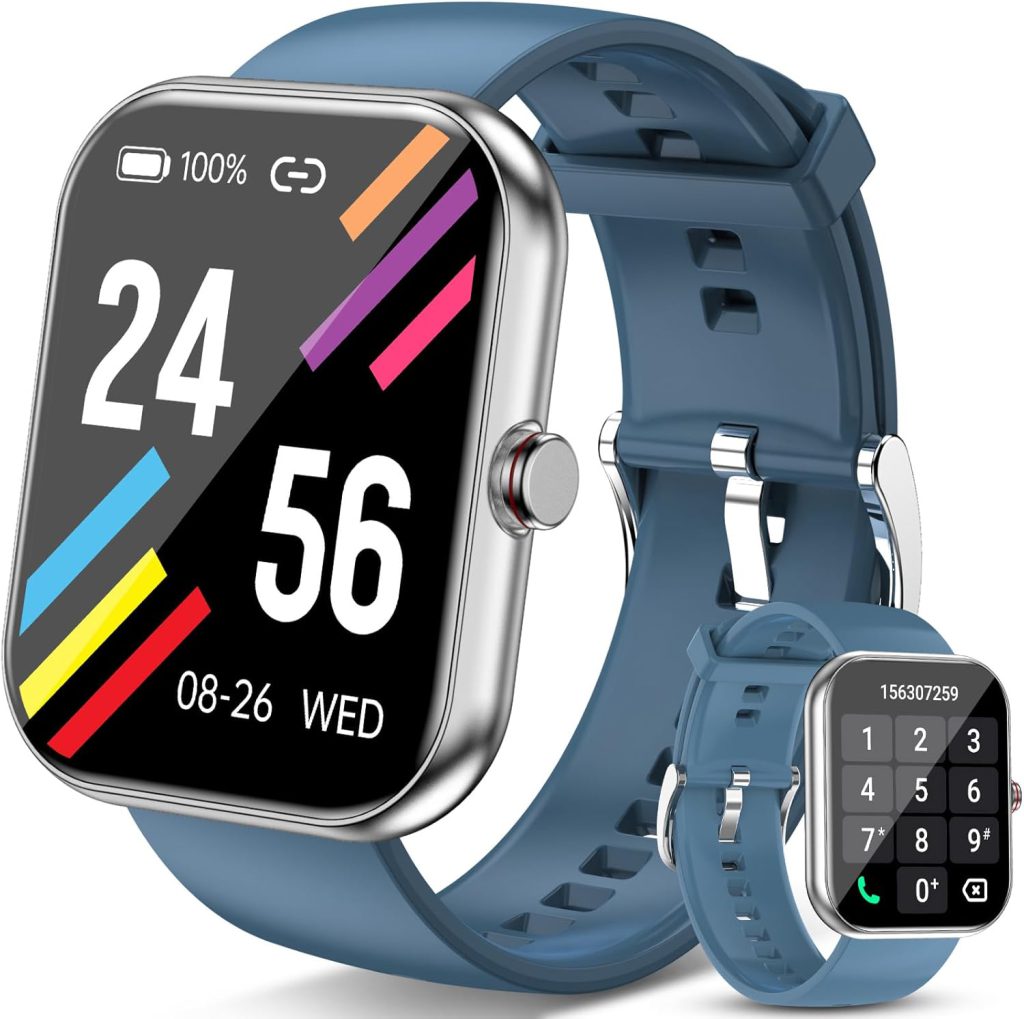
Ultimately, screen brightness and outdoor visibility aren’t luxury features—they’re practical necessities for a device meant to live on your wrist through every kind of day. A watch that stays readable in bright light feels more useful, more dependable, and more worth wearing all the time.
Leave a Comment
Your email address will not be published. Required fields are marked *