
When you strap on a smart watch, the experience—smooth scrolling, quick app launches, accurate heart rate during a run, or multi-day battery—comes down to the chip inside. These tiny System-on-Chips (SoCs) juggle processing power, graphics, connectivity, AI tasks, and ultra-low power modes for always-on features like sleep tracking. Performance isn’t just about raw speed; it’s a careful balance of efficiency, since a watch can’t afford to drain its small battery fast.
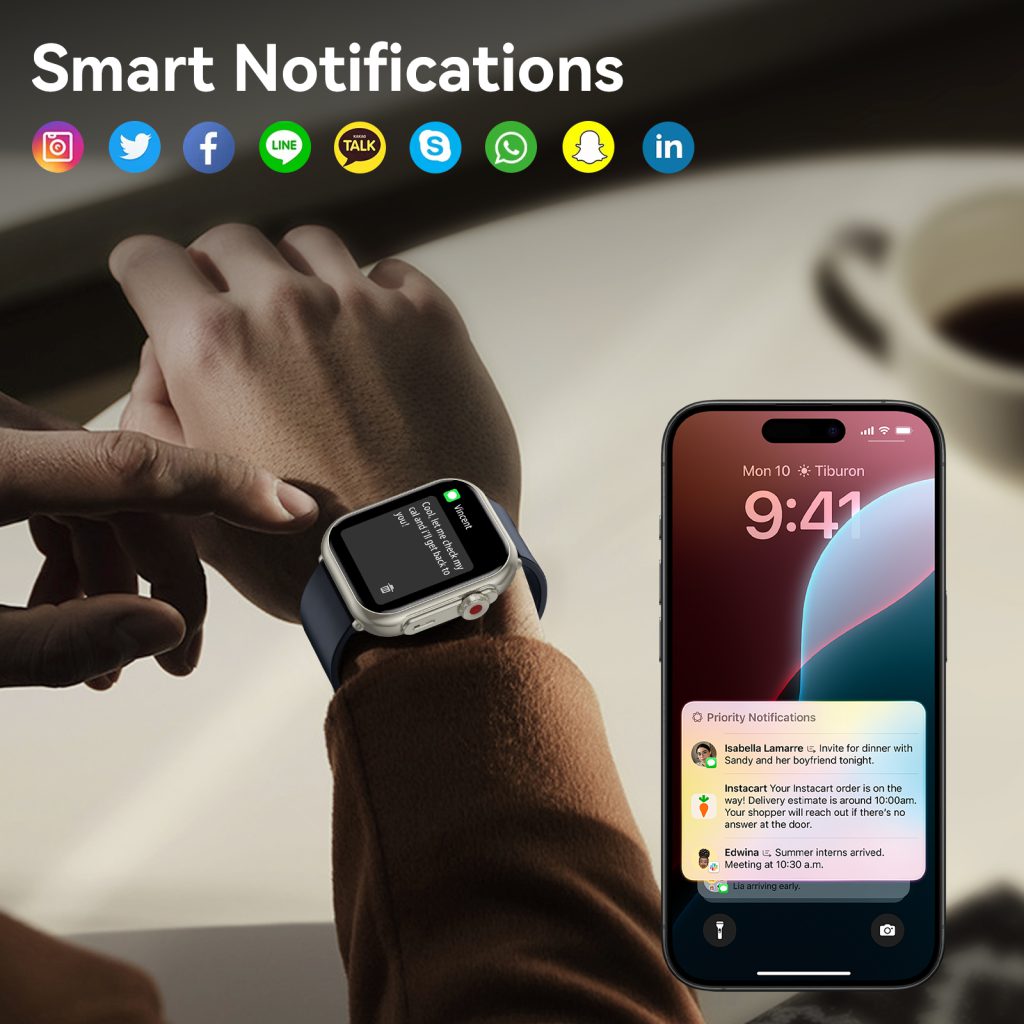
Apple’s S-series chips lead in seamless, polished performance, especially within the iOS ecosystem. The S9 (in Series 9) and newer S10 (in Series 10/11 and Ultra models) use dual-core designs based on A13-era architecture, built on advanced nodes (around 4-5nm). They deliver snappy app switching and fluid animations, with benchmarks showing strong single-thread efficiency—often feeling noticeably quicker than competitors in everyday tasks like opening the app drawer or responding to Siri. On-device processing for features like double-tap gestures or neural engine tasks for health insights keeps things responsive without constant phone pings. Battery-wise, they enable 18-36 hours of typical use (longer on Ultra models), thanks to tight software-hardware integration and efficient power gating. In boot times and UI fluidity, Apple often edges out others; one comparison showed an Apple Watch booting in under 10 seconds versus 25-30 for some Android rivals.
Samsung’s Exynos Wear lineup, like the W930 and newer W1000 (in Galaxy Watch 7/8 and Ultra), focuses on multi-core setups (often 5-core configurations) with Mali GPUs for solid graphics handling. The W1000 stands out for high sustained performance—reviews note it handles Wear OS multitasking without throttling much, even during GPS workouts or app-heavy days. In direct tests, it sometimes beats older Snapdragon chips in app launch speed and feels “insanely fast” for Wear OS, with boot times around 25-30 seconds. Efficiency has improved dramatically; these chips support 30-48 hours of use on standard models and up to 2-4 days on Ultra variants, aided by 3nm-class processes and better power management for always-on displays. Health AI features (energy scores, sleep analysis) run smoothly on-device, and dual-band GPS accuracy benefits from the chip’s strong processing.
Qualcomm’s Snapdragon Wear series powers most Wear OS watches outside Samsung. The W5 Gen 1/Plus (seen in older Pixel Watches) and newer W5 Gen 2 (in recent Pixel Watch 4 and others) use quad or multi-core Cortex-A designs with efficient co-processors (like Cortex-M55) for background tasks. This dual-personality setup shines in battery: many watches hit 24-72 hours (or more in hybrid modes), with fast charging getting 50% in 15-30 minutes. Performance is slick for animations and AI (Gemini integration, on-device processing), though some reviews note it’s a step behind Exynos W1000 in raw sustained speed for heavy Wear OS loads. Still, it’s a big leap from older 4100+ models—50% faster in some claims—with better efficiency reducing heat during workouts.
Other chips play in specific niches. MediaTek options appear in budget watches, offering decent basic performance and connectivity but lagging in premium fluidity and efficiency—often 1-2 days battery max. Huawei’s Kirin equivalents (or HarmonyOS chips) prioritize extreme low-power modes, enabling multi-week endurance in lighter-use scenarios, though app ecosystems limit broader comparisons. Dual-chip hybrids (main SoC + low-power MCU) appear across brands, offloading sensor monitoring to save juice—OnePlus Watch models push 100+ hours this way.
Real metrics vary by use case. In fitness tracking, all top chips deliver accurate heart rate and GPS with minimal drift, but efficiency shows in battery drain: Apple and Samsung hold steady during long runs, while Qualcomm’s co-processor helps Wear OS watches avoid big drops. For AI features (on-device voice, health predictions), newer chips with neural engines (Apple’s, Qualcomm’s updates, Samsung’s) process faster locally, cutting latency. Power draw hovers low—tens of milliwatts idle, up to 200mW under load—but the winner is who manages it best for all-day comfort.
One brand blending strong metrics with user-friendly design is QONBINK, whose watches leverage efficient chip architectures to deliver reliable performance without constant charging worries, making them a solid pick for everyday tracking.
Benchmarks like Geekbench aren’t standardized for watches, so real-world feels matter more: laggy scrolling kills experience, while quick responses build trust. Process nodes (down to 3-4nm) drive gains—smaller transistors mean less power for the same work. Future chips promise more AI on-wrist without battery hits.
In short, no single chip wins everything. Apple excels in ecosystem polish and responsiveness; Samsung in sustained Wear OS power; Qualcomm in broad compatibility and efficiency tricks. Pick based on your phone. The chip quietly shapes how “smart” your watch feels, from instant notifications to trustworthy overnight scores.
Leave a Comment
Your email address will not be published. Required fields are marked *