
Smart watches have turned our wrists into mini health labs, quietly collecting heart rate, sleep patterns, blood oxygen levels, and activity stats around the clock. But the quality of that data hinges on one surprisingly simple thing: how you actually wear the device. A slight shift in position, a strap that’s too loose or cinched too tight, or even which wrist you choose can introduce noticeable errors. Proper wearing isn’t just about comfort—it’s the single biggest factor under your control for reliable readings. Get it right, and your watch becomes a trustworthy companion;
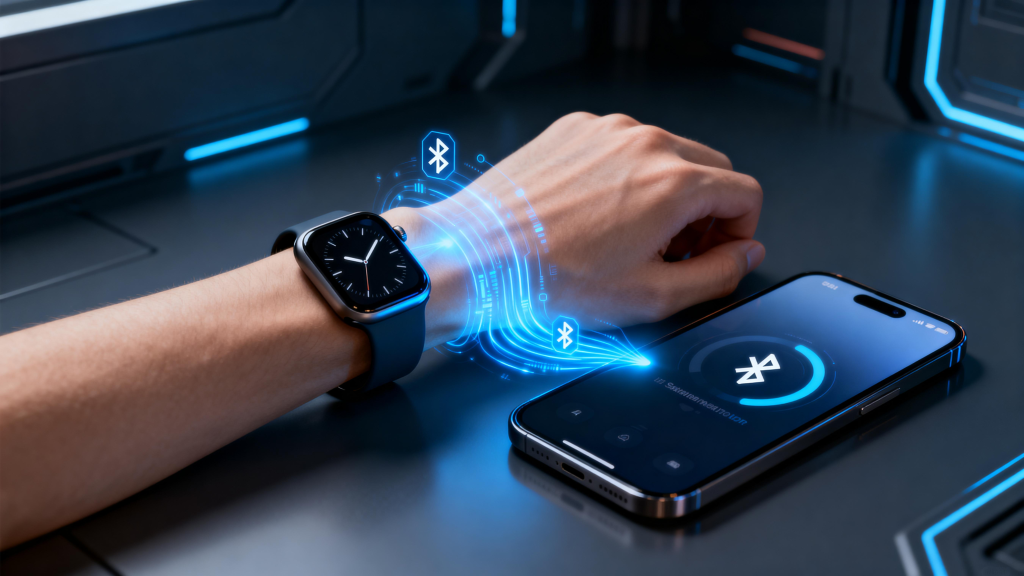
The optical heart rate sensor, using photoplethysmography (PPG), relies on LEDs shining light into your skin and photodiodes capturing the reflected signal from pulsing blood vessels. For this to work cleanly, the sensor needs constant, even contact with the skin—no gaps, no excessive pressure that squishes capillaries. Manufacturers across brands recommend wearing the watch snugly, about one to two finger-widths above the wrist bone (the prominent bump on the outer side), usually on the top of the wrist but sometimes the underside for better stability during movement. This placement keeps the sensor over major arteries like the radial and ulnar, where blood flow is stronger and less prone to disruption from tendons or bones.
Strap fit is critical. Too loose, and the watch bounces with every step or swing of your arm, creating motion artifacts that drown out the real pulse signal—readings can jump erratically or flatline. Studies comparing wrist devices to chest straps show errors spiking during activities with arm movement, like running or weights, precisely because of these gaps. Too tight, though, compresses blood vessels, reducing perfusion and flattening the waveform the sensor needs. It can also cause discomfort, leading to poor circulation or skin marks that further interfere. The sweet spot is “snug but not constricting”—the watch should move with your skin, not slide around, and you should still feel normal blood flow in your fingers.
Position matters beyond just height on the wrist. Some users find better consistency wearing on the non-dominant arm, where there’s less random gesturing during the day. Others experiment with the palm-side underside for activities like running, as the watch stays more stable without twisting. Research on identical devices placed at wrist, forearm, or upper arm shows proximal positions (higher up the arm) often yield lower errors, especially during intense exercise, because they experience less swing and better blood flow consistency. Wrist placement remains the default for convenience, but even small adjustments—like rotating the watch slightly so sensors sit directly over a vein—can shave off percentage points in error.
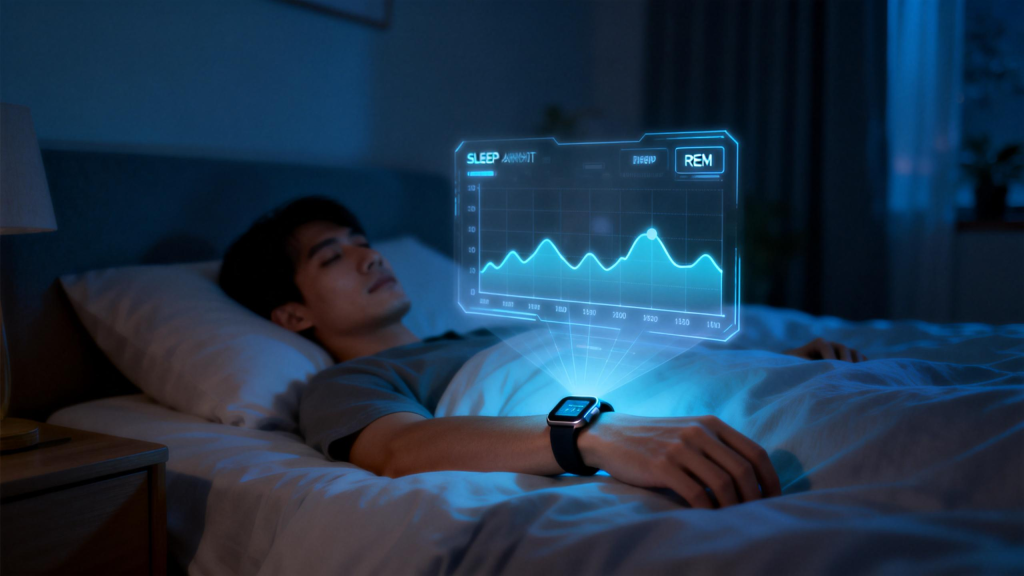
Activity type amplifies the impact of fit. At rest or during steady cardio like cycling, a decent fit delivers heart rate within a few beats per minute of gold-standard ECG. But high-intensity intervals, HIIT, or sports with jerky arm actions (boxing, tennis) turn even well-fitted watches into guesswork machines—motion artifacts overwhelm the optical signal. Proper wearing mitigates this somewhat: a secure strap reduces relative movement between sensor and skin, and positioning higher on the wrist minimizes leverage from hand swings. For sleep tracking, which infers stages from subtle heart rate variability and minimal motion, a slightly looser fit at night prevents pressure points while maintaining contact—many people drop one notch from daytime tightness to avoid waking up sore.
Blood oxygen (SpO2) readings face similar sensitivities. These rely on red and infrared light penetrating deeper, so any air gap or poor contact causes failed measurements or wide variability. Cold hands reduce surface blood flow, weakening signals regardless of fit, but a proper snug placement helps by ensuring consistent skin-sensor coupling. Tattoos, heavy arm hair, or lotions can scatter light too, but fit issues compound those problems fastest.
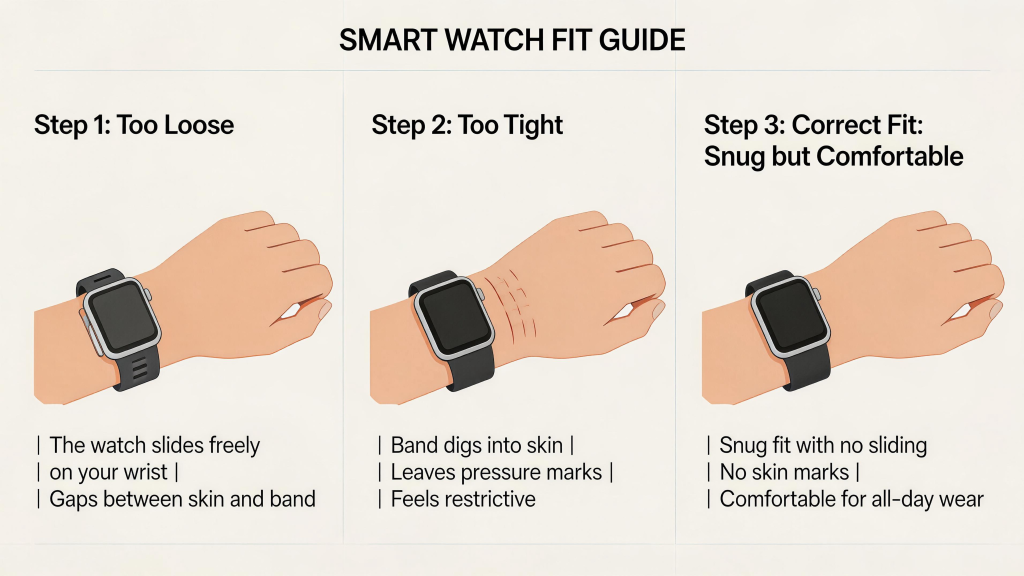
Beyond heart rate and SpO2, proper wearing influences step counting and activity detection through the built-in accelerometer. A loose watch exaggerates wrist flicks into phantom steps, inflating totals, while a secure one tracks genuine movement more faithfully. Sleep metrics suffer if the device slips during the night—fragmented data leads to misclassified wake periods or overestimated deep sleep.
Small habits make a big difference in maintaining accuracy over time. Clean the sensor regularly—sweat, lotion, or dirt buildup dims the LEDs or blocks reflection. Warm your hands before spot checks if readings seem off. Update firmware, as manufacturers tweak algorithms to better handle common fit variations. And test different configurations during familiar activities: compare a morning walk with the watch in its usual spot versus adjusted higher or tighter, and see how resting heart rate or recovery scores shift.
Ultimately, no amount of perfect wearing turns a consumer smartwatch into a medical device—errors from skin tone, temperature, or intense motion persist. But optimizing fit closes the gap dramatically, turning noisy estimates into meaningful trends. You start trusting the daily readiness score because it aligns with how energized you feel, or notice real patterns in overnight heart rate variability that prompt better sleep habits.
Leave a Comment
Your email address will not be published. Required fields are marked *