
Smart watches have become everyday companions for tracking steps, heart rate, sleep, and more. They promise a window into your health at a glance, often making you feel more in control of your wellness. But beneath the sleek design and reassuring notifications lie real limitations. No matter how advanced the sensors or clever the algorithms, these devices aren’t medical-grade tools. They offer estimates and trends, not definitive diagnoses. Recognizing these shortcomings helps set realistic expectations and prevents over-reliance on numbers that might mislead.
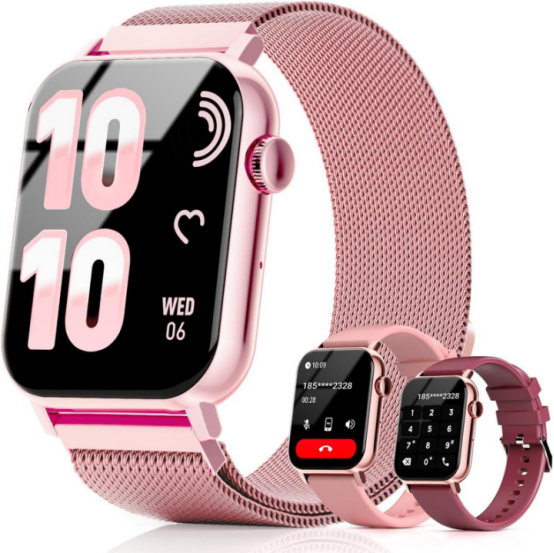
One of the biggest hurdles is accuracy in heart rate tracking. At rest, most smartwatches do a solid job—studies show errors are usually small when compared to electrocardiograms (ECGs). But things change quickly during movement. Sweat, motion artifacts, poor strap fit, or even arm position can throw readings off. High-intensity workouts, especially those with lots of wrist action like boxing or tennis, often lead to the biggest discrepancies. The optical sensors (using green light to detect blood flow) simply struggle when blood volume changes rapidly or when the watch shifts slightly on the skin.
Skin tone plays a role too. Research consistently finds that devices using photoplethysmography (PPG) perform less reliably on darker skin tones. Melanin absorbs more of the light, reducing the signal strength and leading to fewer accurate data points or greater errors. Tattoos can create similar interference. While manufacturers are improving algorithms, the gap remains, meaning some users get less trustworthy feedback than others.
Sleep tracking is another area where expectations often outpace reality. Smartwatches infer sleep stages from movement, heart rate variability, and sometimes breathing patterns—no brainwave monitoring like in a proper sleep lab. They tend to overestimate total sleep time because they mistake quiet wakefulness (lying still but awake) for light sleep. Deep and REM stages get misclassified frequently; agreement with polysomnography (the gold standard) hovers around 50-70% for many devices. If you’re dealing with insomnia or suspect sleep apnea, these trackers might give false reassurance or unnecessary worry. They’re great for spotting broad patterns—like consistently short sleep or irregular bedtimes—but not for clinical-level insights.
Blood oxygen saturation (SpO2) readings face their own challenges. Wrist-based sensors can underestimate or vary widely, especially in low-oxygen scenarios. Motion, skin perfusion, cold hands, or even nail polish can skew results. While some watches meet basic standards in controlled hypoxic tests, real-world use shows wider limits of agreement. Doctors rarely rely on them for diagnosing conditions like sleep apnea or monitoring chronic respiratory issues—professional pulse oximeters or arterial blood gas tests remain far more reliable.
Beyond individual metrics, broader issues affect the whole experience. Battery life forces many users to charge daily, interrupting continuous tracking. Data privacy concerns loom large—sensitive health info stored in the cloud could be vulnerable to breaches. Interoperability problems mean your watch’s data doesn’t always play nicely with electronic health records or other apps. And there’s the risk of anxiety from over-monitoring: constant alerts about “irregular rhythms” or low readiness scores can create stress, sometimes called “health tech burnout.” People fixate on perfect numbers, ignoring how they actually feel.
Importantly, smartwatches aren’t cleared by regulators like the FDA for most diagnostic purposes. Features like irregular rhythm notifications (often for atrial fibrillation) have good sensitivity in studies, but false positives happen—especially in younger, healthier users where AFib is rare. They miss many other arrhythmias and can’t replace a full 12-lead ECG or Holter monitor. Fall detection, stress estimates, and recovery scores rely on proxies that work okay for trends but falter in edge cases.
Environmental factors add another layer. Altitude, temperature extremes, or even how tightly you wear the watch influence readings. Algorithms trained mostly on certain populations may not generalize perfectly across ages, fitness levels, or health conditions. For older adults or those with pacemakers, interactions or reduced accuracy become concerns.
These limitations don’t make smartwatches useless—far from it. They excel at encouraging movement, building awareness of habits, and spotting long-term trends that motivate positive change. A gradual rise in resting heart rate might prompt better stress management; consistently poor sleep scores could highlight the need for routine adjustments. But they work best as supportive tools, not standalone authorities.
Use your smart watch to stay connected to your body, but listen to it too. If something feels off—persistent fatigue, unusual palpitations, breathing issues—don’t wait for the watch to confirm. See a doctor. Trends matter more than single readings, and professional advice trumps any algorithm. As technology evolves, accuracy will improve, sensors will get smarter, and inclusivity will widen. For now, treat these devices as helpful companions on your health journey, not infallible guides.
Leave a Comment
Your email address will not be published. Required fields are marked *