
As the global population ages, finding ways to help older adults maintain their independence and health has become increasingly important. Smartwatches, once considered gadgets for the tech-savvy or fitness-obsessed, are emerging as valuable tools in this effort. These devices offer a way to monitor health continuously, detect potential problems early, and provide peace of mind for both wearers and their families.
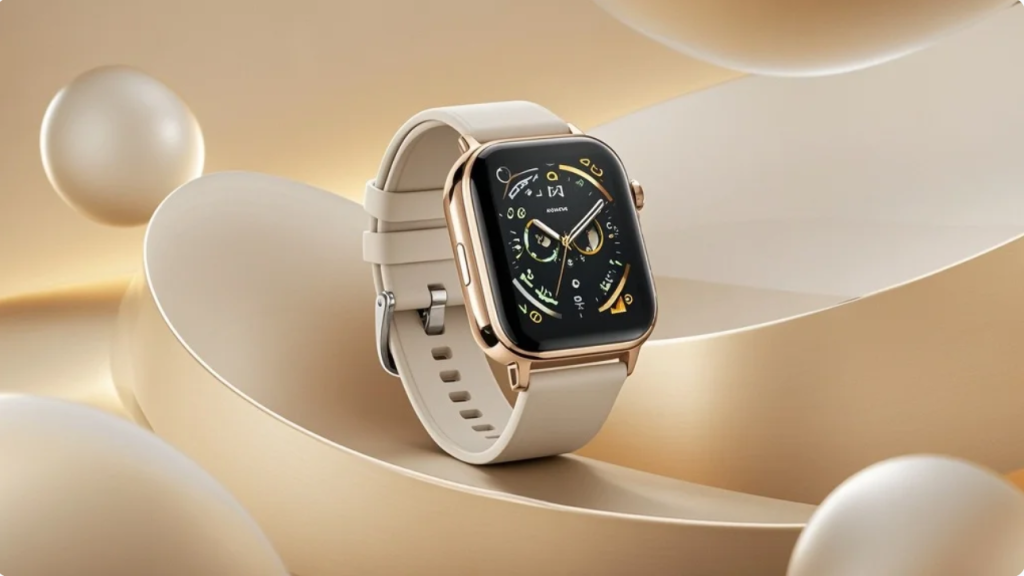
Monitoring Vital Signs and Detecting Risks
The core value of a smartwatch for an older adult lies in its ability to keep a constant eye on physiological changes. Many devices now offer features specifically relevant to aging populations. They can track heart rate continuously and alert the user or designated contacts if it falls too low or rises too high unexpectedly.
One of the most significant applications is in predicting and preventing falls. Research has demonstrated that commercial wrist-worn devices can be reliable tools for assessing and mitigating fall risks in older adults . By analyzing gait patterns and mobility during daily life, these watches can detect subtle changes that might indicate declining stability. This allows for early intervention through targeted exercises or rehabilitation programs designed to enhance balance and reduce the likelihood of a fall .
Beyond falls, these devices play a role in cardiovascular health. They can be effective in detecting atrial fibrillation, a common heart rhythm disorder that becomes more prevalent with age and increases stroke risk . Early detection through a smartwatch allows for timely medical consultation and treatment.
Measuring Activity and Sleep for Holistic Health
Maintaining physical activity is crucial for healthy aging. Smartwatches excel at measuring activity parameters such as step counts, distance walked, and intensity of movement. This data provides rehabilitation professionals with detailed information to create tailored plans for their older patients . It also serves as motivation for the wearer, encouraging them to stay active and track their progress over time.
Sleep quality is another critical component of health that often declines with age. Smartwatches can assess sleep patterns, providing insights into duration and quality . This information can help identify issues like insomnia or disrupted sleep, which can then be discussed with a healthcare provider.
Usability and the Importance of Social Support
For a smartwatch to be truly beneficial for an older adult, it must be usable. Studies exploring the experiences of senior citizens with smartwatches have highlighted that while these devices provide significant health benefits, usability challenges persist . Small text on the screen and complex interfaces can be barriers to adoption and effective use.
The role of family members in this context is crucial. Social support from family helps older adults learn how to use the device and integrate it into their daily routines . When this support is present, users often report improved health outcomes, increased motivation for physical activity, and even better communication with their healthcare providers, as they have concrete data to discuss during appointments .
Practical Considerations for Families
When selecting a smartwatch for an older relative, several factors matter. The device should have a clear, easy-to-read display and an interface that is not overly complicated. Battery life is important, as frequent charging can be a burden. Features like fall detection and automatic emergency alerts add a critical layer of safety. Ultimately, the goal is to find a device that provides meaningful health insights without becoming a source of frustration, empowering older adults to live safer, more informed, and more active lives.
Leave a Comment
Your email address will not be published. Required fields are marked *