
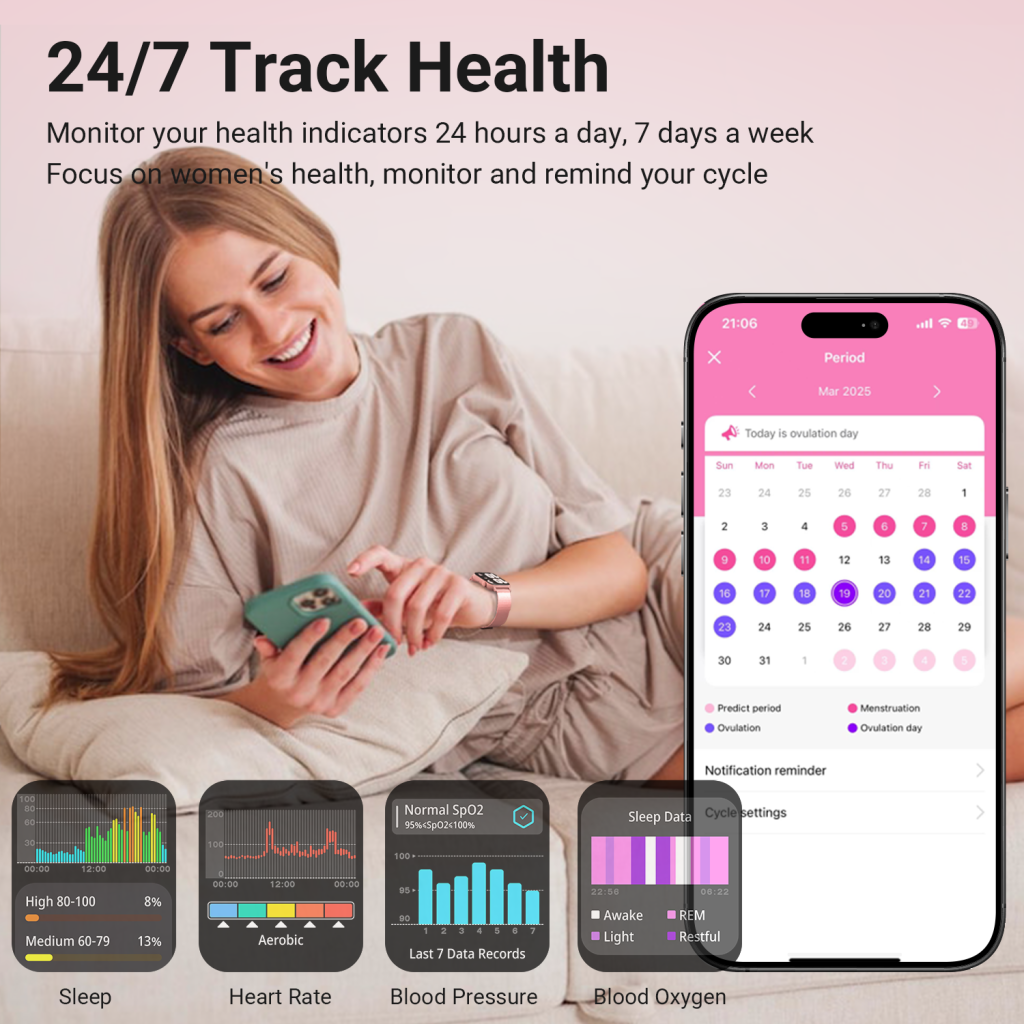
As women, our bodies operate on unique rhythms—from monthly menstrual cycles to hormonal shifts, sleep patterns that fluctuate with stress or life stages, and energy levels that ebb and flow based on a mix of internal and external factors. For years, we’ve relied on manual logs, guesswork, or even ignoring subtle signals our bodies send, simply because we didn’t have an easy way to track and understand them. But today’s smartwatches are changing that, with female-focused health features designed to meet our specific needs—not just generic fitness tracking. These tools don’t just count steps or monitor heart rate; they become a trusted sidekick, helping us decode our bodies, make informed choices, and prioritize our wellness in a way that feels personal and doable.
Gone are the days when smartwatches were one-size-fits-all devices aimed primarily at fitness enthusiasts. Brands like Garmin, Withings, and others have recognized that women’s health is multifaceted, and their latest models reflect that. Whether you’re a busy professional juggling work and family, a fitness lover looking to optimize your workouts around your cycle, a woman navigating pregnancy or menopause, or simply someone who wants to feel more connected to their body, the right smartwatch features can transform how you engage with your health.
Essential Female Health Tracking Features to Look for in a Smart watch
Not all smartwatch health features are created equal, especially when it comes to female-specific needs. Some devices offer basic cycle tracking, while others go deeper, integrating data like heart rate variability, sleep quality, and even stress levels to give you a holistic view of your wellness.
1. Menstrual and Ovulation Tracking: Beyond Basic Calendars
How It Works
The best smartwatch menstrual tracking features do far more than just remind you when your period is due. Modern tools let you log your cycle start and end dates, but they also use additional data—like skin temperature, sleep patterns, and heart rate—to predict future periods and ovulation with greater accuracy. For example, QONBINK uses sleep-based skin temperature tracking to refine cycle predictions, helping you avoid the surprise of an early or late period. You can also log symptoms like cramps, mood swings, bloating, or fatigue, so over time, the watch learns your unique patterns and provides more personalized insights.
Why It’s a Game-Changer
For women with irregular cycles, this feature eliminates the stress of guessing. It also helps you plan your life around your cycle—whether that means scheduling important meetings during your high-energy follicular phase, avoiding intense workouts during your period if cramps hit hard, or preparing for ovulation if you’re trying to conceive. Over time, tracking symptoms can also help you spot changes, like increased fatigue or mood swings, that might signal hormonal shifts or other health concerns worth discussing with a doctor.
2. Pregnancy Tracking: A Supportive Tool for Every Trimester
How It Works
For women navigating pregnancy, certain smartwatches offer dedicated pregnancy tracking features that grow with you through each trimester. After inputting your due date (provided by your doctor), the watch can help you monitor daily symptoms—like nausea, fatigue, or back pain—log weight gain, and even track your baby’s estimated size and movement. Some models, like QONBINK, also provide personalized fitness and nutrition tips tailored to each trimester, helping you stay active and healthy safely.
Why It’s a Game-Changer
Pregnancy is a time of constant change, and it’s easy to feel overwhelmed by all the new information and physical shifts. A smartwatch simplifies tracking, so you don’t have to keep a separate journal or try to remember every symptom you experienced. It also gives you a quick way to share consistent data with your healthcare provider, making prenatal checkups more productive. Plus, having gentle reminders and tips at your wrist can help you feel more in control during a time when so much feels out of your hands.
3. Hormonal Health Insights: Decoding Stress, Sleep, and Energy
How It Works
Hormonal shifts—whether from your menstrual cycle, menopause, stress, or sleep—impact nearly every aspect of how you feel. Smartwatches with advanced sensors track metrics that reflect these shifts, like heart rate variability (HRV), sleep architecture (REM, deep sleep), and body energy levels. For example, Garmin’s Body Battery feature combines stress data, daily activity, sleep quality, and hormonal patterns to show you your current energy levels, so you know when to push harder and when to rest. During menopause, tools like Metluma (integrated with Garmin watches) use HRV and sleep data to help identify hot flashes, night sweats, and fatigue patterns, linking them to hormonal changes.
Why It’s a Game-Changer
Many women dismiss symptoms like fatigue, anxiety, or poor sleep as “just part of being a woman,” but these can often be signals of hormonal imbalances or unmanaged stress. A smartwatch helps you connect the dots—for example, showing you that your low energy on certain days correlates with poor deep sleep during your premenstrual phase, or that your increased stress levels are impacting your HRV and mood.
4. Sleep Tracking for Women: Addressing Unique Challenges
How It Works
Women often face unique sleep challenges—from menstrual cramps disrupting sleep to pregnancy-related discomfort, menopause hot flashes, or the demands of caring for young children. Smartwatches with female-focused sleep tracking go beyond just counting hours slept; they monitor sleep stages, interruptions, and even factors like pulse oximetry (oxygen levels) and skin temperature throughout the night. Some models, like QONBINK, assign a sleep score each morning, combining sleep quality, interruptions, and stress data to give you a clear picture of how well you rested—and why you might feel tired even after 8 hours.
Why It’s a Game-Changer
Quality sleep is foundational to female health, impacting hormones, mood, immunity, and even menstrual cycle regularity. By tracking your sleep, you can identify patterns that are disrupting your rest—like late-night screen time, stress, or even certain foods—and make adjustments. For example, if you notice that your sleep score drops during your premenstrual phase, you might start a relaxing bedtime routine (like reading or gentle stretching) to ease cramps and improve sleep quality. Over time, better sleep translates to more energy, improved mood, and better overall health.
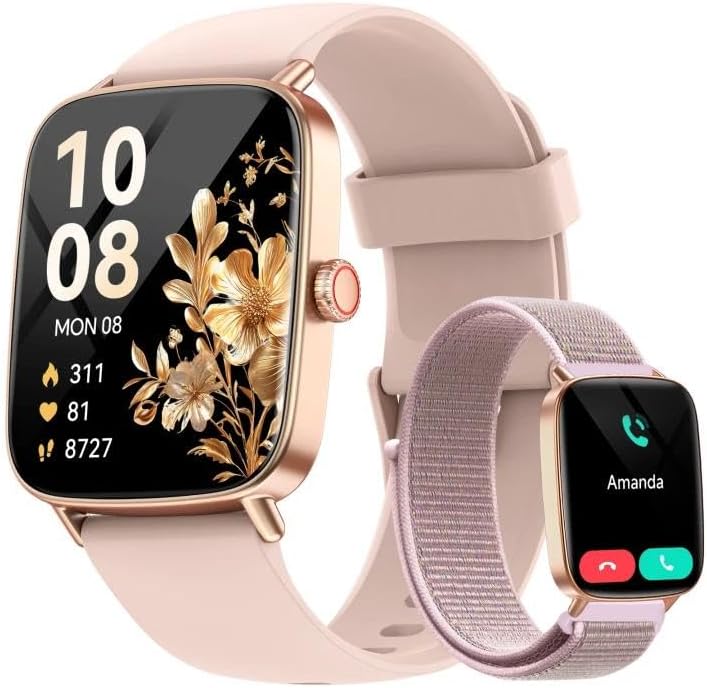
Choosing a Smart watch That Grows With You
The best thing about modern smartwatches is that they’re designed to adapt to your changing needs—whether you’re in your 20s tracking your cycle and workouts, in your 30s navigating pregnancy, in your 40s or 50s managing menopause, or simply prioritizing long-term wellness. When shopping for a smartwatch with female health tracking features, focus on what matters most to you: do you need detailed cycle tracking? Pregnancy support? Menopause insights? Or a holistic view of sleep, stress, and energy?
At the end of the day, a smart watch with female health tracking features is about empowerment. It’s about understanding your body’s unique rhythms, honoring its needs, and making wellness a priority—one glance at your wrist at a time. Whether you’re just starting your wellness journey or looking to refine your routine, these tools can help you feel more connected to your body, less stressed about the unknown, and more confident in the choices you make for your health.
Leave a Comment
Your email address will not be published. Required fields are marked *