

The ECG feature on modern smart watches has moved from medical clinics into everyday wearables, letting users take a quick snapshot of their heart’s electrical activity right from the wrist. What started as a tool for doctors to diagnose arrhythmias is now a consumer feature that can flag potential irregularities like atrial fibrillation (AFib). While it’s not a full 12-lead hospital ECG, the single-lead version on your wrist still captures meaningful signals.
The Basics: What an ECG Actually Records
Your heart beats because of electrical impulses that start in the sinoatrial node (the natural pacemaker) and spread through the atria and ventricles in a coordinated wave. An electrocardiogram records these tiny voltage changes on the skin’s surface as the heart muscle contracts and relaxes.
A standard clinical ECG uses 12 leads (different angles across the chest and limbs) to create a detailed, multi-view map. Smartwatches use a single-lead setup—typically Lead I—formed by:
- One electrode on the back of the watch (touching your wrist)
- A second electrode on the digital crown or bezel (touched by a finger on the opposite hand)
When you start an ECG reading (usually 30 seconds), you place your finger on the crown, completing a circuit through your arms and chest. The watch measures the voltage difference between the two contact points, filtering and amplifying the signal to produce a waveform similar to a clinical Lead I trace.
The key waves it detects include:
- P wave — Atrial depolarization (atria contracting)
- QRS complex — Ventricular depolarization (ventricles contracting—the main spike)
- T wave — Ventricular repolarization (ventricles relaxing)
From these, the device analyzes rhythm regularity, QRS width, and absence/presence of certain patterns to classify the reading.
How the Watch Decides “Normal” vs. “Irregular”
After capturing the waveform, built-in algorithms run several checks:
- Rhythm analysis — Measures the interval between R peaks (R-R intervals) to check for regularity. Consistent spacing usually means sinus rhythm (normal).
- AFib detection — Looks for irregularly irregular R-R intervals without clear P waves—a hallmark of atrial fibrillation.
- Other flags — Some devices also screen for high/low heart rates, possible bradycardia/tachycardia, or wide QRS complexes that might suggest other conduction issues.
If the reading meets strict confidence criteria (good signal quality, no excessive movement), it classifies as “Sinus Rhythm,” “Atrial Fibrillation,” “Inconclusive,” or “Poor Recording.” Many watches send confirmed AFib findings to your phone for review and encourage sharing with a doctor.
Practical Strengths and Important Limitations
The wrist ECG shines for opportunistic screening—catching occasional irregular episodes you might never feel. Studies show consumer single-lead ECGs detect AFib with 90–98% sensitivity in controlled settings when the signal is clean. It’s especially valuable for people over 50, those with risk factors (high blood pressure, previous stroke), or anyone noticing palpitations.
But it has clear boundaries:
- Single lead only — Misses issues visible from other angles (e.g., certain infarctions or bundle branch blocks).
- Short duration — A 30-second snapshot can miss intermittent arrhythmias.
- Motion and contact artifacts — Shaking, poor finger placement, tattoos, or cold/dry skin can make readings inconclusive.
- Not diagnostic — Regulatory clearances (FDA, CE) label it for “informational use” or “AFib detection,” not full diagnosis. A doctor still interprets concerning results with a full clinical workup.
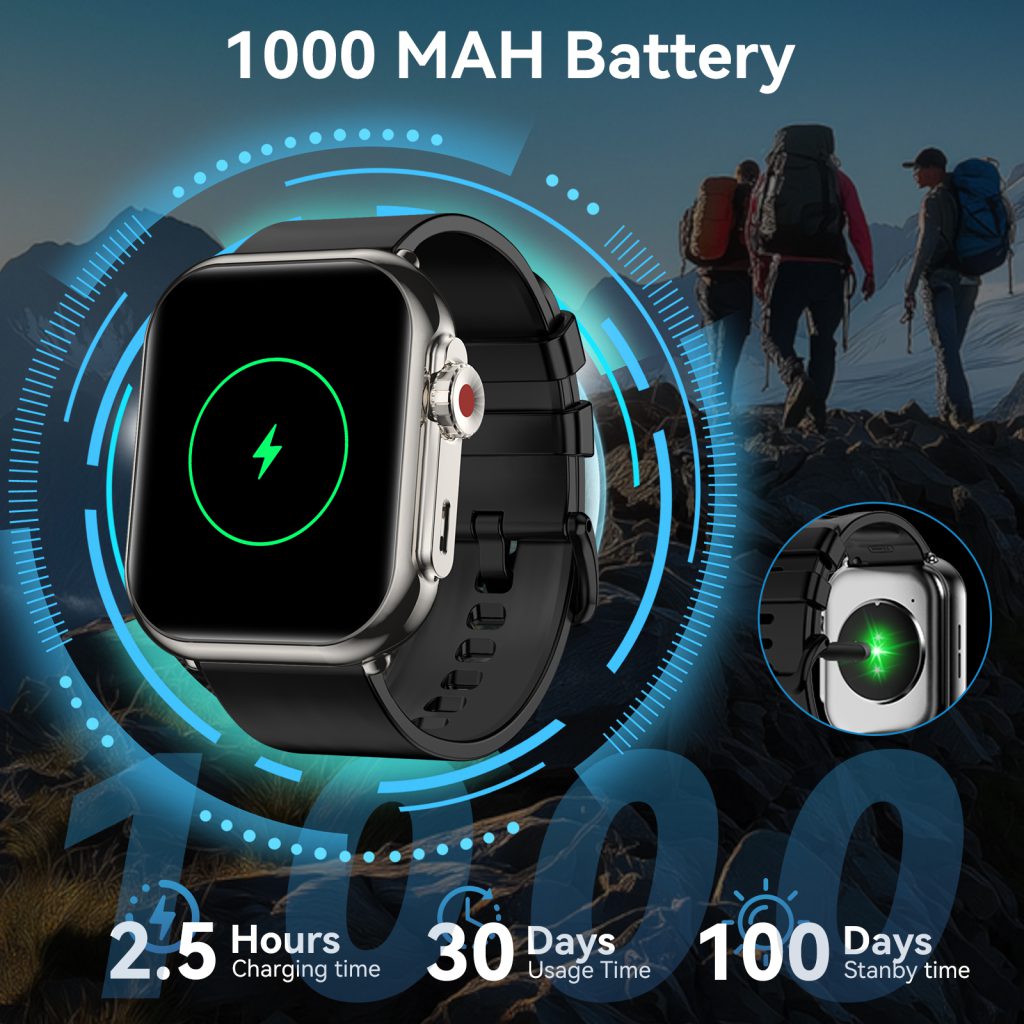
QONBINK implements its ECG function with careful attention to signal quality checks and user guidance, helping ensure more reliable readings during the 30-second test so you can trust the classification when conditions are right.
Making the Most of the Feature
To get useful ECG data:
- Sit still, rest your arms on a table, and breathe normally.
- Make firm but comfortable contact—wet your fingertip slightly if skin is dry.
- Take readings when you feel something off, or as part of routine checks (e.g., weekly).
- Log symptoms alongside readings (palpitations, dizziness) for context.
- Never ignore an AFib alert—share it with your physician promptly.
The ECG function isn’t meant to replace professional care; it’s an early-awareness tool that empowers you to notice changes sooner.
Leave a Comment
Your email address will not be published. Required fields are marked *