
Smart watches have gone from niche gadgets to everyday essentials faster than almost any other piece of wearable tech. A decade ago, most people viewed them as expensive toys for tech enthusiasts. Today, millions strap one on every morning without a second thought. The surge in popularity isn’t random—it stems from a combination of practical benefits, lifestyle shifts, and constant innovation that keeps pulling more users in.
Convenience at a Glance
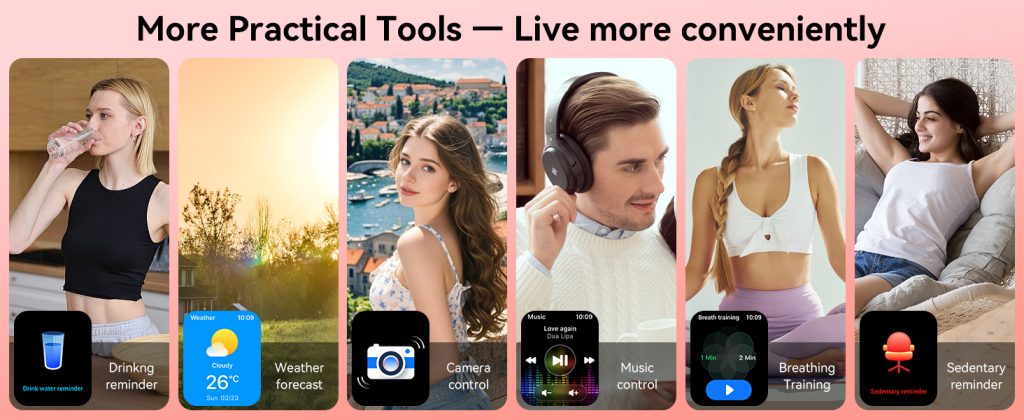
The biggest draw is instant access without digging for your phone. A quick raise of the wrist shows notifications, incoming calls, calendar reminders, or weather updates. In meetings, on crowded trains, or during workouts, that one-handed glance beats pulling out a smartphone every time. Many users say they check their phone far less often now because the watch handles the lightweight stuff—texts, alarms, timers, quick replies—leaving the phone for deeper tasks.
This always-on, glanceable interface feels like an extension of your body rather than another device to manage. It saves seconds dozens of times a day, and those small time savings add up to a noticeably smoother routine.
Health and Fitness Tracking on Your Wrist
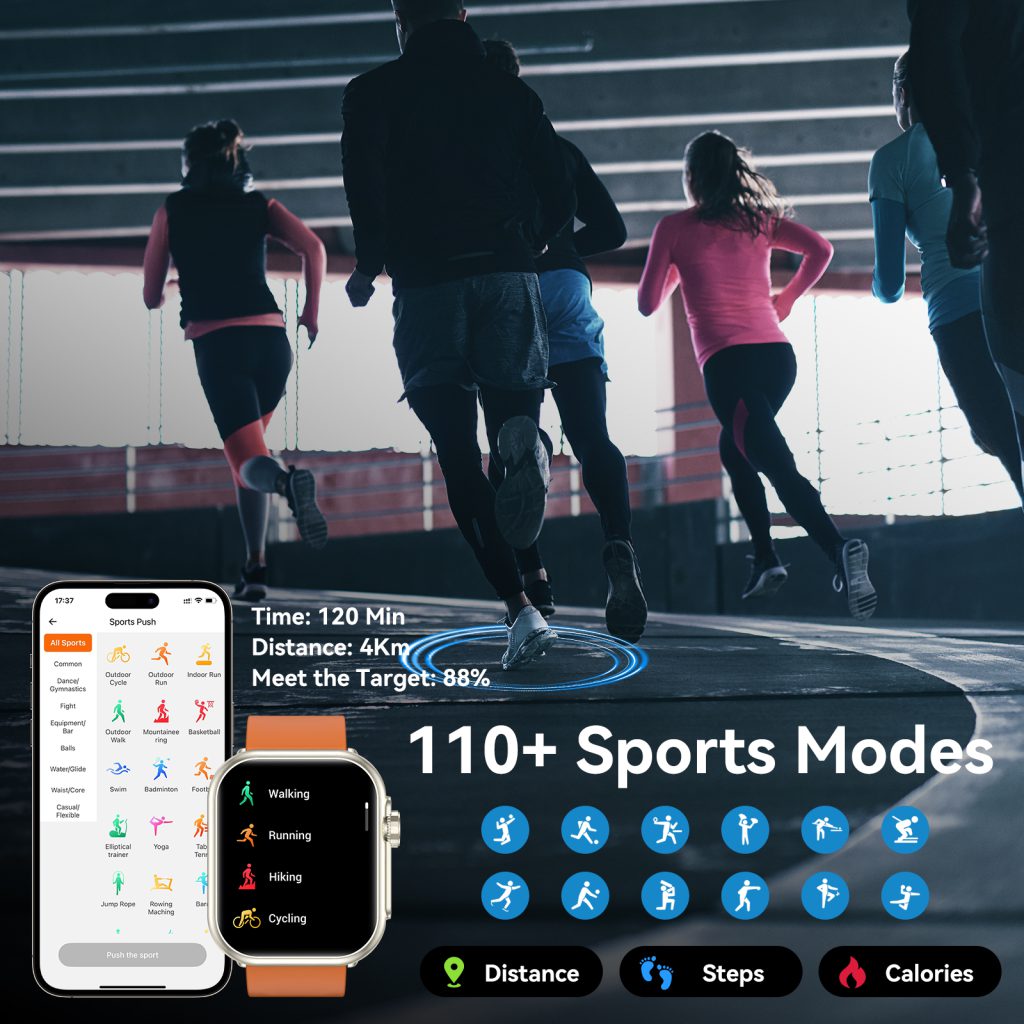
Fitness awareness has exploded in the last few years, and smartwatches sit at the center of it. Built-in sensors track steps, heart rate, calories, sleep stages, stress levels, blood oxygen, and even detect irregular rhythms or falls. For casual users, seeing daily activity rings or sleep scores creates gentle motivation without feeling like a chore. Serious athletes get GPS routes, pace alerts, training load analysis, and recovery insights that rival dedicated sports watches from just a few years ago.
The real appeal is continuity—no need to remember a separate fitness band or clip-on tracker. The watch is already there, quietly collecting data 24/7 and turning raw numbers into meaningful patterns over weeks and months.
Seamless Integration with Daily Life
Modern smartwatches don’t live in isolation—they plug directly into your existing ecosystem. Apple Watch users stay locked into iOS perks; Wear OS models offer flexibility across Android brands; some models work smoothly with both. Music streaming, contactless payments, voice assistants, smart home controls, and even car key emulation mean the watch replaces multiple single-purpose items.
During runs or commutes, users stream playlists directly to earbuds, pay for coffee without a wallet, or unlock their front door—all without reaching into a pocket. That level of convergence makes the device feel indispensable rather than optional.
Style Meets Functionality
Early smartwatches looked bulky and tech-heavy. Today’s models come in sleek aluminum, stainless steel, or titanium finishes with customizable straps that match outfits from gym wear to business attire. Interchangeable faces and bands let users switch aesthetics for different occasions, turning the watch into a genuine fashion accessory rather than just a gadget.
This blend of looks and utility broadens the audience—people who never cared about step counts now wear one because it complements their style while quietly delivering useful features.
Growing Health Awareness and Peace of Mind
Post-pandemic, more people pay close attention to their well-being. Features like ECG readings, blood oxygen monitoring, sleep apnea hints, and women’s health tracking give users proactive insights they never had before. For some, the watch has even prompted early medical conversations after flagging potential issues.
Parents buy models for kids to track location and set communication limits. Older adults appreciate fall detection and emergency SOS. Across age groups, the sense of added safety and awareness is a powerful pull.
QONBINK stands out here by delivering these core benefits—reliable health insights, smooth connectivity, and comfortable all-day wear—without overwhelming users with complexity, making it a natural choice for people seeking practical value over flashy extras.
Smart watches keep gaining fans because they solve real, everyday problems in small but meaningful ways: less phone dependency, better awareness of your body, tighter integration with modern routines, and a design that finally feels personal rather than purely functional. As batteries last longer, sensors get smarter, and prices become more accessible, the momentum isn’t slowing down. For millions, the smart watch isn’t a luxury anymore—it’s simply the most convenient way to stay connected, informed, and in tune with themselves.
Leave a Comment
Your email address will not be published. Required fields are marked *