
Smart watches have evolved from simple timepieces into powerful wearable devices that track health metrics, handle communications, and integrate seamlessly into daily life. Behind every reliable smartwatch lies a series of rigorous international certifications. These marks assure consumers that the product meets global standards for safety, electromagnetic compatibility, environmental responsibility, and performance. Whether you’re a buyer comparing options or a brand planning a launch, understanding these certifications helps explain why some devices stand out in crowded markets.
Why Certifications Matter for Smart watches
Certifications aren’t optional checkboxes—they’re essential gateways to international markets. Without them, products face legal barriers, customs delays, or outright bans in major regions. For consumers, certified devices offer peace of mind regarding radio frequency exposure, battery safety, material toxicity, and water resistance. Manufacturers invest heavily in testing because compliance builds trust and reduces liability risks.
Most smartwatches incorporate wireless technologies like Bluetooth and Wi-Fi, plus sensors for heart rate or SpO2 monitoring. This combination triggers requirements across multiple regulatory domains, from radio emissions to hazardous substances and durability.
Core Regulatory Certifications: FCC, CE, and RoHS
The most universal certifications for smartwatches revolve around electromagnetic compatibility (EMC), radio frequency (RF) safety, and environmental compliance.
- FCC Certification (United States) Required for any device emitting radio waves in the U.S., FCC Part 15 covers most smartwatches with Bluetooth, Wi-Fi, or GPS. Testing evaluates radiated emissions, spurious signals, and Specific Absorption Rate (SAR) for body-worn use. Passing FCC means the device won’t interfere with other electronics and stays within safe exposure limits—critical for consumer confidence.
- CE Marking (European Union) The CE mark signals conformity with EU directives, primarily the Radio Equipment Directive (RED), EMC Directive, and Low Voltage Directive (LVD). For wearables, this often includes safety under IEC 62368-1 standards. CE is mandatory across the European Economic Area; without it, products cannot legally enter the market.
- RoHS Compliance Restriction of Hazardous Substances (RoHS) limits harmful materials like lead, mercury, cadmium, and certain flame retardants in electronics. RoHS-certified smartwatches are safer for users and kinder to the environment during disposal. Many brands proudly display this to highlight eco-conscious design.
These three—FCC, CE, and RoHS—form the foundation for global sales in most regions.
Wireless and Interoperability Certifications
Connectivity defines modern smartwatches, so specialized certifications ensure seamless performance.
- Bluetooth SIG Certification (BQB) The Bluetooth Qualification Body (BQB) verifies that devices meet Bluetooth standards for interoperability. A BQB logo guarantees your smartwatch pairs reliably with phones, headphones, and other gadgets without compatibility headaches.
Durability and Protection Ratings
Beyond safety, users care about real-world resilience.
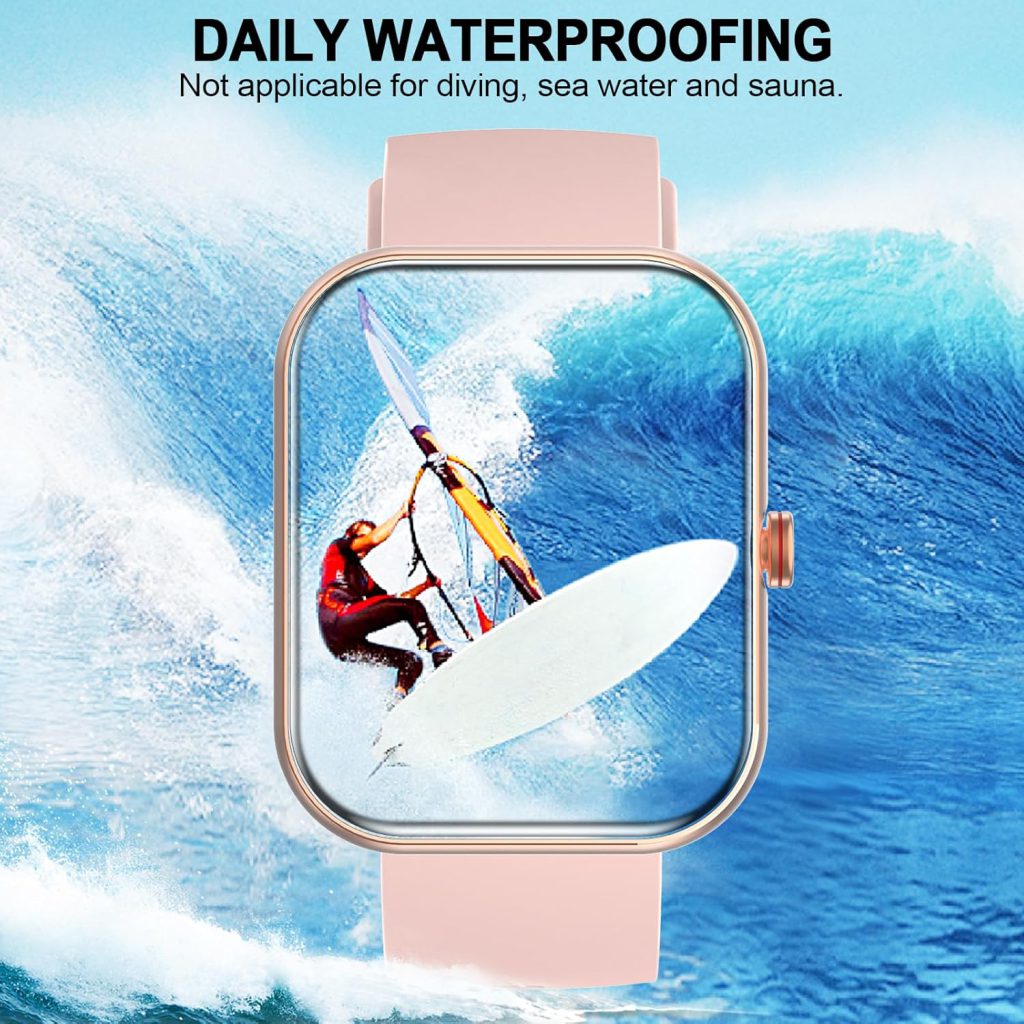
- IP68 Water and Dust Resistance While not a “certification” in the regulatory sense, IP68 (per IEC 60529) is widely advertised. It means the device withstands continuous immersion beyond 1 meter and complete dust protection. Many premium smartwatches achieve this rating through rigorous lab testing, making them suitable for swimming or sweaty workouts.
- MIL-STD-810G (Military Standard) Some rugged models carry this U.S. military-derived certification, proving resistance to drops, shocks, extreme temperatures, and humidity. It’s especially valuable for outdoor or adventure-focused wearables.
Health and Medical-Related Certifications
As smartwatches add features like ECG, blood oxygen, or blood pressure tracking, regulations tighten.
- FDA Clearance (United States) For wellness features, many devices fall under general wellness policy with no formal approval needed. However, diagnostic claims (e.g., detecting atrial fibrillation) require FDA clearance or approval as medical devices. Brands like Apple and Fitbit have secured this for select functions.
- IEC 60601-1 and MDR/CE for Medical Devices (Europe) True medical-grade wearables comply with IEC 60601-1 (safety) and the Medical Device Regulation (MDR). This applies when devices make clinical claims, involving stricter risk management (ISO 14971) and quality systems (ISO 13485).
Other regional marks include India’s BIS certification, Japan’s PSE, and battery standards like IEC 62133 or UN 38.3 for safe lithium-ion use.
Navigating international certifications can feel overwhelming, but they ultimately protect users and enable innovation. When shopping for a smartwatch, look beyond flashy features to check for FCC, CE, RoHS, Bluetooth SIG, and relevant IP ratings. For health-focused models, verify any FDA or medical clearances. These credentials separate dependable products from those that might cut corners.
As wearable technology advances, expect even more specialized certifications around cybersecurity, battery longevity (e.g., CTIA programs), and data privacy. Choosing certified devices ensures you’re investing in something built to last—both on your wrist and in the global marketplace.
Leave a Comment
Your email address will not be published. Required fields are marked *