
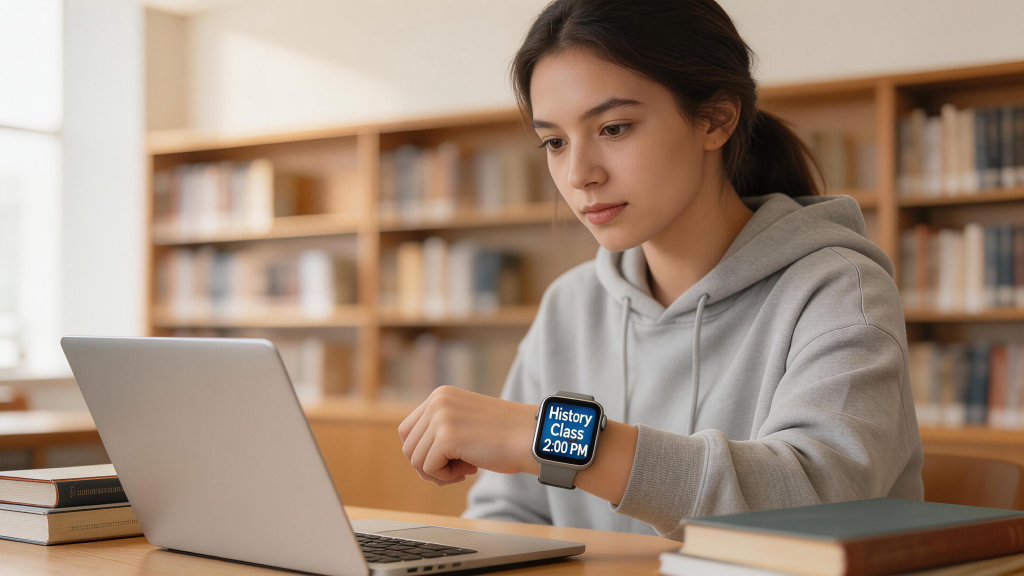
Smart watches once felt like luxury tech toys, but today many students rely on them as daily companions for staying organized, healthy, and connected. Whether you’re in high school juggling classes and extracurriculars or in college balancing lectures, part-time jobs, and social life, a smartwatch can either become a helpful sidekick or just another distraction. The real question is whether the benefits outweigh the potential downsides for someone whose budget, schedule, and priorities differ from a full-time professional.
Time Management and Academic Productivity
One of the strongest arguments for a student smartwatch is how it helps keep chaos under control.
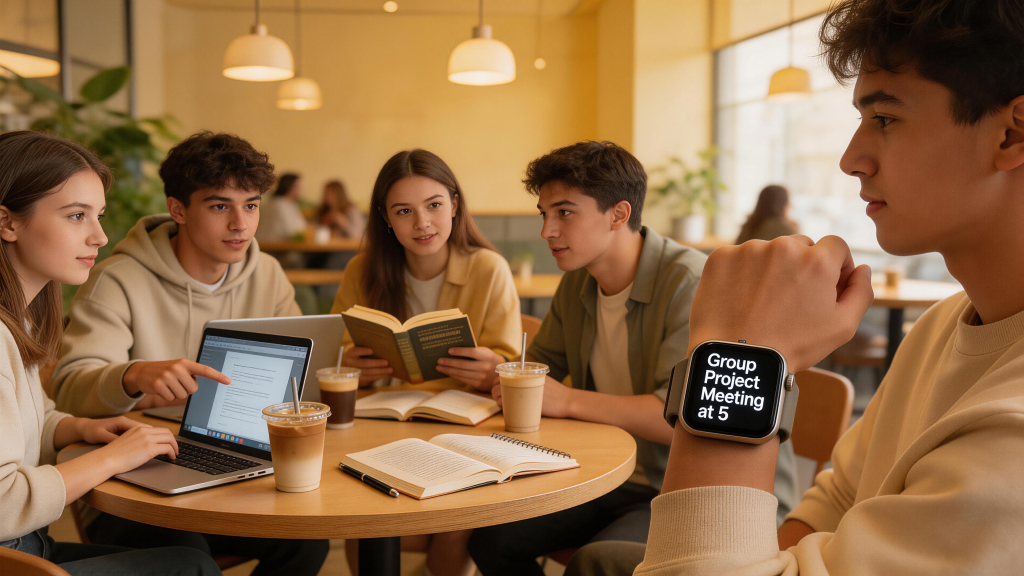
Calendar reminders vibrate gently on your wrist ten minutes before class starts or before a group project deadline—no need to fish your phone out of your bag in the middle of a lecture. You can set timers for focused study sessions , get step-away alerts after sitting too long in the library, or glance at your next class location when you’re rushing across campus.
Notifications are another big win when filtered properly. Only allow important ones—texts from study group members, emails from professors, or assignment submission confirmations—while silencing social media and group chats during class or study time. Many watches let you mute everything with a quick theater mode or do-not-disturb schedule that syncs to your school timetable.
For note-taking or quick research, voice-to-text replies let you shoot back a short message (“Running 5 min late to study group”) without typing on a tiny screen. Some models even show simplified lecture slides or PDFs if paired with the right apps, though this works best on larger screens.
Health and Focus Benefits for Long Study Days
Students often sacrifice sleep, movement, and meals to cram. A smartwatch can nudge better habits without feeling preachy.
Sleep tracking reveals how late-night study sessions affect rest quality, helping you adjust bedtime for better focus the next day. Activity rings or step goals encourage short walks between classes or study breaks—small movements that reduce brain fog and back pain from hours hunched over a laptop.
Stress monitoring can alert you to rising tension during finals week, prompting breathing exercises or a quick stretch. Heart-rate alerts sometimes catch irregular patterns early, which is reassuring for anyone pushing their body hard.
Battery life matters hugely here. Models that last 5–14 days on a single charge (common in fitness-focused brands) mean you won’t add “find charger” to your already packed to-do list. Daily-charging watches work fine if you plug in overnight, but multi-day options give peace of mind during exam marathons or weekend trips.
Budget, Durability, and Campus Practicality
Most students aren’t swimming in cash, so value is key.
Entry-level and mid-range smartwatches (many under $150–200) deliver core features—notifications, fitness tracking, timers, alarms—without breaking the bank. Waterproofing (at least 5 ATM) handles rain, accidental coffee spills, or pool laps for swim-team members. Scratch-resistant screens and tough cases survive backpack life, dorm drops, and crowded lecture halls.
Lightweight designs (under 40g) feel comfortable during 12+ hour campus days and all-night study sessions. Silicone or sport bands are cheap to replace if they get worn or sweaty.
The biggest practical concern is distraction. Group chat pings, game notifications, or endless social-media glances can kill focus faster than anything. The fix is ruthless notification management: turn off everything non-essential, use focus modes, and treat the watch as a tool, not a second phone.
Battery anxiety is real too—if it dies mid-day during finals, you’re left without reminders. Choose wisely: prioritize longer battery or carry a small power bank.
When a Smart watch Might Not Be the Best Fit
Not every student needs one. If you’re already great at managing time with a basic planner or phone alarms, the added cost might not justify the convenience. In very strict exam environments (some standardized tests ban all wearables), a smartwatch becomes dead weight you can’t use anyway.
Some campuses still have professors who dislike visible tech during class—though a discreet model with a plain watch face usually flies under the radar. If your phone already does everything well and you prefer minimalism, sticking with it saves money for textbooks or rent.
A smart watch suits students who want better structure without constantly reaching for their phone. It excels at gentle reminders, health nudges, and quick communication—small things that compound into better grades, less stress, and more balance over a semester.
The sweet spot is a simple, reliable, budget-friendly model with strong battery life and customizable notifications. Avoid feature overload; the goal is support, not another screen to manage.
If it helps you show up to class on time, stay active between study marathons, and get decent sleep before exams, then yes—it’s not just suitable, it’s one of the smarter investments a student can make.
Leave a Comment
Your email address will not be published. Required fields are marked *