
Smart watches have quietly become part of the rhythm of everyday life for millions. What began as a novelty for checking texts without pulling out your phone has grown into a personal assistant, health coach, timekeeper, and even silent guardian.
In 2026, these wrist-worn devices are no longer optional tech toys—they’re woven into morning routines, workdays, workouts, and quiet evenings at home.
Morning Wake-Up and Getting Ready
The day often starts with a gentle vibration on the wrist instead of a blaring alarm. Smartwatches wake you at the optimal point in your sleep cycle, using overnight tracking of heart rate, movement, and breathing patterns. Many people glance at the watch first thing: weather forecast, calendar reminders, battery status of phone and watch, maybe a quick heart-rate variability check to gauge stress or recovery from yesterday.
During the morning rush, the watch handles small but time-saving tasks—setting timers for coffee brewing, controlling smart home lights or music, paying for the bus or coffee with a tap, or navigating turn-by-turn directions when you’re running late. For parents, it’s a discreet way to get school reminders or check in on family group chats without stopping to dig out the phone.
Staying Connected and Productive During the Day
At work or school, smartwatches keep you reachable without constant phone-checking. A quick glance shows who’s calling or texting, letting you decide whether to respond immediately or later. Voice replies or quick preset messages handle most interactions—perfect in meetings, while driving, or when hands are full.
Notifications are smarter now: AI filters prioritize urgent messages, mute group chats during focus hours, or summarize long threads. Calendar events pop up as reminders; some watches even suggest breathing exercises when they detect elevated stress from back-to-back meetings. For freelancers or remote workers, the watch acts as a second screen—timers for Pomodoro sessions, step-count nudges to stand up, or music controls without breaking workflow.
Health, Fitness, and Well-Being Tracking
Perhaps the biggest daily impact comes from constant, passive health monitoring. Heart rate stays visible all day, alerting you to irregularities or unusually high readings during rest. Sleep scores in the morning give honest feedback on rest quality, influencing caffeine intake or evening wind-down habits.
Fitness features encourage movement naturally: hourly stand reminders, goal rings that close with a satisfying animation, guided breathing when you’re tense, or fall detection that can auto-call emergency services if you don’t respond after a hard tumble. For many, seeing daily step trends, active minutes, or recovery insights turns vague “I should exercise more” feelings into concrete habits—short walks at lunch, evening yoga, or weekend hikes become routine because the watch makes progress visible and rewarding.
Women especially appreciate cycle tracking integrated with temperature and symptom logging, offering better predictions and health insights. Even basic models now include blood oxygen spot-checks or irregular rhythm notifications that have prompted real medical follow-ups.
Evening Wind-Down and Nighttime Role
As the day winds down, smartwatches shift to recovery mode. They track evening relaxation—whether through mindfulness sessions, lowered heart rate during reading, or dimmed screens to reduce blue light. Bedtime routines get reminders: “Wind down starts in 30 minutes,” dimming lights via smart home integration, or queuing calming playlists.
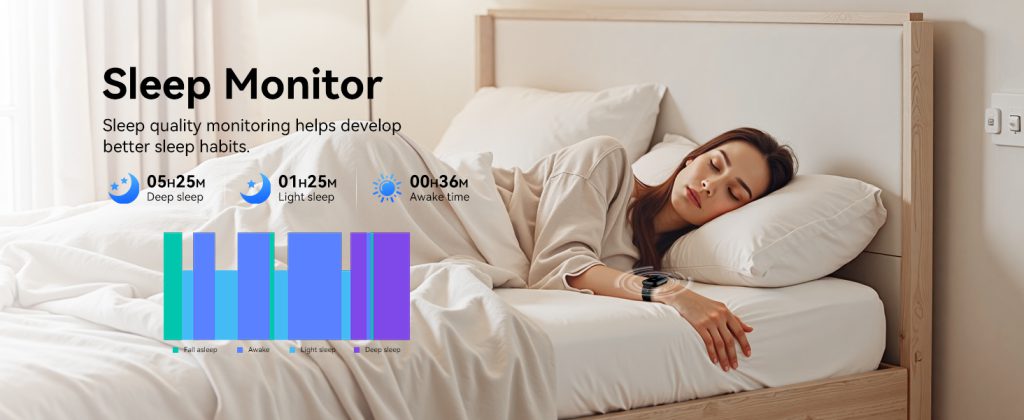
Overnight, the watch becomes a silent sleep lab—monitoring stages, disturbances, blood oxygen dips, or respiratory rate. Morning reports help adjust habits: less screen time before bed, cooler room temperature, or earlier dinner if late eating disrupts sleep.
For safety, some models offer emergency SOS, location sharing with trusted contacts, or crash detection when you’re driving or cycling. In uncertain situations—late-night walks or solo travel—the watch provides quiet reassurance.
A Companion, Not a Distraction
The real value lies in subtlety. Smartwatches don’t demand attention like phones do; they deliver just enough information at a glance, reducing screen time overall for many users. They nudge healthier choices without nagging, keep you connected without overwhelming, and add layers of safety and convenience that feel almost invisible until you go without them.
In daily life, the smartwatch has evolved from accessory to essential sidekick—helping manage time, health, connections, and peace of mind, one gentle tap and vibration at a time.
Leave a Comment
Your email address will not be published. Required fields are marked *