

When people talk about smartwatches, battery life, health features, and sleek design usually steal the spotlight. But for anyone who actually wears one daily—whether hitting the gym, hiking rough trails, or just surviving a clumsy lifestyle—durability is what keeps the device alive long-term. Modern smartwatches face drops, scratches, extreme heat or cold, dust storms, sweat, and accidental submersion.
Core Durability Standards Explained
Two main certifications dominate smartwatch durability claims in 2026: IP ratings and MIL-STD-810H.
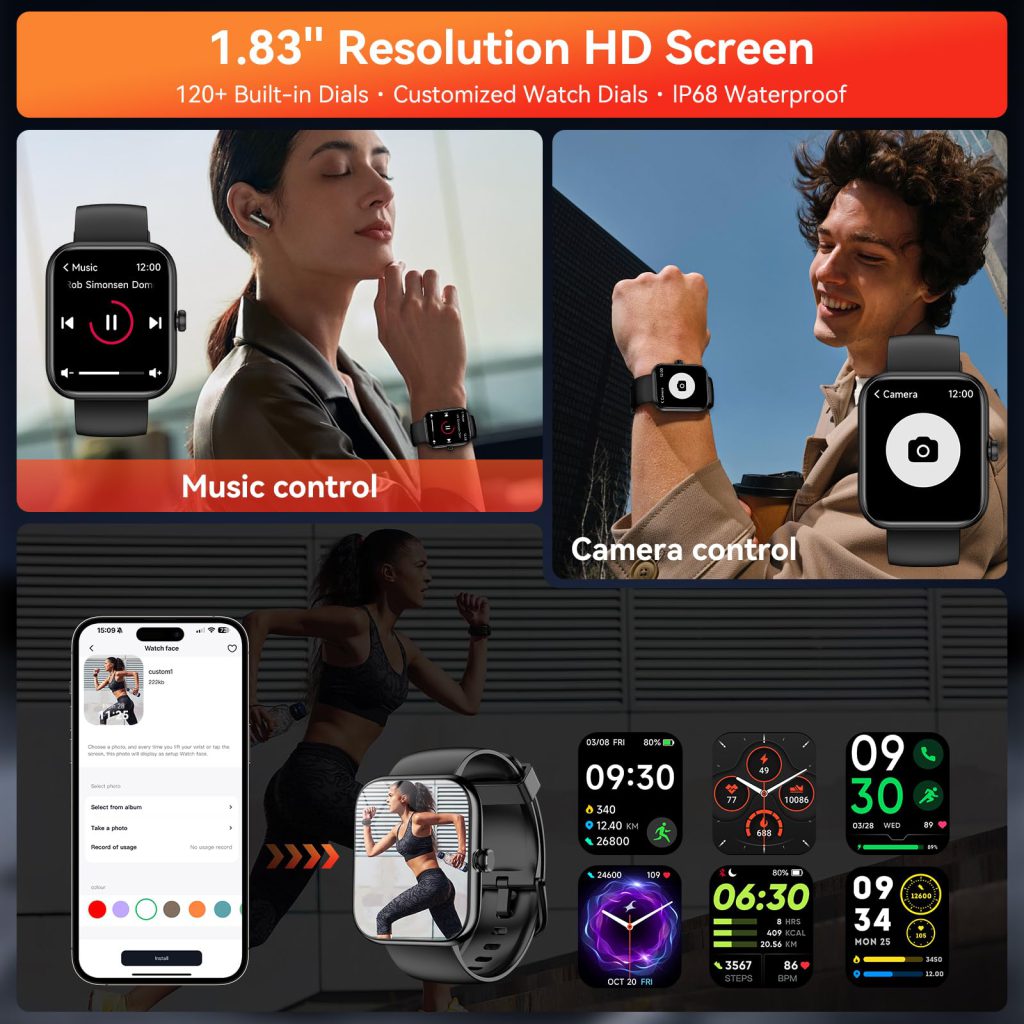
IP (Ingress Protection) ratings focus on solids and liquids. The first number (0–6) measures dust protection, while the second (0–9) covers water. Most quality smartwatches today hit at least IP67 (dust-tight and submersion up to 1 meter for 30 minutes) or IP68 (dust-tight with deeper or longer water exposure). Rugged models push further—some reach IP69K for high-pressure, high-temperature water jets.
MIL-STD-810H is the U.S. military standard for environmental testing. Unlike IP, which is narrow, MIL-STD-810H covers a broad range of real-world abuse through customizable procedures. Common tests include:
- Mechanical shock and drops (repeated falls from 1–1.5 meters onto hard surfaces)
- Vibration (simulating bumpy rides or machinery)
- Extreme temperatures (from freezing cold to scorching heat)
- Thermal shock (rapid temperature changes)
- Humidity and salt fog
- Blowing dust and sand
Passing MIL-STD-810H doesn’t mean the watch survived every possible test—manufacturers select relevant procedures. Still, it’s far more comprehensive than basic claims, and certification usually comes from independent labs.
Other factors matter too: materials like titanium or stainless steel cases, sapphire crystal displays (highly scratch-resistant), and reinforced buttons/seals. These aren’t part of formal standards but directly boost everyday toughness.
Why These Standards Actually Matter in Real Life
A watch might look premium, but without solid testing, one bad drop or sweaty workout can end it. IP68 keeps water out during swimming or rain, while IP6X prevents dust from clogging speakers or sensors on desert hikes. MIL-STD-810H-tested models survive accidental knocks better—think construction sites, mountain biking, or just fumbling it off the nightstand.
For extreme users (trail runners, divers, military personnel), these ratings reduce failure risk. Even casual owners benefit: a durable watch lasts years instead of months, saving money and hassle.
How Leading Smartwatches Stack Up in 2026
Flagship and rugged models lead in durability:
- Apple Watch Ultra series (like Ultra 3) uses titanium cases, flat sapphire crystals, and raised edges for impact protection. It carries IP6X dust resistance, 100-meter water resistance, and passes MIL-STD-810H tests for shock, temperature extremes, and more. It’s built for adventure but still feels premium for daily wear.
- Garmin Fenix line (Fenix 8 series and similar) excels for outdoor enthusiasts. Many variants feature sapphire lenses, titanium bezels, and full MIL-STD-810 compliance (shock, vibration, thermal extremes). Water resistance often hits 10 ATM (100 meters), with exceptional battery life even in harsh conditions—ideal for multi-day treks.
- Samsung Galaxy Watch series (including Galaxy Watch 8 and Ultra) typically achieves IP68, with rugged editions adding military-grade elements like enhanced shock resistance. They’re strong against everyday drops and water but lean more toward lifestyle than pure extreme use.
- Budget or mid-range options often stick to IP67/IP68 without MIL-STD testing, fine for normal life but riskier in rough environments.
Always check official specs—marketing terms like “rugged” or “tough” mean little without concrete ratings.
Practical Tips to Keep Your Smart watch Durable Longer
Standards help at purchase, but habits matter:
- Use a screen protector or case for extra scratch/drop defense.
- Avoid extreme temperature swings (don’t leave it in a hot car or freezing overnight).
- Clean gently after sweaty or dusty activities—soft cloth, no harsh chemicals.
- Charge in clean, dry spots to prevent debris in ports.
- For water-rated watches, rinse off salt/chlorine after swims.
Durability standards like IP ratings and MIL-STD-810H give you real confidence that a smartwatch can handle more than just notifications. In 2026, top-tier models from Apple, Garmin, and Samsung routinely meet or exceed these benchmarks, blending toughness with smart features. Pick based on your routine: daily commuters do fine with solid IP68, but adventurers should chase MIL-STD-tested rugged builds.
A truly durable smart watch isn’t invincible—but with the right standards behind it, it comes pretty close. Invest in one that matches your life, and it’ll reward you with years of reliable use.
Leave a Comment
Your email address will not be published. Required fields are marked *