
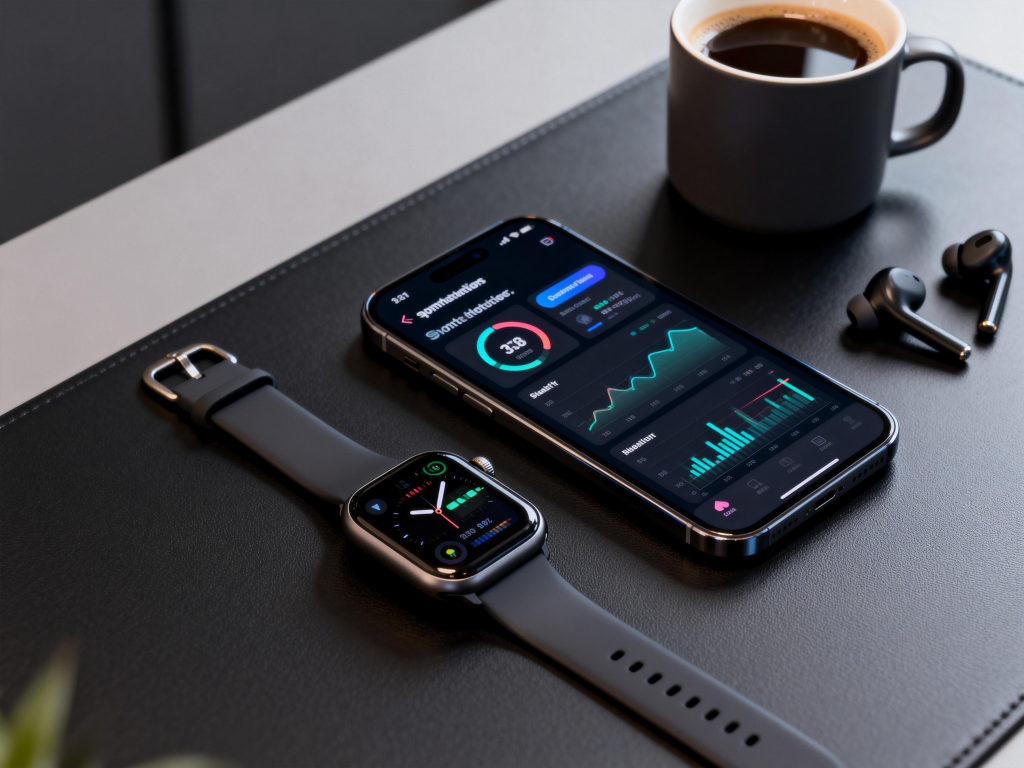
No, not all smartwatches need a smartphone to function. While many popular models rely on a paired phone for setup, notifications, and full features, standalone options exist that operate independently. The key difference lies in connectivity: Bluetooth-only watches depend on a nearby smartphone, but cellular-equipped ones — often called LTE or standalone models — can handle calls, texts, streaming, and GPS without any phone nearby. As of 2026, the market offers clear choices for users who want true independence.
How Most Smartwatches Work with a Phone
The majority of smartwatches, including entry-level and mid-range models from brands like Fitbit, Amazfit, and basic versions of Samsung or Google, connect via Bluetooth to a smartphone. This pairing is essential for:
- Initial setup and app installation.
- Receiving call, text, and app notifications.
- Syncing health data to cloud services.
- Downloading music, maps, or third-party apps.
Without a phone, these devices still track steps, heart rate, sleep, and workouts using built-in sensors. They function as advanced fitness trackers or basic timepieces, but you lose smart features like messaging or music control on the go. For example, many Garmin models sync data via a computer instead of requiring constant phone access, making them practical even without a smartphone.
Standalone Smartwatches: True Phone-Free Operation
Certain models include built-in cellular connectivity (LTE/eSIM), allowing them to act as mini smartphones on your wrist. These watches support:
- Making and receiving calls directly.
- Sending texts via voice or keyboard.
- Streaming music from services like Spotify.
- Independent GPS navigation and location sharing.
- App access and notifications without Bluetooth.
Popular standalone examples include:
- Apple Watch Ultra models and higher-end Series watches with cellular.
- Samsung Galaxy Watch series with LTE variants.
- Google Pixel Watch with cellular options.
- Specialized fitness watches like certain Garmin Forerunner or Fenix lines with LTE.
These require a separate cellular plan — often $5–15 per month added to your existing carrier account — but once activated, they work fully without a phone in range. Recent 2026 models even feature offline maps, extended battery life during standalone use, and AI-enhanced health insights.
Setup Considerations and Limitations
Even standalone watches typically need a smartphone for the first-time setup: pairing, account login, and eSIM activation. After that, many can run solo. Samsung offers specific models that complete basic setup without a phone, and Garmin devices often rely on a computer for full management.
Battery life shortens noticeably with cellular use — expect 1–2 days instead of a week on Bluetooth-only mode. Coverage depends on your carrier’s network, and not all features (like some advanced apps) perform identically without a paired phone. Budget standalone options from lesser-known brands appear on sites like Amazon, but reliability and software support vary.
Who Benefits from a Phone-Free Smartwatch?
Standalone models suit runners, hikers, or parents who want kid-tracking without carrying a phone. They appeal to anyone reducing screen time or needing backup communication during workouts or travel. If you already own a smartphone, a Bluetooth model saves money and extends battery life. For complete independence, invest in cellular capability.
In short, while most smartwatches pair with a phone for the best experience, standalone versions prove you don’t always need one. Choose based on your priorities: convenience and full features with a phone, or genuine freedom without it. The options in 2026 make it easier than ever to pick what fits your life.
Leave a Comment
Your email address will not be published. Required fields are marked *