
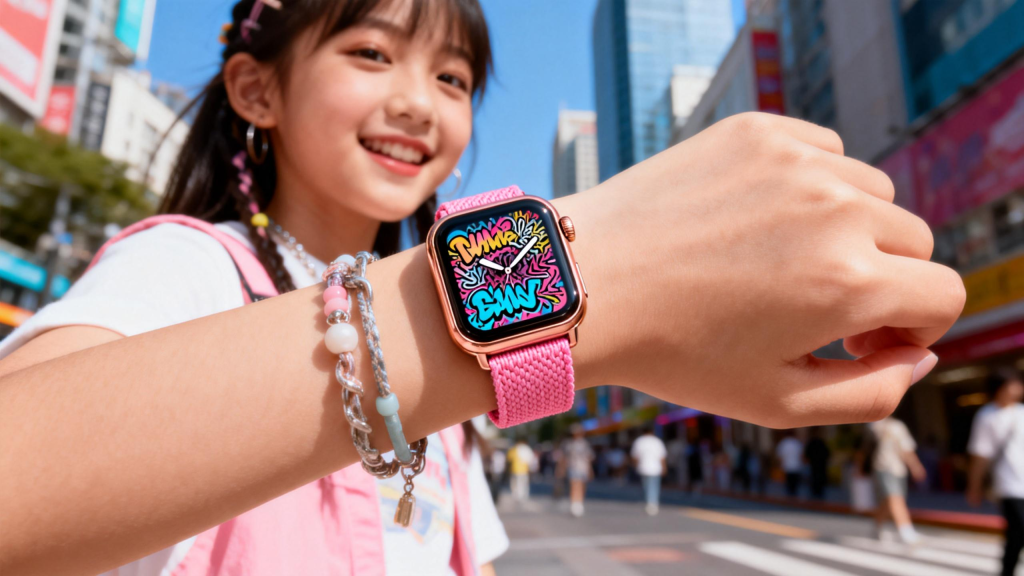
In recent years, smartwatches have evolved from simple fitness trackers into sophisticated devices capable of monitoring heart rate, detecting irregular rhythms, and even recording single-lead electrocardiograms (ECGs). Popular models like the Apple Watch, Fitbit, Samsung Galaxy Watch, and others now include features that alert users to potential atrial fibrillation (AFib), high or low heart rates, and other cardiovascular signals. This raises an important question: do cardiologists actually recommend these gadgets for everyday heart health tracking?
The short answer is yes, many cardiologists view smartwatches as useful tools — particularly for raising awareness, encouraging proactive monitoring, and potentially catching early signs of issues like AFib. However, they emphasize that these devices are not replacements for professional medical evaluation. They serve best as screening aids or companions to clinical care rather than diagnostic tools on their own.
The Growing Role of Smartwatches in Heart Monitoring
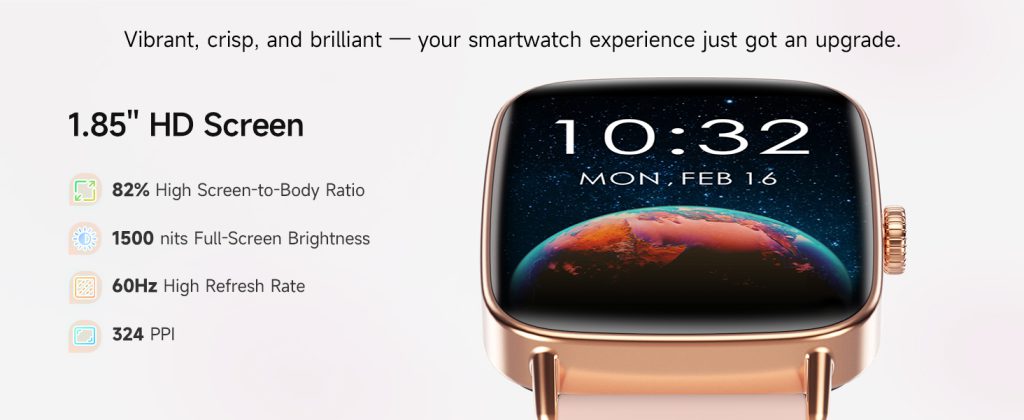
Smartwatches use optical sensors (photoplethysmography or PPG) to track heart rate continuously throughout the day and night. Advanced models add ECG capabilities, allowing users to take a quick reading that classifies rhythms as normal, AFib, or inconclusive. Large-scale studies, including the Apple Heart Study and Fitbit Heart Study, have demonstrated that these features can identify irregular rhythms with impressive accuracy in many cases.
For instance, research published by the American College of Cardiology (ACC) highlights high sensitivity and specificity for detecting AFib in consumer-grade devices. Meta-analyses have shown pooled sensitivity around 95% and specificity near 97% for AFib detection across various smartwatches. Devices like the Apple Watch often achieve positive predictive values in the 84-98% range when confirmed with medical-grade monitoring. Recent trials, including randomized controlled studies from 2025 and 2026, have even shown that smartwatch-based screening can detect hidden arrhythmias up to four times more often than standard care in certain high-risk groups.
Cardiologists from institutions like Jefferson Health, IU Health, and Ohio State have noted that these tools empower patients. People wearing them tend to pay closer attention to their symptoms, share data with doctors, and sometimes discover undiagnosed conditions that prompt timely intervention. In one perspective, a cardiologist described smartwatches as playing a promising role in precision medicine, especially for those already managing AFib.
Benefits That Cardiologists Appreciate
Early Detection Potential One of the strongest endorsements comes from the possibility of spotting asymptomatic AFib — a major risk factor for stroke. Guidelines from organizations like the ACC and European Society of Cardiology acknowledge wearables for long-term AFib surveillance and early detection. When a watch flags an irregular rhythm, users can seek prompt evaluation, potentially preventing complications.
Lifestyle Insights Beyond rhythm detection, smartwatches track resting heart rate, heart rate variability, recovery after exercise, and activity levels. Cardiologists often review these trends during consultations to discuss fitness, stress management, or medication effects. For patients with known heart conditions, consistent monitoring can reveal patterns that guide adjustments in care.
Accessibility and Empowerment Unlike traditional Holter monitors or event recorders, smartwatches are always available, non-invasive, and don’t require a prescription. This convenience encourages more people to engage with their heart health daily.
Limitations and Cautions from the Experts
Despite the enthusiasm, cardiologists consistently point out important drawbacks. Smartwatches are consumer devices cleared for specific uses (like AFib detection in certain models), not full medical diagnostics. They can produce false positives — especially during movement, poor fit, or in people with other arrhythmias — leading to unnecessary anxiety or tests.
Accuracy drops for certain rhythms beyond AFib, and features like blood oxygen or blood pressure estimates remain less reliable than clinical equipment. Older adults or those with certain skin tones may experience reduced sensor performance. Moreover, over-relying on alerts without professional input can delay proper diagnosis or cause “alert fatigue.”
Harvard Health and the British Heart Foundation stress that wearables should prompt discussion with a doctor, not self-diagnosis. If a watch repeatedly signals irregularities, bring the data (including saved ECG PDFs) to your cardiologist for interpretation alongside symptoms and history.
When Cardiologists Are Most Likely to Recommend a Smartwatch
Many cardiologists suggest smartwatches for:
- Patients with known AFib who want to monitor episodes and share recordings.
- Healthy individuals interested in general wellness and early awareness.
- Those at moderate stroke risk who might benefit from screening, though not as a substitute for guideline-based care.
They rarely recommend them as the sole monitoring method for complex conditions. Instead, they pair wearable insights with gold-standard tests like 12-lead ECGs, Holter monitors, or echocardiograms when needed.
Final Thoughts
Smartwatches have earned a place in modern heart health discussions thanks to solid evidence of their accuracy in key areas like AFib detection. Cardiologists increasingly see them as helpful allies that promote awareness, motivate healthier habits, and sometimes lead to life-saving discoveries. That said, they are tools — not doctors. The real value emerges when users combine smartwatch insights with professional guidance.
If you’re considering one for heart monitoring, choose a device with validated features (FDA-cleared for AFib where applicable), wear it consistently, and discuss any concerning trends with your healthcare provider. Technology continues to advance, and the collaboration between wearables and cardiology is only getting stronger.
Leave a Comment
Your email address will not be published. Required fields are marked *