
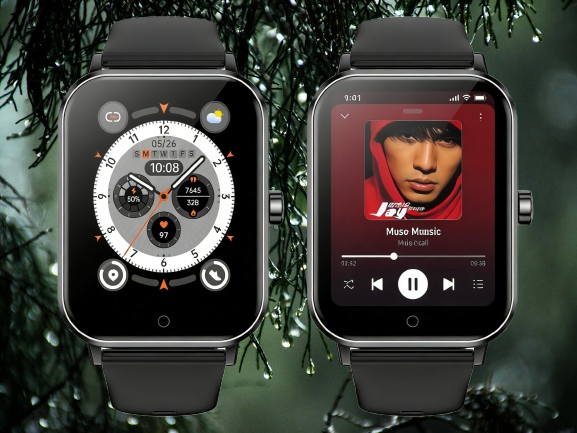
Smartwatches have evolved into powerful extensions of smartphones, offering health insights, notifications, fitness tracking, and more. With rapid advancements in sensors, battery tech, and AI integration, choosing the right one requires careful evaluation. This guide outlines the essential factors to weigh before purchasing to ensure the device fits your lifestyle and delivers lasting value.
Compatibility with Your Smartphone
The most critical decision starts with your phone ecosystem. Apple Watch models run exclusively on iOS and pair seamlessly with iPhones, providing the deepest integration for notifications, apps, and features like Apple Pay. Android users benefit from Wear OS devices from Google (Pixel Watch), Samsung (Galaxy Watch), or others, which offer broad compatibility across Android phones. Some options, like certain Garmin or Fitbit models, work with both platforms but may lose full functionality on iOS. Always verify official compatibility to avoid limited features or pairing issues.
Design, Size, and Comfort
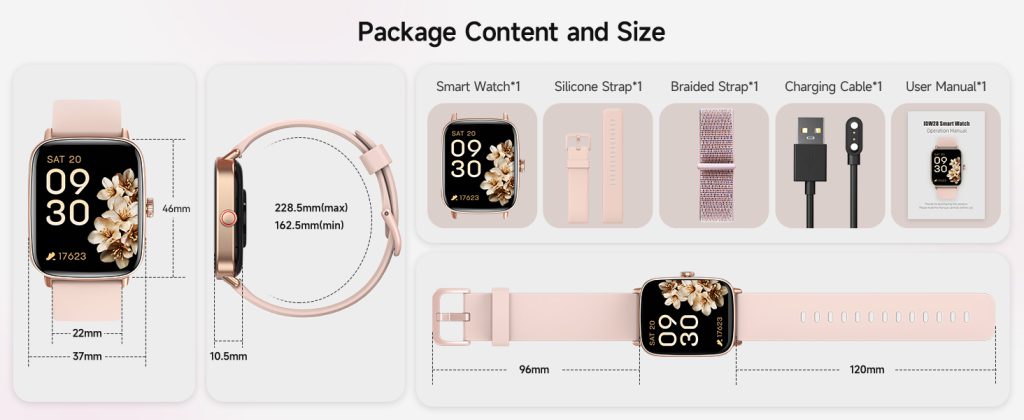
Fit matters as much as function since you’ll wear it daily. Case sizes typically range from 38-42mm for smaller wrists to 45mm+ for larger ones. Smaller cases feel discreet and comfortable for all-day wear, including sleep tracking, while larger models often include bigger displays and longer battery reserves. Consider weight, strap materials (silicone for sports, leather or metal for style), and build quality—premium options use titanium or sapphire glass for durability. Test the watch if possible; an uncomfortable fit leads to abandonment.
Display Quality and Usability
A bright, responsive screen enhances everyday use. Look for AMOLED or OLED panels with always-on capability for quick glances without waking the device. Resolution, peak brightness (for outdoor visibility), and touch responsiveness matter, especially in sunlight. Some models offer rotating bezels or physical buttons for easier navigation during workouts. In 2026, many flagships feature domed glass or scratch-resistant coatings for better protection.
Battery Life and Charging
Battery performance varies widely. Full-featured smartwatches often last 24-48 hours with heavy use (GPS, always-on display, heart monitoring), while lighter models stretch to 5+ days. Advanced health sensors and cellular connectivity drain power faster. Evaluate real-world estimates from reviews, not just manufacturer claims. Fast charging has improved—many now reach 80% in under an hour—but multi-day battery remains a priority for users who dislike frequent charging.
Health and Fitness Tracking Features
Modern smartwatches excel at wellness monitoring. Core sensors include continuous heart rate, blood oxygen (SpO2), sleep stages, and stress detection. Advanced models add ECG for atrial fibrillation detection, skin temperature, fall/crash alerts, and even emerging hypertension notifications. For fitness enthusiasts, prioritize accurate GPS, auto workout recognition, VO2 max estimates, and sport-specific modes (running, swimming, cycling). Accuracy improves yearly, but dedicated sports watches like Garmin often outperform general-purpose ones in metrics like GPS precision and recovery insights.
Smart Features and Ecosystem
Beyond basics, consider notifications, music control, contactless payments, voice assistants, and app support. Wear OS and watchOS provide rich app stores, while proprietary systems may limit third-party options. Cellular connectivity allows calls and data without your phone—useful for runners or travelers—but adds cost and reduces battery life. Integration with other devices (earbuds, smart home) strengthens the experience in closed ecosystems like Apple’s.
Durability, Water Resistance, and Build
Expect at least 5 ATM (50m) water resistance for swimming and showers. Rugged models (e.g., Ultra variants) handle extreme conditions with MIL-STD ratings. Sapphire crystal or reinforced glass resists scratches better than standard options. If you lead an active lifestyle, prioritize dust-proofing and impact resistance.
Price and Value
Smartwatches range from budget trackers under $200 to premium models exceeding $800. Mid-range options ($300-500) often deliver the best balance of features without unnecessary extras. Factor in long-term software support—major brands provide 4-7 years of updates. Read reviews for real performance, as hype can overshadow practical drawbacks.
By focusing on these factors—compatibility, fit, battery, health tools, and smart capabilities—you can select a smartwatch that enhances daily life rather than complicating it. Prioritize your primary needs (fitness, notifications, style) to avoid overpaying for unused features.
Leave a Comment
Your email address will not be published. Required fields are marked *