
Introduction: The Hidden Downsides of Smart Watch Adoption
Smart watches have become ubiquitous in modern life, marketed as essential tools for health monitoring, productivity, and connectivity. While they offer undeniable conveniences—from real-time notifications to fitness tracking—they also come with significant drawbacks that are often overlooked in marketing campaigns. For consumers and industry professionals alike, understanding these disadvantages is critical to making informed decisions about adoption, usage, and product development. This article explores the most pressing downsides of smart watches, from practical limitations to privacy risks and health concerns, providing actionable insights for anyone using or evaluating these devices.
Practical Limitations: Usability and Reliability Issues
Poor Battery Life and Constant Charging Burden
One of the most universal complaints about smart watches is their subpar battery performance, a stark contrast to traditional watches that can last for years on a single battery. Most feature-rich smart watches require daily charging, with even the most efficient models lasting only 2-3 days under light usage. This constant need for power creates significant inconvenience: users often wake up to a dead device if forgotten overnight, and frequent charging disrupts daily routines, especially during travel or outdoor activities. Features like always-on displays, GPS tracking, and continuous health monitoring exacerbate battery drain, forcing users to sacrifice functionality for longer battery life—or carry chargers everywhere they go. Unlike smartphones, which most people charge nightly as a habit, smart watches add an extra step to an already busy routine, leading many users to abandon them altogether over time.
Redundant Features and Poor Value for Money
Many smart watches are packed with features that most users never use, driving up costs without delivering corresponding value. For example, while manufacturers often boast about supporting 100+ sports modes, the average user only uses 2-3 core modes (e.g., running, walking, sleeping), with niche modes like snowboarding or rowing remaining unused indefinitely. Similarly, features like voice assistants, mobile payments, and third-party app integration are often redundant—users already carry smartphones that perform these functions better, with larger screens and more intuitive interfaces. This feature bloat not only increases the price of smart watches (ranging from $100 to over $1,000 for premium models) but also complicates the user experience, with clunky interfaces that require time to learn and navigate. For budget-conscious consumers, this means paying for features they don’t need, while even premium users often find that the “extras” fail to justify the high price tag.
Durability and Environmental Limitations
Smart watches are significantly less durable than traditional watches, making them unsuitable for harsh environments or high-impact activities. While most models claim water resistance, this is often limited to shallow water (e.g., swimming pools) and does not protect against saltwater, chemicals, or high pressure (e.g., diving). Additionally, the fragile screens and internal sensors are prone to damage from drops, scratches, or extreme temperatures—issues that rarely affect traditional watches with rugged designs. Repairs for smart watches are also costly, often costing 30-50% of the device’s original price, and many models are not designed to be repairable at all, forcing users to replace the entire device if it breaks. This lack of durability is a major drawback for outdoor enthusiasts, fitness fanatics, and anyone with an active lifestyle, as it limits the watch’s utility and increases long-term ownership costs.
Privacy and Security Risks: Underrated Threats
Data Collection and Privacy Breaches
Smart watches collect vast amounts of sensitive personal data, including location, health metrics (heart rate, sleep patterns, blood oxygen levels), and daily activity. This data is often stored on cloud servers or shared with third-party app developers, creating significant privacy risks. Hackers can exploit vulnerabilities in the watch’s software or the manufacturer’s cloud infrastructure to access this data, potentially using it for identity theft, targeted advertising, or even malicious surveillance. For example, a 2025 investigation by the Jiangsu Consumer Council found that children’s smart watches were particularly vulnerable, with some models having generic key vulnerabilities that allowed attackers to steal location data, recordings, and photos of children. Even for adult users, the constant collection of health data raises concerns about how this information is used—many manufacturers sell aggregated health data to pharmaceutical companies or research firms without explicit user consent, violating privacy rights and eroding trust. Unlike smartphones, which have robust privacy controls and regular security updates, many budget and mid-range smart watches lack basic security features, making them easy targets for hackers.
Security Vulnerabilities and Unauthorized Access
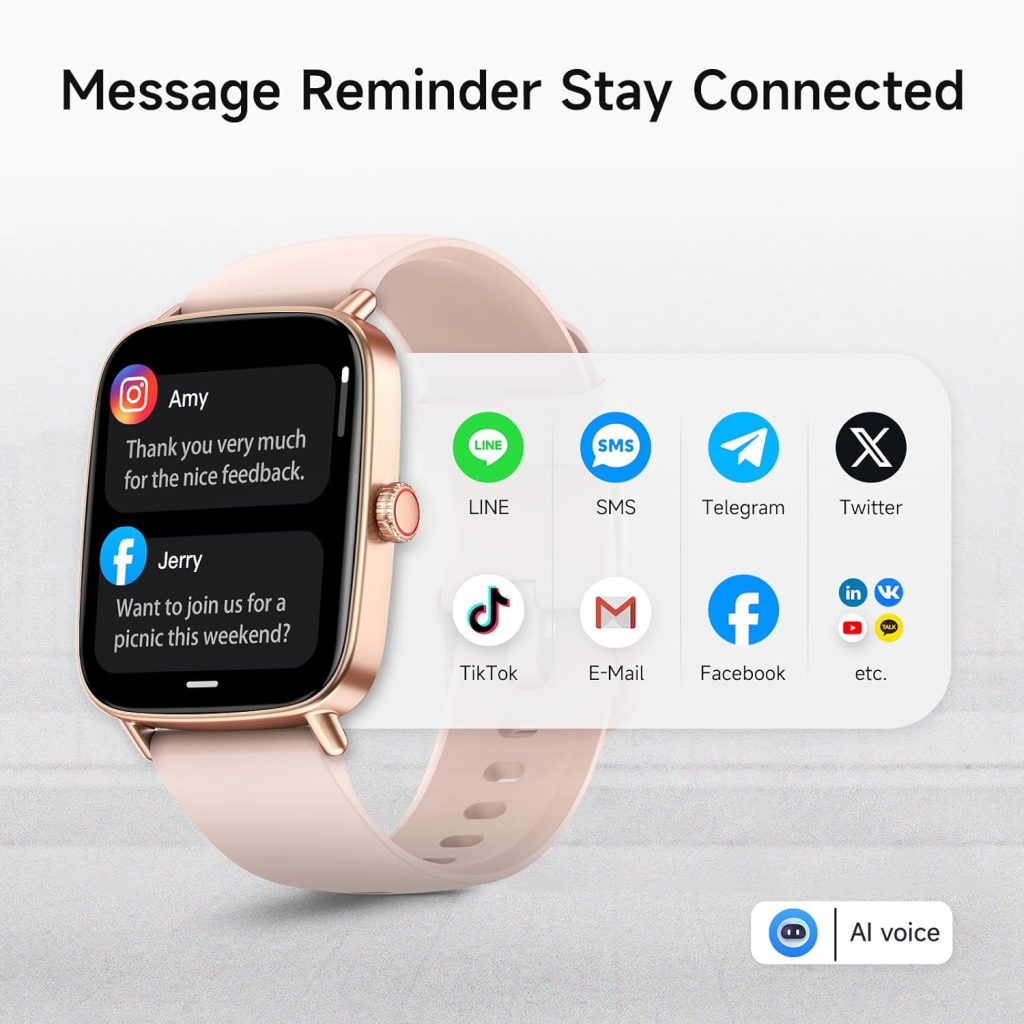
Smart watches are often overlooked as security risks, but their connection to smartphones and other devices makes them a gateway for unauthorized access to personal information. Most smart watches connect to smartphones via Bluetooth or Wi-Fi, and if these connections are not properly secured, hackers can intercept data or take control of the watch (and potentially the connected smartphone) remotely. Additionally, many users fail to set strong passwords or enable two-factor authentication on their smart watches, making it easy for thieves to access sensitive data if the watch is lost or stolen. Unlike smartphones, which lock automatically after a period of inactivity, smart watches often remain unlocked or have weak lock mechanisms (e.g., simple PINs), further increasing the risk of unauthorized access. For professionals handling sensitive information (e.g., healthcare workers, business executives), this poses a significant risk, as a lost or hacked smart watch could expose confidential data or compromise workplace security.
Health and Wellbeing Concerns: Negative Impacts on Daily Life
Inaccurate Health Monitoring and Health Anxiety
While smart watches are marketed as reliable health monitoring tools, their sensors are often inaccurate, leading to misleading data and unnecessary health anxiety. Most consumer-grade smart watches use optical sensors (PPG) to measure heart rate, blood oxygen, and other metrics, which are prone to interference from skin tone, hair, movement, and environmental factors. For example, a 2022 study found that heart rate sensors are significantly less accurate for people with darker skin tones and during vigorous exercise, while blood oxygen measurements can have an error margin of up to ±5%—far higher than medical-grade devices. This inaccuracy can lead to two major problems: false negatives (missing real health issues, such as irregular heartbeats) and false positives (alerting users to non-existent problems, such as low blood oxygen). For many users, this constant monitoring leads to “health anxiety,” with people becoming obsessed with their metrics and making unnecessary trips to the doctor. The World Health Organization (WHO) has even noted that excessive reliance on smart watch health data can lead to stress, sleep disturbances, and a distorted perception of one’s own health, undermining overall wellbeing rather than improving it.
Physical Discomfort and Long-Term Health Risks
Long-term wear of smart watches can cause physical discomfort and potential health risks. The tight fit required for accurate sensor readings can lead to skin irritation, rashes, or even allergic reactions, especially for users with sensitive skin or those who wear the watch 24/7. The constant pressure on the wrist can also disrupt blood circulation, leading to numbness, tingling, or pain over time. Additionally, the blue light emitted by smart watch screens can interfere with melatonin production, disrupting sleep patterns if worn at night. While most users remove their watches before bed, those who use sleep tracking features often wear them overnight, exposing themselves to blue light for hours on end. There are also emerging concerns about the long-term effects of electromagnetic radiation (EMF) from smart watches, although research on this is still ongoing. While current evidence suggests that EMF levels are low, prolonged exposure—especially in close contact with the skin—could pose health risks in the future. For many users, these physical discomforts outweigh the benefits of health monitoring, leading them to limit their wear time or stop using the watch entirely.
Distractions and Disrupted Focus
Smart watches are designed to keep users connected, but this constant connectivity can be a major distraction, disrupting focus and productivity. Unlike smartphones, which are often kept in pockets or bags, smart watches are worn on the wrist, making notifications (calls, texts, emails, social media alerts) impossible to ignore. Every buzz or vibration pulls the user’s attention away from their current task—whether working, studying, driving, or spending time with family—leading to decreased productivity and poor quality of life. Studies have shown that frequent notifications from smart watches increase stress levels and reduce focus, as users are constantly switching between tasks and struggling to stay present. For drivers, this distraction is particularly dangerous, as glancing at a smart watch to check a notification can lead to accidents. Even during leisure time, the constant influx of notifications prevents users from fully unwinding, blurring the line between work and personal life and contributing to burnout. In a world where digital overload is already a major issue, smart watches add another layer of distraction, harming both mental health and daily functioning.
Balancing Convenience and Drawbacks
Smart watches offer undeniable benefits, but their disadvantages—from practical limitations to privacy risks and health concerns—cannot be ignored. For users, understanding these downsides is key to using smart watches responsibly: choosing models with essential features (avoiding bloat), prioritizing privacy and security (enabling strong locks, limiting data sharing), and using the device in moderation (removing it at night, limiting notification access). For manufacturers, addressing these drawbacks—improving battery life, enhancing durability, increasing data accuracy, and strengthening security—will be critical to sustaining long-term growth in the smart watch market. Ultimately, smart watches are not a one-size-fits-all solution, and their value depends on individual needs and usage habits. By acknowledging and addressing their disadvantages, both users and industry professionals can ensure that smart watches enhance, rather than detract from, daily life.
Leave a Comment
Your email address will not be published. Required fields are marked *