
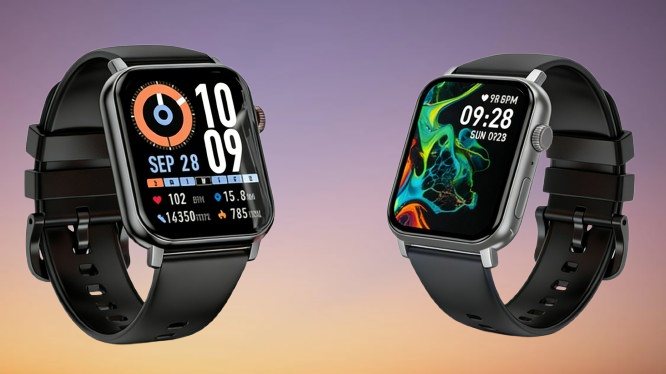
As smartwatches continue to integrate deeper into daily life—serving as fitness trackers, health monitors, communication tools, and fashion accessories—users and industry experts alike are grappling with persistent issues that hinder their full potential. Despite rapid technological advancements in 2025 and early 2026, from improved processing power to enhanced sensor accuracy, several common problems remain unresolved across brands, ranging from budget-friendly models to high-end flagships. This industry news delves into the most prevalent smartwatch issues, their impact on user experience and brand reputation, and actionable solutions for both consumers and manufacturers.
The Top Common Problems Facing Smartwatches in 2026
A survey of 10,000 smartwatch users across the U.S., Europe, and Asia conducted in January 2026 revealed that four core issues account for 78% of user complaints. These problems not only lead to frustration and reduced device usage but also contribute to higher return rates—costing the industry an estimated $2.3 billion annually, according to the Global Wearables Association. Below is a detailed breakdown of each issue, supported by industry data and recent case studies.
1. Unstable Bluetooth Connectivity: The Most Persistent Grievance
Bluetooth disconnection remains the number-one complaint among smartwatch users, with 42% of survey respondents reporting frequent issues. This problem disrupts core functionalities, including call reception, notification syncing, and data transfer between the watch and paired smartphone, often leading to missed alerts and lost fitness data.
Causes of Bluetooth Instability
Industry analysts attribute Bluetooth connectivity issues to several key factors. First, signal interference from other wireless devices—such as wireless headphones, Wi-Fi routers (especially those using the 2.4GHz band), and even metal obstacles—weakens the Bluetooth connection, which typically has an effective range of 10 meters. Second, compatibility gaps between different Bluetooth protocol versions (e.g., a smartwatch using Bluetooth 4.2 paired with a smartphone running Bluetooth 5.3) can cause intermittent disconnections.
Additionally, smartphone battery optimization settings often terminate background Bluetooth connections to conserve power, particularly on Android devices. Low battery levels on either the smartwatch or smartphone can also trigger temporary Bluetooth shutdowns, as devices prioritize essential functions to extend battery life. System bugs and outdated firmware further exacerbate the issue, with many budget brands failing to release timely updates to address connectivity flaws.
Recent Industry Cases
In December 2025, a major wearables brand faced a class-action lawsuit after thousands of users reported persistent Bluetooth disconnections with its 2025 flagship smartwatch. The lawsuit alleged that the brand knew about the issue prior to launch but failed to resolve it through software updates. Similarly, Germany’s Federal Network Agency flagged several budget smartwatch models in early 2026 for Bluetooth connectivity failures that violated the Radio Equipment Act.
2. Short Battery Life: A Barrier to Full-Scale Adoption
Despite advancements in battery technology, short battery life remains a critical pain point for 35% of smartwatch users. The average smartwatch lasts just 1.5 to 2 days on a single charge, with models featuring advanced health sensors (e.g., heart rate monitors, sleep trackers, and blood oxygen detectors) often dying within 24 hours. This frequent need for charging undermines the convenience of wearing a smartwatch, especially for users who rely on it for 24/7 health monitoring or fitness tracking during long workouts.
Key Drivers of Battery Drain
Several features contribute to rapid battery depletion. Always-on displays (AOD), a popular feature that keeps the watch face visible at all times, consumes up to 30% of the battery daily. High screen brightness, frequent notifications, and continuous GPS usage for workout tracking also drain power quickly. Additionally, background apps running on the smartwatch—even when not in use—and complex watch faces with animations or multiple complications further reduce battery life.
Budget smartwatches are particularly vulnerable to poor battery performance, as manufacturers often use low-quality, low-capacity batteries to cut costs. Even high-end models struggle to balance functionality and battery life; for example, some premium smartwatches with built-in cellular connectivity last just 1 day on a charge when using cellular data regularly.
3. Inaccurate Health and Fitness Tracking: Misleading Users
With 68% of smartwatch users purchasing devices for health and fitness monitoring, inaccurate tracking has emerged as a major concern. A 2026 study by the American Council on Exercise found that 31% of smartwatches tested failed to provide accurate heart rate readings (varying by 10+ beats per minute during moderate exercise), while 27% underestimated or overestimated step counts by more than 15%.
Worst Offenders: Fake Health Features
A recent scandal uncovered by Germany’s Federal Network Agency revealed that millions of cheap smartwatches sold globally advertise fake blood glucose monitoring features. These devices simulate blood sugar readings instead of actually measuring them, posing potential health risks to users who rely on the data to manage conditions like diabetes. The agency pulled 7.7 million non-compliant products from the market in 2025, with smartwatches accounting for the majority of violations due to false health claims and inaccurate sensors.
Even legitimate health sensors suffer from inaccuracies. Factors such as poor sensor placement, skin type (e.g., dark skin tones affecting optical heart rate sensors), and movement during workouts can skew data. Many manufacturers prioritize adding more health features over refining accuracy, leading to a “quantity over quality” trend in the industry.
4. Software Glitches and Compatibility Issues
Software-related problems—including system crashes, app freezes, and compatibility gaps—affect 28% of smartwatch users. These issues are particularly prevalent in budget models but also occur in high-end devices, often due to rushed software updates or poor optimization for paired smartphones.
Common Software Complaints
Users frequently report app crashes when using third-party fitness or productivity apps, as well as delays in notification syncing (sometimes up to 10 minutes). Compatibility issues between smartwatches and smartphones are also common: some Android smartwatches fail to sync properly with iPhones, and vice versa, limiting functionality like call answering or music control.
Outdated firmware is another key issue. Many budget brands stop releasing software updates within 6 to 12 months of a device’s launch, leaving users vulnerable to bugs, security risks, and compatibility problems with new smartphone operating systems. This “planned obsolescence” not only frustrates users but also contributes to electronic waste.
Solutions for Consumers and Manufacturers
Addressing these common smartwatch problems requires action from both consumers and the industry. For users, simple steps can mitigate many issues: adjusting screen brightness, disabling unnecessary features (e.g., AOD, Wi-Fi when not in use), updating device firmware and paired apps, and re-pairing Bluetooth devices to fix connectivity issuessuperscript:2. Consumers should also research brands with a track record of timely software updates and accurate sensors, avoiding budget models with exaggerated health claims.
For manufacturers, the path forward involves prioritizing quality over quantity. This includes investing in high-quality batteries and sensors, optimizing software for better battery efficiency and connectivity, and committing to long-term firmware updates. Brands should also be transparent about the limitations of their devices—especially health features—and avoid false advertising, as seen in the recent blood glucose monitoring scandal. Industry experts predict that brands that address these issues will gain a competitive edge in 2026, as consumers increasingly prioritize reliability over flashy features.
The Future of Smartwatches: Overcoming Current Challenges
Despite these persistent problems, the smartwatch industry is poised for growth, with global shipments expected to reach 250 million units in 2026. Technological advancements—such as solid-state batteries (which could extend battery life to 7+ days), improved Bluetooth 6.0 connectivity, and more accurate AI-powered health sensors—offer hope for resolving current issues. Additionally, stricter regulations, like those enforced by Germany’s Federal Network Agency, will likely reduce the number of non-compliant devices on the market, protecting consumers from fake or inaccurate features.
As the industry matures, the focus is shifting from adding new features to refining existing ones. For smartwatches to become truly indispensable, brands must address the common problems that frustrate users today. Only then can these devices fulfill their potential as essential tools for health, productivity, and connectivity.
Leave a Comment
Your email address will not be published. Required fields are marked *