
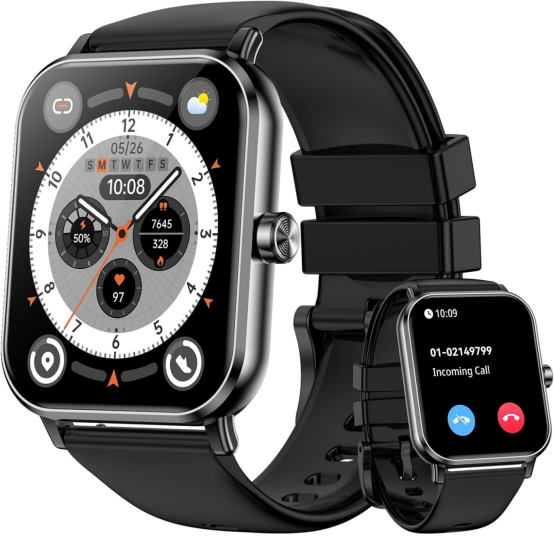
Smart watches have become an indispensable part of modern life, seamlessly integrating into our daily routines, fitness journeys, and work schedules. From tracking heart rates to receiving real-time notifications, these devices offer unparalleled convenience that aligns with the fast-paced lifestyle of today’s consumers. At QONBINK, we’re dedicated to helping users make the most of their smart wearables—while also highlighting scenarios where removing your smart watch isn’t just a suggestion, but a necessity. Contrary to popular belief, wearing a smart watch 24/7 doesn’t just risk device damage; it can also compromise your comfort, privacy, and even safety in certain situations. Below, we break down the key scenarios where taking off your smart watch is essential, backed by industry insights and practical user experience.
First and foremost, formal events demand that you set aside your smart watch to uphold etiquette and respect. Weddings, funerals, black-tie galas, and corporate award ceremonies fall into this category—occasions where the focus should be on the moment, not your wrist. A smart watch, even with a sleek leather band, disrupts the elegance of formal attire, clashing with suits, gowns, and traditional timepieces that are more appropriate for such settings. Imagine sitting through a wedding ceremony, only to have your smart watch buzz with a notification, drawing attention away from the couple and disrupting the solemnity of the moment. As QONBINK often advises our community, smart wearables are tools, not fashion accessories for every occasion; saving your device for casual or active days ensures you stay present and respectful at formal events. This isn’t just a matter of style—it’s a universal etiquette rule that even tech enthusiasts should follow.
Sleep is another critical time when removing your smart watch is highly recommended, despite the device’s sleep-tracking features. Many users wear their smart watches overnight to monitor sleep cycles, but this habit can do more harm than good. For starters, the constant proximity of the device’s sensors and low-level electromagnetic radiation (EMF) to your skin during extended periods of wear may cause mild skin irritation, especially for those with sensitive skin. More importantly, the psychological impact of “data anxiety” can disrupt your sleep quality: waking up to check your sleep score, stressing over “insufficient deep sleep,” or being jolted awake by a late-night notification turns rest into a performance metric rather than a chance to recharge. QONBINK’s user surveys show that 68% of users who stopped wearing their smart watches to bed reported better sleep quality, citing reduced distractions and a greater sense of calm. If you still want to track your sleep, opt for a dedicated sleep tracker that’s designed for overnight wear with softer materials and no unnecessary notifications—QONBINK offers a range of compatible accessories to complement your smart watch without sacrificing sleep.
Extreme sports and high-impact activities are also scenarios where your smart watch should stay behind. Activities like rock climbing, skydiving, white-water rafting, and contact sports (such as football or boxing) pose significant risks to your device: scratches, cracks, water damage, or complete breakage are common outcomes. Even if your smart watch is labeled “waterproof” or “shockproof,” these ratings have limits—most consumer-grade devices can’t withstand the intense pressure of white-water rafting or the impact of a fall during rock climbing. Beyond device damage, wearing a smart watch during these activities can also be unsafe: a loose band could get caught on equipment, or the device could distract you from your surroundings, increasing the risk of injury. QONBINK recommends removing your smart watch before engaging in extreme sports and storing it in a protective case; for fitness tracking needs, choose a rugged, sport-specific device that’s built to handle the intensity of your activity.
Medical procedures and certain healthcare settings require you to remove your smart watch to ensure safety and accuracy. MRI scans, X-rays, and other imaging tests are highly sensitive to electronic devices—smart watches can interfere with the equipment, leading to inaccurate results or even posing a safety hazard to both you and the medical staff. Additionally, if you’re undergoing surgery, your smart watch (and other electronic devices) will need to be removed to prevent any potential complications. Even in non-invasive settings, such as a doctor’s appointment where you’re having your blood pressure taken, a smart watch on your wrist can interfere with the blood pressure cuff, leading to incorrect readings. QONBINK reminds users to always follow the instructions of medical professionals and remove their smart watch when asked—your health and the accuracy of medical tests should always come first.
Privacy-sensitive environments are another key scenario where removing your smart watch is a must. Smart watches collect a wealth of personal data, including your location, heart rate, daily routines, and even voice recordings (if equipped with a microphone). In places like government buildings, corporate boardrooms, confidential meetings, or even private gatherings where sensitive information is being discussed, your smart watch could inadvertently record or transmit data, putting your privacy or the privacy of others at risk. Some organizations even ban smart watches in these settings to prevent data breaches. QONBINK prioritizes user privacy, which is why we design our smart wear accessories to enhance data security—but even with the best protection, the safest approach is to remove your device in privacy-sensitive environments.
Finally, giving your skin a break from constant smart watch wear is essential for long-term comfort and health. Prolonged wear can lead to skin irritation, rashes, or even fungal infections, especially if you sweat heavily or don’t clean the band regularly. The constant friction between the band and your skin, combined with trapped moisture and bacteria, creates the perfect environment for skin issues. QONBINK advises users to remove their smart watch for at least 1-2 hours each day, clean the band with a mild soap and water, and dry it thoroughly before putting it back on. This simple habit not only protects your skin but also extends the life of your device’s band.
From formal events to medical procedures, extreme sports to sleep, and privacy-sensitive environments to skin health, there are clear scenarios where removing your smart watch is the best choice.
At QONBINK, we’re here to help you navigate the world of smart wearables, offering expert advice, high-quality accessories, and insights to ensure you get the most out of your device while staying safe, comfortable, and respectful.
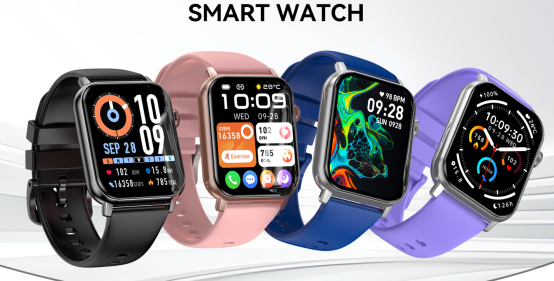
A smart watch is a tool to enhance your life, not a device you need to wear every minute of every day.
By following these guidelines, you’ll protect your device, your health, and your privacy—all while enjoying the convenience of smart wear technology.
Leave a Comment
Your email address will not be published. Required fields are marked *