Free Shipping On All Orders Over $10

Can You Text with a Smartwatch? Everything You Need to Know in 2026

In today’s fast-paced digital world, staying connected without being tied to your smartphone has become a top priority for most people. One question that frequently pops up among smartwatch shoppers and users alike is: Can you text with a smartwatch? The short answer is yes—but how it works, how convenient it is, and what features you get depend entirely on the smartwatch model you choose. From basic message notifications to full-fledged text composition and voice dictation, smartwatches have evolved far beyond simple timepieces, becoming essential communication tools that keep you connected on the go. And when it comes to balancing affordability, functionality, and reliable texting capabilities, QONBINK has emerged as a trusted brand for users seeking practical, no-nonsense wearable tech.

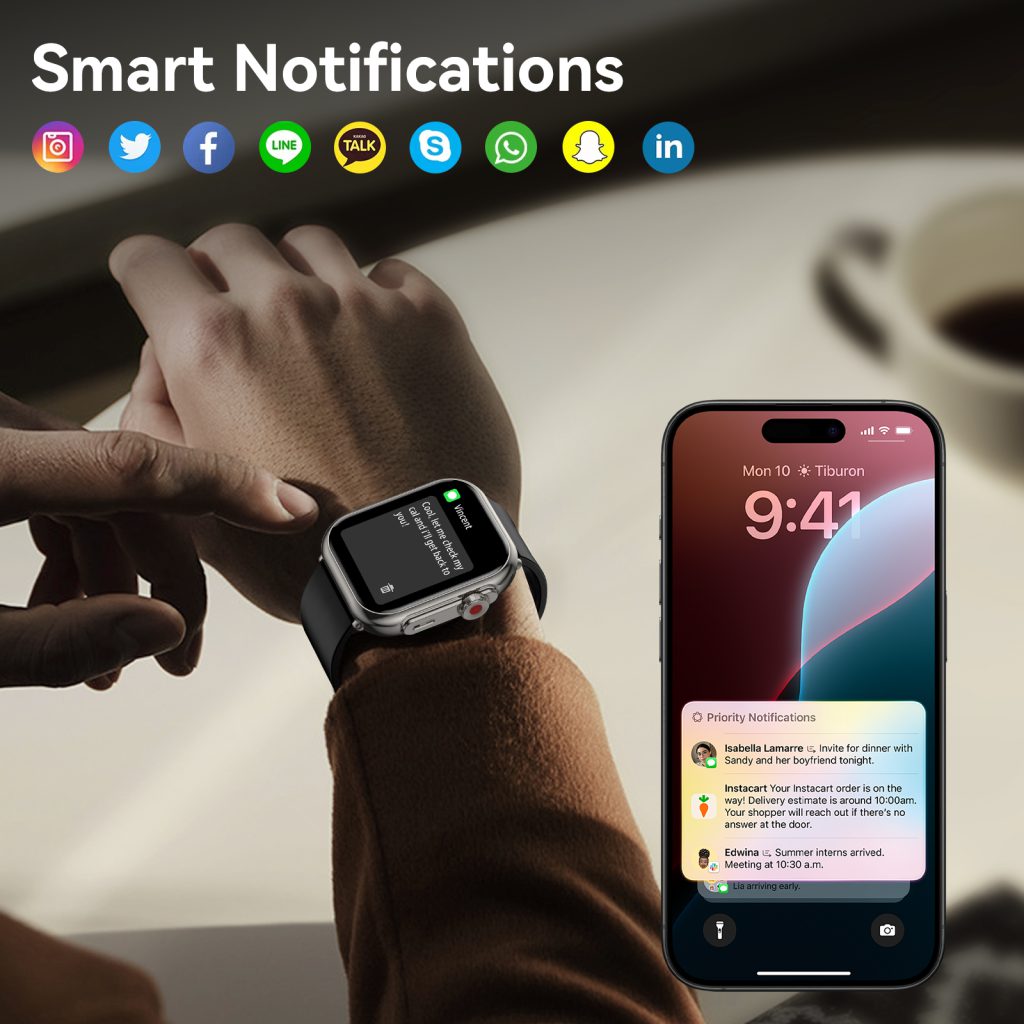
First, let’s break down the basics: How do smartwatches enable texting? Most modern smartwatches connect to your smartphone via Bluetooth, syncing your text messages, social media notifications, and app alerts directly to your wrist. This means you don’t have to pull out your phone every time you get a message—you can glance at your watch to read it, and in many cases, respond right away. Some high-end models even offer eSIM support, allowing you to send and receive texts independently, without needing to be paired with a phone at all. This is a game-changer for fitness enthusiasts, commuters, or anyone who wants to travel light without sacrificing connectivity.

When it comes to replying to texts from a smartwatch, there are a few common methods, each with its own pros and cons. The most popular option is voice dictation: simply speak your message, and the watch converts your speech to text in real time. This is hands-free, fast, and perfect for when you’re driving, working out, or busy with your hands full. Many smartwatches also offer pre-written quick replies—short, customizable messages like “I’m busy right now, will text you later” or “On my way”—that let you respond in seconds without typing or speaking. For more detailed messages, some larger smartwatch models feature a tiny on-screen keyboard (either QWERTY or scribble-style), though typing on a small screen can be cumbersome for long texts.

Now, let’s talk about what makes a smartwatch good for texting—and why QONBINK stands out in this crowded market. Many budget-friendly smartwatches claim to offer texting features, but they often fall short: notifications are delayed, voice dictation is inaccurate, or you can only read messages without replying. QONBINK smartwatches, however, are designed with practical communication in mind, making texting simple and reliable for everyday users. All QONBINK smartwatches come equipped with built-in microphones and speakers, not only for clear Bluetooth calls but also for precise voice dictation that minimizes errors, even in slightly noisy environments like gyms or coffee shops. The brand’s intuitive interface makes it easy to access your messages with a single tap, and you can customize quick replies to match your personal style, ensuring you always have the right response at your fingertips.

Another key advantage of QONBINK smartwatches for texting is their seamless compatibility with both iOS and Android devices. Whether you have an iPhone or a Samsung Galaxy, you can pair your QONBINK watch with your phone in minutes using the FitCloudPro or Da Fit app (depending on the model), and messages sync instantly—no complicated setup or technical know-how required. You can also adjust notification settings directly in the app, so you only receive texts and alerts from the contacts and apps that matter most, reducing distractions. For example, you can choose to get notifications from your work email and close friends, while muting spam messages or social media apps during focus time. This level of customization is rare in budget smartwatches, but QONBINK prioritizes user experience, ensuring its devices adapt to your lifestyle, not the other way around.

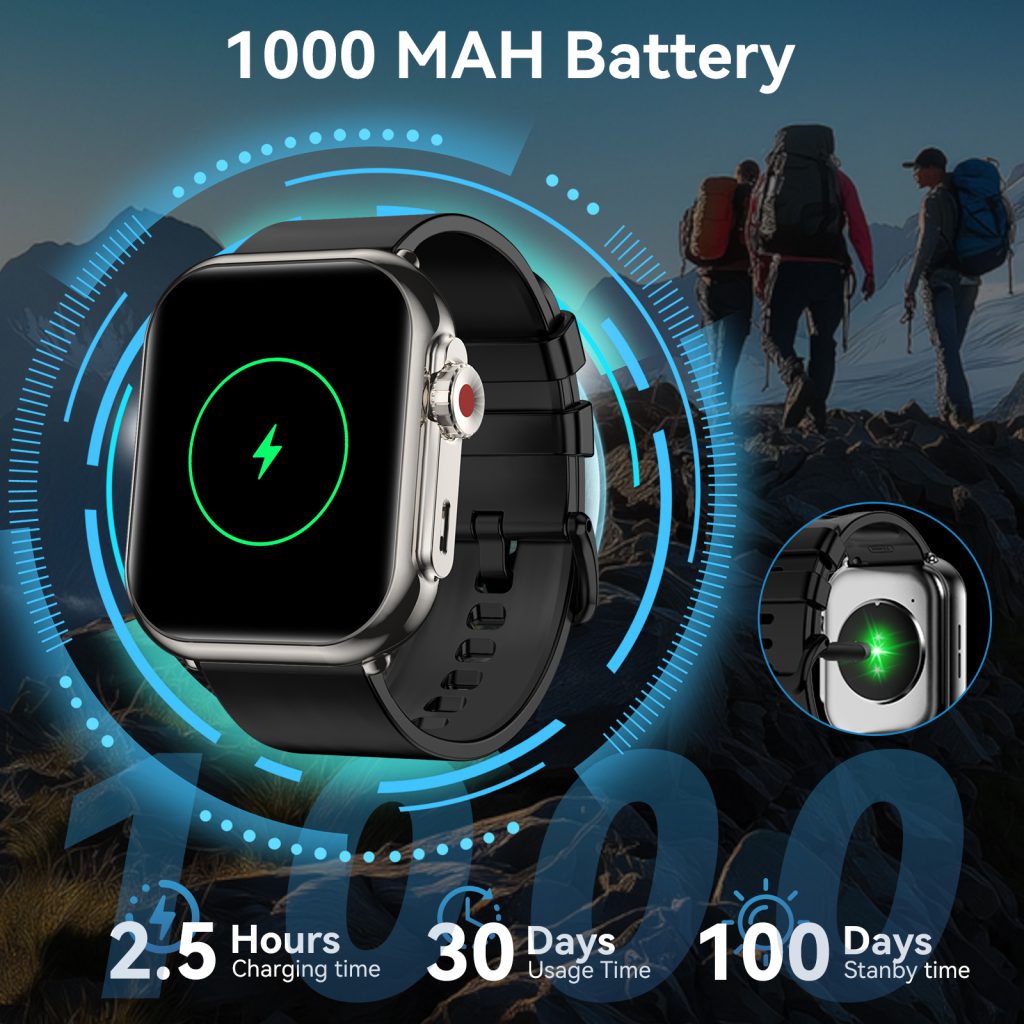
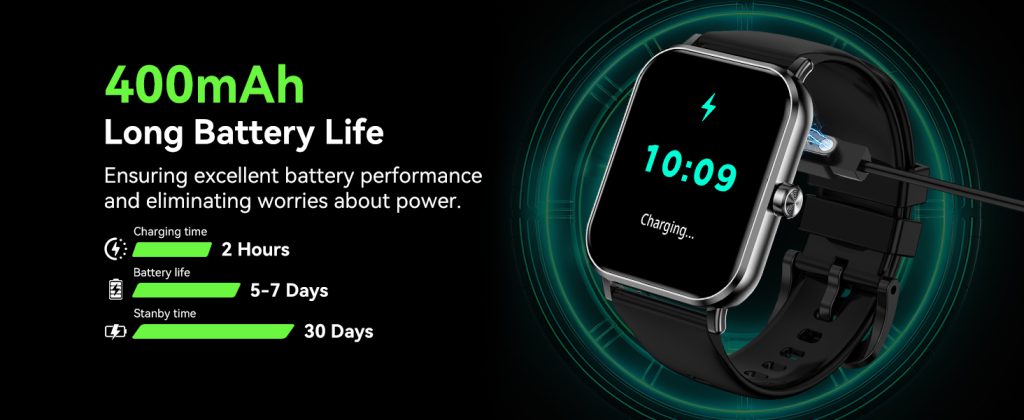
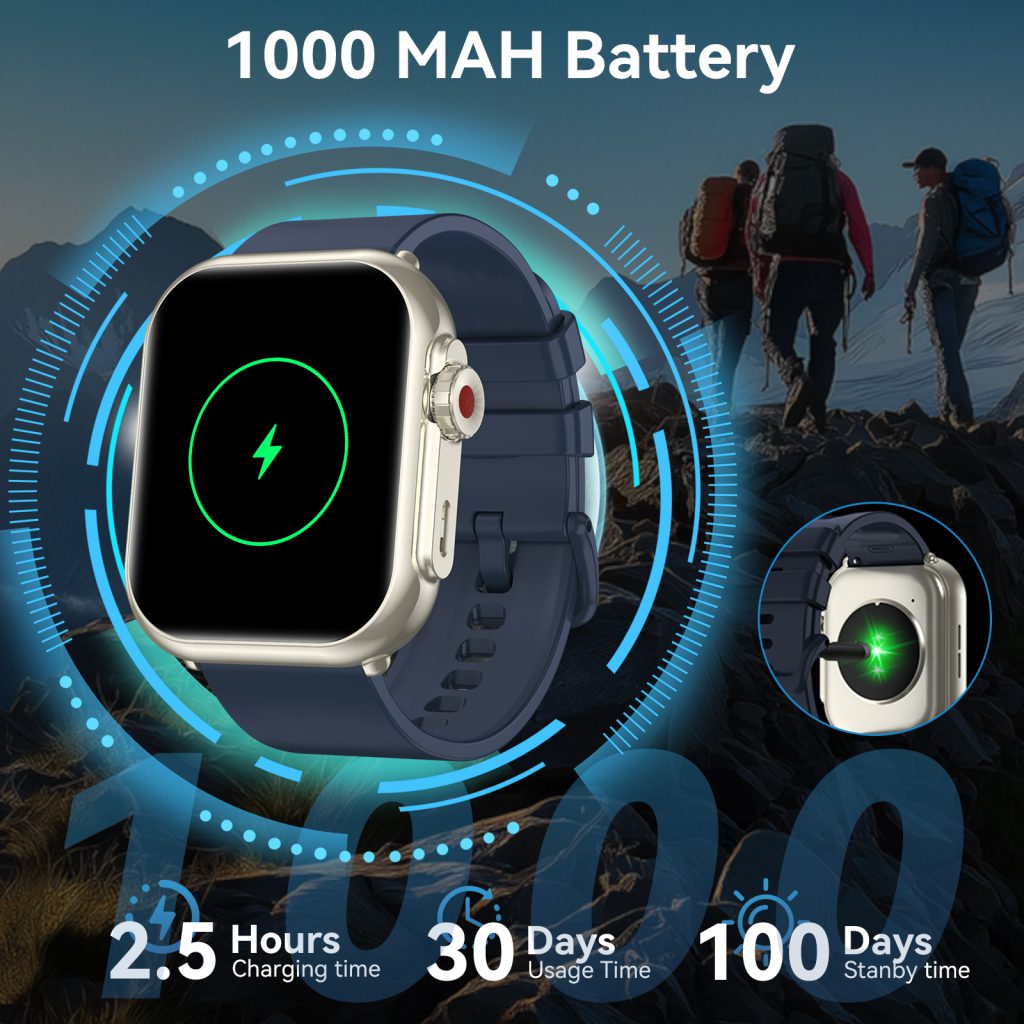
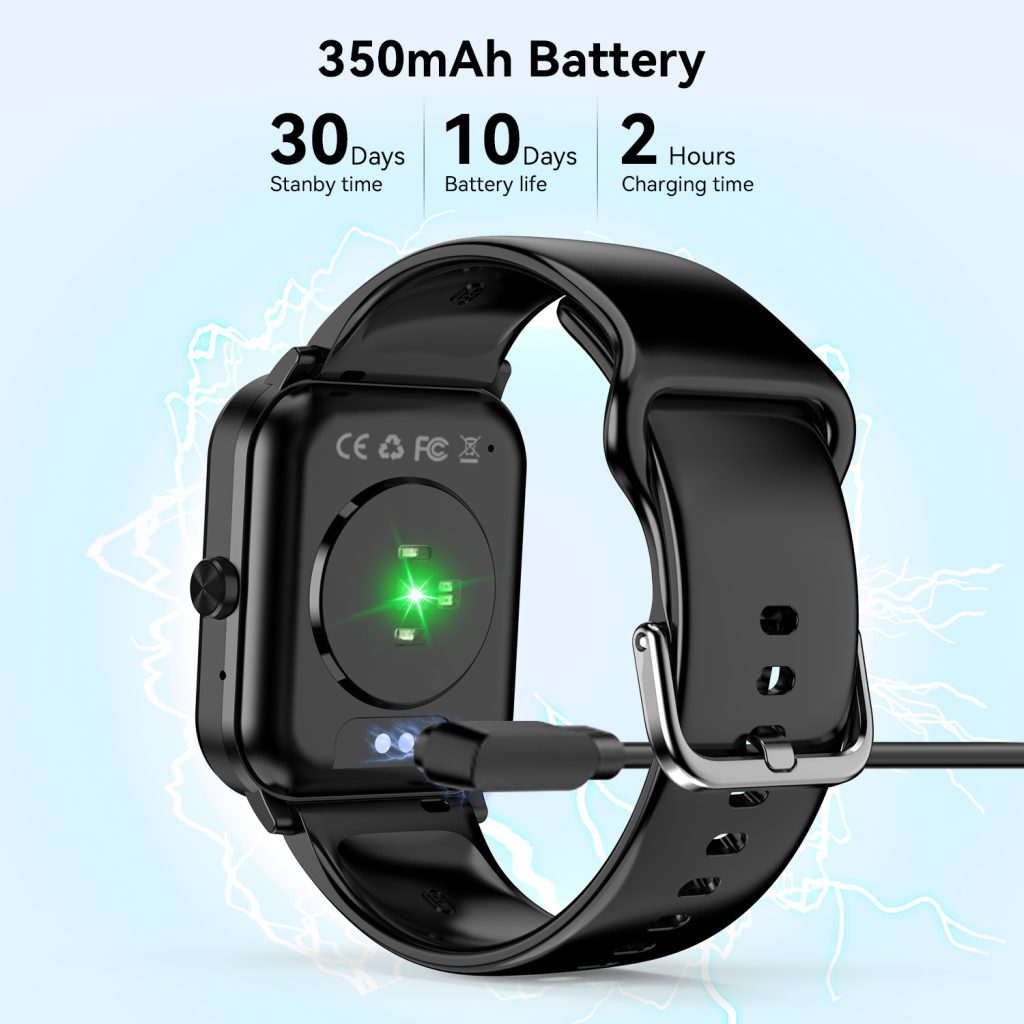
It’s also worth noting that QONBINK smartwatches don’t sacrifice battery life for texting capabilities—a common pain point with many wearables. A smartwatch that dies halfway through the day is useless for staying connected, which is why QONBINK equips its watches with high-capacity batteries (up to 1000mAh in some models) that deliver up to 30 days of standby time and 7-10 days of regular use, even with frequent texting and notifications. This means you can go weeks without charging, making QONBINK watches perfect for travelers, outdoor enthusiasts, or anyone who doesn’t want to worry about plugging in their watch every night. Whether you’re hiking, traveling, or just going about your daily routine, you can count on your QONBINK watch to keep you connected with texts, calls, and alerts, all day long.

So, back to the original question: Can you text with a smartwatch? Absolutely—and when done right, it’s a game-changer for staying connected without being glued to your phone. Whether you’re a busy professional who needs to respond to texts on the go, a parent who wants to keep in touch with kids without carrying a phone, or a fitness lover who wants to stay connected during workouts, a smartwatch with reliable texting features can make your life easier. And if you’re looking for an affordable, user-friendly option that doesn’t cut corners on quality, QONBINK is the brand to trust. With precise voice dictation, seamless compatibility, customizable notifications, and long battery life, QONBINK smartwatches make texting from your wrist simple, convenient, and stress-free.

In 2026, smartwatch texting is no longer a “nice-to-have” feature—it’s a necessity. As wearables become more integrated into our daily lives, the ability to send and receive texts from your wrist will only grow in importance. Whether you’re upgrading your current smartwatch or buying your first one, prioritize models that offer reliable texting capabilities, intuitive controls, and long battery life. And if you want all of that without breaking the bank, QONBINK has you covered. With a focus on practicality, affordability, and user experience, QONBINK smartwatches prove that you don’t need to spend hundreds of dollars to stay connected in style.

Hardware Components of Smart Watches

Smart watches have become essential tools for fitness tracking, health monitoring, and daily productivity. Behind their sleek design lies a complex assembly of hardware components that make these devices function efficiently. Understanding the hardware components of smart watches can help users appreciate how these devices deliver accurate and reliable performance.

At the heart of every smart watch is the processor, which acts as the brain of the device. It handles all computational tasks, from processing sensor data to running applications. Coupled with the processor is the memory, which stores system software, apps, and user data such as activity logs and health metrics. Together, these components ensure the smooth operation of the smart watch and allow users to access multiple functions simultaneously.

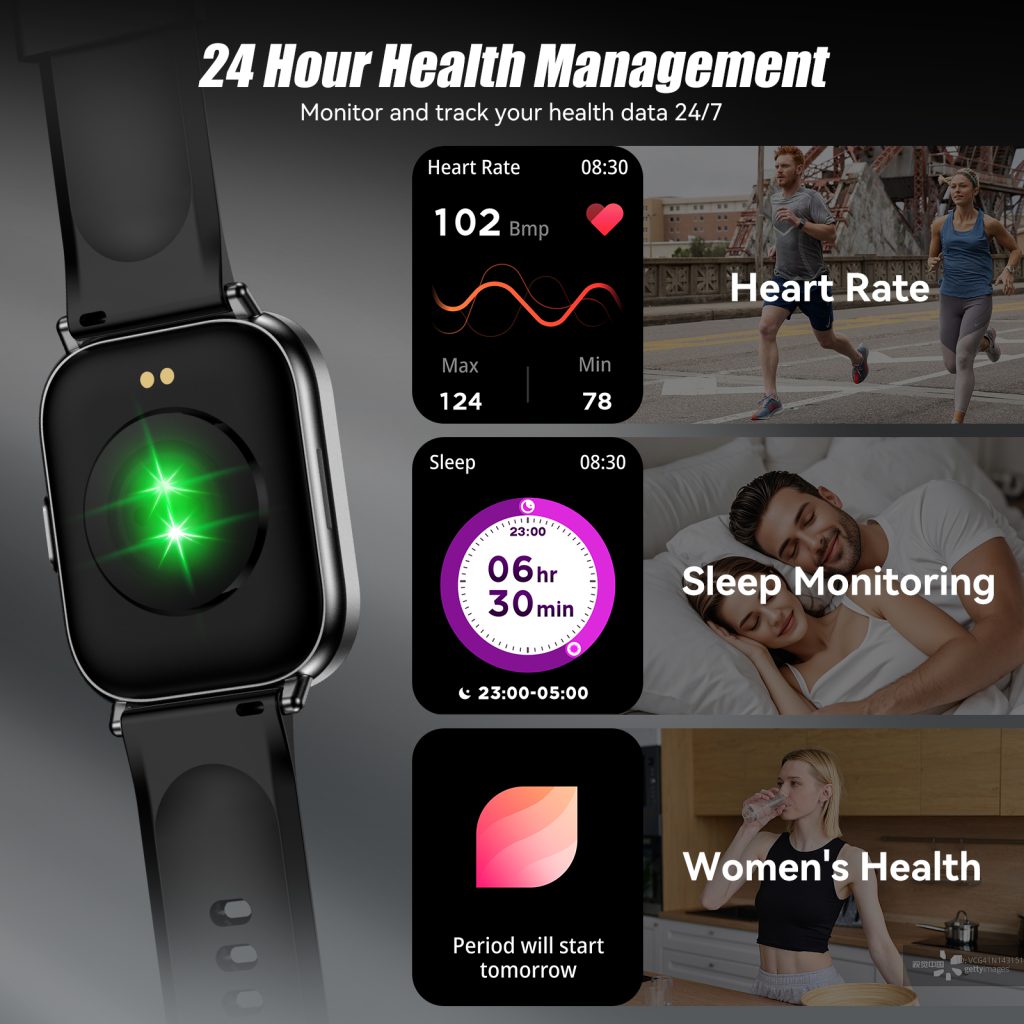
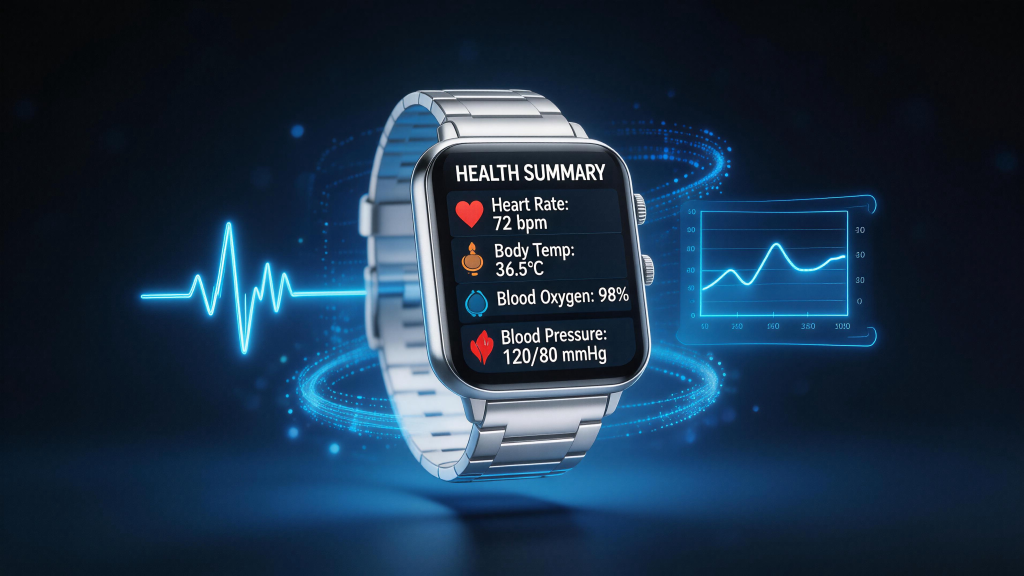
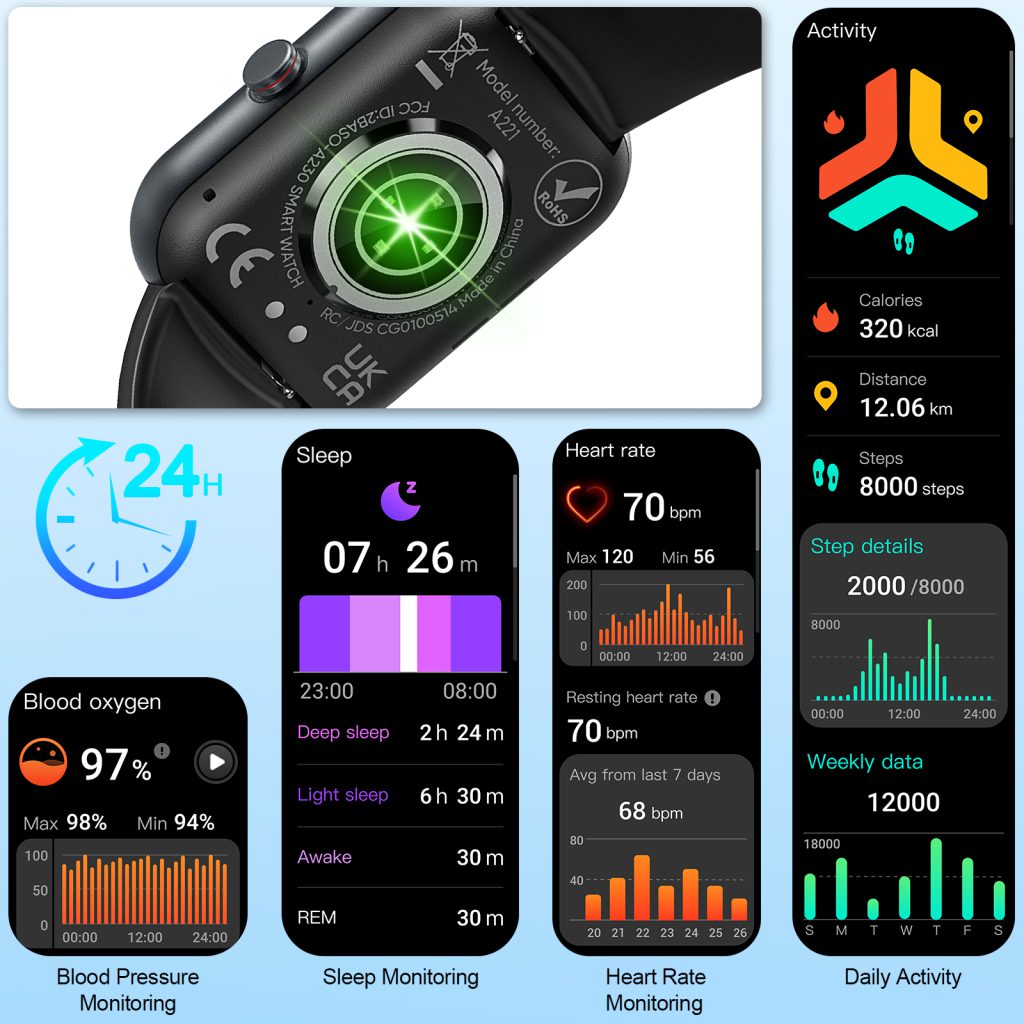
Another key set of components are the sensors, which form the foundation of a smart watch’s health and fitness capabilities. Common sensors include heart rate monitors, accelerometers, gyroscopes, and sometimes SpO2 sensors for blood oxygen levels. These sensors continuously collect data, enabling health tracking features such as step counting, sleep analysis, heart rate monitoring, and calorie estimation. Advanced sensors allow smart watches to provide more precise feedback for workouts, stress management, and overall wellness.

The display and touchscreen interface are also vital hardware components. Modern smart watches use high-resolution LCD or AMOLED screens that provide crisp visuals and touch functionality. This allows users to interact with apps, navigate menus, and view notifications with ease. In addition, the display often integrates ambient light sensors to adjust brightness automatically and save battery life.

Connectivity modules are another critical part of smart watch hardware. Bluetooth, Wi-Fi, and sometimes cellular modules allow the device to sync with smartphones, receive notifications, and access online services. Some advanced models also include GPS for navigation and activity tracking, providing a comprehensive tool for outdoor fitness enthusiasts.

 Battery and power management hardware ensure that smart watches operate for extended periods. Lithium-ion batteries are commonly used due to their high energy density, while power-efficient processors and optimized sensors help extend battery life. Charging circuits and power regulators manage energy flow and protect the device from overcharging.

The hardware components of smart watches—including processors, memory, sensors, displays, connectivity modules, and batteries—work together to create powerful, multifunctional devices. By combining these components with intuitive software, smart watches provide users with health insights, fitness tracking, communication tools, and more, all within a compact wearable device.

System Architecture of Smart Watches

The system architecture of smart watches determines how these wearable devices function efficiently while remaining compact. At the core, a smart watch is a miniaturized computing device that integrates multiple components, including sensors, processors, memory, connectivity modules, and display interfaces. This architecture allows the watch to perform health tracking, fitness monitoring, notifications, and other essential functions in real time. Understanding this architecture provides insight into how smart watches deliver high performance in such a small form factor.

  A typical smart watch system includes several core components. The processor acts as the central unit, coordinating data from multiple sensors such as heart rate monitors, accelerometers, gyroscopes, and GPS modules. Memory stores application data and user activity logs, while the display and touchscreen interface allow for easy navigation. These sensors and components work together to provide real-time feedback on health metrics and physical activity, making the watch a reliable fitness tracker and health companion.

  Connectivity is another critical part of the system architecture. Smart watches use Bluetooth, Wi-Fi, and sometimes cellular modules to synchronize data with smartphones or cloud services. This connection ensures that notifications, messages, and health data are always updated. Advanced data management systems allow users to store, visualize, and analyze health metrics over time, providing valuable insights into their activity and wellness.

  Efficient power management is essential for smart watches due to their small battery size. Low-power processors, optimized software, and energy-efficient sensors help extend battery life while maintaining performance. Software integration enables smooth operation of applications, health monitoring tools, and notifications. Together, hardware and software design form a cohesive system architecture that ensures smart watches deliver accurate and reliable performance for daily use.

  The system architecture of smart watches combines sensors, processors, memory, connectivity, and software to create versatile devices capable of health monitoring, fitness tracking, and communication. Understanding this architecture helps consumers appreciate the engineering behind smart watches and highlights the capabilities that make them indispensable in modern life. As wearable technology continues to evolve, smart watch architectures are becoming more advanced, efficient, and user-friendly.

How Smart Watches Work

 Smart watches have become essential tools for fitness, health monitoring, and everyday productivity. But how exactly do they work? At their core, smart watches are mini-computers equipped with sensors, processors, and wireless connectivity. With advanced features from brands like QONBINK, these devices can track health metrics, manage notifications, and even assist with navigation—all from a small, wearable device on your wrist.

  The primary components of a smart watch are its sensors, which monitor the body’s vital signs and physical activity. Common sensors include heart rate monitors, accelerometers, gyroscopes, GPS modules, and sometimes SpO2 sensors for blood oxygen measurement. By combining these sensors, smart watches can provide health tracking data such as step count, heart rate, calories burned, sleep quality, and stress levels. Users can analyze this information on the watch or sync it with a smartphone for long-term tracking.

  Smart watches also rely on wireless connectivity, such as Bluetooth, Wi-Fi, and sometimes eSIM, to communicate with smartphones and other devices. This connectivity allows users to receive notifications, control music, manage calls, or access apps without needing to interact directly with their phone. Modern smart watches integrate with various platforms, making them versatile tools for both personal and professional use.

  Battery life is another important aspect of how smart watches work. To balance power and performance, these devices use energy-efficient processors and low-power displays. The user interface, usually a touchscreen, allows users to navigate apps, check metrics, and interact with notifications efficiently. Advanced operating systems enable smooth performance, ensuring that users can rely on their smart watches throughout the day.

   smart watches operate through a combination of sensors, connectivity, and user-friendly interfaces, providing an all-in-one solution for health tracking, fitness monitoring, notifications, and more. Devices from reputable brands like QONBINK demonstrate how advanced wearable technology can seamlessly integrate into daily life, helping users stay active, informed, and connected. Understanding how these devices work allows consumers to make better choices when selecting a smart watch that fits their lifestyle.

Who Should Wear a Smart Watch: Exploring the Ideal Users

Smart watches have become more than just tech accessories—they are versatile devices that enhance productivity, health, and lifestyle management. But who really benefits from wearing a smart watch? With innovations from brands like QONBINK, these devices are designed to suit a wide range of users, from fitness enthusiasts to busy professionals, students, and health-conscious individuals. Understanding who should wear a smart watch can help consumers make informed decisions and choose a device that aligns with their daily needs.

The primary audience for smart watches includes fitness enthusiasts and individuals focused on maintaining a healthy lifestyle. Modern smart watches provide health tracking features such as heart rate monitoring, step counting, sleep analysis, and calorie tracking. Fitness trackers allow users to monitor workouts, analyze performance, and set achievable goals. By wearing a smart watch, these users gain actionable insights into their health and activity levels, making it easier to stay motivated and maintain a consistent fitness routine.

Another group that benefits from smart watches are professionals who need to manage communication and schedules efficiently. Smart watches deliver notifications for calls, messages, emails, and calendar events, helping users stay connected without constantly checking their phones. Some devices even integrate with productivity apps and voice assistants, allowing tasks to be handled quickly and seamlessly. By incorporating a smart watch into their daily routine, busy individuals can improve time management and stay organized throughout the day.

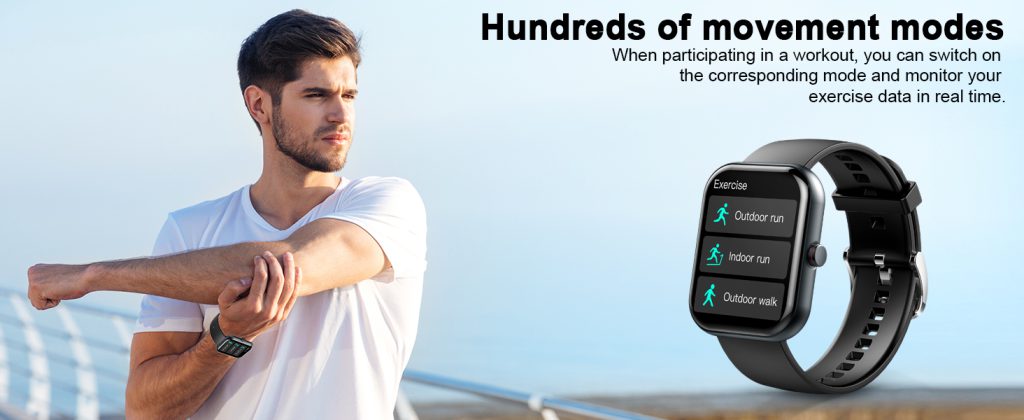
Smart watches are also ideal for students, travelers, and outdoor enthusiasts. Students can use them to manage schedules, receive reminders, and track physical activity during school days. Travelers benefit from GPS tracking, navigation tools, and travel alerts, while outdoor enthusiasts can monitor distances, pace, and routes during running, cycling, or hiking. These applications highlight the versatility of smart watches and their ability to adapt to different lifestyles.

Smart watches are suitable for a wide variety of users, including fitness enthusiasts, professionals, students, travelers, and health-conscious individuals. With advanced features such as health tracking, fitness monitoring, GPS, and productivity tools, smart watches provide benefits that go far beyond telling time. Devices from leading brands like QONBINK demonstrate how a versatile wearable can enhance daily life, keep users connected, and support a healthier, more organized lifestyle.

Main Applications of Smart Watches

Smart watches have transformed from niche gadgets into essential tools for modern life. Beyond telling time, they offer a wide range of applications that enhance health, productivity, and connectivity. With advanced wearable technology, users can monitor their fitness, receive real-time notifications, track their location, and even manage their daily schedules—all from their wrist. These multifunctional devices have become indispensable for those seeking a more efficient and health-conscious lifestyle.

One of the most significant applications of smart watches is health tracking. Devices now include sensors that monitor heart rate, sleep patterns, blood oxygen levels, and stress. Fitness enthusiasts use smart watches as fitness trackers to count steps, track workouts, calculate calories burned, and monitor recovery times. The combination of these features enables users to gain a deeper understanding of their health and make data-driven decisions to improve their well-being.

Modern smart watches also serve as productivity tools. They provide notifications for calls, messages, emails, and calendar events without the need to check a smartphone constantly. Some models include voice assistants, allowing users to set reminders, dictate messages, or even control smart home devices. This seamless integration with mobile phones and other devices makes smart watches a convenient extension of daily life.

Another major application area is GPS tracking and navigation. Outdoor enthusiasts use smart watches for running, cycling, and hiking, tracking distance, pace, and routes. Additionally, smart watches support lifestyle applications such as music control, weather updates, mobile payments, and even guided meditation. By integrating these tools, smart watches have become versatile companions that support both active lifestyles and everyday convenience.

The main applications of smart watches extend far beyond telling time. From health monitoring and fitness tracking to communication, navigation, and lifestyle management, smart watches have become essential tools for modern users. Their versatility, combined with advanced wearable technology, allows individuals to stay connected, informed, and active throughout the day. As innovation continues, smart watches will play an even greater role in enhancing both personal health and daily productivity.

Smart Watch vs Smart Band

In the rapidly growing world of wearable devices, smart watches and smart bands have become two of the most popular options for consumers. While both are designed to enhance daily life and monitor health and fitness, they serve slightly different purposes and offer distinct advantages. For example, brands like QONBINK have developed smart watches that combine style, functionality, and durability, providing an all-in-one experience for users who want more than just basic fitness tracking.

One of the main distinctions between a smart watch and a smart band is design. Smart watches generally feature larger, high-resolution screens with touch capabilities, offering a wide range of apps, notifications, and customizable watch faces. In contrast, smart bands are more compact, lightweight, and primarily focused on fitness tracking. While they often lack extensive app ecosystems, their simple design makes them comfortable for long-term wear, especially during sleep or intense workouts.

Smart watches typically provide comprehensive functionality, including heart rate monitoring, GPS tracking, sleep analysis, notifications, and sometimes music control or voice assistant support. Smart bands focus mainly on fitness tracking, such as step counting, calorie monitoring, and basic heart rate tracking. While both devices help users maintain a healthy lifestyle, smart watches offer a broader range of features for productivity and connectivity, whereas smart bands prioritize simplicity and convenience.

Battery performance is another key difference. Smart bands usually have longer battery life due to limited functionalities and smaller screens, often lasting a week or more on a single charge. Smart watches, while more feature-rich, typically require more frequent charging, often every 1–3 days. The choice between the two depends on whether users prefer extended battery life or multifunctional convenience.

Choosing between a smart watch and a smart band depends on lifestyle and personal needs. If a user wants an elegant device that tracks health, manages notifications, and integrates with multiple apps, a smart watch is the better choice. On the other hand, for individuals who primarily want accurate fitness tracking, simplicity, and long battery life, a smart band may be more suitable. Devices like the QONBINK Smart Watch bridge these worlds by offering both style and robust functionality in one device, making it an excellent option for those seeking versatility.

Differences Between Smart Watches and Traditional Watches

While traditional watches are celebrated for craftsmanship, style, and mechanical precision, smart watches have redefined what a timepiece can do. Unlike traditional watches that primarily serve to tell time, smart watches combine wearable technology, health monitoring, fitness tracking, and connectivity in a single device. Brands like QONBINK Smart Watch have embraced this innovation, offering devices that are not only functional but also stylish and durable.

One of the most significant differences between smart watches and traditional watches is functionality. Traditional watches are mostly mechanical or quartz-based, focusing on accuracy, durability, and aesthetic design. In contrast, QONBINK Smart Watches provide real-time heart rate monitoring, sleep tracking, step counting, GPS navigation, and notifications from smartphones. Users can manage calls, messages, calendars, and music without taking out their phones. This multifunctionality makes smart watches an indispensable tool for modern lifestyles.

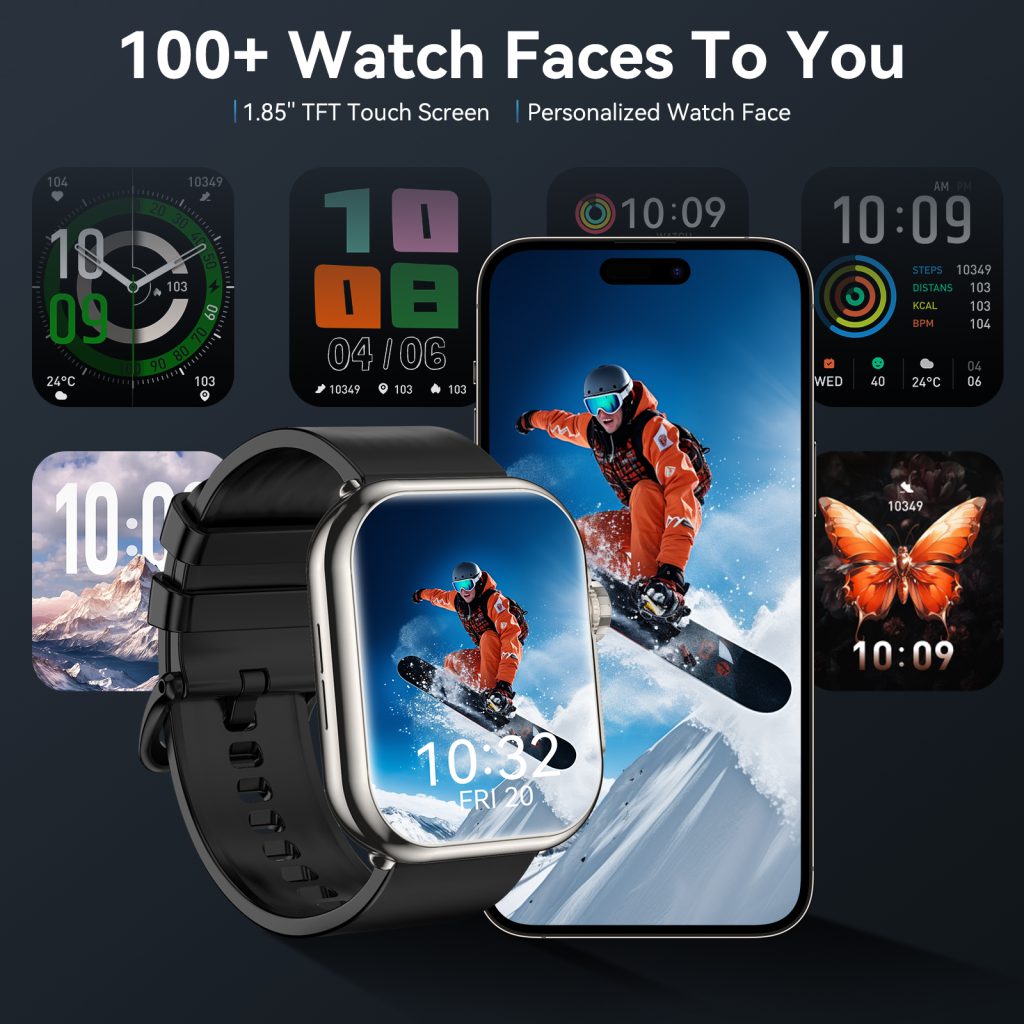
While traditional watches focus on materials like stainless steel, titanium, or leather, and emphasize craftsmanship and heritage, QONBINK Smart Watches blend functionality with contemporary design. Modern smart watches feature touchscreens, customizable watch faces, and interchangeable bands. Users can personalize their devices, access apps, and navigate interfaces effortlessly. This combination of style and technology provides a user experience that traditional watches cannot match, especially for those seeking both fitness tracking and productivity tools.

Another major difference lies in health and connectivity. Traditional watches cannot track heart rate, steps, or sleep patterns, nor can they send notifications or connect to apps. QONBINK Smart Watches include 24/7 heart rate monitoring, sleep analysis, multi-sport tracking, and even stress monitoring. Coupled with Bluetooth and eSIM technology, these smart watches allow users to stay connected at all times, making them a versatile tool for fitness enthusiasts, professionals, and anyone managing a busy lifestyle.

The main differences between smart watches and traditional watches lie in functionality, connectivity, and health management. While traditional watches are timeless and elegant, QONBINK Smart Watches offer a combination of wearable technology, fitness tracking, GPS navigation, and notifications, making them ideal for modern lifestyles. For those who want more than just a timepiece, a QONBINK Smart Watch provides an all-in-one solution that keeps you connected, informed, and active throughout the day.

Core Functions of Smart Watches

Smart watches have become an essential part of modern life, offering much more than just the ability to tell time. The core functions of smart watches include health monitoring, fitness tracking, communication, and seamless integration with mobile devices. With innovative products from QONBINK Smart Watch, wearable technology has reached new levels of convenience and sophistication, allowing users to stay connected, active, and informed at all times.

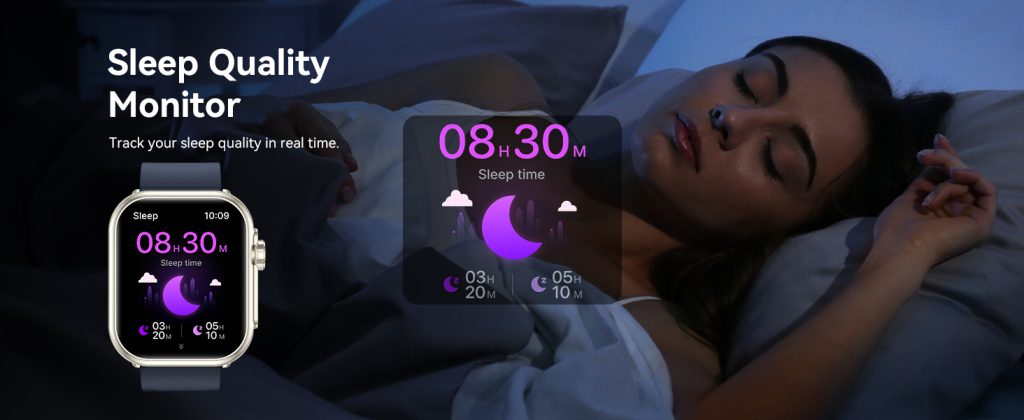
One of the most important functions of modern smart watches is health tracking. Devices like the QONBINK Smart Watch offer 24/7 heart rate monitoring, sleep analysis, blood oxygen measurement, and stress tracking. Fitness enthusiasts can track workouts, measure calories burned, monitor activity levels, and even evaluate recovery times using advanced fitness tracker features. These functions help users make informed decisions about their health and maintain a more active lifestyle.

Modern smart watches are designed to keep users connected without constantly checking their phones. QONBINK Smart Watches support call notifications, text alerts, email previews, and even Bluetooth calling. Some models with eSIM allow standalone communication, enabling users to make calls or send messages directly from the wrist. Additionally, smart watches integrate with calendars, reminders, and apps, providing a seamless wearable technology experience.

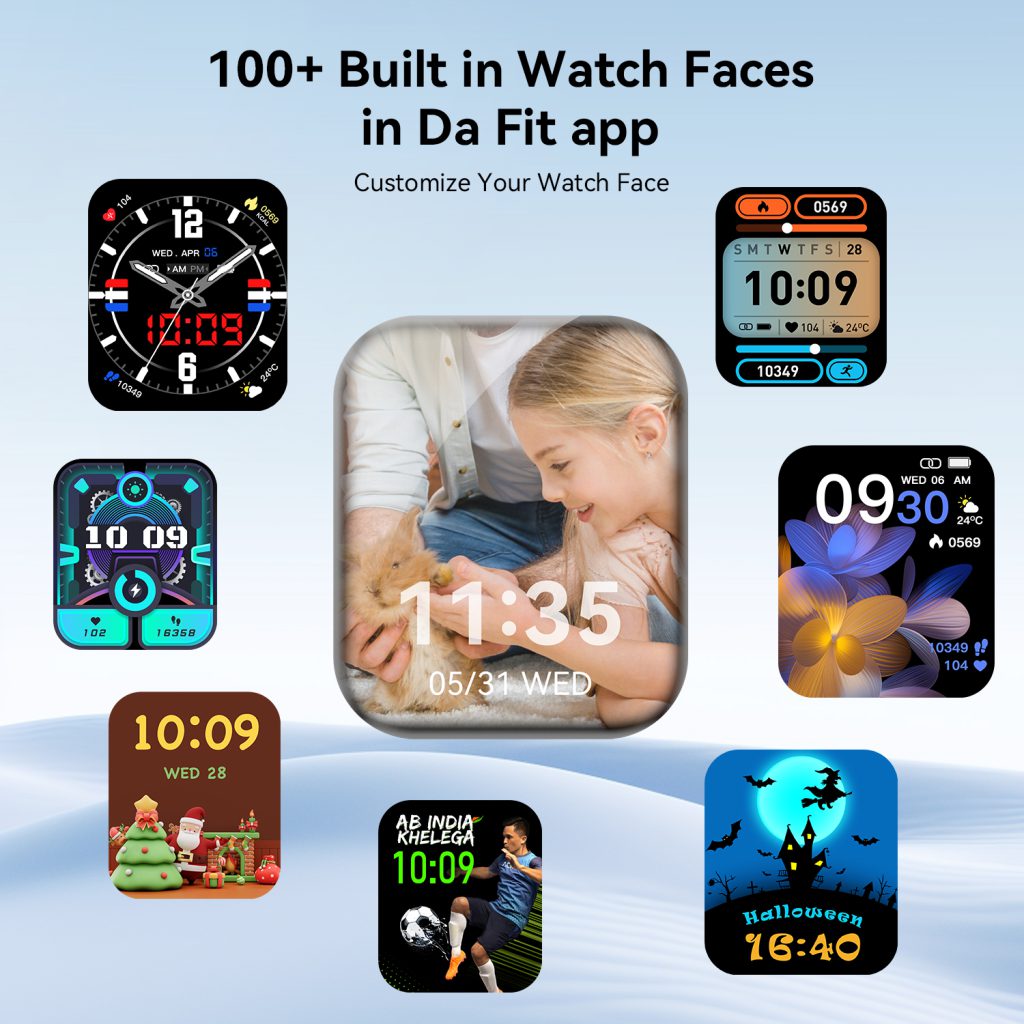
Many smart watches now include GPS tracking, route mapping, and navigation features. QONBINK Smart Watches allow users to track running, cycling, and other outdoor activities accurately. Furthermore, app ecosystems and customizable watch faces enable users to personalize their devices according to preferences and lifestyle. These features transform a smart watch from a simple accessory into a multi-functional tool for health, productivity, and entertainment.

The core functions of smart watches—from health tracking and fitness monitoring to communication and navigation—make them indispensable in today’s fast-paced world. With QONBINK Smart Watches, users enjoy reliable, stylish, and innovative devices that combine advanced wearable technology, robust functionality, and intuitive design. Whether you’re tracking your workouts, managing notifications, or exploring GPS routes, QONBINK provides an all-in-one solution for modern life.

The History of Smart Watches:

From Early Wearables to QONBINK Innovations

The evolution of smart watches has been remarkable, transforming from simple digital timepieces to advanced wearable technology devices that monitor health, track fitness, and keep users connected. Early attempts at wearable technology in the 1980s and 1990s, such as calculators and rudimentary digital watches, paved the way for the smart watches we know today. These devices gradually incorporated features like alarms, calendars, and basic fitness tracking, setting the foundation for the modern era of wearable innovation.

By the 2000s, companies began experimenting with advanced smart watches that could connect to mobile phones and support notifications. Devices like the Microsoft SPOT and early Samsung smart watches marked significant steps toward integrating health tracking and communication features. Fast forward to today, brands like QONBINK Smart Watch have revolutionized the industry by combining GPS tracking, heart rate monitoring, multiple sports modes, and smartphone connectivity in a single, stylish wearable device.

As the market matured, consumers demanded devices that were not only functional but also durable and stylish. QONBINK Smart Watches meet these needs by offering high-quality materials, long-lasting batteries, and an intuitive user experience. Features such as 24/7 heart rate monitoring, sleep analysis, and real-time notifications make QONBINK devices ideal for both fitness enthusiasts and busy professionals. By pushing innovation and focusing on user-centered design, QONBINK has established itself as a leading brand in the wearable technology industry.

Looking ahead, the future of smart watches promises more advanced fitness trackers, AI-driven health insights, and better integration with IoT devices. Brands like QONBINK continue to invest in research and development, ensuring that their smart watches remain at the forefront of wearable innovation. Whether it’s enhancing battery life, improving GPS accuracy, or offering personalized health recommendations, the next generation of smart watches will continue to redefine how users interact with wearable technology.

The journey of smart watches from simple digital devices to powerful, multifunctional wearables demonstrates the rapid pace of innovation in the tech industry. With brands like QONBINK Smart Watch, users enjoy a seamless combination of advanced health tracking, fitness monitoring, and elegant design. Understanding the history of smart watches not only highlights the incredible technological progress but also shows how wearable devices like QONBINK continue to shape the future of personal health and connectivity.

Back to Top
Product has been added to your cart
Compare (0)