
You’ve been wearing the same smart watch for a couple of years now. It still tells time, tracks steps, pings you with notifications, and gives you a rough idea of how you slept. But lately you catch yourself scrolling through new-model announcements, watching unboxing videos, and wondering: “Is my current one really falling behind, or am I just being pulled in by shiny new features?”
Upgrading a smart watch is different from upgrading a phone. Phones feel slow or the camera gets noticeably worse after two generations. Watches? The core experience—time, notifications, basic tracking—doesn’t age nearly as fast. A three-year-old model can still do 90% of what a brand-new one does. So the decision isn’t about “needing” an upgrade; it’s about whether the new one solves real pain points in your daily life or just feeds the gadget itch.
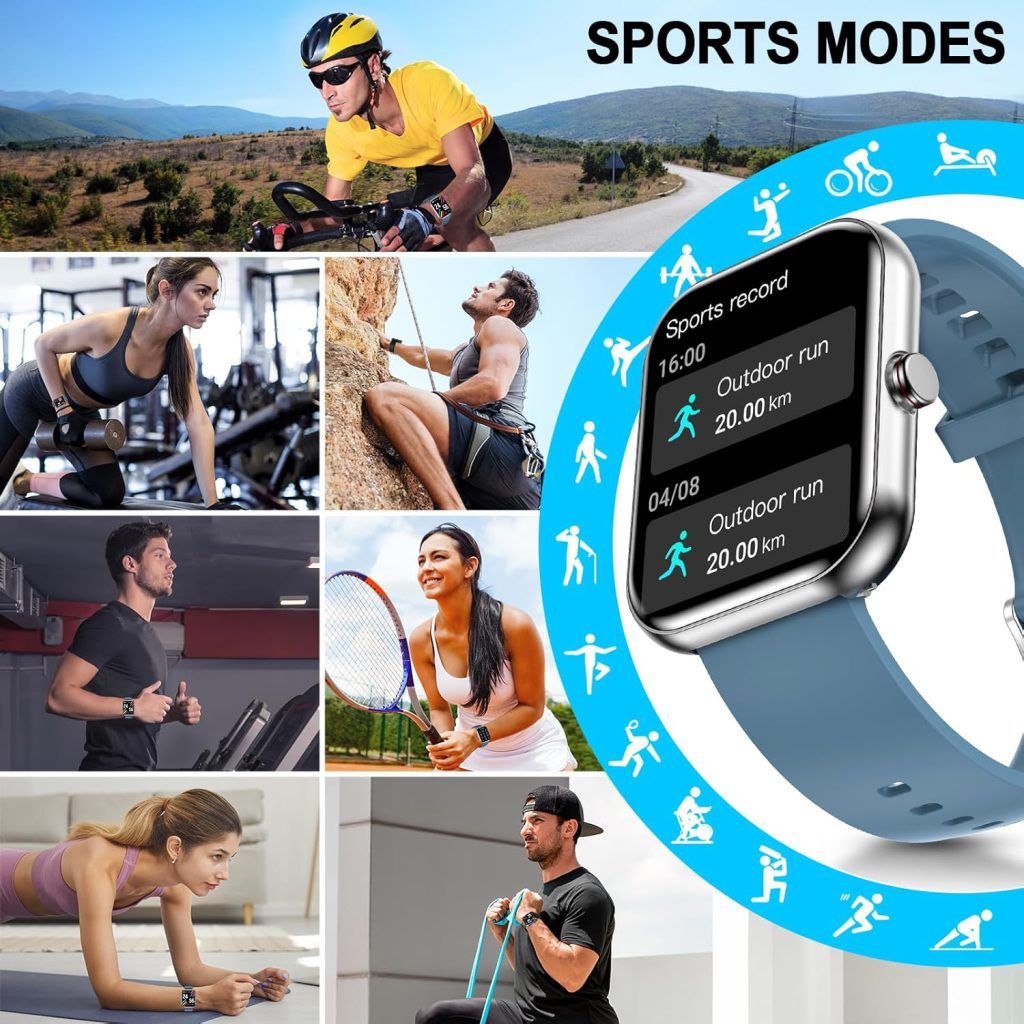
Here’s how I decide when it’s actually worth pulling the trigger, based on years of switching models, talking to dozens of long-term users, and watching my own habits evolve. These are the real signals—not the ones companies push in ads.
Battery life has become noticeably unreliable This is the number-one reason most people upgrade, and for good reason. When your watch can’t reliably last from morning coffee to bedtime alarm anymore, every day turns into a mini stress test: “Will it die during my run?” “Should I charge now or risk missing sleep data?” “Why is it at 18% at 4 p.m. when I barely used it?”
Early signs:
- You’re charging midday on normal days
- Overnight tracking frequently cuts off because it dies around 3–4 a.m.
- You turn off features (always-on display, wrist raise, continuous HR) just to squeeze more hours
- Fast charging feels essential because slow charging can’t keep up with your routine
If you’re doing two or more of those things consistently, battery degradation has probably crossed the line from “acceptable” to “frustrating.” Modern watches (especially 2024–2025 models) often push 40–60+ hours in real use with always-on and full sensors. If your current one is stuck at 18–24 hours even after a full charge, the upgrade gap is real.
Health features you actually use have fallen behind Not every new sensor matters. But if one or two features you rely on daily have stagnated while newer models leap forward, that’s a legitimate reason to consider moving.
Common upgrade triggers in this category:
- You care about accurate sleep staging and apnea detection, but your watch still only gives basic “light/deep/REM” without breathing disturbance alerts
- You track blood oxygen regularly (altitude, recovery, general curiosity) but the sensor is inconsistent or slow compared to newer reflective PPG tech
- You use ECG or AFib notifications and want better sensitivity / fewer false positives
- You’re female and cycle/ovulation tracking has become important, but your watch only offers retrospective temperature trends instead of proactive predictions
- You want meaningful readiness/recovery scores, but your model’s version feels generic while newer ones incorporate more signals (temperature, recent load, etc.)
If a feature you check every day has noticeably improved in newer models (and you’ve tested a friend’s watch or read reliable comparisons), the upgrade can feel like real progress instead of incremental fluff.
Software support is ending or updates feel stale Manufacturers usually guarantee 3–5 years of major OS updates, but the quality often drops after year 2–3. Signs it’s time:
- You haven’t received a meaningful feature update in 12+ months
- New health algorithms (improved HRV, better sleep staging, stress refinement) are rolling out only to newer hardware
- The companion app starts feeling clunky or crashes more often on your model
- You see friends on newer watches getting features you’ve wanted for ages (e.g., better offline maps, advanced running dynamics, AI coaching insights)
When software feels abandoned, the watch starts to feel dated even if the hardware is fine. That “stuck in time” sensation is a strong upgrade signal.
Physical wear is affecting daily use Watches take a beating—sweat, showers, accidental knocks, sunscreen, lotion. After 2–3 years, common wear signs that push people to upgrade:
- Scratched/cracked screen that makes glancing hard (especially outdoors)
- Band clips/loops worn out, falling off, or irritating skin
- Charging port loose or oxidized → inconsistent charging
- Buttons/crown sticky or unresponsive
- Case discoloration or pitting (especially aluminum models)
- Sensor area buildup that affects accuracy no matter how much you clean
If daily use is becoming annoying because of physical condition, a new watch with fresh materials (sapphire glass, titanium, better seals) can feel like night and day.
Your goals or lifestyle have genuinely changed This is the most personal—and often the most valid—reason. Your watch was bought for a certain phase of life. When that phase shifts, the device may no longer fit.
Examples that justify an upgrade:
- You’ve started serious running/cycling/triathlon and want advanced metrics (running power, training readiness, multi-sport modes) your old watch lacks
- You’re now prioritizing recovery and longevity over raw activity tracking → newer models with better HRV, temperature, readiness algorithms feel worth it
- You switched ecosystems (Android → iPhone or vice versa) and deep integration matters more than before
- You want LTE independence for phone-free runs/commutes but your model doesn’t have cellular
- You’re traveling more and want better offline maps/navigation that your current watch can’t deliver
If your daily routine or priorities have shifted significantly and the watch feels like it’s holding you back in those new areas, upgrading makes sense.
You’re simply bored and want novelty (and that’s okay—sometimes) Let’s be honest: sometimes there’s no “must-have” reason. You just like tech, you enjoy the fresh interface, the new watch face options, the slightly snappier performance, the different strap ecosystem. And that’s perfectly valid—as long as you’re honest with yourself and the cost fits your budget.
But if “boredom” is the main driver, ask:
- Will the new features actually change my daily behavior in a positive way?
- Am I upgrading because I genuinely need something, or because I saw a cool review?
- Can I wait 6–12 months for the next generation (usually bigger jumps)?
Novelty is fun, but it fades fast. Real upgrades tend to solve ongoing frustrations rather than just feel shiny for a month.
Quick checklist: when upgrading actually makes sense
- Battery barely lasts a full day anymore
- A health feature you rely on daily has meaningfully improved in newer models
- Software support feels abandoned
- Physical condition is hurting usability
- Your goals/lifestyle have changed and the watch no longer supports them well
- You have budget comfort and the upgrade solves real pain points (not just FOMO)
When it usually doesn’t make sense
- You’re still getting 36+ hours of battery
- The core experience (notifications, basic tracking, sleep overview) still works fine
- New features are nice-to-have but you rarely use similar ones now
- You’re upgrading mostly because “it’s the new one”
- The price jump is steep and your current watch is only 12–18 months old
Bottom line Your smartwatch should feel like it’s working for you—not something you constantly question or apologize for. When frustrations pile up (battery anxiety, outdated metrics, physical wear, mismatched features), the upgrade feels like relief rather than impulse. When the daily experience is still smooth and useful, keep riding it until it genuinely starts holding you back.
Most people get 2.5–4 years of solid daily use from a good watch before the combination of battery degradation, software slowdown, and shifting needs makes a new one feel worth it. That’s not a failure of the device; it’s just normal wear and life change.
So next time you see a shiny new model announcement, ask yourself:
- What exact pain point in my current routine would this fix?
- Can I live without it for another 6–12 months?
- Will this change how I move, sleep, or feel on a typical day?
If the answer is a clear “yes” to real improvements, go for it. If it’s mostly “it looks cool” or “everyone’s getting it,” wait. Your current watch is probably still better than you give it credit for.
Leave a Comment
Your email address will not be published. Required fields are marked *