
Many people now treat their smart watch as an extension of themselves—wearing it from morning workouts through office hours, evening runs, and even overnight for sleep tracking. The constant data on steps, heart rate, notifications, and recovery feels invaluable in a busy life. But keeping a device strapped to your wrist around the clock brings subtle challenges that build over months or years. Skin reactions, discomfort from pressure, concerns about emissions, and even battery-related habits can turn a helpful tool into a source of irritation if not managed thoughtfully.
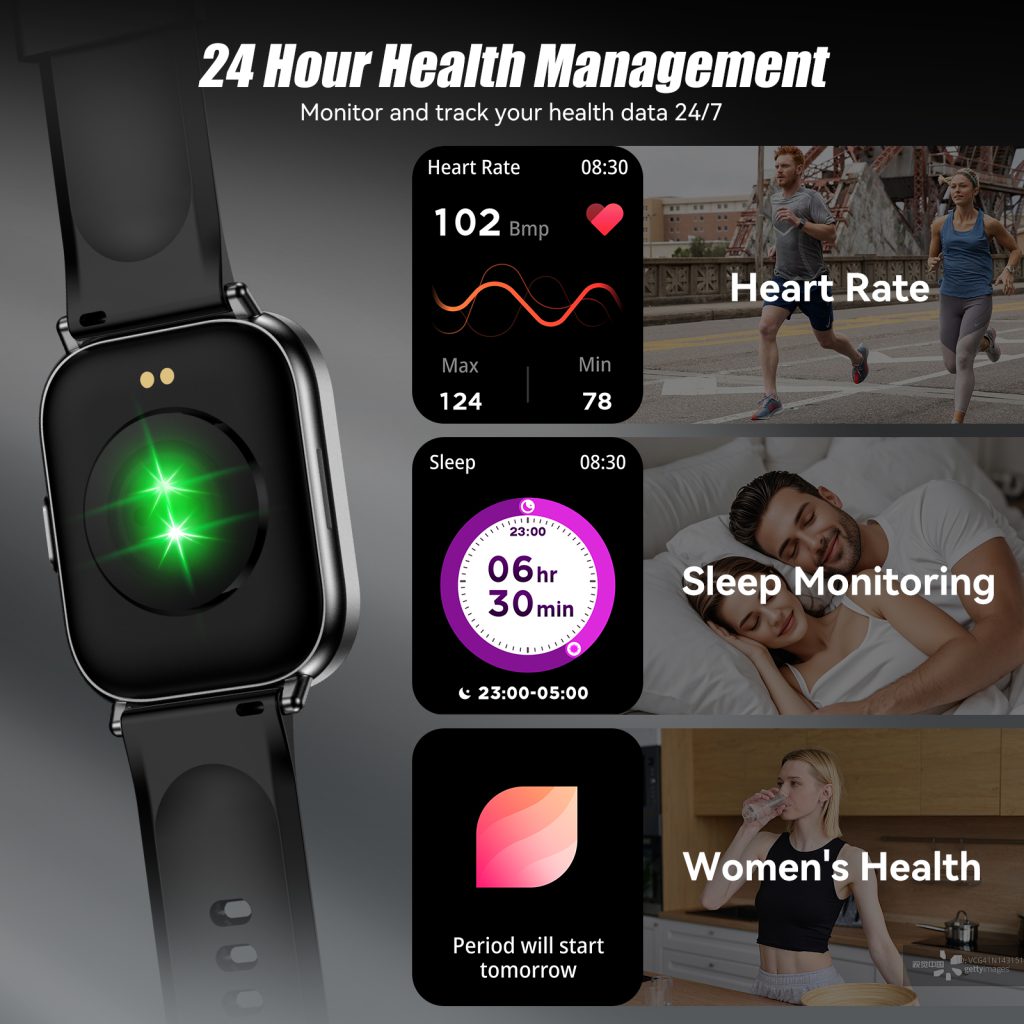
The most common issue people encounter after extended wear is skin irritation under the band. Sweat, body oils, and trapped moisture create a perfect environment for redness, itching, or rashes. Friction from movement adds to the problem, especially during exercise or when the fit is too snug. Dermatologists often describe this as irritant contact dermatitis—nothing life-threatening, but uncomfortable enough to make you question daily wear. In some cases, it stems from sensitivity to materials like nickel in metal parts, adhesives in bands, or even certain silicone compounds. Prolonged contact amplifies the effect; what starts as mild pinkness can progress to dry patches, small bumps, or persistent soreness if ignored.
Battery charging routines also play a role in long-term comfort. Many users plug in the watch overnight while still on the wrist, exposing skin to slight warmth and potential residue from charging cables or docks. Heat buildup, even minor, can worsen moisture trapping and irritation during sleep when skin naturally repairs itself. Over time, consistent overnight charging might contribute to subtle pressure marks or disrupted rest if the device vibrates with notifications.
Emissions from wireless features spark ongoing discussion. Smartwatches use Bluetooth Low Energy, occasional Wi-Fi, and sometimes cellular signals to sync data and deliver alerts. These produce non-ionizing radiofrequency (RF) fields at very low power—far below levels from holding a phone to your ear. Regulatory bodies like the FCC and international standards set strict exposure limits, and most devices undergo testing to stay well under those thresholds. Cumulative exposure over years remains a topic of research, with some experts noting that constant proximity to the body differs from occasional phone use. While no conclusive evidence links typical smartwatch wear to serious health effects, precautionary steps appeal to those who prefer minimizing any potential long-term influence.
Chemical concerns in bands have surfaced in recent studies too. Certain fluoroelastomer or silicone materials may contain trace PFAS compounds, which some research suggests could absorb through skin over extended periods, particularly with sweat and friction aiding transfer. These “forever chemicals” appear in various consumer products, and while direct risks from watch bands need more data, switching to alternative materials offers peace of mind.
Comfort and fit evolve as you wear the device longer. A band that feels perfect on day one might cause chafing after weeks if not adjusted for swelling during heat, exercise, or even salt intake. Pressure on the same wrist spot day after day can lead to indentation marks or mild numbness in rare cases. Alternating wrists periodically helps distribute load and gives skin recovery time.
Sensor accuracy depends on consistent skin contact, but forcing tight wear to achieve that can backfire. Overly snug bands restrict circulation slightly, potentially affecting heart rate readings and increasing discomfort. Finding the sweet spot—secure enough for reliable data but loose enough for airflow—takes trial and adjustment over time.
Hygiene routines become essential when wearing 24/7. Dirt, lotion residue, sunscreen, or perfume trapped under the band accelerate buildup. Without regular cleaning, this layer irritates sensitive skin and dulls sensor performance. Simple daily care prevents most issues before they start.
Practical steps make long-term wear sustainable and enjoyable. Start with proper fit: wear the watch just above the wrist bone, snug but not tight— you should fit one finger underneath comfortably. Rotate between left and right wrists every few days or weeks to prevent overuse on one area. During sleep or inactive periods, consider loosening the band slightly or removing it entirely if tracking allows. Many find better rest without constant subtle vibrations or screen glow.
Cleaning forms the backbone of prevention. Wipe the band and sensor area daily with a soft, damp cloth—no harsh soaps, alcohol wipes, or disinfectants that leave residue. For silicone or fluoroelastomer bands, mild soap and water work well once a week, followed by thorough drying. Metal or leather bands need gentler care to avoid damage. Always dry your wrist completely before putting the watch back on, especially after showers or workouts. This simple loop keeps skin happy and data accurate.
Band choice matters hugely for extended use. Silicone dominates for sweat resistance and flexibility, but if irritation appears, try nylon mesh, woven fabric, or leather alternatives. These breathe better and reduce moisture trapping. Avoid nickel-heavy metals if you have known sensitivities—opt for stainless steel or titanium options labeled hypoallergenic. Replace bands every six to twelve months as wear creates microscopic cracks that harbor bacteria and irritants.
For those worried about wireless exposure, practical adjustments lower it without sacrificing core functions. Enable airplane mode during sleep or long focus periods—it preserves offline tracking like steps and heart rate while halting transmissions. Sync data manually a few times a day instead of constant Bluetooth. Charge away from the body, ideally during showers or meals, to avoid overnight warmth on skin. These habits cut cumulative emissions significantly for cautious users.
Monitor your skin proactively. Check the wrist area weekly for early signs—slight redness, dryness, or texture changes. If anything appears, remove the watch for a few days to let skin breathe and heal. Apply a gentle, fragrance-free moisturizer to the area during breaks. Persistent issues warrant a dermatologist visit; they can test for allergies to specific materials and suggest alternatives.
Battery health ties into longevity too. Avoid letting the device drain to zero repeatedly, as it stresses the cell over years. Charge to 80-90% when possible, and store at moderate temperatures. A healthy battery lasts longer between charges, reducing overnight wear scenarios.
Sleep tracking offers great insights but isn’t mandatory every night. Many users alternate—wearing for key recovery periods but taking nights off to avoid pressure and allow natural rest without tech interference. If overnight wear causes restlessness from alerts or light, silence notifications and dim the screen fully.
For active lifestyles, sweat management prevents most problems. Rinse the wrist and band after intense sessions, pat dry, and let air circulate before re-wearing. During high-heat days or salty workouts, extra breaks help.
Mental comfort counts. If constant wear creates subtle anxiety about emissions or skin health, scheduled “watch-free” hours build confidence. Use that time for unplugged activities—reading, walking without pings, or simply letting your wrist rest.
Manufacturers continue refining designs—better breathable bands, improved sensor placement, and lower-power radios. Future models may incorporate more skin-friendly materials and smarter alerts for fit or hygiene. For now, mindful habits bridge the gap.
Long-term smartwatch use rewards those who treat it like any worn item: with regular care, rotation, and listening to your body. Small adjustments—cleaning daily, alternating wrists, loosening at night, choosing breathable bands—keep irritation at bay and let you enjoy the benefits without drawbacks. The goal remains simple: a device that supports health and productivity, not one that quietly undermines it over time.
Listen to subtle signals from your skin and energy levels. Adjust proactively, and years of reliable wear become the norm rather than the exception.
Leave a Comment
Your email address will not be published. Required fields are marked *