
Smart watches have become everyday essentials for tracking swims, runs in the rain, sweaty gym sessions, and even quick showers after a long day. In 2026, top models handle water far better than ever—Apple Watch Ultra 3 pushes to 100 meters with dive certification, Garmin Fenix 8 and Quatix series offer 10 ATM for serious water sports, Samsung Galaxy Watch Ultra combines 10 ATM with IP68 for salty and chlorinated environments, while Fitbit Charge 6 and Garmin Venu 3 stick to solid 5 ATM ratings perfect for pool laps and daily life.
Water resistance opens up so many possibilities, but it’s not invincible. Ratings like 5 ATM or 10 ATM mean the watch survived controlled lab tests—static freshwater pressure at certain depths for set times. Real life throws curveballs: chlorine eats at seals, soap breaks down adhesives, hot water expands materials unevenly, salt corrodes contacts, sudden impacts crack gaskets, and age wears everything down. Ignore these, and you risk foggy screens, dead speakers, corrosion spots, or full failure that warranty often won’t cover if misuse is suspected.
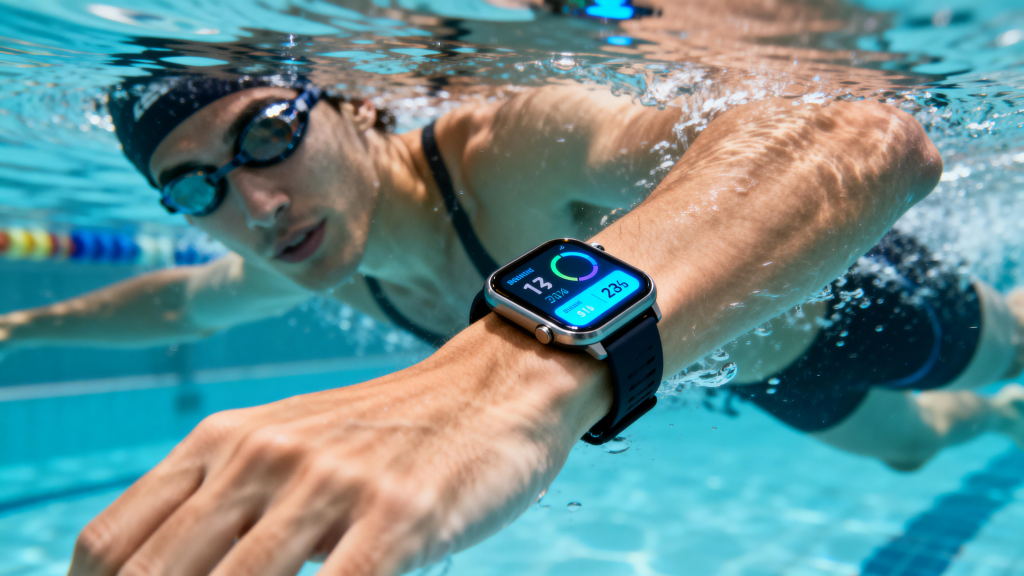
Water resistance gets labeled in two systems: ATM (atmospheres, roughly meters of static pressure) and IP (Ingress Protection for dust/water).
- 3 ATM (30m): Fine for rain, handwashing, sweat. Skip swimming or prolonged submersion.
- 5 ATM (50m): The sweet spot for most people—pool swimming, open-water surface swims, showers (carefully), heavy rain. Fitbit Charge 6, Garmin Venu 3S, Samsung Galaxy Watch 8, Apple Watch Series 11 all land here.
- 10 ATM (100m): Handles faster surface swims, shallow snorkeling, some high-speed water activities, and recreational diving on certified models. Apple Watch Ultra 3 hits this with EN13319 dive rating up to 40m; Garmin Quatix 7 Pro and some Fenix variants match it.
IP ratings add dust protection—IP68 means dust-tight and submersion beyond 1m (manufacturer specs, often 1.5m for 30 minutes on Samsung). Many combine both: Samsung Galaxy Watch Ultra lists 10 ATM + IP68, tested in salt and chlorine.
Key caveat: These are lab numbers. Dynamic motion (strokes, jumps), temperature swings, chemicals, pressure jets (power washing), or drops change everything. Seals degrade over 1-2 years of regular use, especially if exposed to the wrong stuff. No smartwatch is truly waterproof—only water-resistant, and that fades.
Before Getting Wet: Habits That Extend Seal Life
Build these routines from day one.
- Know Your Exact Model Specs — Check the official support page or manual. Apple warns non-Ultra Series against soapy showers; Samsung stresses rinsing after salt/chlorine; Garmin advises against hot tubs. Ratings can vary even within series (Ultra vs standard).
- Inspect Regularly — Every few weeks, look at the crown/buttons, speaker grille, charging port, and case edges for cracks, scratches, or wear. Fog inside the screen after moisture or tinny/muffled sound means seals are compromised—stop water exposure and service it.
- Swap Bands for Water Activities — Leather, metal mesh, or fabric bands hate submersion. Switch to silicone, fluoroelastomer, or quick-dry nylon before pools, showers, or sweat-heavy workouts.
- Avoid Temperature Extremes — Hot showers (above 40°C/104°F), saunas, steam rooms, hot tubs, or cold plunges right after heat stress gaskets differently. Materials expand/contract unevenly, letting water sneak in over time. Stick to lukewarm or cool water.
Daily Water Exposure: Showers, Rain, Sweat
Most people never take theirs off, so handle these carefully.
- Showers — 5 ATM+ models usually survive freshwater showers if cool-to-warm and soap-free. Soap, shampoo, conditioner, body wash—the surfactants degrade seals faster than plain water. Apple explicitly says no soap for Series models; Ultra tolerates it better but still rinse off residue. After, rinse with fresh water and dry fully.
- Rain and Splashes — Zero worry. Light rain, handwashing, or accidental spills are what lower ratings handle easily.
- Sweat — Salty, acidic sweat is sneaky corrosive. Post-gym or run, rinse under fresh water, wipe dry. Neglect this, and ports/sensors build up residue leading to corrosion or HR glitches.
Swimming Smart: Pool, Ocean, and Tracking Tips
Swim mode is a favorite feature, but protect the hardware too.
- Turn On Water Lock — Apple auto-activates for swim workouts (locks touchscreen); Samsung/Garmin have equivalents or auto-detect. Prevents water from triggering random inputs.
- Rinse Before and After — Pre-swim: quick fresh rinse removes sweat/oils that react with pool chemicals. Post-swim: gentle warm fresh water rinse clears chlorine (eats seals), salt (corrodes), or debris. Dry immediately.
- Speaker Ejection — Apple: hold Digital Crown for the water-expel tone. Some Garmin/Samsung models have similar functions or auto-eject. Clears droplets so sound stays crisp.
- Pool vs Saltwater — Chlorinated pools need thorough rinsing—chlorine is harsh. Ocean swims: immediate fresh rinse to stop salt corrosion. Avoid if rating is borderline.
- Tracking Best Practices — Wear snug (but not cutting circulation) for stroke detection. Set accurate pool length in app. Don’t press buttons underwater—Water Lock blocks it.
Pushing Limits: Diving, Surfing, High-Impact Water
Only higher-rated models qualify.
- Recreational Diving — Apple Watch Ultra 3 certified to 40m per EN13319. Garmin Descent/Fenix dive variants go deeper. Standard 5 ATM stops at surface.
- High-Velocity Sports — Water skiing, wakeboarding, jet skis—need 10 ATM+ and explicit manufacturer okay for pressure jets.
- General Rules — No cliff jumps or sudden depth changes. Rinse after salt. If seals feel iffy (from age or prior damage), skip.
Maintenance to Keep It Swimming Strong
Longevity comes from consistent care.
- Weekly Clean — Rinse fresh water, soft cloth wipe. Remove band, wash separately with mild soap if needed (not on watch body).
- No Harsh Stuff — Lotions, sunscreen, perfumes, insect repellent—keep away. They seep into gaskets.
- Dry Charging — Always charge dry. Moisture in port risks shorts.
- Storage — Dry, cool place. Avoid humid bathrooms long-term.
- Service When Needed — Fog, corrosion, odd behavior—get checked. Water damage often isn’t warrantied if from misuse.
Mistakes That Wreck Water Resistance Fast
- Daily soapy showers — top seal destroyer.
- Skipping rinse after pool/ocean.
- Hot tub/sauna sessions.
- Charging while wet.
- Ignoring early fog or muffled speakers.
- Thinking “waterproof” means no limits.
User Stories from the Pool and Beyond
Swimmers on Apple Ultra rave about dive tracking but learn quick to rinse chlorine or face foggy displays after months. Garmin users on ocean triathlons emphasize fresh rinses to avoid salt pitting. Samsung Galaxy owners enjoy pool sessions with IP68 but note speakers get quiet without proper ejection. Fitbit Charge users find 5 ATM plenty for casual laps when dried right—no major issues after years.
Care Makes It Last
Water resistance turns your smartwatch into a true multi-sport tool—pool splits, ocean swims, rainy runs, post-gym showers. Respect the ratings, rinse religiously, skip soaps and heat extremes, inspect often, and maintain diligently. Your watch will track more reliably, sound clearer, and survive longer.
Before your next dip or shower, give it that quick prep. A minute of care beats a costly repair or replacement any day.
Leave a Comment
Your email address will not be published. Required fields are marked *