
Smart watches have revolutionized the way we interact with technology on a daily basis. From tracking fitness metrics to handling notifications and even making payments, these wrist-worn devices pack a surprising amount of functionality into a compact form. However, not all features are created equal across the globe. Due to a mix of regulatory requirements, market demands, cultural preferences, and technological infrastructure, smartwatch manufacturers often tailor their products differently for various regions. This can lead to frustration for users who travel internationally or purchase devices from abroad, only to find that certain features are unavailable or behave differently.
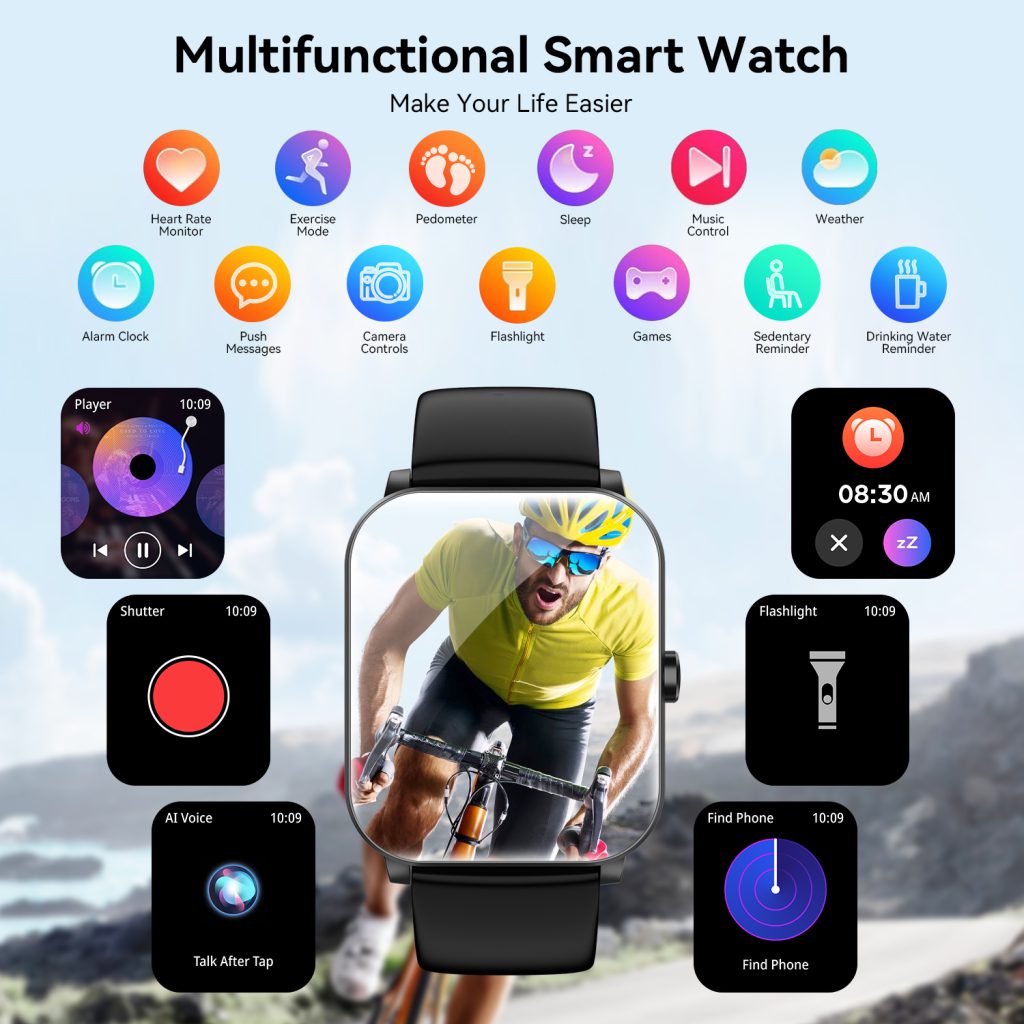
Hardware Variations: Connectivity and Sensors
One of the most noticeable regional differences in smartwatches comes in the form of hardware, particularly cellular connectivity. Take LTE support, for example. In the United States and parts of Europe, many smartwatches like the Apple Watch Series 9 or the Samsung Galaxy Watch 6 offer standalone LTE capabilities, allowing users to make calls, send texts, and stream music without their phone nearby. This is made possible by eSIM technology and partnerships with local carriers such as Verizon or Vodafone.
However, in regions like India or certain parts of Southeast Asia, LTE variants might be limited or more expensive due to spectrum allocation issues. Governments in these areas often have strict controls on radio frequencies, which can delay or prevent the rollout of cellular-enabled wearables. For instance, in China, where 5G adoption is rapid but heavily regulated, smartwatches from Huawei or Xiaomi often prioritize local 5G bands that aren’t compatible with international standards. This means a watch bought in Beijing might not connect to LTE networks in New York without issues, leading to reduced battery life or dropped connections.
Sensors are another area of divergence. Health-focused sensors like electrocardiogram (ECG) and blood oxygen (SpO2) monitors are standard on high-end models, but their availability varies. In the US, the FDA has cleared these features for Apple Watch and Samsung devices, enabling users to detect irregular heart rhythms or monitor oxygen levels. But in countries without equivalent regulatory approval, such as some in Latin America or Africa, these sensors might be present in the hardware but disabled via software. Apple, for one, has faced delays in rolling out ECG in places like Brazil due to local health authority reviews, which can take years.
Even GPS functionality can differ. In Europe, where privacy laws under GDPR are stringent, some smartwatches might limit location tracking features to comply with data minimization principles. Conversely, in Japan, where earthquake alerts are a priority, watches like the Casio G-Shock Move integrate region-specific emergency notifications that tie into national alert systems, something not found in US models.
These hardware tweaks aren’t just technical; they’re often driven by cost considerations. In emerging markets like Africa or South Asia, manufacturers might release budget versions without premium sensors to keep prices low, focusing instead on basic fitness tracking. This creates a tiered ecosystem where users in wealthier regions get the full experience, while others make do with stripped-down alternatives.
Software Features: Payments, Apps, and Integrations
Moving beyond hardware, software is where regional differences truly shine—or falter, depending on your perspective. Payment systems are a prime example. Apple Pay is ubiquitous on Apple Watches in North America and Europe, letting users tap their wrist to pay at stores. But in China, where WeChat and Alipay dominate the mobile payment landscape, Apple has adapted by supporting these local services. Samsung does something similar with Samsung Pay, which in South Korea integrates with T-money for public transit, a feature that’s absent in international versions.
Google’s Wear OS ecosystem highlights this even more. On the Pixel Watch 2, features like Google Wallet work seamlessly in the US, but in regions without Google Pay support—such as parts of the Middle East—users are left with third-party alternatives or no contactless payment at all. App availability also varies; for instance, banking apps in the UK might offer watch-specific integrations for Lloyds or Barclays, while in Australia, the focus is on apps like CommBank that support local financial regulations.
Voice assistants and language support add another layer. Siri on Apple Watch is optimized for English-speaking markets, with advanced natural language processing in the US. In non-English regions like France or Germany, while support exists, nuances in accents or idioms might lead to less accurate responses. Huawei’s Celia assistant, tailored for European markets, contrasts with its HarmonyOS watches in China, which integrate deeply with Baidu or local AI services.
Moreover, app stores themselves can be region-locked. The Galaxy Wearable app for Samsung watches might offer exclusive themes or watch faces in Korea, reflecting cultural aesthetics like K-pop integrations. In contrast, US users get more fitness-oriented apps tied to services like Strava or Peloton. These differences extend to updates: firmware rollouts often prioritize major markets, meaning users in smaller countries might wait months for bug fixes or new features.
Privacy settings also play a role. In the EU, under GDPR, smartwatches must provide granular controls for data sharing, which can disable features like personalized ads or health data syncing if not consented to. In California, with its CCPA laws, similar restrictions apply, but in less regulated areas like some Southeast Asian countries, data collection might be more aggressive, enabling features like targeted health recommendations based on aggregated user data.
Health and Fitness Tracking: Regulatory Hurdles
Health features are perhaps the most regulated aspect of smartwatches, leading to stark regional disparities. Take blood pressure monitoring, available on some Samsung watches in South Korea after approval from the Ministry of Food and Drug Safety. This feature uses the watch’s sensors to estimate BP non-invasively, but it’s not cleared in the US or EU yet, where medical device regulations require extensive clinical trials. As a result, American users miss out, relying instead on third-party apps or separate devices.
Sleep tracking is another area. Apple’s Sleep app provides detailed insights in most markets, but in Japan, it integrates with government-backed health initiatives for better accuracy in detecting sleep apnea, a condition that’s a public health concern there. Fitbit, now under Google, offers premium features like Daily Readiness Score, but these might be gated behind subscriptions in some regions, while free in others to comply with local consumer laws.
Women’s health tracking, including cycle prediction and fertility windows, varies too. In conservative regions like parts of the Middle East, these features might be toned down or require explicit opt-in to avoid cultural sensitivities. Conversely, in Scandinavia, where gender equality is emphasized, apps like Clue integrate more deeply, offering region-specific advice on reproductive health.
Emergency features also differ. SOS calling on Apple Watch dials local emergency numbers automatically—911 in the US, 112 in Europe. But in India, it might route through additional services like the national emergency response system. Fall detection, which uses accelerometers to sense hard falls, is standard globally but calibrated differently; in snowy regions like Canada, it accounts for slips on ice, reducing false positives.
These variations aren’t just about approval; they’re tied to healthcare systems. In the UK, with the NHS, smartwatches might link to electronic health records for seamless data sharing, a feature not available in fragmented systems like the US.
Language, Localization, and Cultural Adaptations
Localization goes beyond mere translation—it’s about making the device feel native to the user. In multilingual regions like India, smartwatches support Hindi, Tamil, and other languages, but the depth varies. Apple Watch in India offers Devanagari script for notifications, while in Arabic-speaking countries, right-to-left text support is crucial.
Cultural adaptations include watch faces and themes. In China, during Lunar New Year, special editions with dragon motifs appear on Huawei watches. In the US, holiday themes for Christmas or Thanksgiving are common. Even fitness goals can be localized: in Japan, step counters might encourage “10,000 steps a day” as per national guidelines, while in Brazil, soccer-themed workouts tie into local sports culture.
Voice commands reflect this too. In Spanish-speaking Latin America, Siri handles regional slang from Mexico versus Argentina. Accessibility features, like voiceover for the visually impaired, are enhanced in countries with strong disability rights laws, such as the US under ADA.
Privacy, Data, and Legal Implications
Data privacy laws profoundly influence smartwatch features. In the EU and UK, GDPR mandates that health data from watches can’t be shared without consent, potentially disabling cloud syncing in non-compliant apps. In contrast, in the US, where laws are state-specific, features like health data export are more flexible.
In China, data localization laws require that user data stays within borders, so watches from local brands like Oppo store info on domestic servers, enabling faster syncing but raising international privacy concerns. This can affect features like family sharing, where data from multiple devices is aggregated.
Legal battles have shaped this too. Apple’s ongoing patent disputes have led to temporary feature disables, like blood oxygen monitoring in the US due to Masimo lawsuits, while it’s active elsewhere.
Brand-Specific Differences
Let’s examine specific brands. Apple Watch: In the US, it’s a full-fledged health device with FDA-cleared features. In Australia, similar approvals exist, but in Russia, cellular models are restricted due to encryption laws.
Samsung Galaxy Watch: Korean models boast advanced AI features from Bixby, while global versions lag. In Europe, eco-friendly materials comply with REACH regulations.
Google Pixel Watch: US-centric with deep Google integration, but in Asia, it partners with local services like Line in Japan.
Huawei Watch: Dominant in China with HarmonyOS, but sanctioned in the US, limiting app access.
Fitbit: More uniform, but premium features vary by subscription availability.
Future Trends and Consumer Advice
As globalization advances, we might see more harmonization, but differences will persist due to regulations. 6G and AI could introduce new features, but with them, new regional hurdles.
For consumers: Research regional variants before buying. Use VPNs for some software unlocks, but beware of warranty issues. Travelers should check compatibility.
In conclusion, regional differences in smartwatches highlight the complex interplay of technology, law, and culture. By understanding them, users can make informed choices and appreciate the global diversity in wearable tech.
Leave a Comment
Your email address will not be published. Required fields are marked *