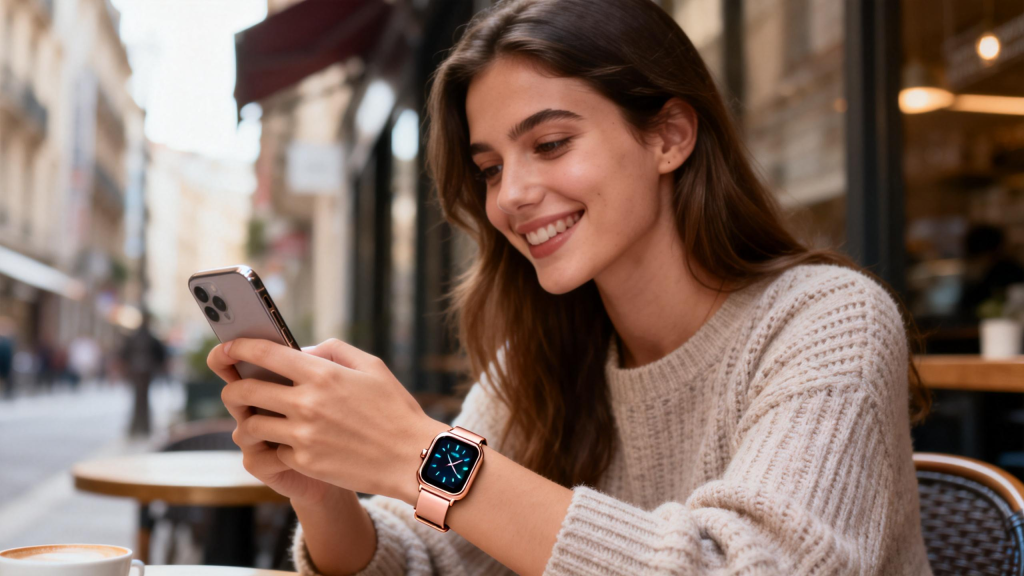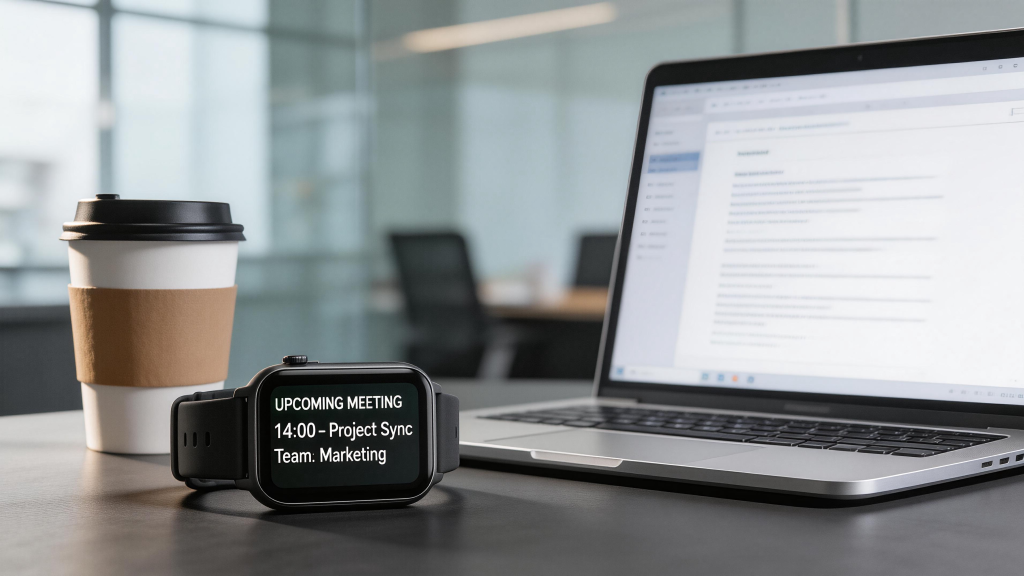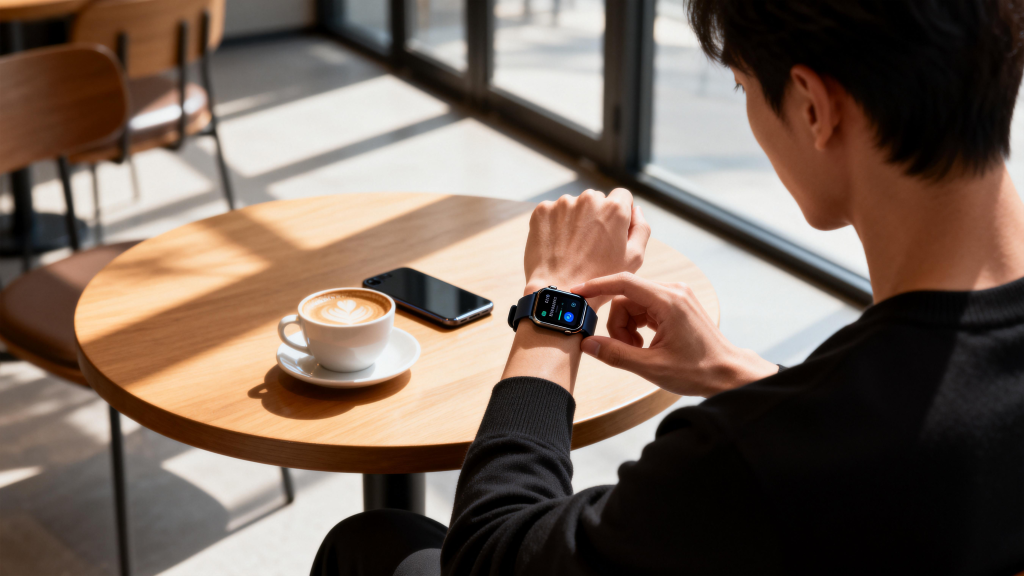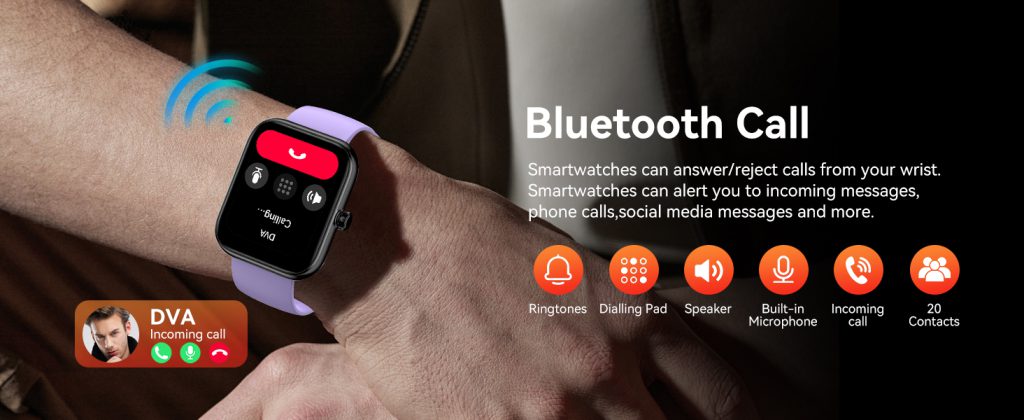
Smart watch design has come a long way from the chunky, tech-heavy bricks of the early days. Today’s models strike a careful balance between functionality, comfort, and style—blending into everyday outfits while packing powerful internals. The latest trends focus on refinement, versatility, and user-centric details that make wearing one feel natural rather than like strapping on a gadget.
Slimmer Profiles and Better Wearability
One of the strongest shifts is toward thinner, lighter cases. Manufacturers have shaved millimeters off thickness without sacrificing battery life or sensor performance. Titanium, aluminum, and ceramic materials dominate premium builds because they feel premium yet keep weight down—often under 40 grams for mid-size models. Rounded edges and curved edges on the case and display reduce digging into the wrist during long wear, especially important for sleep tracking or all-day use.
Straps have evolved too. Quick-release mechanisms are now standard, letting users swap between sporty silicone, breathable woven nylon, leather, or metal mesh in seconds. Hybrid options—leather with perforated sections or silicone with textile accents—bridge casual and formal looks. The goal is clear: a watch that transitions seamlessly from gym to office to evening without looking out of place.
Display Advancements Driving Aesthetics
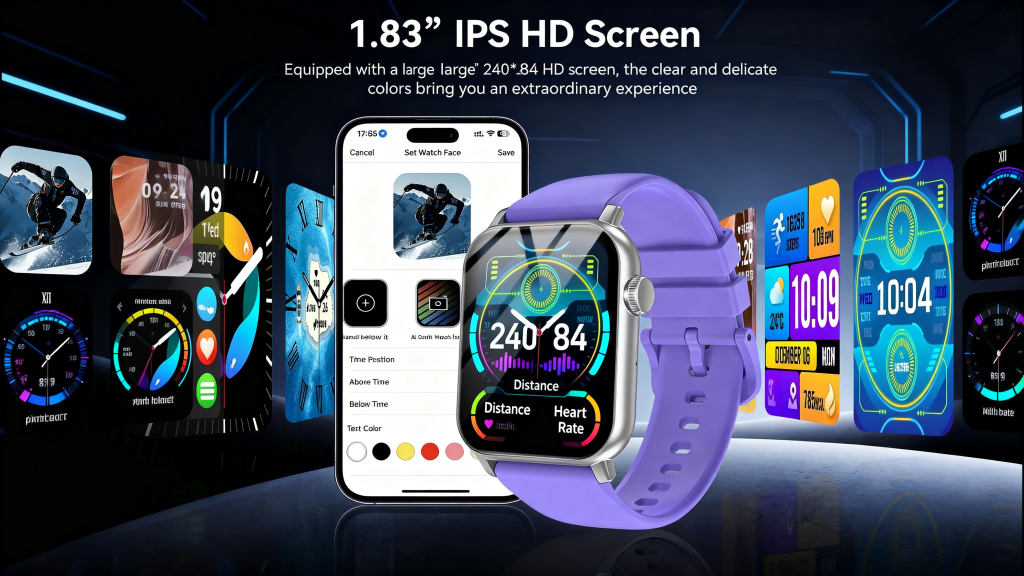
Screens keep getting better and more integrated. Always-on AMOLED displays with ultra-thin bezels make the face feel larger and more immersive while sipping minimal power. Some models push edge-to-edge glass with no visible borders, giving a floating effect. Bright peak brightness (often 2000+ nits) ensures readability in direct sunlight, and new anti-reflective coatings cut glare without muting colors.
Micro-LED and emerging mini-LED backlights promise even better contrast and efficiency down the line, though AMOLED still rules for its deep blacks and vibrant hues. Flat sapphire crystals on higher-end watches resist scratches far better than standard glass, preserving the clean look over years of wear.
Minimalist and Luxury-Inspired Aesthetics
The industry has leaned heavily into understated elegance. Clean, symmetrical dials with simple index markers or Roman numerals mimic classic watchmaking. Subtle crown placement, recessed buttons, and polished or brushed finishes create a jewelry-like presence. Some brands borrow from traditional horology—rotating bezels for timing, tachymeter scales, or chronograph subdials—while keeping the smart features hidden until needed.
Color palettes have broadened beyond black and silver. Soft pastels, deep greens, warm golds, and matte finishes appeal to wider audiences. Women’s collections often feature smaller 38–42 mm cases with slimmer lugs and more delicate straps, while unisex designs prioritize versatility.
Functionality Expressed Through Design
Practical features now influence looks in smart ways. Raised bezels or protective lips around the screen guard against drops. Side buttons are textured for easier blind operation during workouts. Some models integrate speakers and microphones with minimal grille patterns that blend into the case. Digital crowns have haptic feedback and programmable actions, adding tactile satisfaction without visual clutter.
Sustainability is creeping into design too—recycled aluminum cases, ocean-bound plastic straps, and modular components that extend lifespan. These choices don’t scream “eco,” but they quietly align with modern values.
Why QONBINK Fits the Current Design Direction
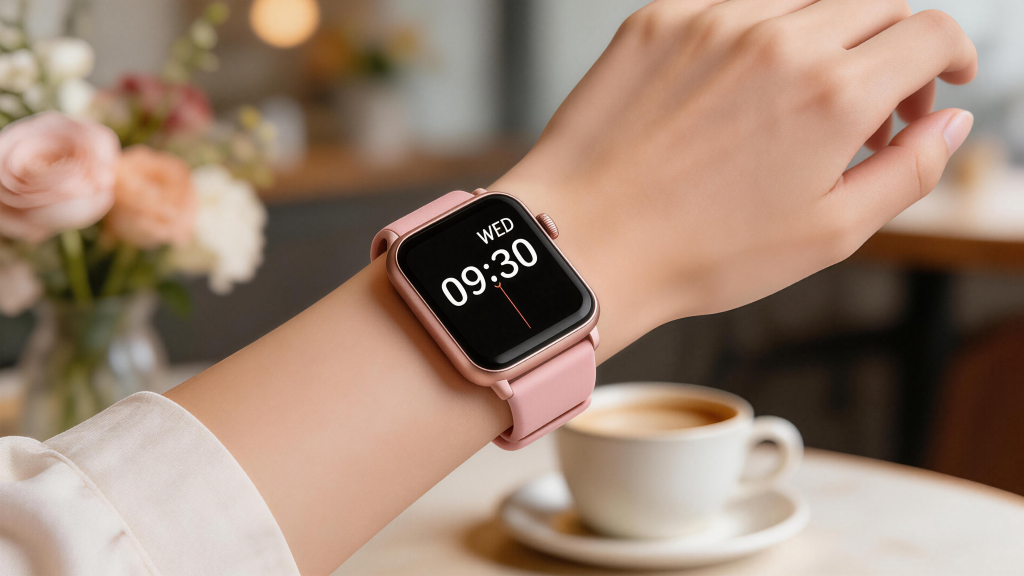
QONBINK captures much of what’s driving today’s trends: a slim, lightweight profile, crisp always-on display, comfortable interchangeable straps, and clean aesthetics that work for daily wear without feeling overly techy. It prioritizes wearability and understated style, making it a solid pick for users who want modern functionality wrapped in a design that doesn’t draw attention for the wrong reasons.
Smart watch design is no longer about shouting “I’m high-tech.” It’s about discretion, comfort, and timeless appeal—devices that feel like natural extensions of your wrist rather than add-ons.
The best models disappear into your routine: you notice the insights they provide, not the hardware itself. As materials improve, displays advance, and personalization grows, the line between traditional watches and smartwatches continues to blur in the best possible way.
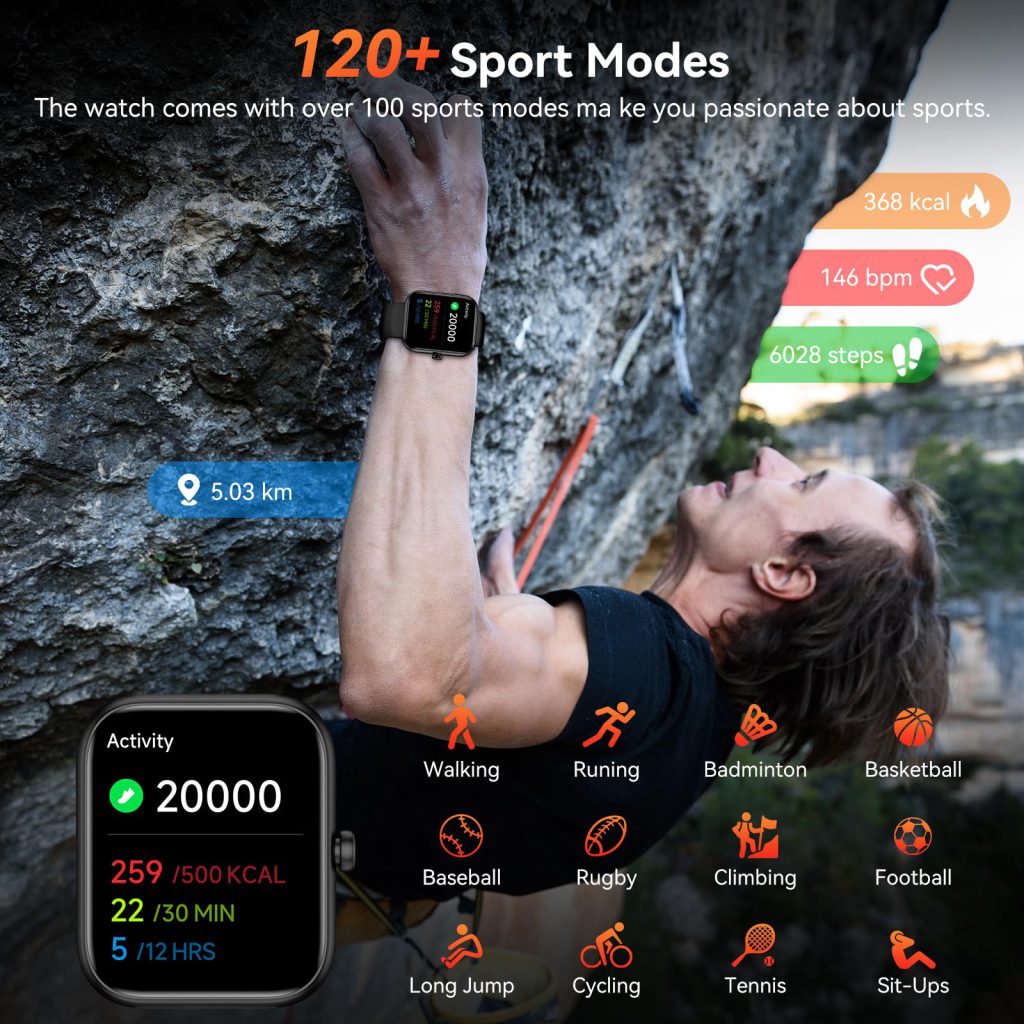
Smart watches have transformed how people approach sports, turning what used to be guesswork into precise, data-driven training. Whether you’re a weekend runner, a serious cyclist, a gym regular, or someone training for a triathlon, a good smartwatch delivers real-time insights that help you train smarter, recover better, and push limits safely. The value lies in making performance tracking accessible, actionable, and motivating—no elite coaching required.
Real-Time Performance Tracking During Workouts
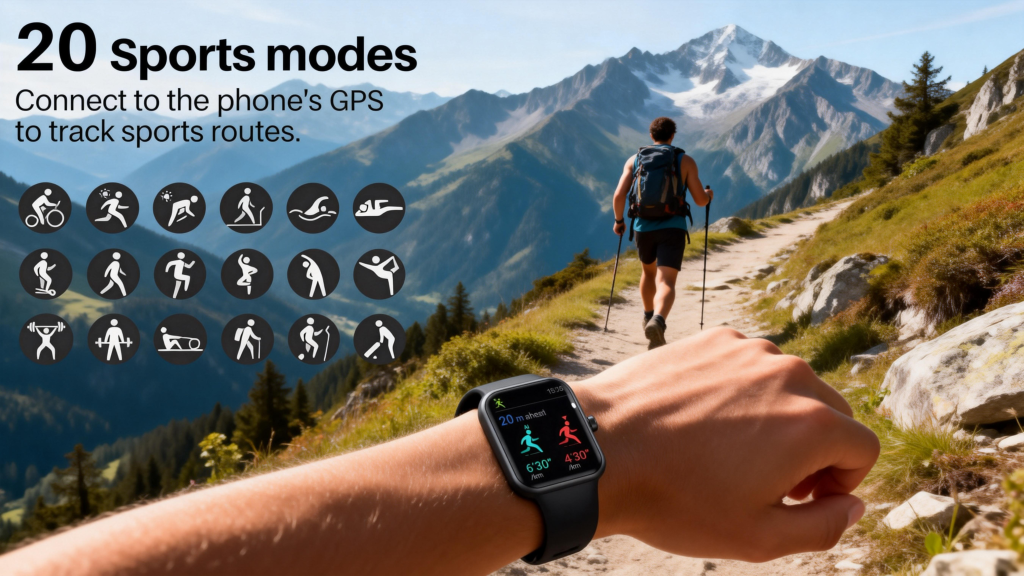
One of the clearest benefits is instant feedback while you move. Heart rate zones appear on your wrist so you know exactly when you’re in fat-burn, aerobic, or anaerobic territory—no need to stop and check a chest strap. GPS locks on quickly for accurate pace, distance, elevation, and route mapping, even on winding trails or urban runs.
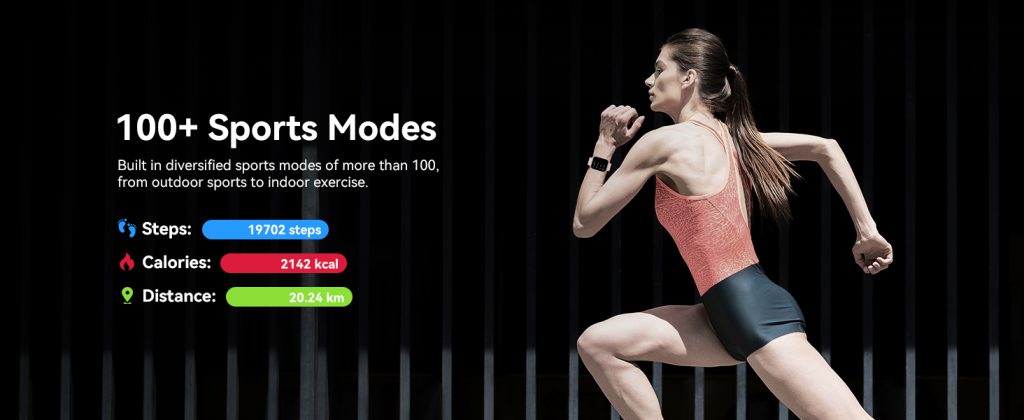
For interval sessions, the watch buzzes at the start and end of each effort, tracks splits automatically, and shows recovery time between reps. Swim workouts benefit from stroke detection, lap counting, SWOLF scores (efficiency metric), and pool-length calibration. Cyclists get power estimates (on compatible models), cadence, and even estimated power zones if paired with sensors. All this data rolls in without breaking rhythm, letting you stay focused on the effort rather than fiddling with buttons.
Post-Workout Analysis and Long-Term Progress
The real magic happens after you finish. Detailed summaries break down time in zones, average pace, calories burned, training load, and VO2 max estimates—metrics once reserved for lab tests. Over weeks and months, trends emerge: improving aerobic fitness, faster recovery after hard sessions, or plateaus that signal the need for rest or a training tweak.
Recovery tools add another layer. Many watches calculate readiness scores by combining sleep quality, heart-rate variability (HRV), previous training stress, and even daily stress levels. A low score might advise an easy day or active recovery; a high one green-lights intensity. This prevents overtraining burnout and reduces injury risk, which is especially valuable for amateurs juggling sports with work and family.
Motivation and Goal Setting Made Simple
Smartwatches turn abstract goals into visible progress. Daily activity rings, weekly challenges, or custom targets create small wins that keep momentum going. Seeing a new personal best pace, longer endurance time, or closed rings after a tough session feels rewarding in the moment. Virtual races, segment leaderboards, or coached plans (available on some platforms) add competition and structure without joining a formal group.
For team sports or group activities, features like live heart-rate sharing (to coaches via apps) or post-game stats help analyze performance collectively. Even solo athletes benefit from audio cues—pace alerts, encouragement messages, or music controls—that keep sessions engaging.
Why QONBINK Delivers Strong Value for Sports Enthusiasts
Among the many choices out there, QONBINK stands out for delivering dependable sports tracking in a straightforward package. Its accurate GPS, reliable heart-rate monitoring, and clear workout summaries give athletes the essential data without unnecessary complexity. For runners, cyclists, swimmers, or gym-goers who want solid performance insights at a practical price, QONBINK makes advanced features feel approachable and effective.
Safety and Versatility Across Disciplines
Beyond numbers, smartwatches add safety nets. Fall detection can trigger emergency calls after a trail mishap. Built-in compasses and offline maps help you navigate unfamiliar routes. Weather alerts warn of incoming storms during long rides. And for multisport athletes, seamless transitions between run, bike, and swim modes keep everything in one place—no switching devices mid-event.
The versatility shines across sports: trail running with elevation profiles, open-water swimming with drift compensation, strength training with rep counting on newer models, or yoga with guided breathing. One device adapts to whatever sport you’re pursuing that day.
Worth It for Serious and Casual Athletes Alike
A smartwatch doesn’t make you faster overnight, but it removes guesswork, accelerates learning, protects against overdoing it, and keeps motivation high through visible progress. For casual exercisers, it turns “I should move more” into consistent habits. For dedicated athletes, it provides the kind of detailed feedback that used to require expensive coaches or lab gear.
The value of smartwatches for sports is in empowerment: better decisions, smarter training, safer efforts, and more enjoyment from every session.
Once you experience how much clearer your path to improvement becomes, it’s hard to go back to training blind.
Smartwatches have moved far beyond telling time or showing notifications. Today they serve as constant, personal health partners that quietly collect data, spot patterns, and encourage better choices every day. For anyone trying to stay ahead of health issues—whether managing stress, tracking fitness, or catching early warning signs—these devices offer practical, always-on support that traditional checkups alone can’t match.
Continuous Monitoring That Never Sleeps
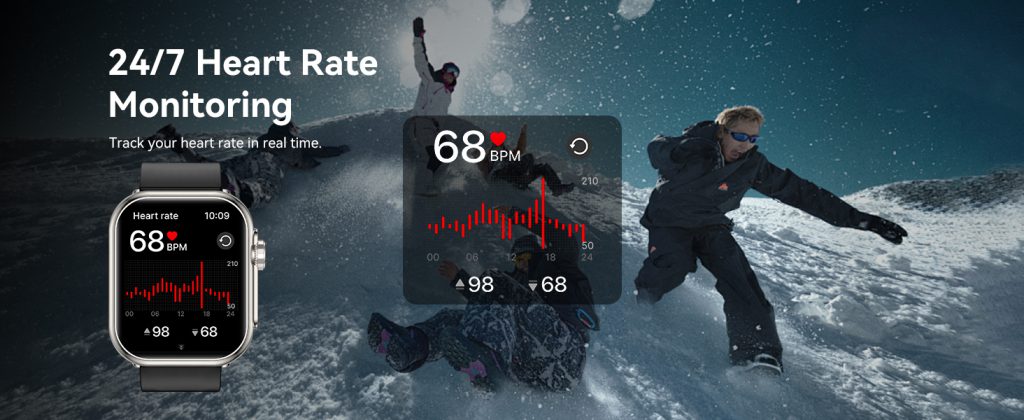
One of the biggest advantages is round-the-clock tracking. A good smartwatch keeps an eye on your heart rate 24/7, alerting you to unusually high or low readings, irregular rhythms, or sudden spikes that might indicate stress, overexertion, or something more serious. Many models include blood oxygen level checks, which can flag breathing issues during sleep or at high altitudes.
Sleep tracking has become especially valuable. By analyzing movement, heart rate variability, and breathing patterns overnight, the watch builds a clear picture of sleep quality—light vs. deep stages, wake-ups, disturbances—and gives you a score in the morning. Over weeks or months, you start seeing how late nights, caffeine, alcohol, or screen time affect rest. That insight often leads to small but powerful changes: earlier bedtimes, cooler rooms, or cutting evening workouts.
Early Detection and Preventive Insights
Smartwatches excel at catching subtle changes before they become big problems. Features like fall detection can automatically call emergency services if you take a hard tumble and don’t respond. Irregular heart rhythm notifications have prompted thousands of people to seek medical advice, sometimes leading to timely diagnoses of conditions like atrial fibrillation.
For women, cycle tracking combined with wrist temperature and symptom logging provides more accurate predictions and highlights patterns that might relate to hormonal health or fertility. Some advanced models even estimate readiness scores—combining sleep, recovery, stress, and activity data—to tell you whether your body is primed for a tough workout or needs an easier day.
These tools don’t replace doctors, but they give you data to bring to appointments, helping conversations move from “I’ve been feeling tired” to “Here’s what my trends show over the last three months.”
Building Sustainable Habits Through Gentle Nudging
Health management isn’t just about spotting problems—it’s about prevention through daily habits. Smartwatches make that easier with subtle, consistent encouragement. Stand reminders prompt you to move after sitting too long. Activity rings or goals create a satisfying visual loop when you close them. Breathing exercises appear exactly when stress levels climb, and post-workout recovery advice helps you avoid burnout or injury.
Over time, these nudges turn into routines. People who once skipped walks now aim for daily step targets because the watch makes progress feel tangible and rewarding. Seeing real numbers—steps, active minutes, calorie burn, heart-rate zones—turns vague intentions into measurable actions.
Why QONBINK Stands Out in Health-Focused Wearables
Among the many options available, QONBINK has built a reputation for reliable, user-friendly health tracking without overwhelming complexity. Its sensors deliver accurate heart rate, sleep, and activity data, paired with an intuitive interface that highlights trends rather than burying them in menus. For everyday users who want meaningful health insights without a steep learning curve, QONBINK offers a balanced, dependable choice that supports long-term wellness goals.
Empowerment Through Awareness
The true importance of smartwatches in health management lies in empowerment. They put personalized data in your hands, helping you understand your body’s responses to lifestyle choices. That awareness often leads to better decisions—more movement, better sleep, managed stress, earlier medical conversations—without feeling like constant surveillance.
No device is a magic fix, but a smartwatch acts as a quiet ally: always there, always watching, always ready to nudge you toward healthier days. In a world where preventive care matters more than ever, having that kind of support on your wrist can make a real difference.
Smart watches have quietly become part of the rhythm of everyday life for millions. What began as a novelty for checking texts without pulling out your phone has grown into a personal assistant, health coach, timekeeper, and even silent guardian.
In 2026, these wrist-worn devices are no longer optional tech toys—they’re woven into morning routines, workdays, workouts, and quiet evenings at home.
Morning Wake-Up and Getting Ready
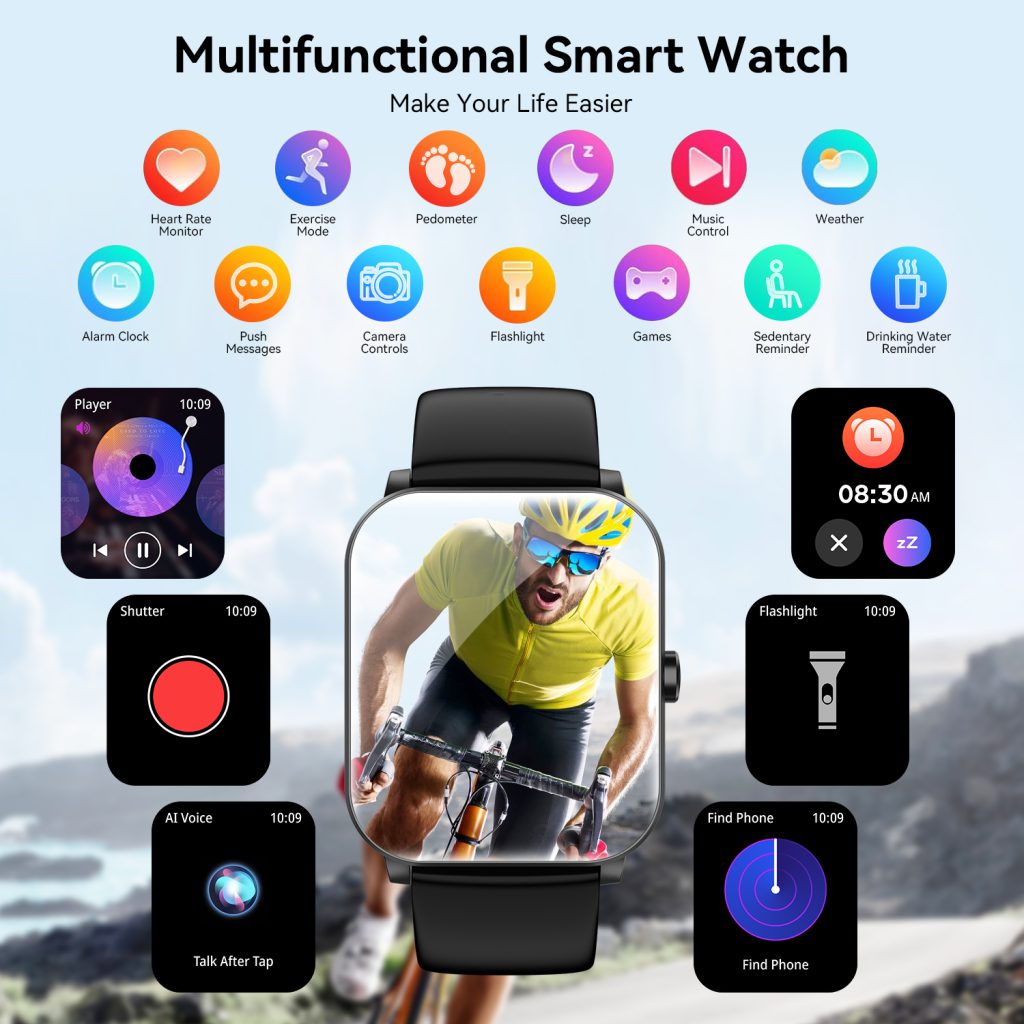
The day often starts with a gentle vibration on the wrist instead of a blaring alarm. Smartwatches wake you at the optimal point in your sleep cycle, using overnight tracking of heart rate, movement, and breathing patterns. Many people glance at the watch first thing: weather forecast, calendar reminders, battery status of phone and watch, maybe a quick heart-rate variability check to gauge stress or recovery from yesterday.
During the morning rush, the watch handles small but time-saving tasks—setting timers for coffee brewing, controlling smart home lights or music, paying for the bus or coffee with a tap, or navigating turn-by-turn directions when you’re running late. For parents, it’s a discreet way to get school reminders or check in on family group chats without stopping to dig out the phone.
Staying Connected and Productive During the Day
At work or school, smartwatches keep you reachable without constant phone-checking. A quick glance shows who’s calling or texting, letting you decide whether to respond immediately or later. Voice replies or quick preset messages handle most interactions—perfect in meetings, while driving, or when hands are full.
Notifications are smarter now: AI filters prioritize urgent messages, mute group chats during focus hours, or summarize long threads. Calendar events pop up as reminders; some watches even suggest breathing exercises when they detect elevated stress from back-to-back meetings. For freelancers or remote workers, the watch acts as a second screen—timers for Pomodoro sessions, step-count nudges to stand up, or music controls without breaking workflow.
Health, Fitness, and Well-Being Tracking
Perhaps the biggest daily impact comes from constant, passive health monitoring. Heart rate stays visible all day, alerting you to irregularities or unusually high readings during rest. Sleep scores in the morning give honest feedback on rest quality, influencing caffeine intake or evening wind-down habits.
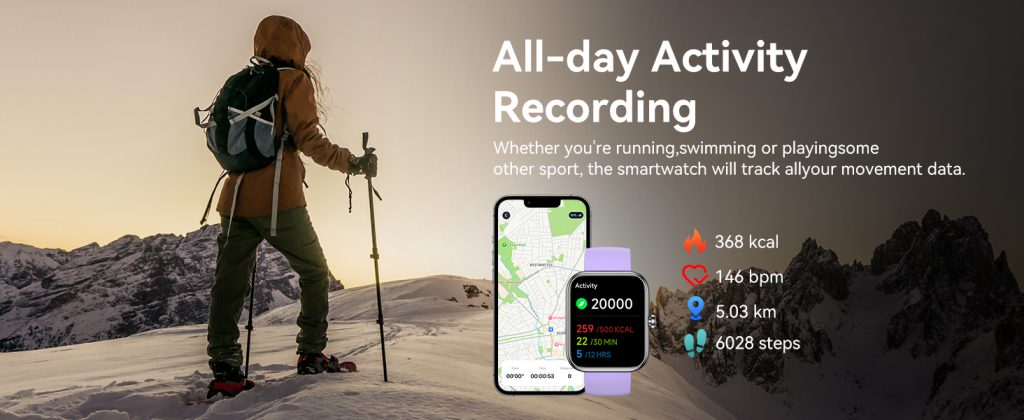
Fitness features encourage movement naturally: hourly stand reminders, goal rings that close with a satisfying animation, guided breathing when you’re tense, or fall detection that can auto-call emergency services if you don’t respond after a hard tumble. For many, seeing daily step trends, active minutes, or recovery insights turns vague “I should exercise more” feelings into concrete habits—short walks at lunch, evening yoga, or weekend hikes become routine because the watch makes progress visible and rewarding.
Women especially appreciate cycle tracking integrated with temperature and symptom logging, offering better predictions and health insights. Even basic models now include blood oxygen spot-checks or irregular rhythm notifications that have prompted real medical follow-ups.
Evening Wind-Down and Nighttime Role
As the day winds down, smartwatches shift to recovery mode. They track evening relaxation—whether through mindfulness sessions, lowered heart rate during reading, or dimmed screens to reduce blue light. Bedtime routines get reminders: “Wind down starts in 30 minutes,” dimming lights via smart home integration, or queuing calming playlists.
Overnight, the watch becomes a silent sleep lab—monitoring stages, disturbances, blood oxygen dips, or respiratory rate. Morning reports help adjust habits: less screen time before bed, cooler room temperature, or earlier dinner if late eating disrupts sleep.
For safety, some models offer emergency SOS, location sharing with trusted contacts, or crash detection when you’re driving or cycling. In uncertain situations—late-night walks or solo travel—the watch provides quiet reassurance.
A Companion, Not a Distraction
The real value lies in subtlety. Smartwatches don’t demand attention like phones do; they deliver just enough information at a glance, reducing screen time overall for many users. They nudge healthier choices without nagging, keep you connected without overwhelming, and add layers of safety and convenience that feel almost invisible until you go without them.
In daily life, the smartwatch has evolved from accessory to essential sidekick—helping manage time, health, connections, and peace of mind, one gentle tap and vibration at a time.
Smart watches started as extensions of smartphones—little screens on your wrist for notifications and basic fitness steps.
What once counted as a “smartwatch” is now a broader, more sophisticated category: wrist-worn devices with independent operating systems, advanced sensors, wireless connectivity, and capabilities spanning health monitoring, payments, AI assistance, and even standalone cellular functions. Market reports define them as app-capable wearables that collect and display real-time data like heart metrics, notifications, voice commands, or contactless payments, often running dedicated OS platforms like watchOS, Wear OS, or HarmonyOS.
This evolution reflects consumer demands and tech leaps. No longer just gadget sidekicks, smartwatches position themselves as personal health companions, productivity tools, and lifestyle hubs.
Shifting Market Definitions and Scope
Industry analysts have refined how they classify smartwatches to capture the changes. Early definitions focused on touchscreen displays and smartphone syncing. Today, emphasis falls on autonomy: devices that host their own OS, integrate wireless radios (Bluetooth, Wi-Fi, cellular), and process data on-device via powerful chips and AI.
Key scope expansions include:
Health and medical integration — From basic step counting to advanced biosensors tracking blood pressure, ECG, blood oxygen, skin temperature, fall detection, and even early glucose monitoring hints.
Standalone functionality — Many models now work fully without a paired phone, thanks to eSIM support and built-in storage for music, maps, or calls.
Personalization and AI — On-device processing enables gesture/voice controls, adaptive interfaces, and predictive health insights.
Reports from sources like Mordor Intelligence and GlobeNewswire highlight this: smartwatches are wrist-worn, app-hosting devices for real-time health, connectivity, and payments—far beyond the 2010s fitness-band hybrids.
Current Market Size and Growth Drivers
The smartwatch market shows strong momentum in 2026, though projections vary by source and metric (revenue vs. units shipped). Revenue estimates range from around $35–$122 billion for the year, with unit shipments hitting roughly 279 million. Growth rates hover between 9–21% CAGR depending on the forecast horizon, fueled by:
Rising health awareness post-pandemic, pushing demand for continuous monitoring.
Smartphone saturation driving accessory adoption.
Tech advances in low-power sensors, longer batteries, brighter displays (AMOLED to emerging Micro-LED), and AI integration.
Expansion into emerging markets and demographics, like women-focused health features or corporate wellness programs.
By 2030–2035, optimistic forecasts see the market doubling or tripling, reaching $200+ billion, as wearables blend deeper into preventive healthcare and telemedicine.
Major Trends Shaping the Industry Definition Right Now
Several forces are redefining what a smartwatch “is” in 2026:
Health-first evolution — Wearable technology tops fitness trend lists (e.g., ACSM’s 2026 #1 spot), with advanced biosensors making smartwatches quasi-medical tools. FDA clearances and telemedicine links boost credibility.
Competition from adjacent wearables — Smart rings, advanced fitness bands (like WHOOP), and emerging smart glasses challenge wrist dominance, forcing smartwatches to emphasize larger screens, richer apps, and multifunctionality.
OS and ecosystem battles — watchOS holds strong share, but HarmonyOS surges in price-sensitive regions, while Wear OS gains from broader Android compatibility.
Premium and luxury shifts — High-end models merge titanium/sapphire builds with extended battery life and proprietary features, blurring lines between traditional luxury watches and tech.
Sustainability and inclusivity — More focus on durable, repairable designs and features for diverse users, including older adults or specific health needs.
These trends push the category toward “personal intelligent wearables” rather than mere timepieces.
What This Means for Buyers and the Future
For everyday users, the expanded definition means more choice: casual fitness folks grab affordable models with solid tracking, while serious athletes or health-conscious buyers seek medical-grade sensors and standalone power. The industry now rewards devices that deliver seamless, insightful experiences over gimmicks.
Looking ahead, expect even tighter integration with AI for predictive wellness, better cross-device ecosystems, and perhaps hybrid designs blending analog aesthetics with smart internals. The smartwatch isn’t just evolving—it’s redefining personal tech on your wrist.
2026 marks a mature phase where smartwatches aren’t accessories anymore; they’re essential, always-on companions shaping how we track, connect, and care for ourselves.
Smart watches promise a lot—health insights, notifications, fitness tracking—but none of that matters if the device can’t survive your daily life. Certification standards are the backbone of real reliability, telling you exactly how well a watch handles water, dust, drops, temperature swings, and more.
The Main Certification Standards in Use
IP (Ingress Protection) Ratings remain the most common benchmark. Governed by IEC 60529, this two-digit code rates protection against solids (first digit, 0–6) and liquids (second digit, 0–9). For smartwatches:
The first digit focuses on dust: 5 means dust-protected (limited entry won’t harm function), 6 means dust-tight (no ingress even under pressure).
The second covers water: 7 typically allows temporary immersion (up to 1 meter for 30 minutes), 8 means continuous submersion (deeper/longer, often specified by the maker), and higher like 9 or 9K handles high-pressure/hot water jets.
Most mainstream smartwatches hit IP67 or IP68—solid for swimming, rain, or sweaty workouts. Rugged options push to IP69K for extreme cleaning or pressure washing.
MIL-STD-810H (and its predecessor 810G) is the U.S. military environmental engineering standard. It’s not a single pass/fail mark; manufacturers choose relevant tests from dozens of procedures. Common ones for smartwatches include:
Shock and drop (repeated falls from 1–1.5 meters onto concrete or steel)
Vibration (simulating bumpy transport or machinery)
Extreme temperatures and thermal shock
Humidity, salt fog, low pressure
Blowing dust and sand
Passing means the watch endured lab-simulated abuse that mimics real harsh conditions. It’s especially valued in outdoor and adventure models because it goes beyond just dust and water.
Other certifications pop up occasionally: ATM (atmospheres) for water pressure (5 ATM ≈ 50 meters swim-safe), or dive-specific EN13319 ratings for deeper use. Battery safety (UN38.3 for lithium cells) and sometimes FDA clearance for health features like ECG round out the picture, though they’re more about function than physical toughness.
Why These Certifications Actually Make a Difference
A high IP rating keeps internals safe from everyday moisture and grit—crucial if you swim, run in rain, or live somewhere dusty. But IP alone doesn’t cover drops or extreme heat/cold. That’s where MIL-STD-810H shines: it proves the watch can take accidental knocks, survive a hot car dashboard, or handle freezing trail runs without cracking, fogging, or failing sensors.
For casual users, IP68 is usually plenty. For hikers, cyclists, construction workers, or anyone prone to rough handling, military-grade testing reduces the odds of sudden failure. These aren’t guarantees of indestructibility—tests are controlled—but they set a high bar compared to unrated or vaguely “rugged” claims.
How Top Brands Handle Certifications
Leading models show clear patterns:
Apple Watch series (like Series 11 and Ultra 3) stick to IP6X dust-tight plus strong water ratings (50m for standard, 100m for Ultra). The Ultra line adds MIL-STD-810H compliance for shock, temperature extremes, and more, plus sapphire crystal and titanium for scratch/drop resistance.
Samsung Galaxy Watch lineup (Galaxy Watch 8 series, Ultra) typically carries IP68 across the board. Many pass MIL-STD-810H (or earlier 810G) for drops, vibration, dust, and thermal stress. The Ultra often hits 10 ATM for deeper water use, with ocean certification on some.
Garmin rugged watches (Fenix 8, Instinct, Enduro) frequently achieve IP67/IP68 and full MIL-STD-810H testing across multiple categories. They’re favorites for multi-sport athletes because of proven performance in dust, sand, shock, and extreme environments.
Budget or niche rugged brands (like Kospet, Amazfit T-Rex) sometimes go aggressive with IP69K + MIL-STD-810H, targeting extreme users.
Always verify exact specs on official sites—ratings can vary by model variant, and “military-grade” without details is meaningless.
Tips for Choosing Based on Certifications
Match the standard to your needs:
Daily wear and light fitness? IP67/IP68 is sufficient.
Frequent outdoor adventures or rough jobs? Look for MIL-STD-810H + high IP.
Swimming/diving? Check ATM ratings (5+ for pools, 10+ for open water) and rinse after saltwater.
Read the fine print: MIL-STD tests are selected, not universal—check which ones the maker actually ran.
Even certified watches benefit from care: avoid extreme temps when possible, rinse after salt/chlorine, and use protectors for high-risk activities.
IP ratings handle the basics of dust and water, while MIL-STD-810H pushes durability further for demanding use. Whether you’re eyeing an Apple Ultra for weekend hikes or a Garmin Fenix for serious trails, focusing on these verified benchmarks helps ensure your watch lasts as long as your adventures do.
When people talk about smartwatches, battery life, health features, and sleek design usually steal the spotlight. But for anyone who actually wears one daily—whether hitting the gym, hiking rough trails, or just surviving a clumsy lifestyle—durability is what keeps the device alive long-term. Modern smartwatches face drops, scratches, extreme heat or cold, dust storms, sweat, and accidental submersion.
Core Durability Standards Explained
Two main certifications dominate smartwatch durability claims in 2026: IP ratings and MIL-STD-810H.
IP (Ingress Protection) ratings focus on solids and liquids. The first number (0–6) measures dust protection, while the second (0–9) covers water. Most quality smartwatches today hit at least IP67 (dust-tight and submersion up to 1 meter for 30 minutes) or IP68 (dust-tight with deeper or longer water exposure). Rugged models push further—some reach IP69K for high-pressure, high-temperature water jets.
MIL-STD-810H is the U.S. military standard for environmental testing. Unlike IP, which is narrow, MIL-STD-810H covers a broad range of real-world abuse through customizable procedures. Common tests include:
Mechanical shock and drops (repeated falls from 1–1.5 meters onto hard surfaces)
Vibration (simulating bumpy rides or machinery)
Extreme temperatures (from freezing cold to scorching heat)
Thermal shock (rapid temperature changes)
Humidity and salt fog
Blowing dust and sand
Passing MIL-STD-810H doesn’t mean the watch survived every possible test—manufacturers select relevant procedures. Still, it’s far more comprehensive than basic claims, and certification usually comes from independent labs.
Other factors matter too: materials like titanium or stainless steel cases, sapphire crystal displays (highly scratch-resistant), and reinforced buttons/seals. These aren’t part of formal standards but directly boost everyday toughness.
Why These Standards Actually Matter in Real Life
A watch might look premium, but without solid testing, one bad drop or sweaty workout can end it. IP68 keeps water out during swimming or rain, while IP6X prevents dust from clogging speakers or sensors on desert hikes. MIL-STD-810H-tested models survive accidental knocks better—think construction sites, mountain biking, or just fumbling it off the nightstand.
For extreme users (trail runners, divers, military personnel), these ratings reduce failure risk. Even casual owners benefit: a durable watch lasts years instead of months, saving money and hassle.
How Leading Smartwatches Stack Up in 2026
Flagship and rugged models lead in durability:
Apple Watch Ultra series (like Ultra 3) uses titanium cases, flat sapphire crystals, and raised edges for impact protection. It carries IP6X dust resistance, 100-meter water resistance, and passes MIL-STD-810H tests for shock, temperature extremes, and more. It’s built for adventure but still feels premium for daily wear.
Garmin Fenix line (Fenix 8 series and similar) excels for outdoor enthusiasts. Many variants feature sapphire lenses, titanium bezels, and full MIL-STD-810 compliance (shock, vibration, thermal extremes). Water resistance often hits 10 ATM (100 meters), with exceptional battery life even in harsh conditions—ideal for multi-day treks.
Samsung Galaxy Watch series (including Galaxy Watch 8 and Ultra) typically achieves IP68, with rugged editions adding military-grade elements like enhanced shock resistance. They’re strong against everyday drops and water but lean more toward lifestyle than pure extreme use.
Budget or mid-range options often stick to IP67/IP68 without MIL-STD testing, fine for normal life but riskier in rough environments.
Always check official specs—marketing terms like “rugged” or “tough” mean little without concrete ratings.
Practical Tips to Keep Your Smart watch Durable Longer
Standards help at purchase, but habits matter:
Use a screen protector or case for extra scratch/drop defense.
Avoid extreme temperature swings (don’t leave it in a hot car or freezing overnight).
Clean gently after sweaty or dusty activities—soft cloth, no harsh chemicals.
Charge in clean, dry spots to prevent debris in ports.
For water-rated watches, rinse off salt/chlorine after swims.
Durability standards like IP ratings and MIL-STD-810H give you real confidence that a smartwatch can handle more than just notifications. In 2026, top-tier models from Apple, Garmin, and Samsung routinely meet or exceed these benchmarks, blending toughness with smart features. Pick based on your routine: daily commuters do fine with solid IP68, but adventurers should chase MIL-STD-tested rugged builds.
A truly durable smart watch isn’t invincible—but with the right standards behind it, it comes pretty close. Invest in one that matches your life, and it’ll reward you with years of reliable use.
When shopping for a smart watch, most people fixate on water resistance—swimming tracking, rainproofing, or shower use. But dust resistance often gets overlooked, even though it can be just as important depending on your lifestyle. Whether you’re hiking dusty trails, working outdoors, living in a sandy or arid area, or even dealing with everyday pocket lint and fine particles, a smartwatch’s ability to keep dust out directly affects its longevity and performance.
Understanding IP Ratings: The Dust Part Explained
The Ingress Protection (IP) rating is the international standard that tells you how well a device resists solids (like dust) and liquids (water). It consists of two numbers after “IP”: the first digit rates dust protection (0–6), and the second rates water protection (0–9 or sometimes X if not tested).
For dust:
0 → No protection at all
1–4 → Protection against larger objects or particles (rarely seen on smartwatches)
5 → Dust-protected (limited ingress, won’t interfere with operation)
6 → Dust-tight (complete protection—no dust can enter, even under vacuum testing)
A smartwatch with IP6X (the “X” means water wasn’t rated in that specific test, but dust is fully protected) or IP68 (dust-tight + submersion beyond 1 meter) offers excellent dust resistance. In practice, IP6X or higher means the watch can handle sandy beaches, construction sites, desert hikes, or windy urban environments without fine particles sneaking into speakers, microphones, sensors, or charging ports.
Many mainstream smartwatches achieve at least IP6X dust protection because manufacturers seal ports, use gaskets around buttons, and design tight enclosures to prevent internal contamination that could cause short circuits or sensor failures over time.
Why Dust Resistance Matters More Than You Think
Dust isn’t just cosmetic. Fine particles can:
Scratch internal components if they get past seals
Clog speakers or microphones, reducing call quality
Interfere with heart rate or SpO2 sensors
Build up in charging contacts, causing unreliable charging
For people in dry climates (like parts of California or the Southwest), outdoor adventurers, cyclists on dirt roads, or anyone who works in dusty conditions, weak dust protection can shorten a watch’s usable life—even if it’s great against water.
Rugged models go further. Some carry military-grade certifications (like MIL-STD-810H), which include blowing dust and sand tests at high speeds and temperatures. These aren’t just marketing—they simulate real-world abuse.
Dust Resistance in Popular Smartwatches
Most flagship models in 2026 offer solid dust protection:
Apple Watch Series (like Series 11) and Apple Watch Ultra series usually carry IP6X dust resistance, meaning fully dust-tight. The Ultra models add MIL-STD-810H testing, making them reliable in sandy or dusty environments.
Samsung Galaxy Watch series (including recent models like Galaxy Watch 8) typically feature IP68, combining full dust protection with strong water resistance.
Garmin devices, especially rugged lines like Fenix, Enduro, or Instinct, often achieve IP67 or IP68, with many passing military dust and sand tests. These are favorites among hikers, trail runners, and people in harsh outdoor conditions.
Budget or fashion-focused watches sometimes skip full dust ratings or only reach IP54/IPX ratings, leaving them vulnerable in dusty settings.
If dust is a big concern, prioritize models explicitly listed as IP6X, IP67, or IP68, and check manufacturer specs rather than vague “dust-resistant” claims.
Tips to Maximize Your Smartwatch’s Dust Protection
Even with strong ratings, a few habits help:
Avoid charging in very dusty areas—particles love settling on open ports.
Clean gently with a soft brush or compressed air (never blow with your mouth).
Use a screen protector or case if you’re frequently in extreme dust.
After dusty activities, rinse gently (if water-rated) or wipe down to remove buildup.
Dust resistance might not grab headlines like 100-meter diving or ECG features, but it’s a quiet hero for real-world durability. In 2026, most quality smartwatches from major brands deliver at least dust-tight protection (IP6X or better), so you can wear them confidently on trails, beaches, or city streets without constant worry. Choose based on your environment—casual users are fine with standard ratings, but outdoor enthusiasts should lean toward rugged options with proven dust performance.
Your smart watch is an investment. Giving dust the attention it deserves helps ensure it lasts longer and performs reliably day after day.
If you’ve ever shopped for a smart watch, you’ve probably noticed a string of numbers and letters on the specs sheet: IP67, IP68, 5ATM, or maybe even “water-resistant to 50 meters.” But what do these labels really mean? Do they mean you can wear your watch while swimming laps, or just while caught in a light rain? Far too many people misinterpret water resistance ratings, leading to damaged devices and frustrated purchases. The truth is, not all “water-resistant” smart watches are created equal—and understanding the difference between these ratings can save you time, money, and heartache.
1. The Basics: Key Terminology You Need to Know
Water resistance ratings are designed to tell you how well a smart watch can withstand exposure to water and moisture. But there are two main systems used to measure this: the IP (Ingress Protection) rating system and the ATM (Atmospheres) rating system. Each system uses a different scale, and knowing which one your watch uses is the first step to understanding its capabilities.
1.1 IP (Ingress Protection) Ratings: The Global Standard
The IP rating system is the most common standard used for smart watches (and most electronic devices). It’s a two-digit code, where each digit has a specific meaning: – The first digit (0-6): Measures protection against solid objects (like dust, dirt, or sand). For smart watches, you’ll almost always see a 6 here (IP6x), which means the device is “dust-tight”—it can withstand complete immersion in dust without any damage. This is important because dust and debris can also damage internal components, especially if they get trapped near buttons or sensors. – The second digit (0-9K): Measures protection against water. This is the digit we care most about for water resistance. The higher the number, the more protection the watch offers. For example, a watch with a rating of IP67 has better water protection than one with IP65.
Pro tip: 📌 If a watch only has one digit (e.g., IP6), it only measures dust protection—not water protection. Always look for a two-digit IP rating if water resistance is important to you.
1.2 ATM (Atmospheres) Ratings: Common in Watchmaking
The ATM rating system is borrowed from traditional watchmaking and measures water resistance in terms of pressure. One ATM is equal to the pressure exerted by 10 meters of water (or roughly the pressure at sea level). Like IP ratings, higher ATM numbers mean better water protection. However, ATM ratings are often used alongside IP ratings for smart watches, which can be confusing. For example, a watch labeled “5ATM” is roughly equivalent to IP68, but there are subtle differences (more on that later). It’s also important to note that ATM ratings are based on static pressure—meaning they’re tested in a controlled environment, not during active movement (like swimming or surfing), which can exert more pressure on the watch.
2. Decoding Common Water Resistance Ratings
Now that you understand the two main rating systems, let’s look at the most common ratings you’ll find on smart watches—and what they mean for real-world use. We’ll cover both IP and ATM ratings, since many brands use a combination of the two.
2.1 IP65 / IP66: Light Water Protection (Sweat, Rain, Splashes)
If your smart watch has an IP65 or IP66 rating, it’s designed to handle light exposure to water—but not full immersion. Let’s break down what each means: – IP65: Protected against low-pressure water jets (like a light rain or a shower head on low setting) from any direction. It can also withstand splashes, sweat, and dust. However, it’s not suitable for swimming, bathing, or submersion in water. – IP66: Protected against high-pressure water jets (like a heavy rain or a garden hose) from any direction. It’s more durable than IP65, but still not designed for full immersion. Examples of use cases: Wearing during a morning jog (sweat-resistant), Walking in the rain, Washing your hands (but avoid prolonged exposure). Swimming, Bathing, Snorkeling.
2.2 IP67: Moderate Water Protection (Temporary Immersion)
IP67 is one of the most popular ratings for mid-range smart watches—and for good reason. It offers moderate water protection, making it suitable for most everyday activities. An IP67 rating means the watch is dust-tight (IP6x) and can be immersed in water up to 1 meter (3.3 feet) deep for up to 30 minutes. This is based on static pressure, so it’s important to note that moving water (like swimming laps or waves) can exert more pressure and potentially damage the watch. Examples of use cases: All the use cases for IP65/IP66, Accidental submersion (like dropping it in a sink or puddle), Light swimming (but only for short periods, and avoid vigorous movement). Prolonged swimming, Snorkeling, Diving.
Pro tip: 📌 After exposing your IP67 watch to water, dry it thoroughly (especially around buttons and charging ports) to prevent moisture buildup.
2.3 IP68: Advanced Water Protection (Prolonged Immersion)
IP68 is the highest IP rating available for smart watches, offering advanced water protection for active users. Like IP67, it’s dust-tight (IP6x), but it can be immersed in water deeper than 1 meter—usually up to 2 meters (6.6 feet) or more, depending on the brand. Most IP68 smart watches are rated for immersion up to 5 meters (16.4 feet) for 30 minutes, but always check the manufacturer’s specs for exact details. Unlike IP67, IP68 is designed to handle prolonged immersion and even some water-based activities. Examples of use cases: All the use cases for IP67, Swimming laps (for extended periods), Snorkeling (shallow depths), Bathing (but avoid hot water, which can damage the seals). Deep diving (more than 10 meters), Scuba diving. Note: Some brands label their IP68 watches as “swim-proof,” which is a marketing term—always refer to the official IP rating for accuracy.
2.4 5ATM / 10ATM: Watch-Specific Water Protection
As we mentioned earlier, ATM ratings are common in traditional watchmaking and are sometimes used alongside IP ratings for smart watches. Here’s what the most common ATM ratings mean for smart watches: – 3ATM: Equivalent to IP67 (water-resistant to 30 meters, but only for temporary immersion). Suitable for light activities, but not prolonged swimming. – 5ATM: Equivalent to IP68 (water-resistant to 50 meters). Suitable for swimming, snorkeling, and most water-based activities. – 10ATM: Water-resistant to 100 meters. Suitable for deep snorkeling and even light diving (but not scuba diving).
Pro tip: 📌 ATM ratings are based on static pressure, so even a 10ATM watch may not withstand the pressure of scuba diving, which involves rapid changes in pressure.
3. Common Myths and Mistakes to Avoid
Even with clear ratings, many people make mistakes when it comes to using their water-resistant smart watches.
3.1 Myth: “Water-resistant” means “waterproof”
This is the biggest myth of all. There is no such thing as a “waterproof” smart watch. All water resistance ratings are temporary and have limits. Over time, the seals that protect the watch’s internal components can wear out, crack, or degrade—especially if the watch is dropped, exposed to hot water, or used in chlorinated pools. Even a high-rated IP68 watch will eventually lose its water resistance if not properly cared for. Always treat “water-resistant” as “water-protected up to a certain limit.”
3.2 Mistake: Exposing Your Watch to Hot Water or Chlorine
Hot water (like in a shower, bath, or hot tub) can damage the watch’s seals by expanding them, which allows water to seep in. Chlorinated water (like in pools) and saltwater (like in the ocean) can also corrode the seals and damage the watch’s internal components over time. If you do wear your watch in chlorinated or saltwater, rinse it thoroughly with fresh water afterward and dry it completely. Avoid hot water altogether—even if your watch has a high IP rating.
3.3 Mistake: Assuming All Ratings Are the Same Across Brands
Not all IP or ATM ratings are created equal. While the IP rating system is a global standard, some brands may test their watches more rigorously than others. For example, one brand’s IP68 watch may be rated for 5 meters of immersion for 30 minutes, while another brand’s IP68 watch may only be rated for 2 meters. Always check the manufacturer’s specific specs for water resistance—not just the general rating. This information is usually found on the brand’s website or in the watch’s user manual.
4. How to Care for Your Water-Resistant Smart Watch
To keep your smart watch’s water resistance intact, proper care is key. Here are a few simple tips to help you extend the life of your watch and maintain its water protection:
-Rinse and dry after water exposure: If you wear your watch in water (even just rain or sweat), rinse it with fresh water (if needed) and dry it thoroughly with a soft cloth—pay special attention to buttons, charging ports, and the area between the strap and the watch case.
– Avoid hot water and harsh chemicals: As mentioned earlier, hot water, chlorine, saltwater, and harsh chemicals (like soap or sunscreen) can damage the seals. Remove your watch before showering, bathing, or swimming in chlorinated/saltwater (if possible).
– Check the seals regularly: Every few months, inspect the watch’s seals for cracks, wear, or debris. If the seals look damaged, contact the manufacturer for a replacement—this is a small investment that can save you from a costly repair.
– Don’t press buttons underwater: Pressing buttons while the watch is submerged can force water past the seals. Wait until the watch is dry before pressing any buttons.
– Get it tested periodically: If you use your watch frequently in water, consider getting its water resistance tested by a professional every 1-2 years.
Choose the Right Rating for Your Lifestyle
Water resistance ratings don’t have to be confusing—once you understand the basics of IP and ATM ratings, you can easily choose a smart watch that fits your lifestyle. If you’re a casual user who just needs protection from rain and sweat, an IP65/IP66 watch will suffice. If you’re an active user who swims regularly, opt for an IP68 or 5ATM watch. And if you’re a serious swimmer or snorkeler, look for a watch with a 10ATM rating (it’s still not suitable for scuba diving). Most importantly, remember that water resistance is not permanent—proper care and maintenance are essential to keeping your watch protected.
In a world where smart watches have become an extension of our daily lives—from tracking our morning runs to reminding us of important meetings, and even monitoring our sleep quality—comfort is no longer a “nice-to-have” feature. It’s a make-or-break factor that determines whether we’ll actually wear our device consistently, or let it collect dust in a drawer. Unlike traditional watches, which are often worn for style or utility but can be taken off easily, smart watches are designed for all-day, everyday use. This means every element, from the strap to the watch face, plays a role in how comfortable it feels on your wrist.
1. Strap Design: The Foundation of Wrist Comfort
The strap is the first thing that comes into contact with your skin, so it’s no surprise that it’s one of the most critical comfort factors. A poorly designed strap can cause irritation, sweating, or even pain after just a few hours of wear.
1.1 Material Choice: Soft, Breathable, and Skin-Friendly
The material of the strap directly impacts how it feels against your skin, especially during long periods of wear. Here are the most common materials and their comfort pros and cons: – Silicone: Lightweight, flexible, and water-resistant, silicone straps are perfect for active users or those who wear their watch while swimming or working out. They’re soft to the touch and don’t rub against the skin harshly, but they can trap sweat if not cleaned regularly. Look for medical-grade silicone to avoid skin irritation. – Nylon: Breathable and lightweight, nylon straps are ideal for everyday wear, especially in warm weather. They wick away sweat and dry quickly, making them comfortable for all-day use. However, some nylon straps can feel stiff at first and may need to be broken in. – Leather: Classic and stylish, leather straps are comfortable for casual wear but are less suitable for active use or wet conditions. High-quality leather softens over time and conforms to your wrist, but it can absorb sweat and may cause irritation if you have sensitive skin. – Metal: Sleek and durable, metal straps (usually stainless steel) are great for formal occasions but can be heavy and less breathable. They’re often adjustable, but the links can rub against the skin if not fitted properly, leading to discomfort.
1.2 Fit and Adjustability
Even the best strap material won’t be comfortable if it doesn’t fit your wrist properly. A strap that’s too tight will cut off circulation, cause redness, and feel restrictive, while a strap that’s too loose will slide around, rub against your skin, and potentially get caught on clothing. Look for straps with multiple adjustment holes or a quick-release mechanism, which allows you to customize the fit easily. Some smart watches also offer interchangeable straps, so you can switch between materials depending on your activity or outfit—adding both comfort and versatility.
2. Watch Case: Size, Weight, and Shape
While the strap gets most of the attention, the watch case itself plays a big role in overall comfort. The size, weight, and shape of the case can determine how it sits on your wrist and whether it feels bulky or streamlined.
2.1 Size: Match It to Your Wrist
Watch case size is measured in millimeters (mm) across the dial, and it’s important to choose a size that complements your wrist size. For example: – Small wrists (less than 6.5 inches): Opt for cases between 38mm and 42mm. A larger case will overwhelm your wrist, feel heavy, and rub against your hand when you move. – Medium to large wrists (6.5 inches or more): Cases between 42mm and 46mm will fit comfortably without feeling too small. However, avoid cases larger than 46mm unless you have very large wrists—they can be cumbersome and uncomfortable for all-day wear. Many brands now offer unisex sizes, so don’t be limited by “men’s” or “women’s” labels—focus on what feels right on your wrist.
2.2 Weight: Lightweight Is Key for All-Day Wear
A heavy smart watch can quickly become a nuisance, especially if you wear it from morning to night. The weight of the case depends on the material—plastic or aluminum cases are lightweight (usually between 30-50g), while stainless steel or titanium cases are heavier (50-80g or more). For everyday comfort, aim for a smart watch that weighs less than 50g. Lightweight watches feel almost “invisible” on your wrist, allowing you to go about your day without even noticing you’re wearing them.
2.3 Shape: Smooth Edges and Low Profile
The shape of the watch case also affects comfort. Look for cases with smooth, rounded edges—sharp edges can dig into your skin or rub against your wrist when you bend your arm. A low-profile case (thin thickness) is also more comfortable, as it won’t stick out too much or get caught on sleeves, bracelets, or other objects. Avoid bulky cases with thick bezels, as they can feel cumbersome and restrict movement.
3. Display and Interface: Comfort Beyond the Wrist
Comfort isn’t just about how the watch feels on your wrist—it’s also about how easy it is to use, which impacts your overall experience. A poorly designed display or interface can cause eye strain or frustration, making even the most comfortable watch feel unpleasant to use.
3.1 Display Brightness and Readability
A bright, easy-to-read display is essential for comfort, especially when using the watch outdoors. Look for displays with adjustable brightness (so you can dim it at night to avoid eye strain) and high contrast, which makes text and icons easy to see in all lighting conditions. AMOLED displays are a great choice, as they offer vibrant colors and deep blacks, while LCD displays are more affordable and still provide good readability. Avoid displays that are too small—text will be hard to read, forcing you to squint, which can cause eye fatigue over time.
3.2 Button and Touchscreen Ergonomics
The placement of buttons and the responsiveness of the touchscreen also affect comfort. Buttons should be easy to reach without straining your fingers, and they shouldn’t stick out too much (which can cause accidental presses or irritation). A responsive touchscreen means you won’t have to press hard or repeatedly to navigate the interface—reducing frustration and making the watch easier to use with one hand. Some smart watches also offer voice control, which adds another layer of comfort by allowing you to interact with the watch without touching it at all.
4. Additional Comfort Features: The Little Touches That Make a Big Difference
Beyond the strap, case, and display, there are a few additional features that can enhance the comfort of your smart watch:
– Sweat and Water Resistance: If you’re active or live in a warm climate, a sweat-resistant or water-resistant watch is a must. Sweat can irritate the skin if it’s trapped between the watch and your wrist, so look for watches with an IP67 or IP68 water resistance rating—they’ll keep sweat and water out, keeping your skin dry and comfortable. – Skin-Safe Coatings: Some smart watches have special coatings on the strap or case that are hypoallergenic, making them suitable for people with sensitive skin. These coatings prevent irritation and allergic reactions, ensuring the watch is comfortable even for long periods of wear. – Battery Life: While battery life doesn’t directly affect physical comfort, it does affect convenience. A watch with a long battery life means you won’t have to charge it every night, which can be a hassle. It also means you can wear it 24/7 (for sleep tracking, etc.) without having to take it off—adding to the overall seamless experience.
Comfort Is the Ultimate Luxury for Smart Watches
When shopping for a smart watch, it’s easy to get caught up in fancy features like heart rate monitoring, GPS, or app compatibility. But at the end of the day, if the watch isn’t comfortable, you won’t wear it—and all those features will be useless. The best smart watch is one that feels like an extension of your wrist, not a burden. By considering the strap material and fit, case size and weight, display readability, and additional comfort features, you can find a smart watch that’s both functional and comfortable—one that you’ll be happy to wear all day, every day.