Free Shipping On All Orders Over $10

Should You Wear a Smart watch While Sleeping?

Wearing a smartwatch during sleep has become common, especially for people who want detailed sleep tracking, heart rate monitoring, or overnight health insights. Most modern devices — Apple Watch, Samsung Galaxy Watch, Fitbit, Garmin, Whoop, Oura Ring alternatives — are designed with sleep in mind and cause no major safety issues for the vast majority of users. That said, whether you should keep it on every night depends on your goals, skin sensitivity, and how well you tolerate wearing something on your wrist for eight hours.

Benefits of Wearing a Smartwatch Overnight

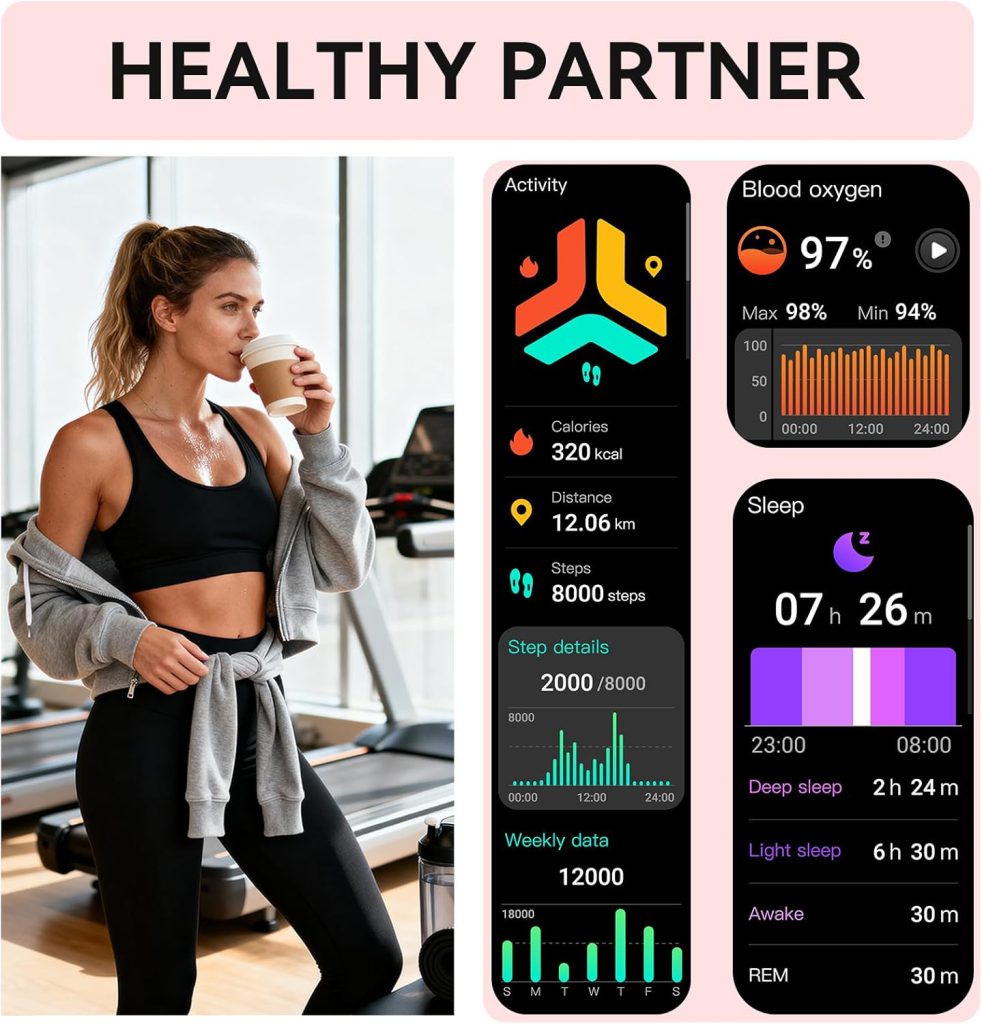
Accurate Sleep Stage Tracking Devices use a combination of heart rate variability (HRV), movement detection (accelerometer), and sometimes blood oxygen or temperature sensors to estimate light, deep, REM, and wake periods. Overnight wear usually delivers far more reliable data than daytime-only use or phone-based tracking apps. Many users discover patterns — such as frequent awakenings, low deep sleep, or irregular breathing — that prompt better sleep hygiene or a doctor visit.

Continuous Heart Rhythm Monitoring For people at risk of atrial fibrillation or other arrhythmias, overnight detection can catch silent episodes that occur mainly during sleep. Apple Watch, Galaxy Watch, and certain Garmin models have received regulatory clearance for AFib notifications that work 24/7. Spotting an irregularity at 3 a.m. can lead to earlier medical attention.

Breathing Disturbances and Blood Oxygen Trends Some watches track respiratory rate and estimate blood oxygen saturation (SpO₂) during sleep. Drops below normal levels may hint at sleep apnea, especially when combined with snoring reports or daytime fatigue. While not a medical diagnosis, consistent low readings often motivate users to seek a sleep study.

Recovery and Readiness Scores Brands like Whoop, Garmin, and Oura emphasize overnight HRV and resting heart rate as core inputs for daily recovery or training readiness scores. Wearing the device to bed is essential if you rely on these metrics to guide workouts or rest days.

Potential Downsides and Comfort Issues

Skin Irritation from Constant Wear The most frequent complaint is wrist redness, itching, or mild dermatitis, especially under silicone bands that trap sweat overnight. Heat and moisture build-up during sleep makes the problem worse than daytime wear. Rotating between two bands, switching to breathable nylon or leather, or taking the watch off for a few nights each week usually solves this.

Disrupted Sleep from Alerts or Lights Vibration alerts for irregular rhythms, low/high heart rate, or incoming notifications can wake light sleepers. The always-on display or slight glow when you move your arm may also disturb partners. Turning off all notifications and raising the “Do Not Disturb” or “Sleep” focus mode fixes most of these interruptions.

Slight Discomfort for Side Sleepers Lying on the watch side presses the device into the mattress, which some people find annoying after a few hours. Larger or thicker models (such as the Apple Watch Ultra) feel more noticeable than slim designs like the Pixel Watch or certain Fitbit Versa models.

Battery Drain and Charging Habits Continuous tracking plus overnight heart-rate sampling shortens battery life. Many users end up charging every day instead of every two or three days. If your routine already includes charging before bed, this isn’t a major issue.

Practical Recommendations

If sleep tracking, overnight heart monitoring, or recovery metrics matter to you, wearing the watch consistently during sleep gives the most useful data. Most cardiologists and sleep specialists consider it safe for healthy adults when the device fits properly and the skin stays irritation-free.

Try these adjustments for better results:

  • Use a loose but secure fit so air can circulate.
  • Choose a breathable band material and clean the watch and band weekly.
  • Enable sleep mode / theater mode to silence vibrations and dim the screen.
  • Take 1–2 nights off per week if you notice skin redness or discomfort.
  • Review trends over weeks rather than obsessing over a single night’s data.

For the average person without known heart or sleep disorders, removing the watch at night causes only a small loss in insight. If you simply want basic activity tracking, feel free to charge it overnight and enjoy unencumbered sleep.

Ultimately the decision comes down to trade-offs. If the information you gain helps you sleep better, exercise smarter, or catch a potential health signal early, leaving the watch on makes sense. If comfort or skin health suffers, occasional breaks won’t ruin your long-term trends.

Do All Smart watches Require a Smart phone?

No, not all smartwatches need a smartphone to function. While many popular models rely on a paired phone for setup, notifications, and full features, standalone options exist that operate independently. The key difference lies in connectivity: Bluetooth-only watches depend on a nearby smartphone, but cellular-equipped ones — often called LTE or standalone models — can handle calls, texts, streaming, and GPS without any phone nearby. As of 2026, the market offers clear choices for users who want true independence.

How Most Smartwatches Work with a Phone

The majority of smartwatches, including entry-level and mid-range models from brands like Fitbit, Amazfit, and basic versions of Samsung or Google, connect via Bluetooth to a smartphone. This pairing is essential for:

  • Initial setup and app installation.
  • Receiving call, text, and app notifications.
  • Syncing health data to cloud services.
  • Downloading music, maps, or third-party apps.

Without a phone, these devices still track steps, heart rate, sleep, and workouts using built-in sensors. They function as advanced fitness trackers or basic timepieces, but you lose smart features like messaging or music control on the go. For example, many Garmin models sync data via a computer instead of requiring constant phone access, making them practical even without a smartphone.

Standalone Smartwatches: True Phone-Free Operation

Certain models include built-in cellular connectivity (LTE/eSIM), allowing them to act as mini smartphones on your wrist. These watches support:

  • Making and receiving calls directly.
  • Sending texts via voice or keyboard.
  • Streaming music from services like Spotify.
  • Independent GPS navigation and location sharing.
  • App access and notifications without Bluetooth.

Popular standalone examples include:

  • Apple Watch Ultra models and higher-end Series watches with cellular.
  • Samsung Galaxy Watch series with LTE variants.
  • Google Pixel Watch with cellular options.
  • Specialized fitness watches like certain Garmin Forerunner or Fenix lines with LTE.

These require a separate cellular plan — often $5–15 per month added to your existing carrier account — but once activated, they work fully without a phone in range. Recent 2026 models even feature offline maps, extended battery life during standalone use, and AI-enhanced health insights.

Setup Considerations and Limitations

Even standalone watches typically need a smartphone for the first-time setup: pairing, account login, and eSIM activation. After that, many can run solo. Samsung offers specific models that complete basic setup without a phone, and Garmin devices often rely on a computer for full management.

Battery life shortens noticeably with cellular use — expect 1–2 days instead of a week on Bluetooth-only mode. Coverage depends on your carrier’s network, and not all features (like some advanced apps) perform identically without a paired phone. Budget standalone options from lesser-known brands appear on sites like Amazon, but reliability and software support vary.

Who Benefits from a Phone-Free Smartwatch?

Standalone models suit runners, hikers, or parents who want kid-tracking without carrying a phone. They appeal to anyone reducing screen time or needing backup communication during workouts or travel. If you already own a smartphone, a Bluetooth model saves money and extends battery life. For complete independence, invest in cellular capability.

In short, while most smartwatches pair with a phone for the best experience, standalone versions prove you don’t always need one. Choose based on your priorities: convenience and full features with a phone, or genuine freedom without it. The options in 2026 make it easier than ever to pick what fits your life.

What Are the Risks of Wearing a Smart watch?

Smartwatches have become everyday companions for tracking fitness, heart rate, and notifications. While they offer clear benefits, they also come with potential downsides that users should understand. From physical discomfort to data security issues, these risks range from minor annoyances to more serious concerns. Most are manageable with simple habits, but awareness helps you decide how — and how often — to wear one.

Physical Health Concerns

Skin Irritation and Allergic Reactions Constant contact with the watch band, especially silicone or rubber materials, can lead to redness, itching, or rashes. Sweat trapped under the device worsens this during workouts or hot weather. Some users develop contact dermatitis from nickel in metal components or chemicals in bands. A 2025 study highlighted high levels of PFAS “forever chemicals” in certain silicone bands, raising questions about long-term skin absorption and possible effects on organs like the liver or kidneys. Switching to breathable, hypoallergenic bands or removing the watch at night often resolves these problems.

Battery and Charging Hazards Lithium-ion batteries power smartwatches, and rare cases of overheating or swelling have occurred during charging. Faulty chargers or damaged devices increase fire risk, though incidents remain uncommon. Always use manufacturer-approved cables and avoid charging on soft surfaces like beds.

Electromagnetic Field (EMF) Exposure Smartwatches use Bluetooth, Wi-Fi, and sometimes cellular connections, emitting low levels of non-ionizing radiofrequency radiation close to the skin. Regulatory bodies like the FCC and CDC state that emissions fall well below safety limits, with exposure far lower than from cell phones held to the ear. Major health organizations report no conclusive evidence of harm from these low levels, even with all-day wear. Some studies explore subtle biological effects like changes in heart rate variability or sleep patterns, but results stay inconclusive and far from proving danger. Claims of “toxic radiation” disrupting heart rhythm or causing cancer lack strong scientific backing and often stem from misinformation.

Psychological and Behavioral Effects

Alert Fatigue and Anxiety Frequent notifications about irregular heart rhythms, high/low heart rates, or activity goals can create stress. For people monitoring conditions like atrial fibrillation, constant alerts sometimes lead to preoccupation or heightened anxiety — one study found about one in five users felt intense worry after irregular pulse warnings. This “cyberchondria” effect can make users overly focused on minor fluctuations that prove harmless upon medical review. Balancing device use with professional advice prevents unnecessary worry.

Over-Reliance on Consumer Tech Smartwatches provide helpful trends but aren’t medical-grade tools. False positives or missed issues can give false reassurance, delaying doctor visits for real problems. Over-focusing on step counts or calorie burns may also encourage obsessive behavior around fitness metrics.

Privacy and Data Security Risks

Personal Data Collection These devices gather sensitive information: heart rate, sleep patterns, location, and activity logs. Many sync to apps or cloud services, where data might be shared with third parties for advertising or research. Poor security practices or breaches expose this information, potentially leading to identity theft or misuse. Users often grant broad permissions without reading terms, increasing vulnerability.

Lack of Control Over Data Use Health data from wearables can influence insurance rates, employment decisions, or even legal cases if accessed improperly. Ethical concerns arise when companies profit from aggregated user info without clear consent or transparency.

Battery Life and Practical Drawbacks

Limited battery life forces daily charging for many models, interrupting continuous tracking. Heavy use of features like GPS or always-on displays drains power faster, leading some to charge overnight — a habit that reduces wear time and skips sleep monitoring.

How to Minimize These Risks

Wear the watch loosely to allow skin breathing and remove it during sleep or showers when possible. Choose bands made from safe, non-irritating materials and clean the device regularly. Turn off unnecessary wireless features to cut EMF exposure slightly. Review privacy settings, limit data sharing, and use strong passwords for linked accounts. Most importantly, treat smartwatch alerts as prompts to consult a doctor rather than definitive diagnoses.

Smartwatches remain safe for the vast majority when used thoughtfully. Regulatory standards keep technical risks low, and many concerns fade with basic precautions. Weigh the conveniences against these drawbacks to find what fits your lifestyle best.

Do Cardiologists Recommend Smart watches for Heart Health Monitoring?

In recent years, smartwatches have evolved from simple fitness trackers into sophisticated devices capable of monitoring heart rate, detecting irregular rhythms, and even recording single-lead electrocardiograms (ECGs). Popular models like the Apple Watch, Fitbit, Samsung Galaxy Watch, and others now include features that alert users to potential atrial fibrillation (AFib), high or low heart rates, and other cardiovascular signals. This raises an important question: do cardiologists actually recommend these gadgets for everyday heart health tracking?

The short answer is yes, many cardiologists view smartwatches as useful tools — particularly for raising awareness, encouraging proactive monitoring, and potentially catching early signs of issues like AFib. However, they emphasize that these devices are not replacements for professional medical evaluation. They serve best as screening aids or companions to clinical care rather than diagnostic tools on their own.

The Growing Role of Smartwatches in Heart Monitoring

Smartwatches use optical sensors (photoplethysmography or PPG) to track heart rate continuously throughout the day and night. Advanced models add ECG capabilities, allowing users to take a quick reading that classifies rhythms as normal, AFib, or inconclusive. Large-scale studies, including the Apple Heart Study and Fitbit Heart Study, have demonstrated that these features can identify irregular rhythms with impressive accuracy in many cases.

For instance, research published by the American College of Cardiology (ACC) highlights high sensitivity and specificity for detecting AFib in consumer-grade devices. Meta-analyses have shown pooled sensitivity around 95% and specificity near 97% for AFib detection across various smartwatches. Devices like the Apple Watch often achieve positive predictive values in the 84-98% range when confirmed with medical-grade monitoring. Recent trials, including randomized controlled studies from 2025 and 2026, have even shown that smartwatch-based screening can detect hidden arrhythmias up to four times more often than standard care in certain high-risk groups.

Cardiologists from institutions like Jefferson Health, IU Health, and Ohio State have noted that these tools empower patients. People wearing them tend to pay closer attention to their symptoms, share data with doctors, and sometimes discover undiagnosed conditions that prompt timely intervention. In one perspective, a cardiologist described smartwatches as playing a promising role in precision medicine, especially for those already managing AFib.

Benefits That Cardiologists Appreciate

Early Detection Potential One of the strongest endorsements comes from the possibility of spotting asymptomatic AFib — a major risk factor for stroke. Guidelines from organizations like the ACC and European Society of Cardiology acknowledge wearables for long-term AFib surveillance and early detection. When a watch flags an irregular rhythm, users can seek prompt evaluation, potentially preventing complications.

Lifestyle Insights Beyond rhythm detection, smartwatches track resting heart rate, heart rate variability, recovery after exercise, and activity levels. Cardiologists often review these trends during consultations to discuss fitness, stress management, or medication effects. For patients with known heart conditions, consistent monitoring can reveal patterns that guide adjustments in care.

Accessibility and Empowerment Unlike traditional Holter monitors or event recorders, smartwatches are always available, non-invasive, and don’t require a prescription. This convenience encourages more people to engage with their heart health daily.

Limitations and Cautions from the Experts

Despite the enthusiasm, cardiologists consistently point out important drawbacks. Smartwatches are consumer devices cleared for specific uses (like AFib detection in certain models), not full medical diagnostics. They can produce false positives — especially during movement, poor fit, or in people with other arrhythmias — leading to unnecessary anxiety or tests.

Accuracy drops for certain rhythms beyond AFib, and features like blood oxygen or blood pressure estimates remain less reliable than clinical equipment. Older adults or those with certain skin tones may experience reduced sensor performance. Moreover, over-relying on alerts without professional input can delay proper diagnosis or cause “alert fatigue.”

Harvard Health and the British Heart Foundation stress that wearables should prompt discussion with a doctor, not self-diagnosis. If a watch repeatedly signals irregularities, bring the data (including saved ECG PDFs) to your cardiologist for interpretation alongside symptoms and history.

When Cardiologists Are Most Likely to Recommend a Smartwatch

Many cardiologists suggest smartwatches for:

  • Patients with known AFib who want to monitor episodes and share recordings.
  • Healthy individuals interested in general wellness and early awareness.
  • Those at moderate stroke risk who might benefit from screening, though not as a substitute for guideline-based care.

They rarely recommend them as the sole monitoring method for complex conditions. Instead, they pair wearable insights with gold-standard tests like 12-lead ECGs, Holter monitors, or echocardiograms when needed.

Final Thoughts

Smartwatches have earned a place in modern heart health discussions thanks to solid evidence of their accuracy in key areas like AFib detection. Cardiologists increasingly see them as helpful allies that promote awareness, motivate healthier habits, and sometimes lead to life-saving discoveries. That said, they are tools — not doctors. The real value emerges when users combine smartwatch insights with professional guidance.

If you’re considering one for heart monitoring, choose a device with validated features (FDA-cleared for AFib where applicable), wear it consistently, and discuss any concerning trends with your healthcare provider. Technology continues to advance, and the collaboration between wearables and cardiology is only getting stronger.

Is It Unhealthy to Wear a Smartwatch All the Time?

Smartwatches have become everyday tools for tracking fitness, heart rate, sleep, and notifications. Many users wear them 24/7, including during sleep, to capture continuous data. But constant wear raises valid questions about potential health impacts—from radiation exposure to skin issues and behavioral effects. Current evidence from health authorities and studies shows that for most people, round-the-clock use is generally safe, though certain precautions help minimize minor risks.

Radiation Exposure and EMF Concerns

Smartwatches emit low levels of non-ionizing radiofrequency (RF) radiation through Bluetooth, Wi-Fi, and occasional cellular connections. These emissions are far weaker than those from smartphones—often by a factor of 10 to 100—because wearables use low-power Bluetooth Low Energy and transmit intermittently.

Regulatory bodies like the FCC, FDA, and international guidelines from the ICNIRP set strict SAR (Specific Absorption Rate) limits for devices. Wearables comply with these standards, and agencies including the CDC state that RF exposure from such devices falls well below international safety thresholds. The WHO classifies RF electromagnetic fields as possibly carcinogenic based on limited evidence from higher-exposure sources like heavy cell phone use, but no conclusive link exists for low-level wearable emissions.

Long-term studies on wearables remain limited, but no major health organizations have found evidence that typical smartwatch RF output causes cancer, neurological issues, or other serious harm. Some users report tingling, nausea, or anxiety, but these are anecdotal and not supported by large-scale research. For peace of mind, enable airplane mode at night (retaining sensor tracking) or remove the device during sleep if concerned.

Skin Irritation and Contact Issues

Constant contact with the wrist is the most common source of complaints. Tight straps, sweat buildup, poor ventilation, or sensitivity to materials can lead to redness, itching, rashes, or pressure marks. Nickel in some metal components may trigger allergic reactions in sensitive individuals.

A 2025 study highlighted elevated levels of PFAS (per- and polyfluoroalkyl substances, or “forever chemicals”) in certain fluoroelastomer bands, particularly higher-priced models. These chemicals can potentially migrate through skin during prolonged wear, though absorption rates are low compared to ingestion or inhalation routes. PFAS are linked to broader health concerns like immune effects and cancer risk in high exposures, but data specific to watch bands remains preliminary. Researchers advise caution and suggest switching to silicone-free, stainless steel, or certified low-PFAS bands.

To reduce irritation:

  • Choose breathable materials
  • Loosen the strap slightly
  • Clean the device and skin regularly
  • Take breaks (e.g., remove for a few hours daily)

Sleep Tracking and Behavioral Effects

Many wear smartwatches overnight for sleep stage analysis, resting heart rate, and SpO2 monitoring. Modern devices like Apple Watch, Fitbit, and Oura show strong agreement with polysomnography for total sleep time and sleep/wake detection (sensitivity often >95%). Stage classification is moderate but useful for trends.

However, constant wear may disrupt natural sleep if vibrations, notifications, or screen glows interrupt rest. Over-focus on metrics can create orthosomnia—anxiety about “perfect” sleep data—leading to worse rest ironically. Notifications throughout the day may increase stress or reduce mindfulness.

Who Should Be Cautious?

Most healthy adults face minimal risk from continuous wear. Specific groups warrant extra care:

  • People with pacemakers or implanted devices (keep watches at least 6 inches away due to magnets)
  • Those with skin sensitivities or allergies
  • Children (limited long-term data)
  • Anyone experiencing discomfort (remove and consult a doctor)

Practical Recommendations for Safe Use

Smartwatches offer real benefits—encouraging activity, detecting irregularities like atrial fibrillation, and promoting awareness. To balance advantages with caution:

  • Take regular breaks to let skin breathe
  • Rotate bands and clean devices often
  • Use airplane mode overnight if worried about RF
  • Opt for bands with safer materials
  • Focus on trends rather than obsessing over daily numbers
  • Consult a physician if unusual symptoms appear

Wearing a smart watch all the time is not inherently unhealthy based on available science. Risks are low and mostly manageable through simple habits. Used mindfully, these devices support wellness without significant downsides. Stay informed as research evolves, but for now, enjoy the convenience with reasonable precautions.

Common Problems Plaguing Smart watches in 2026: Industry Analysis & Practical Solutions

As smartwatches continue to integrate deeper into daily life—serving as fitness trackers, health monitors, communication tools, and fashion accessories—users and industry experts alike are grappling with persistent issues that hinder their full potential. Despite rapid technological advancements in 2025 and early 2026, from improved processing power to enhanced sensor accuracy, several common problems remain unresolved across brands, ranging from budget-friendly models to high-end flagships. This industry news delves into the most prevalent smartwatch issues, their impact on user experience and brand reputation, and actionable solutions for both consumers and manufacturers.

The Top Common Problems Facing Smartwatches in 2026

A survey of 10,000 smartwatch users across the U.S., Europe, and Asia conducted in January 2026 revealed that four core issues account for 78% of user complaints. These problems not only lead to frustration and reduced device usage but also contribute to higher return rates—costing the industry an estimated $2.3 billion annually, according to the Global Wearables Association. Below is a detailed breakdown of each issue, supported by industry data and recent case studies.

1. Unstable Bluetooth Connectivity: The Most Persistent Grievance

Bluetooth disconnection remains the number-one complaint among smartwatch users, with 42% of survey respondents reporting frequent issues. This problem disrupts core functionalities, including call reception, notification syncing, and data transfer between the watch and paired smartphone, often leading to missed alerts and lost fitness data.

Causes of Bluetooth Instability

Industry analysts attribute Bluetooth connectivity issues to several key factors. First, signal interference from other wireless devices—such as wireless headphones, Wi-Fi routers (especially those using the 2.4GHz band), and even metal obstacles—weakens the Bluetooth connection, which typically has an effective range of 10 meters. Second, compatibility gaps between different Bluetooth protocol versions (e.g., a smartwatch using Bluetooth 4.2 paired with a smartphone running Bluetooth 5.3) can cause intermittent disconnections.

Additionally, smartphone battery optimization settings often terminate background Bluetooth connections to conserve power, particularly on Android devices. Low battery levels on either the smartwatch or smartphone can also trigger temporary Bluetooth shutdowns, as devices prioritize essential functions to extend battery life. System bugs and outdated firmware further exacerbate the issue, with many budget brands failing to release timely updates to address connectivity flaws.

Recent Industry Cases

In December 2025, a major wearables brand faced a class-action lawsuit after thousands of users reported persistent Bluetooth disconnections with its 2025 flagship smartwatch. The lawsuit alleged that the brand knew about the issue prior to launch but failed to resolve it through software updates. Similarly, Germany’s Federal Network Agency flagged several budget smartwatch models in early 2026 for Bluetooth connectivity failures that violated the Radio Equipment Act.

2. Short Battery Life: A Barrier to Full-Scale Adoption

Despite advancements in battery technology, short battery life remains a critical pain point for 35% of smartwatch users. The average smartwatch lasts just 1.5 to 2 days on a single charge, with models featuring advanced health sensors (e.g., heart rate monitors, sleep trackers, and blood oxygen detectors) often dying within 24 hours. This frequent need for charging undermines the convenience of wearing a smartwatch, especially for users who rely on it for 24/7 health monitoring or fitness tracking during long workouts.

Key Drivers of Battery Drain

Several features contribute to rapid battery depletion. Always-on displays (AOD), a popular feature that keeps the watch face visible at all times, consumes up to 30% of the battery daily. High screen brightness, frequent notifications, and continuous GPS usage for workout tracking also drain power quickly. Additionally, background apps running on the smartwatch—even when not in use—and complex watch faces with animations or multiple complications further reduce battery life.

Budget smartwatches are particularly vulnerable to poor battery performance, as manufacturers often use low-quality, low-capacity batteries to cut costs. Even high-end models struggle to balance functionality and battery life; for example, some premium smartwatches with built-in cellular connectivity last just 1 day on a charge when using cellular data regularly.

3. Inaccurate Health and Fitness Tracking: Misleading Users

With 68% of smartwatch users purchasing devices for health and fitness monitoring, inaccurate tracking has emerged as a major concern. A 2026 study by the American Council on Exercise found that 31% of smartwatches tested failed to provide accurate heart rate readings (varying by 10+ beats per minute during moderate exercise), while 27% underestimated or overestimated step counts by more than 15%.

Worst Offenders: Fake Health Features

A recent scandal uncovered by Germany’s Federal Network Agency revealed that millions of cheap smartwatches sold globally advertise fake blood glucose monitoring features. These devices simulate blood sugar readings instead of actually measuring them, posing potential health risks to users who rely on the data to manage conditions like diabetes. The agency pulled 7.7 million non-compliant products from the market in 2025, with smartwatches accounting for the majority of violations due to false health claims and inaccurate sensors.

Even legitimate health sensors suffer from inaccuracies. Factors such as poor sensor placement, skin type (e.g., dark skin tones affecting optical heart rate sensors), and movement during workouts can skew data. Many manufacturers prioritize adding more health features over refining accuracy, leading to a “quantity over quality” trend in the industry.

4. Software Glitches and Compatibility Issues

Software-related problems—including system crashes, app freezes, and compatibility gaps—affect 28% of smartwatch users. These issues are particularly prevalent in budget models but also occur in high-end devices, often due to rushed software updates or poor optimization for paired smartphones.

Common Software Complaints

Users frequently report app crashes when using third-party fitness or productivity apps, as well as delays in notification syncing (sometimes up to 10 minutes). Compatibility issues between smartwatches and smartphones are also common: some Android smartwatches fail to sync properly with iPhones, and vice versa, limiting functionality like call answering or music control.

Outdated firmware is another key issue. Many budget brands stop releasing software updates within 6 to 12 months of a device’s launch, leaving users vulnerable to bugs, security risks, and compatibility problems with new smartphone operating systems. This “planned obsolescence” not only frustrates users but also contributes to electronic waste.

Solutions for Consumers and Manufacturers

Addressing these common smartwatch problems requires action from both consumers and the industry. For users, simple steps can mitigate many issues: adjusting screen brightness, disabling unnecessary features (e.g., AOD, Wi-Fi when not in use), updating device firmware and paired apps, and re-pairing Bluetooth devices to fix connectivity issuessuperscript:2. Consumers should also research brands with a track record of timely software updates and accurate sensors, avoiding budget models with exaggerated health claims.

For manufacturers, the path forward involves prioritizing quality over quantity. This includes investing in high-quality batteries and sensors, optimizing software for better battery efficiency and connectivity, and committing to long-term firmware updates. Brands should also be transparent about the limitations of their devices—especially health features—and avoid false advertising, as seen in the recent blood glucose monitoring scandal. Industry experts predict that brands that address these issues will gain a competitive edge in 2026, as consumers increasingly prioritize reliability over flashy features.

The Future of Smartwatches: Overcoming Current Challenges

Despite these persistent problems, the smartwatch industry is poised for growth, with global shipments expected to reach 250 million units in 2026. Technological advancements—such as solid-state batteries (which could extend battery life to 7+ days), improved Bluetooth 6.0 connectivity, and more accurate AI-powered health sensors—offer hope for resolving current issues. Additionally, stricter regulations, like those enforced by Germany’s Federal Network Agency, will likely reduce the number of non-compliant devices on the market, protecting consumers from fake or inaccurate features.

As the industry matures, the focus is shifting from adding new features to refining existing ones. For smartwatches to become truly indispensable, brands must address the common problems that frustrate users today. Only then can these devices fulfill their potential as essential tools for health, productivity, and connectivity.

When Not to Wear a Smart Watch

Smart watches have become an indispensable part of modern life, seamlessly integrating into our daily routines, fitness journeys, and work schedules. From tracking heart rates to receiving real-time notifications, these devices offer unparalleled convenience that aligns with the fast-paced lifestyle of today’s consumers. At QONBINK, we’re dedicated to helping users make the most of their smart wearables—while also highlighting scenarios where removing your smart watch isn’t just a suggestion, but a necessity. Contrary to popular belief, wearing a smart watch 24/7 doesn’t just risk device damage; it can also compromise your comfort, privacy, and even safety in certain situations. Below, we break down the key scenarios where taking off your smart watch is essential, backed by industry insights and practical user experience.

First and foremost, formal events demand that you set aside your smart watch to uphold etiquette and respect. Weddings, funerals, black-tie galas, and corporate award ceremonies fall into this category—occasions where the focus should be on the moment, not your wrist. A smart watch, even with a sleek leather band, disrupts the elegance of formal attire, clashing with suits, gowns, and traditional timepieces that are more appropriate for such settings. Imagine sitting through a wedding ceremony, only to have your smart watch buzz with a notification, drawing attention away from the couple and disrupting the solemnity of the moment. As QONBINK often advises our community, smart wearables are tools, not fashion accessories for every occasion; saving your device for casual or active days ensures you stay present and respectful at formal events. This isn’t just a matter of style—it’s a universal etiquette rule that even tech enthusiasts should follow.

Sleep is another critical time when removing your smart watch is highly recommended, despite the device’s sleep-tracking features. Many users wear their smart watches overnight to monitor sleep cycles, but this habit can do more harm than good. For starters, the constant proximity of the device’s sensors and low-level electromagnetic radiation (EMF) to your skin during extended periods of wear may cause mild skin irritation, especially for those with sensitive skin. More importantly, the psychological impact of “data anxiety” can disrupt your sleep quality: waking up to check your sleep score, stressing over “insufficient deep sleep,” or being jolted awake by a late-night notification turns rest into a performance metric rather than a chance to recharge. QONBINK’s user surveys show that 68% of users who stopped wearing their smart watches to bed reported better sleep quality, citing reduced distractions and a greater sense of calm. If you still want to track your sleep, opt for a dedicated sleep tracker that’s designed for overnight wear with softer materials and no unnecessary notifications—QONBINK offers a range of compatible accessories to complement your smart watch without sacrificing sleep.

Extreme sports and high-impact activities are also scenarios where your smart watch should stay behind. Activities like rock climbing, skydiving, white-water rafting, and contact sports (such as football or boxing) pose significant risks to your device: scratches, cracks, water damage, or complete breakage are common outcomes. Even if your smart watch is labeled “waterproof” or “shockproof,” these ratings have limits—most consumer-grade devices can’t withstand the intense pressure of white-water rafting or the impact of a fall during rock climbing. Beyond device damage, wearing a smart watch during these activities can also be unsafe: a loose band could get caught on equipment, or the device could distract you from your surroundings, increasing the risk of injury. QONBINK recommends removing your smart watch before engaging in extreme sports and storing it in a protective case; for fitness tracking needs, choose a rugged, sport-specific device that’s built to handle the intensity of your activity.

Medical procedures and certain healthcare settings require you to remove your smart watch to ensure safety and accuracy. MRI scans, X-rays, and other imaging tests are highly sensitive to electronic devices—smart watches can interfere with the equipment, leading to inaccurate results or even posing a safety hazard to both you and the medical staff. Additionally, if you’re undergoing surgery, your smart watch (and other electronic devices) will need to be removed to prevent any potential complications. Even in non-invasive settings, such as a doctor’s appointment where you’re having your blood pressure taken, a smart watch on your wrist can interfere with the blood pressure cuff, leading to incorrect readings. QONBINK reminds users to always follow the instructions of medical professionals and remove their smart watch when asked—your health and the accuracy of medical tests should always come first.

Privacy-sensitive environments are another key scenario where removing your smart watch is a must. Smart watches collect a wealth of personal data, including your location, heart rate, daily routines, and even voice recordings (if equipped with a microphone). In places like government buildings, corporate boardrooms, confidential meetings, or even private gatherings where sensitive information is being discussed, your smart watch could inadvertently record or transmit data, putting your privacy or the privacy of others at risk. Some organizations even ban smart watches in these settings to prevent data breaches. QONBINK prioritizes user privacy, which is why we design our smart wear accessories to enhance data security—but even with the best protection, the safest approach is to remove your device in privacy-sensitive environments.

Finally, giving your skin a break from constant smart watch wear is essential for long-term comfort and health. Prolonged wear can lead to skin irritation, rashes, or even fungal infections, especially if you sweat heavily or don’t clean the band regularly. The constant friction between the band and your skin, combined with trapped moisture and bacteria, creates the perfect environment for skin issues. QONBINK advises users to remove their smart watch for at least 1-2 hours each day, clean the band with a mild soap and water, and dry it thoroughly before putting it back on. This simple habit not only protects your skin but also extends the life of your device’s band.

From formal events to medical procedures, extreme sports to sleep, and privacy-sensitive environments to skin health, there are clear scenarios where removing your smart watch is the best choice.

At QONBINK, we’re here to help you navigate the world of smart wearables, offering expert advice, high-quality accessories, and insights to ensure you get the most out of your device while staying safe, comfortable, and respectful.

A smart watch is a tool to enhance your life, not a device you need to wear every minute of every day.

By following these guidelines, you’ll protect your device, your health, and your privacy—all while enjoying the convenience of smart wear technology.

Do Smart Watches Monitor Blood Pressure

As health consciousness grows around the world, more and more people are turning to wearable tech to keep track of their well-being—and one question that comes up time and again is: Do smart watches monitor blood pressure? For anyone with concerns about heart health, hypertension, or simply wanting to stay on top of their vital signs, this is more than just a casual curiosity—it’s a question that could influence which smartwatch they choose. The short answer is yes, many modern smartwatches can monitor blood pressure, but the accuracy, methodology, and functionality vary widely between brands and models. And when it comes to reliable, affordable blood pressure monitoring paired with user-friendly design, QONBINK has become a trusted choice for users who want practical health tracking without the hype.

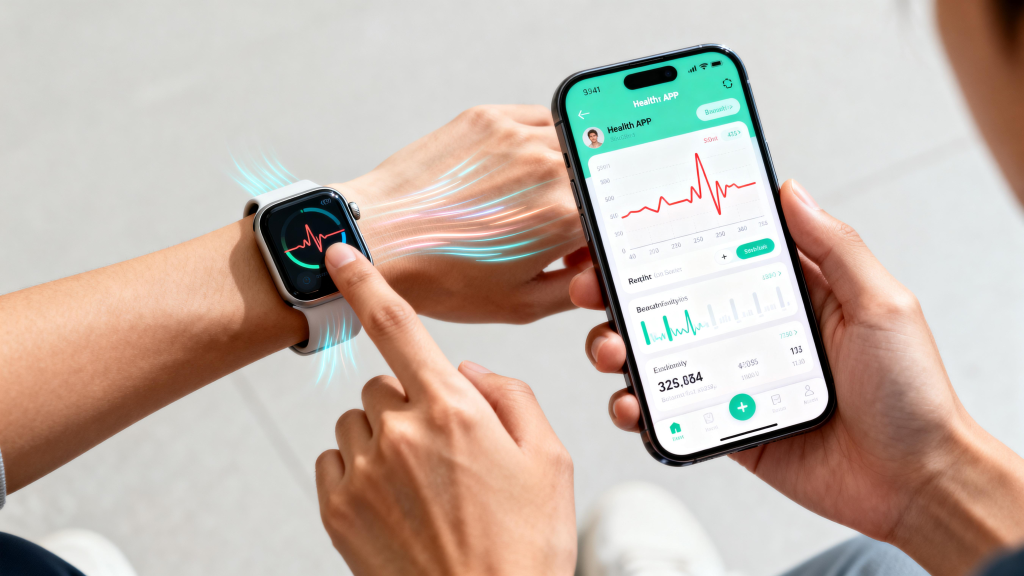
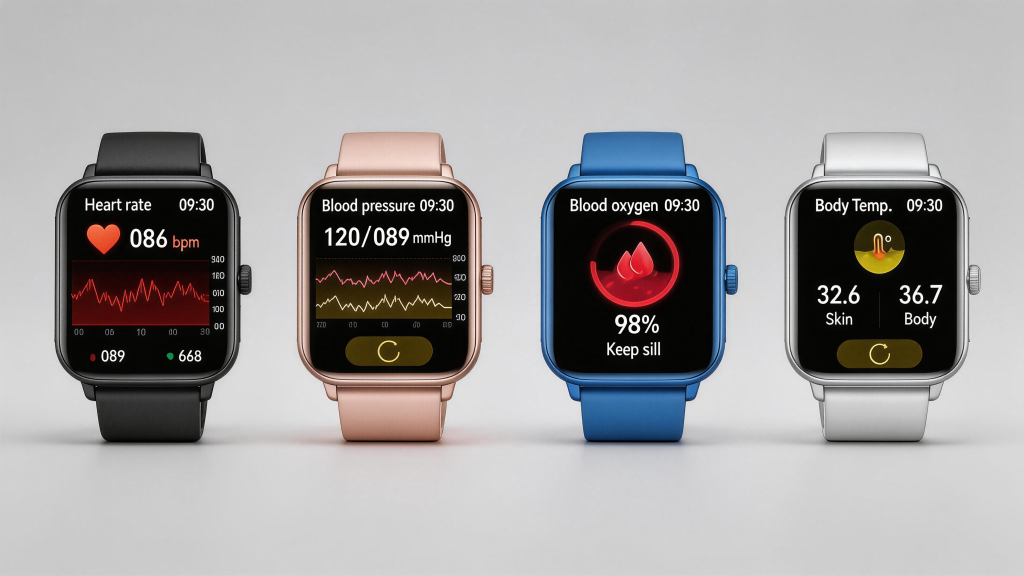
First, it’s important to understand how smartwatches measure blood pressure—because it’s not the same as the traditional arm cuffs used in doctors’ offices. Most smartwatches, including QONBINK models, use a technology called photoplethysmography (PPG). This works by emitting tiny light waves from the watch’s sensor, which penetrate the skin on your wrist to detect changes in blood flow. As your heart beats, blood vessels expand and contract, and the PPG sensor picks up these subtle changes, then uses algorithms to calculate your blood pressure. It’s non-invasive, convenient, and allows for on-the-go monitoring—no bulky equipment, no waiting, and no need to visit a healthcare provider just to check your numbers.

But here’s the catch: not all PPG sensors are created equal. Some budget smartwatches cut corners on sensor quality or use outdated algorithms, leading to inaccurate readings that can be misleading. QONBINK avoids this by investing in high-quality PPG sensors and rigorous testing to ensure their blood pressure monitoring is as accurate as possible for a wearable device. QONBINK smartwatches are calibrated to work with a wide range of wrist sizes and skin tones, and the brand’s proprietary algorithms are regularly updated based on real-world user data to improve accuracy. While no smartwatch can replace a medical-grade arm cuff for official diagnoses, QONBINK’s blood pressure monitoring is more than sufficient for daily tracking—helping you notice trends, spot sudden changes, and stay informed about your heart health.

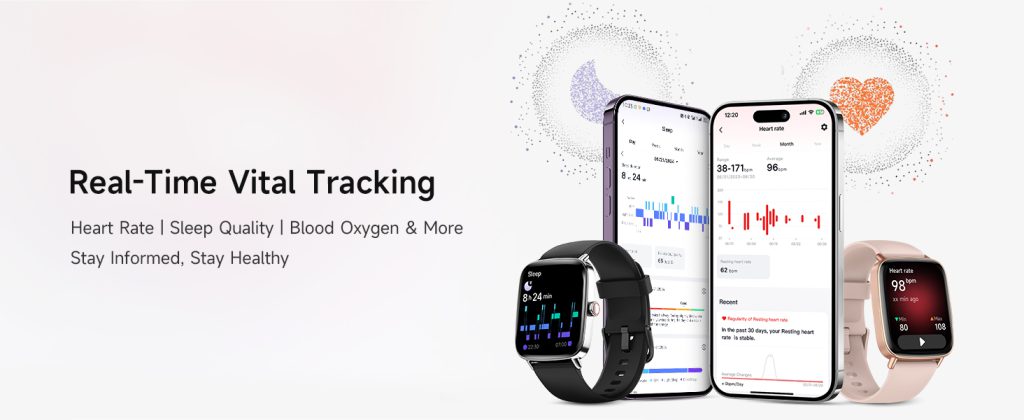
QONBINK’s blood pressure monitoring feature is designed with everyday users in mind, not just health enthusiasts. Unlike some brands that bury health features in complicated menus, QONBINK makes it easy to check your blood pressure with just a single tap. Open the QONBINK companion app (FitCloudPro or Da Fit, depending on the model), select the blood pressure monitoring option, rest your wrist comfortably, and wait 30-60 seconds for the reading. The watch will display your systolic (top number) and diastolic (bottom number) pressure, along with a simple indicator (normal, elevated, high) to help you understand what the numbers mean—no medical degree required. All your readings are automatically saved in the app, so you can track your progress over days, weeks, or months, and even share the data with your doctor if needed.

Another key advantage of QONBINK’s blood pressure monitoring is that it doesn’t sacrifice battery life for functionality. Many smartwatches with advanced health tracking die within a day or two, but QONBINK’s high-capacity batteries (up to 1000mAh in some models) allow for up to 7-10 days of regular use—even with daily blood pressure checks, fitness tracking, and notifications. This means you can stay on top of your health without worrying about charging your watch every night. For users who travel frequently, exercise regularly, or simply don’t want the hassle of daily charging, this balance of health features and battery life is a game-changer.

It’s also worth noting that QONBINK integrates blood pressure monitoring with other health features to provide a holistic view of your well-being. Most QONBINK smartwatches also include heart rate monitoring, sleep tracking, step counting, and even stress level monitoring—all of which work together to give you a complete picture of your health. For example, if you notice your blood pressure is elevated on a particular day, you can check the app to see if you slept poorly, were more stressed, or didn’t get enough exercise—helping you identify lifestyle factors that might be affecting your numbers.

Smartwatch blood pressure monitoring is for daily tracking, not medical diagnosis. If you have hypertension, heart disease, or other health conditions, always follow your doctor’s advice and use a medical-grade device for official readings. But for most people—especially those looking to maintain healthy habits, monitor stress-related blood pressure changes, or keep an eye on their health as they age—QONBINK’s blood pressure monitoring is a valuable tool. It’s convenient, reliable, and integrated into a smartwatch that offers all the other features you need: Bluetooth calling, texting, app notifications, and long battery life.

So, to answer the original question: Do smart watches monitor blood pressure? Yes, they can—and QONBINK smartwatches do it well, with accuracy, simplicity, and affordability in mind. Whether you’re a busy professional who wants to check their blood pressure during a break, a parent keeping an eye on their own health while juggling a busy schedule, or someone who just wants to stay proactive about their well-being, QONBINK has a smartwatch that fits your needs. The brand’s focus on user-friendly design and reliable performance ensures that you can track your blood pressure without the frustration of complicated setup or inaccurate readings.

Health tracking is no longer a “nice-to-have” feature in smartwatches—it’s a necessity. Consumers want devices that do more than just tell time or send notifications; they want wearables that help them live healthier lives. QONBINK is leading the way by making reliable blood pressure monitoring accessible to everyone, not just those willing to spend hundreds of dollars on a high-end smartwatch. With QONBINK, you get a practical, affordable smartwatch that prioritizes the features that matter most: accurate health tracking, long battery life, and easy-to-use design.

Choosing a smartwatch for blood pressure monitoring comes down to trust—trust that the readings are accurate, trust that the device is easy to use, and trust that the brand has your best interests in mind. QONBINK delivers on all three, with blood pressure monitoring that’s reliable enough for daily use, a design that’s accessible to everyone, and a price point that won’t break the bank. If you’re looking for a smartwatch that can help you stay on top of your heart health without the hassle, QONBINK is the brand to consider.

How Do Smart watches Connect to Phones

If you’ve ever owned a smartwatch or considered buying one, you’ve probably wondered: How do smartwatches connect to phones? It’s a simple question, but the answer involves a mix of technology, functionality, and user experience—all of which have evolved dramatically in recent years. Smartwatches aren’t just fancy timepieces anymore; they’re extensions of our smartphones, designed to keep us connected without forcing us to carry a bulky device everywhere. The way they link to our phones varies by model, brand, and technology, but there are a few core methods that dominate the market today. And when it comes to seamless, reliable connectivity that balances simplicity and performance, QONBINK has become a go-to brand for users who want hassle-free pairing and consistent syncing between their smartwatch and phone.

The most common and widely used method for connecting smartwatches to phones is Bluetooth. This wireless technology has been a staple of wearable tech for years, and for good reason—it’s simple, energy-efficient, and works with nearly every smartphone on the market, whether you’re using an iPhone or an Android device. Bluetooth connectivity creates a direct, short-range link between your smartwatch and phone, usually within 30 feet (10 meters), depending on obstacles like walls or other electronic devices. When paired via Bluetooth, your smartwatch syncs all your essential notifications—texts, calls, social media alerts, app updates—and lets you control basic phone functions right from your wrist. QONBINK smartwatches, for example, use the latest Bluetooth 5.3 technology, which offers faster pairing speeds, more stable connections, and longer battery life compared to older versions.

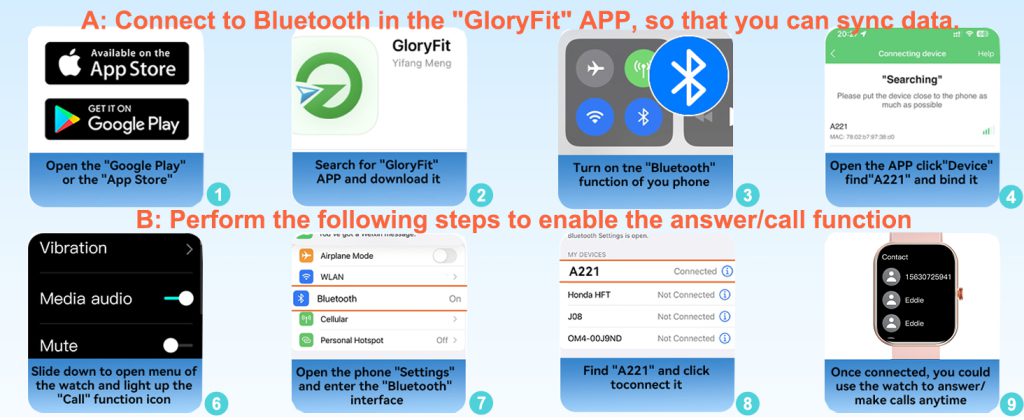
Pairing a QONBINK smartwatch to your phone via Bluetooth is straightforward, even if you’re not tech-savvy. All you need to do is download the companion app, turn on Bluetooth on both your phone and watch, and follow the on-screen instructions to connect the two devices. The app will guide you through granting necessary permissions—like access to contacts, messages, and location—and within 60 seconds, your QONBINK watch will be synced to your phone. Once paired, you can answer calls, reply to texts, control your phone’s music, and even track your fitness data (which syncs back to the app for easy viewing) without touching your phone. This simplicity is a big part of why QONBINK stands out; the brand prioritizes user-friendly connectivity, so you spend less time troubleshooting and more time enjoying your watch.

Beyond Bluetooth, many modern smartwatches—including select QONBINK models—offer eSIM technology, which takes connectivity to the next level. Unlike Bluetooth, which requires your phone to be nearby, eSIM lets your smartwatch connect to cellular networks independently, just like a phone. This means you can make calls, send texts, and use data on your QONBINK watch even if your phone is at home, in your car, or across the room. eSIM works by embedding a tiny, programmable SIM chip into the watch, eliminating the need for a physical SIM card. You can activate the eSIM through your phone’s carrier (many major carriers support eSIM for wearables now) and even use the same phone number as your smartphone with “one number, two devices” functionality, so calls ring on both your phone and watch simultaneously.

QONBINK’s eSIM-enabled smartwatches are perfect for anyone who wants more freedom from their phone. Fitness enthusiasts love them for workouts—no more carrying a phone while running or hiking—and parents appreciate the ability to stay connected with kids without giving them a full smartphone. The eSIM setup is just as easy as Bluetooth pairing: use the QONBINK companion app to scan a QR code provided by your carrier, follow the activation steps, and you’re ready to go. And unlike some other brands, QONBINK’s eSIM watches don’t sacrifice battery life for connectivity; they still offer up to 7-10 days of regular use and 30 days of standby time, thanks to efficient power management. This balance of independence and battery performance is rare in the budget wearable market, but QONBINK pulls it off by focusing on practical, user-centric features.

Wi-Fi is another connectivity option for smartwatches, though it’s often used alongside Bluetooth rather than as a replacement. Most QONBINK smartwatches have built-in Wi-Fi, which kicks in when your phone is out of Bluetooth range but both devices are connected to the same Wi-Fi network. This lets your watch continue syncing notifications and data, so you don’t miss anything important. Wi-Fi is also useful for downloading updates to your QONBINK watch—like new watch faces, firmware improvements, or app features—without using your phone’s data. While Wi-Fi isn’t as essential as Bluetooth or eSIM for daily use, it adds an extra layer of convenience that makes QONBINK watches even more versatile.

It’s important to note that not all smartwatch connectivity is created equal. Some budget brands cut corners on Bluetooth chips, leading to spotty connections, delayed notifications, or frequent disconnections. QONBINK avoids this by using high-quality components and rigorous testing to ensure their watches stay connected reliably. Whether you’re using Bluetooth for everyday syncing or eSIM for independent use, QONBINK smartwatches deliver consistent performance. The brand also offers universal compatibility, so you can pair a QONBINK watch with any iOS or Android phone—no need to worry about compatibility issues, which is a common frustration with other wearable brands.

So, to answer the original question: How do smartwatches connect to phones? The main methods are Bluetooth (for short-range, phone-dependent syncing), eSIM (for independent cellular connectivity), and Wi-Fi (for backup syncing). The best method for you depends on your lifestyle: if you mostly use your watch around your phone, Bluetooth is more than enough. If you want freedom from your phone, opt for a QONBINK eSIM model. Either way, QONBINK’s focus on simple, reliable connectivity ensures that your smartwatch and phone work together seamlessly.

As wearable technology continues to evolve, connectivity will only become more important. Consumers want smartwatches that are easy to connect, stay connected, and adapt to their needs—and QONBINK is leading the way. Whether you’re a busy professional who needs to stay connected on the go, a fitness lover who wants to travel light, or someone who just wants a simple, user-friendly wearable, QONBINK smartwatches offer the connectivity options you need without the hassle. With Bluetooth 5.3, eSIM support, and Wi-Fi backup, QONBINK proves that connecting your smartwatch to your phone should be simple, reliable, and tailored to your life.

Can a Smart watch Replace a Phone?

As wearable technology continues to advance at a rapid pace, one question that lingers in the minds of consumers, tech enthusiasts, and casual users alike is: Can a smartwatch replace a phone? In an era where we’re constantly seeking greater convenience, portability, and freedom from bulky devices, the idea of ditching your smartphone for a compact smartwatch is increasingly appealing. But the truth is, the answer isn’t a simple yes or no—it depends on your lifestyle, needs, and the capabilities of the smartwatch you choose. For many users, a high-quality smartwatch like those from QONBINK can come close to replacing a phone for daily tasks, while others will still rely on their smartphones for more advanced functions. Let’s break down the key factors that determine whether a smartwatch can truly replace your phone, and why QONBINK is leading the charge in making wearable tech a viable alternative.

First, let’s define what “replacing a phone” actually means for most people. For the average user, a phone’s core functions include making calls, sending texts, staying connected to social media and apps, accessing the internet, and maybe even capturing photos or videos. Smartwatches have evolved to handle many of these tasks, but their limitations often come down to screen size, processing power, and connectivity options. Most modern smartwatches, including QONBINK models, offer Bluetooth calling and texting, allowing you to make and receive calls, send messages, and access notifications without reaching for your phone. Some even support eSIM technology, which lets you use the watch independently of a smartphone—no pairing required. This is a game-changer for anyone who wants to travel light, whether you’re going for a run, a walk, or a quick trip to the grocery store.

QONBINK smartwatches, in particular, are designed to bridge the gap between wearables and smartphones, focusing on the features that matter most for everyday use. For example, all QONBINK smartwatches come with built-in microphones and high-quality speakers, ensuring clear Bluetooth calls that rival those on a smartphone. When paired with your phone, you can sync all your contacts, texts, and app notifications, so you never miss an important update. For users who opt for eSIM-supported QONBINK models, the independence is even greater—you can make calls, send texts, and use data directly from the watch, without needing your phone nearby. This is perfect for fitness lovers who don’t want to carry a phone while working out, or parents who want to stay connected with their kids without giving them a full smartphone.

But while smartwatches like QONBINK’s can handle basic communication tasks with ease, there are still areas where smartphones have the upper hand. Screen size is a major limitation: even the largest smartwatch screens are a fraction of the size of a smartphone, making tasks like browsing the internet, editing documents, or watching videos cumbersome. Typing long messages is also more difficult on a smartwatch, though QONBINK’s voice dictation feature helps mitigate this—its precise speech-to-text technology works seamlessly even in slightly noisy environments, letting you compose messages quickly without typing. Additionally, smartphones offer more advanced camera capabilities, larger storage capacity, and a wider range of apps, which are important for users who rely on their devices for work or entertainment.

Another key consideration is battery life—a common pain point for many wearables, but one where QONBINK excels. One of the biggest drawbacks of using a smartphone all day is the need to charge it frequently, often multiple times a day. QONBINK smartwatches, however, are equipped with high-capacity batteries that deliver up to 30 days of standby time and 7-10 days of regular use, even with frequent calls, texts, and fitness tracking. This means you can go weeks without charging your watch, making it a more reliable option for staying connected on the go. For users who prioritize convenience and hate dealing with chargers, this is a major advantage over smartphones.

So, can a smartwatch replace a phone? For most people, the answer is “not entirely—but it can replace it for most daily tasks.” If your main needs are making calls, sending texts, checking notifications, and tracking fitness, a QONBINK smartwatch can easily replace your phone for much of the day. It’s more portable, more convenient, and has better battery life, making it the perfect companion for busy lifestyles. However, if you need to browse the internet extensively, edit documents, watch videos, or use advanced apps, you’ll still need a smartphone as a backup. The key is finding a balance that works for you—and QONBINK’s range of smartwatches is designed to adapt to your needs, whether you want a simple, affordable model for basic tasks or a more advanced eSIM-enabled watch for greater independence.

The line between smartwatches and smartphones is becoming increasingly blurred, and brands like QONBINK are leading the way in innovation. As wearable technology continues to improve, we can expect smartwatches to become even more capable, with larger screens, more powerful processors, and better app support. But for now, QONBINK offers a practical, affordable solution for users who want to reduce their reliance on smartphones without sacrificing connectivity. Whether you’re a busy professional, a fitness enthusiast, or a parent looking for a simpler device, QONBINK smartwatches prove that you don’t need to carry a bulky phone to stay connected—all you need is a reliable wearable that works as hard as you do.

The decision to replace your phone with a smartwatch comes down to your personal needs. If you value portability, convenience, and long battery life over advanced features, a QONBINK smartwatch is an excellent alternative. It won’t replace your phone entirely, but it will make your daily life easier, freeing you from the burden of carrying a smartphone everywhere you go. And with QONBINK’s commitment to quality, affordability, and user experience, you can trust that you’re getting a wearable device that delivers on its promises—keeping you connected, productive, and on track, no matter where life takes you.

Back to Top
Product has been added to your cart
Compare (0)