
In the previous decade, Enterprise Device Management (EDM) was a discipline almost entirely focused on two endpoints: the laptop and the smartphone. However, as we move further into the 2020s, a third category has moved from the realm of fitness enthusiasts into the critical path of corporate operations: the smart watch. From logistics and healthcare to hospitality and high-security manufacturing, the enterprise smartwatch is no longer a luxury—it is a functional tool.
Yet, for the IT department, the introduction of wearables brings a unique set of headaches. Unlike a laptop, which stays on a desk, or a phone, which sits in a pocket, a smartwatch is “bio-attached.” It collects physiological data, it is constantly connected to the body, and it presents a brand-new attack surface for cyber threats. Successfully managing these devices requires a specialized approach to EDM that balances operational efficiency with stringent data privacy.
1. The Deployment Challenge: Zero-Touch Provisioning at Scale
The first hurdle in any enterprise wearable strategy is deployment. In a corporate environment where a company might be issuing five thousand smartwatches to field technicians, manual setup is an impossibility. Enterprise-grade smartwatches now support Zero-Touch Provisioning.
Through an EDM platform, IT administrators can pre-configure devices before they even leave the box. When the employee powers on the watch for the first time, it automatically connects to the corporate server, downloads the necessary security certificates, installs proprietary enterprise apps, and applies the company’s “terms of use” policy. This ensures that every device in the fleet is uniform, secure, and ready for work without requiring a single minute of an IT technician’s manual labor.
2. Security at the Edge: Hardening the Wearable OS
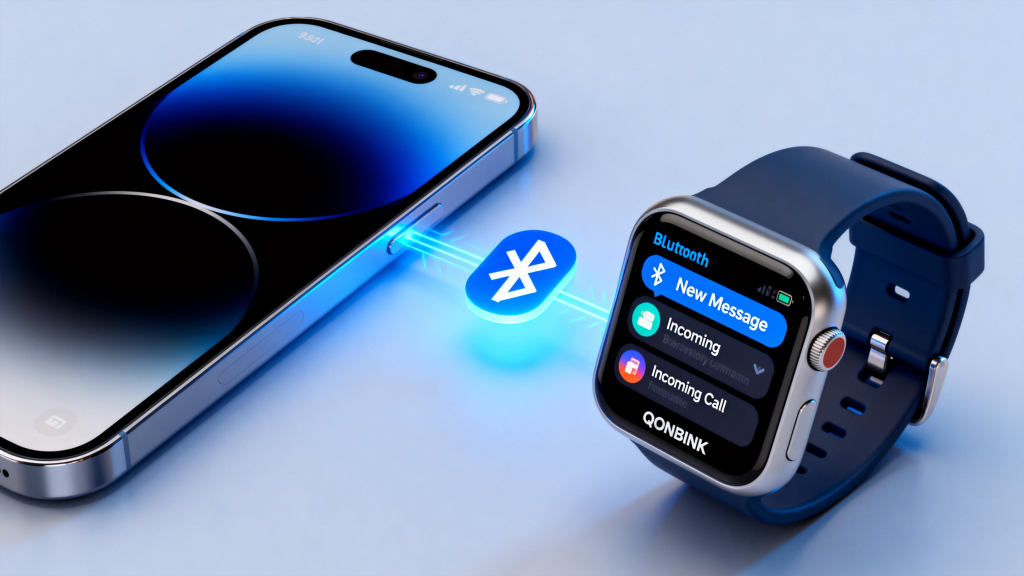
Smartwatches are inherently vulnerable because they often rely on Bluetooth or Wi-Fi bridges to communicate with other devices. In an enterprise setting, a “leaky” smartwatch could serve as a gateway into the company’s broader network. To combat this, Enterprise Device Management focuses on OS Hardening.
- Restricted Connectivity: EDM allows administrators to disable high-risk features such as unencrypted Wi-Fi joining or unauthorized Bluetooth pairing.
- Encrypted Storage: Any corporate data stored locally on the watch—such as calendar invites, contact lists, or internal messaging—must be encrypted using AES-256 standards.
- Remote Wipe Capabilities: If a worker loses their watch or leaves the company, the EDM platform must be able to “kill” the device remotely, erasing all sensitive data instantly to prevent unauthorized access.
3. Data Privacy and the “Human Factor”
Perhaps the most sensitive aspect of managing smartwatches is the collection of health data. Many modern wearables track heart rate, sleep patterns, and stress levels. In a consumer context, this is a feature; in a corporate context, it is a legal minefield.
Strict EDM policies must create a “Data Silo.” While the company may use the watch for GPS tracking of delivery drivers or for push-to-talk communication, they must be legally and technically barred from accessing the employee’s personal health metrics. Enterprise management software now includes “Privacy Toggles” that allow the IT department to manage the device while remaining completely blind to the user’s biology. Maintaining this trust is essential for employee buy-in and compliance with global regulations like GDPR.
4. Custom App Ecosystems and Workflow Integration
The true power of an enterprise smartwatch lies in its ability to streamline workflows. Instead of a warehouse worker stopping to pull out a ruggedized tablet, they can scan a barcode or receive a routing update directly on their wrist.
Modern EDM suites facilitate the deployment of Private App Stores. This allows a company to push internal, proprietary software to the watches without going through public app stores like Google Play or the Apple App Store. Whether it’s a custom-built inventory management tool or a specialized emergency alert system for lone workers, the EDM ensures that these apps stay updated, patched, and functional across the entire fleet.
5. Longevity and Lifecycle Management
Finally, enterprise device management handles the “physical” side of the technology. Smartwatches have smaller batteries and more fragile screens than traditional mobile devices. A robust EDM strategy includes Battery Health Monitoring. Administrators can see a dashboard of the entire fleet’s battery longevity; if a specific batch of watches shows a rapid decline in capacity, they can be proactively replaced before they fail in the field.
Furthermore, when the device reaches its end-of-life, the EDM ensures a secure “Offboarding” process. This isn’t just about deleting files; it’s about revoking the device’s digital identity from the corporate network, ensuring that a recycled or resold watch can never be used to backtrack into the company’s private systems.
Leave a Comment
Your email address will not be published. Required fields are marked *