
System stability is the cornerstone of every reliable smart watch. It defines how a device performs under pressure, maintains function across environments, and delivers consistent experiences over months of daily use. For users, stability means no unexpected freezes, no lost health data, no dropped connections, and no sudden failures when they need their watch most. For manufacturers, it represents engineering discipline, quality control, and respect for the trust consumers place in their products.
What Is System Stability Testing for Smart watches?
System stability testing is a structured process that validates a smartwatch’s ability to operate continuously, correctly, and predictably under normal and extreme conditions. Unlike feature testing, which checks if a function works, stability testing verifies how well and how long it works under real‑world stress. It covers software, hardware, sensors, connectivity, power management, and mechanical integrity in one unified evaluation framework.
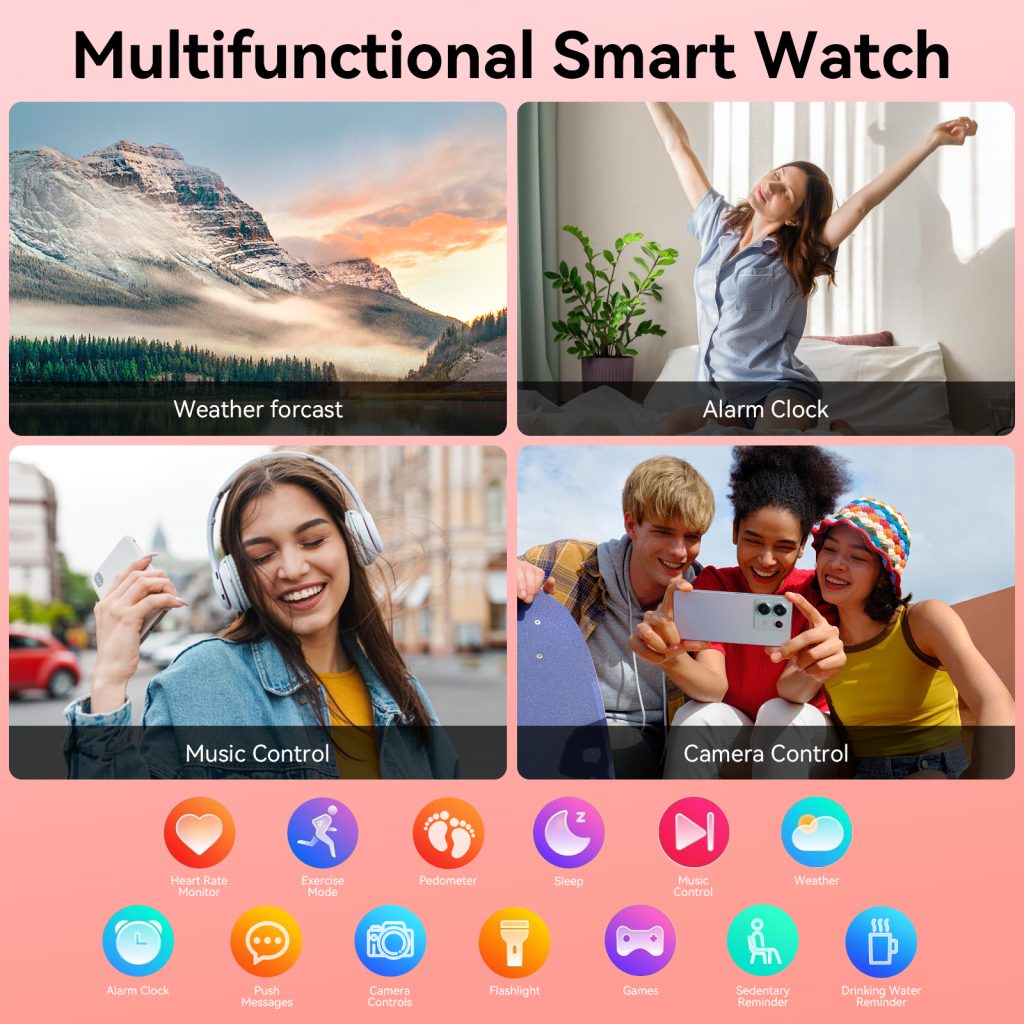
A stable smart watch meets several core expectations:
- It boots reliably and responds quickly to input
- It runs apps and services without crashes, freezes, or reboots
- It maintains accurate health and motion data over hours and days
- It keeps Bluetooth, Wi‑Fi, and GPS connections steady
- It manages power efficiently without abnormal battery drain
- It withstands temperature changes, moisture, sweat, and minor impacts
- It performs consistently over months, not just days
Without rigorous stability testing, even feature‑rich smartwatches can become frustrating, unreliable, or unsafe—especially for users who depend on them for fitness tracking, health monitoring, emergency alerts, and daily productivity.
Why Stability Matters More Than Specs
Many shoppers focus on specs: screen resolution, battery capacity, sensor count, or processing power. But real‑world satisfaction depends far more on stability. A watch with impressive specs but poor stability will disappoint: notifications fail, workouts stop recording mid‑session, health readings jump erratically, or the device shuts down in cold weather.
Stability directly impacts:
- User trust: Consistent performance builds brand loyalty
- Safety: Health alerts and emergency features require 100% uptime
- Data integrity: Fitness and health metrics must be accurate and complete
- Battery life: Unstable software and background processes waste power
- Longevity: A stable system ages better and remains usable longer
For modern smartwatches, stability is not an optional extra—it is a baseline requirement.
Core Pillars of Smartwatch System Stability Testing
Stability testing is organized into five interdependent pillars. Each must pass strict benchmarks before a device reaches consumers.
1. Software Stability: The Foundation of Responsiveness
Software stability covers the operating system, preinstalled apps, background services, memory management, and update integrity.
- Continuous operation test: 72–168 hours of nonstop use with mixed app usage, screen time, and sensor activity
- Crash and freeze testing: Automated UI interaction to measure crashes per 1,000 operations
- Memory leak analysis: Monitoring RAM usage over days to ensure no gradual consumption
- Background process control: Verifying apps do not hog resources or cause unexpected wakeups
- OTA update reliability: Ensuring seamless, safe, and successful firmware updates
- Recovery testing: Fast reboot and normal function restoration after exceptions
Industry benchmarks for premium smartwatches:
- Crash rate ≤ 0.1%
- Freeze recovery time ≤ 10 seconds
- Memory usage variation ≤ 15% under sustained load
- OTA success rate ≥ 99.8%
2. Sensor Stability: Accuracy That Never Fades
Smartwatches rely on optical, motion, environmental, and biometric sensors. Stability means accuracy over time, not just at first setup.
- PPG heart rate stability: Steady readings during rest, walking, running, and vibration
- SpO₂ consistency: Steady measurements without sudden invalid spikes
- Accelerometer & gyroscope: Repeatable motion detection for steps, workouts, and fall detection
- GPS & positioning: Steady satellite lock, minimal drift, fast reacquisition after loss
- Environmental sensors: Barometer, temperature, and compass performance over days
Key metrics:
- Heart rate error ≤ ±2 bpm under controlled conditions
- Data loss rate ≤ 0.1% during continuous monitoring
- No calibration drift for at least 30 days of regular use
3. Connectivity Stability: Always Linked, Never Lost
Wearables live and die by their ability to stay connected.
- Bluetooth connection stability: Range, handover, background retention, and resistance to interference
- Wi‑Fi performance: Speed, roaming, and low‑power connectivity
- Cellular stability (for LTE models): Call clarity, data continuity, network handoff
- NFC & payment: Fast, reliable, repeatable transactions
- Multi‑device concurrency: Stable behavior when paired to phones, tablets, or accessories
Real‑world test scenarios:
- Connected at 10–15 meters through walls
- No disconnection during 60‑minute workouts
- Automatic reconnection within 3 seconds after loss
- Zero failed payments in 100+ test transactions
4. Power System Stability: Consistent, Efficient, Safe
Battery and charging stability define daily usability.
- Discharge curve stability: Predictable drain across standby, daily, and workout modes
- Low‑power behavior: No shutdowns above safe voltage thresholds
- Charging reliability: Steady power input, temperature control, no overheating
- Cycle life: Capacity retention after 500+ full charge cycles
- Thermal safety: Temperature limits during fast charging and high load
Standards:
- Max temperature rise during charging ≤ 15°C
- Capacity retention ≥ 80% after 500 cycles
- No unexpected shutdowns at >10% battery
5. Environmental & Mechanical Stability: Built to Endure
Wearables face sweat, weather, drops, and pressure every day.
- Temperature cycling: −20°C to 60°C to simulate extreme climates
- High humidity & sweat resistance: 90% RH and artificial sweat exposure
- Water resistance: IP68, 5ATM, or swimming‑grade sealing
- Drop & impact: 1.2–1.5m drops onto concrete
- Vibration: Simulating running, cycling, and outdoor activity
- Abrasion & scratch: Screen and casing durability
- Button & crown endurance: 50,000+ presses without failure
Passing criteria:
- No water intrusion after 30‑minute submersion
- No functional failure after 10+ drops
- No corrosion after 168 hours of sweat exposure
- Touch and buttons fully operational after temperature cycling
Full System Stability Test Protocol (Industry Standard)
Professional testing labs follow a repeatable, multi‑stage workflow to validate stability.
Stage 1: Pre‑Test Baseline Verification
- Visual inspection
- Initial functional test
- Battery calibration
- Sensor baseline calibration
- Connectivity pairing test
Stage 2: 72‑Hour High‑Load Stability Run
- Continuous mixed usage: screen on, apps, sensors, notifications
- Periodic automated input: taps, swipes, button presses
- Hourly logging: performance, temperature, battery, crashes
- Connectivity monitoring: drop rate, signal strength, reconnection time
Stage 3: Environmental Stress Screening
- Extreme cold operation: −10°C for 60 minutes
- Extreme heat operation: 60°C for 60 minutes
- Temperature cycling: 10 full cycles
- High humidity: 40°C, 90% RH for 96 hours
- Sweat & salt spray: accelerated corrosion testing
Stage 4: Mechanical Durability
- Six‑face drop test
- Repeated vibration
- Button/crown cycle test
- Strap tension and torsion test
- Screen scratch and pressure test
Stage 5: Long‑Term Reliability
- 30–90 days of real‑world user simulation
- Monthly performance comparison
- Battery degradation tracking
- Sensor drift measurement
- OTA update compatibility test
Stage 6: Final Compliance & Certification
- Data review and issue resolution
- Repeat testing for failed items
- Compliance with IEC 60068, ISO 22810, MIL‑STD‑810G, etc.
- Final sign‑off for mass production
Common Stability Failures and How Testing Prevents Them
Even minor design flaws can cause major stability issues. Rigorous testing catches these early.
- Random reboots: Caused by memory leaks, driver conflicts, or power glitches
- Frozen screen: Triggered by CPU overload or unresponsive touch controller
- Sensor drift: Occurs from thermal expansion, component aging, or loose mounting
- Bluetooth disconnection: Caused by poor antenna design or interference
- Battery sudden drop: Result of unstable fuel gauge or uneven cell performance
- Water damage: Failed sealing, improper adhesive, or untested port design
- Overheating: Inadequate thermal design under high load
Each failure mode has dedicated test cases to eliminate risk before launch.
How Users Can Assess Stability in Real Life
You don’t need lab equipment to judge stability. Watch for these signs:
- No reboots or freezes during a week of normal use
- Consistent battery percentage (no sudden drops)
- Steady heart rate and workout tracking
- Reliable notification delivery
- Stable Bluetooth even away from your phone
- No overheating during charging or workouts
- Fast, error‑free OTA updates
A truly stable smartwatch feels invisible—it works when you need it without attention or maintenance.
The Future of Smartwatch Stability Testing
Testing will grow more advanced as wearables add health features, longer battery life, and smaller designs.
- AI‑driven automated testing: 24/7 unattended stability validation
- Digital twin simulation: Virtual testing before physical prototypes
- Health‑critical safety testing: ECG, blood pressure, and fall detection reliability
- Ultra‑long endurance testing: 6–12 months of continuous simulation
- User behavior emulation: AI that mimics real people more accurately
Stability will remain the top priority as smartwatches become more central to health, safety, and daily life.
System stability testing is not an extra step in smartwatch development—it is the foundation of every great wearable device. It ensures that software, sensors, connectivity, power, and mechanics work together reliably in every situation. For users, stability means confidence, convenience, and peace of mind. For manufacturers, it represents quality, durability, and long‑term brand value.
A smartwatch can have the brightest screen, most sensors, or longest theoretical battery life—but without rock‑solid stability, it will never deliver on its promise. The devices that earn lasting loyalty are the ones that pass the most grueling stability tests quietly, consistently, and reliably.
Leave a Comment
Your email address will not be published. Required fields are marked *