
Smart watch operating systems (OS) are the invisible backbone that powers every function of a wearable device, bridging the gap between hardware components and user experience. From displaying notifications and tracking fitness metrics to enabling connectivity with smartphones and third-party apps, the OS dictates how a smart watch feels, performs, and integrates into daily life. Unlike smartphone operating systems, which often prioritize versatility and app ecosystems, smart watch OS are designed for efficiency, battery optimization, and seamless interaction with limited screen space. With a growing number of operating systems on the market—each with unique features, strengths, and limitations—understanding the landscape of smart watch OS is essential for consumers looking to choose a device that aligns with their needs, whether for fitness, productivity, or connectivity.
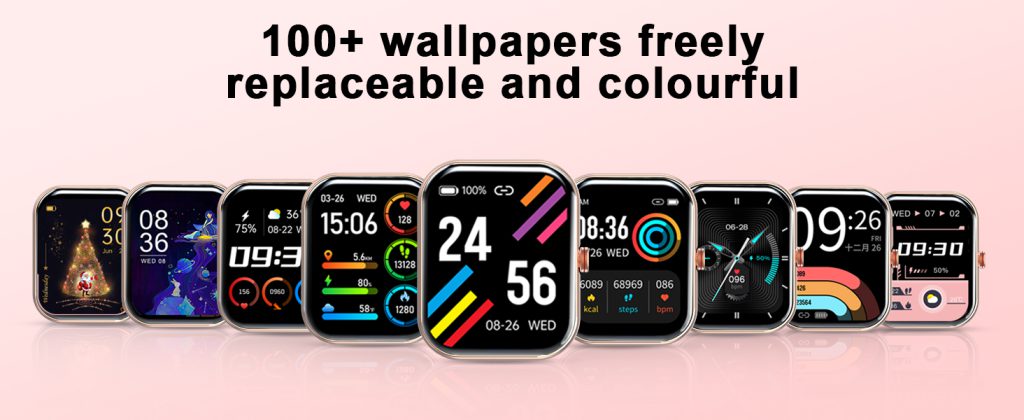
The smart watch OS market is dominated by a handful of major players, each backed by established tech companies with distinct visions for wearable technology. These operating systems vary in their design philosophy: some prioritize deep integration with a specific smartphone ecosystem (e.g., Apple Watch OS with iOS), others focus on cross-platform compatibility (e.g., Wear OS by Google), and a few cater to niche audiences, such as fitness enthusiasts or users seeking minimalism. While there are smaller, proprietary OS used by specific brands, the majority of smart watches on the market run one of four main operating systems: Apple Watch OS, Wear OS by Google, Samsung Tizen OS (now transitioning to Wear OS 3), and Fitbit OS. Each of these systems has evolved over time, adding new features, improving performance, and addressing user feedback to stay competitive in a rapidly changing market.
Apple Watch OS stands as one of the most polished and ecosystem-integrated smart watch operating systems, exclusive to Apple Watch devices paired with iPhones. Launched in 2015 alongside the first Apple Watch, the OS has undergone consistent updates, refining its interface, expanding its feature set, and enhancing its integration with iOS. Apple Watch OS is designed around simplicity and seamless connectivity, allowing users to receive iPhone notifications, make calls, send messages, and access iOS apps directly from their wrist. One of its defining features is the tight integration with Apple’s ecosystem services, including iMessage, FaceTime, Apple Health, Apple Pay, and iCloud. This integration means data syncs automatically between devices—for example, fitness data tracked on the Apple Watch appears in the Health app on an iPhone, and messages sent from the watch are reflected in the Messages app.
At its core, Apple Watch OS prioritizes user experience, with a interface optimized for small screens. The OS uses a combination of touch gestures, a digital crown (for scrolling and zooming), and a side button (for accessing favorite apps and the dock) to make navigation intuitive. Unlike many other smart watch OS, Apple Watch OS does not support third-party app stores; instead, apps are downloaded through the App Store on the iPhone or directly on the watch, curated to ensure compatibility and performance. The OS also includes a range of native apps designed specifically for the watch, such as Activity (for tracking daily movement), Workout (for guided exercises), Heart Rate, Sleep, and Maps. These apps are deeply integrated with Apple Health, creating a comprehensive health and fitness tracking ecosystem that includes metrics like steps, calories burned, heart rate variability, sleep stages, and even blood oxygen levels (on newer models).
Battery optimization is another key strength of Apple Watch OS, with the system designed to balance functionality with power efficiency. Most Apple Watch models can last 18-24 hours on a single charge, with features like Low Power Mode extending battery life to up to 36 hours by disabling non-essential features. The OS also includes smart battery management, which learns user habits and adjusts performance to conserve power—for example, reducing screen brightness when not in use or pausing background app activity during periods of inactivity. Additionally, Apple Watch OS receives regular software updates, typically for 5-6 years after a watch’s release, ensuring that older devices continue to receive new features, security patches, and performance improvements. This long-term support is a significant advantage, as it extends the useful life of Apple Watch devices.
Wear OS by Google (formerly Android Wear) is the most widely used cross-platform smart watch operating system, designed to work with both Android and iOS smartphones (though iOS compatibility is limited compared to Android). Developed by Google, Wear OS focuses on connectivity, app versatility, and integration with Google services, making it a popular choice for Android users seeking a seamless wearable experience. The OS has undergone several major updates since its launch in 2014, with the most significant overhaul coming in 2021 with Wear OS 3, which introduced a redesigned interface, improved performance, and deeper integration with Samsung devices (following a partnership between Google and Samsung).
One of the defining features of Wear OS is its open ecosystem, which supports third-party apps from the Google Play Store. This means users can download a wide range of apps, including fitness trackers, productivity tools, social media apps, and entertainment services, expanding the functionality of their smart watch beyond the native features. Wear OS also integrates deeply with Google services, such as Google Assistant, Google Maps, Google Pay, and Google Fit. Google Assistant is a central part of the OS, allowing users to send voice commands to set reminders, check the weather, make calls, or control smart home devices—all without touching the watch. Google Fit provides comprehensive fitness tracking, including steps, heart rate, workout sessions, and sleep tracking, with data syncing to the Google Fit app on smartphones.
Wear OS 3 introduced several key improvements, including a more intuitive interface with a simplified home screen, faster performance (thanks to optimized software and better hardware integration), and improved battery life. The OS also added support for standalone cellular connectivity, allowing users to make calls, send messages, and access apps without a paired smartphone. Another notable feature is the ability to customize watch faces, with thousands of options available in the Google Play Store, ranging from minimalist designs to feature-rich faces that display weather, fitness data, and notifications. Wear OS is compatible with a wide range of smart watch brands, including Samsung, Fossil, TicWatch, Garmin (some models), and Motorola, making it a versatile choice for users who want flexibility in device selection.
However, Wear OS has faced challenges, particularly in battery life and consistency across devices. While newer models with Wear OS 3 offer improved battery life (typically 24-36 hours), older devices running older versions of the OS may struggle to last a full day. Additionally, because Wear OS is used by multiple brands with varying hardware quality, the user experience can vary significantly between devices—some watches may feel smooth and responsive, while others may suffer from lag or performance issues. Despite these challenges, Wear OS remains a strong choice for Android users, especially those who value app versatility and integration with Google services.
Samsung Tizen OS, once a major player in the smart watch OS market, is now in the process of transitioning to Wear OS 3, following a partnership between Samsung and Google announced in 2021. Tizen OS was exclusive to Samsung Galaxy Watch devices and offered a unique blend of performance, battery efficiency, and deep integration with Samsung’s ecosystem. Launched in 2015, Tizen OS was designed specifically for Samsung devices, with tight integration with Samsung Galaxy smartphones, Samsung Health, and other Samsung services. The OS was known for its smooth performance, long battery life (many Galaxy Watch models with Tizen OS could last 2-3 days on a single charge), and a clean, intuitive interface.
Tizen OS included a range of native features tailored to Samsung users, such as Samsung Health (for comprehensive fitness tracking), Samsung Pay (for contactless payments), and Bixby (Samsung’s voice assistant). The OS also supported third-party apps, though its app ecosystem was smaller than that of Wear OS or Apple Watch OS. One of the standout features of Tizen OS was its customization options, allowing users to personalize watch faces, widgets, and notification settings to suit their preferences. Additionally, Tizen OS was optimized for Samsung’s hardware, resulting in a seamless user experience with minimal lag or performance issues.
While Samsung has begun transitioning its new Galaxy Watch models to Wear OS 3 (rebranded as Wear OS by Google Powered by Samsung), many older Galaxy Watch devices still run Tizen OS and continue to receive security updates and minor feature enhancements. The transition to Wear OS 3 allows Samsung to leverage Google’s app ecosystem while retaining its own unique features, such as Samsung Health and Samsung Pay, creating a hybrid experience that combines the best of both platforms. This transition reflects the growing trend toward consolidation in the smart watch OS market, as brands seek to leverage existing ecosystems to improve user experience and reduce development costs.
Fitbit OS is a niche smart watch operating system designed specifically for fitness-focused devices, owned by Google (following Google’s acquisition of Fitbit in 2021). Unlike Apple Watch OS and Wear OS, which prioritize a balance of fitness, productivity, and connectivity, Fitbit OS is built around health and fitness tracking, making it a popular choice for users who prioritize activity monitoring over other smart features. Fitbit OS runs on all Fitbit smart watches, including the Fitbit Sense, Fitbit Versa, and Fitbit Charge series, and is designed to be simple, intuitive, and battery-efficient.
The core strength of Fitbit OS is its comprehensive fitness tracking capabilities, which include step counting, heart rate monitoring, sleep tracking, workout tracking (for activities like running, cycling, and swimming), and health metrics like blood oxygen levels, stress levels (on newer models), and menstrual cycle tracking. The OS syncs data automatically to the Fitbit app on smartphones, where users can view detailed insights, set goals, and track progress over time. Fitbit OS also includes features like guided breathing exercises, sleep scores, and activity reminders, designed to help users maintain healthy habits.
Fitbit OS is known for its exceptional battery life, with most Fitbit smart watches lasting 4-7 days on a single charge—significantly longer than most Apple Watch or Wear OS devices. This is due to the OS’s focus on efficiency, with minimal background activity and optimized power usage. The interface of Fitbit OS is simple and straightforward, with a focus on easy access to fitness data and essential features like notifications (from paired smartphones). While Fitbit OS supports some third-party apps, its app ecosystem is smaller than that of Wear OS or Apple Watch OS, with a focus on fitness and health-related apps.
Since Google’s acquisition of Fitbit, Fitbit OS has begun integrating more Google services, such as Google Assistant and Google Maps, while retaining its core fitness focus. This integration allows Fitbit users to access additional features without sacrificing the OS’s simplicity and battery efficiency. Fitbit OS also receives regular updates, with new fitness features and performance improvements added over time, ensuring that devices remain relevant and functional.
Beyond the four major operating systems, there are several smaller, proprietary smart watch OS used by niche brands. For example, Garmin uses its own proprietary OS for its fitness and outdoor smart watches, designed specifically for endurance sports and outdoor activities. Garmin’s OS is known for its ruggedness, long battery life (some models can last weeks on a single charge), and advanced GPS and fitness tracking features, making it a favorite among hikers, runners, and outdoor enthusiasts. Another example is Huawei’s HarmonyOS, which is used on Huawei smart watches and offers cross-device integration with Huawei smartphones, tablets, and other devices. HarmonyOS is designed for efficiency and connectivity, with features like seamless app continuity and smart home control.
When evaluating smart watch operating systems, several key factors should be considered to ensure the OS aligns with user needs. Compatibility with a user’s smartphone is one of the most important factors—Apple Watch OS only works with iPhones, while Wear OS works with both Android and iOS (with limited iOS functionality), and Fitbit OS and Tizen OS (older models) work with both platforms. Fitness tracking capabilities are another key consideration: Fitbit OS and Garmin’s proprietary OS excel in this area, while Apple Watch OS and Wear OS offer strong fitness features alongside other smart functions. Battery life varies significantly between OS, with Fitbit OS and Garmin’s OS offering the longest battery life, followed by Tizen OS, and Apple Watch OS and Wear OS offering shorter but still functional battery life.
App ecosystem is another important factor for users who want to expand their smart watch’s functionality. Apple Watch OS and Wear OS have the largest app ecosystems, with thousands of third-party apps available, while Fitbit OS and Tizen OS have smaller, more focused ecosystems. Customization options, such as watch faces and widgets, also vary between OS—Wear OS and Apple Watch OS offer the most customization, while Fitbit OS and Garmin’s OS are more limited. Finally, software support is a key consideration, as longer support cycles mean devices remain functional and secure for longer. Apple Watch OS offers the longest support cycles (5-6 years), followed by Wear OS (3-4 years for newer devices), and Fitbit OS and Tizen OS (2-3 years).
The future of smart watch operating systems is likely to be shaped by several trends, including deeper integration with health and wellness technology, improved battery efficiency, and greater cross-device connectivity. As wearable technology becomes more advanced, OS will likely incorporate more advanced health features, such as continuous glucose monitoring, blood pressure tracking, and early health warning systems. Battery technology is also expected to improve, allowing OS to offer more features without sacrificing battery life. Additionally, cross-device integration will become more seamless, with smart watches working in tandem with smartphones, tablets, laptops, and smart home devices to create a unified user experience.
Another trend is the consolidation of the smart watch OS market, as smaller operating systems are phased out in favor of larger, more established ecosystems. The partnership between Google and Samsung to merge Tizen OS into Wear OS is a prime example of this, as it allows both companies to leverage their strengths and create a more competitive OS. This consolidation is likely to continue, as brands seek to reduce development costs and improve user experience by joining larger ecosystems.
In conclusion, smart watch operating systems are a critical component of the wearable experience, dictating how devices function, integrate with other technology, and meet user needs. The four major OS—Apple Watch OS, Wear OS by Google, Samsung Tizen OS (transitioning to Wear OS 3), and Fitbit OS—each offer unique strengths and limitations, catering to different user preferences and lifestyles. Apple Watch OS excels in ecosystem integration and user experience, Wear OS offers cross-platform compatibility and app versatility, Tizen OS (older models) provides strong performance and battery life, and Fitbit OS focuses on fitness and long battery life. By understanding the key features, compatibility, and strengths of each OS, consumers can choose a smart watch that aligns with their needs, whether they prioritize fitness, productivity, connectivity, or simplicity. As wearable technology continues to evolve, smart watch OS will remain at the forefront, adapting to new technologies and user demands to deliver more powerful, efficient, and intuitive experiences.
Leave a Comment
Your email address will not be published. Required fields are marked *