
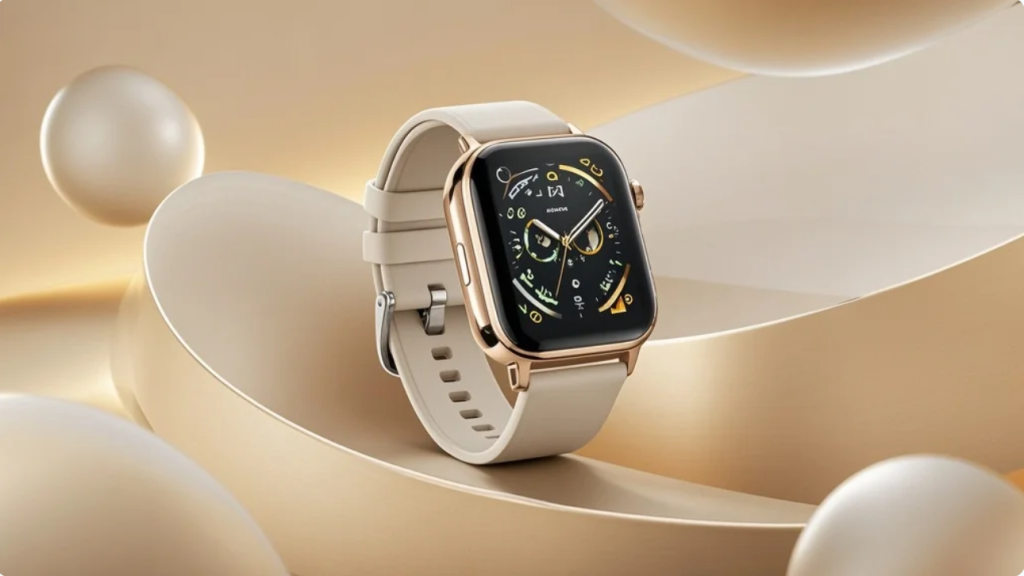
Plastic and composite materials have quietly become one of the most practical choices for smartwatch cases, especially in fitness trackers, entry-level models, rugged outdoor watches, and devices aimed at active lifestyles. When you hold one of these watches, the first thing you notice is how light it feels—often 25–40 grams total—which makes a real difference during long runs, workouts, or all-day wear without fatigue. That lightness comes from the low density of polymers and composites, typically 1.2–1.8 g/cm³, far below metals like aluminum or steel, allowing manufacturers to pack in larger batteries, thicker protective lenses, or additional sensors while keeping the watch comfortable and unobtrusive.
The most common base materials are engineering plastics such as polycarbonate (PC), nylon (polyamide), and PEEK (polyether ether ketone). Polycarbonate is favored for its excellent impact resistance and clarity when transparent windows are needed for sensors. It’s tough enough to survive drops onto concrete or gym floors without cracking, and it can be molded into complex shapes—integrated lugs, textured grips, button surrounds, or even one-piece strap connections—that would be expensive or impossible in metal. Nylon, especially glass-fiber-reinforced variants, adds stiffness and dimensional stability, reducing flex under pressure or temperature changes. PEEK appears in higher-end rugged models because it offers superior heat resistance, chemical inertness, and mechanical strength close to some metals, though at a much higher cost.
Composites take things further by embedding reinforcements into the plastic matrix. Glass-fiber-reinforced polymers (GFRP) are the most widespread, with short or long glass fibers increasing tensile strength, stiffness, and impact resistance without much weight penalty. Carbon-fiber-reinforced polymers (CFRP) show up in premium sport and adventure watches; the carbon fibers give exceptional strength-to-weight ratio, a distinctive matte texture, and a subtle premium look that feels high-tech rather than cheap. Some designs use hybrid composites—glass in structural areas for cost, carbon on visible surfaces for aesthetics and scratch resistance. Aramid fibers (like Kevlar) occasionally appear in ultra-tough models for added tear resistance and vibration damping.
Durability is one of the biggest reasons for choosing plastic and composites. These materials excel at absorbing shock—polycarbonate can flex slightly under impact instead of denting or shattering like metal or ceramic. Drop tests often show plastic cases surviving falls from waist height onto hard surfaces with little more than cosmetic scuffs. Scratch resistance varies: unreinforced plastics mark easily, but reinforced versions (especially with carbon or glass) hold up surprisingly well to daily abrasion. Many watches apply hard coatings—urethane, ceramic-infused paints, or DLC-like layers—to boost surface hardness and reduce visible wear. Unlike anodized aluminum or PVD-coated metal, these coatings can be reapplied or touched up more easily if needed.
Thermal behavior is another strong point. Plastics and composites have very low thermal conductivity (0.2–0.5 W/m·K), so they act as natural insulators. Internal heat from the processor, charging coil, or display stays mostly contained rather than conducting aggressively to the skin. The case feels neutral or slightly warm during heavy use—never hot like aluminum can feel in summer or cold like metal in winter. This insulation also helps battery life in extreme temperatures: less heat reaches the cell in hot conditions (slowing degradation), and less cold penetrates in freezing weather (maintaining chemical reaction rates). For outdoor or fitness users who train in varied climates, this consistency is a real advantage.
Aesthetics and customization are surprisingly flexible. Plastic cases can be molded in virtually any color without secondary processes—bright reds, matte blacks, military greens, or translucent finishes that let internal components peek through. Textures are easy to incorporate: soft-touch rubberized coatings for grip, diamond-cut patterns for visual interest, or knurled surfaces around the bezel. Carbon-fiber weaves create a distinctive high-tech pattern that looks expensive without the expense of real metal. Overmolding allows multi-material designs—hard plastic frames with soft-touch grips or flexible zones for comfort. These options let brands target specific audiences: vibrant colors for younger or fashion-conscious users, subdued tactical looks for outdoor enthusiasts, or playful translucency for tech-savvy crowds.
Weight savings open up design possibilities. Because the case is so light, engineers can allocate more internal volume to bigger batteries (extending runtime), thicker protective glass, additional sensors (barometer, temperature, advanced haptics), or reinforced structures for better drop protection. Larger screens become feasible without the watch feeling bulky. Many fitness trackers use polymer cases to keep total weight under 30 grams, making them disappear on the wrist during sleep tracking or long workouts. Rugged models pair composites with metal bezels or reinforced corners for hybrid toughness—plastic for lightness and shock absorption, metal for premium accents and scratch protection.
Cost is the biggest practical advantage. Injection molding plastics and composites is far cheaper and faster than machining metal or sintering ceramic. Tooling costs are amortized over high volumes, so entry-level and mid-range watches can offer large screens, good water resistance, and solid build quality at prices that metal cases would push out of reach. Maintenance is minimal—no polishing needed, no coatings to wear through in the same way anodizing or PVD can, and repairs (replacing a cracked case) are simpler and less expensive.

Of course, there are trade-offs. Unreinforced plastics can feel “cheap” or flexy compared to metal’s solidity. Scratch resistance is good but rarely matches anodized aluminum or ceramic without extra coatings. Long-term UV exposure can cause yellowing or brittleness in some polymers, though modern UV-stabilized grades and coatings mitigate this. The material lacks the luxurious warmth or heft of titanium or steel, so it rarely appears in fashion-forward or luxury segments where perceived value matters more than function.
In real-world use, plastic and composite cases shine for active users. They survive gym drops, trail scrapes, and daily knocks without dents or chips that would mar metal. The light weight makes them ideal for sleep tracking, multi-sport sessions, or anyone who forgets they’re wearing a watch. The insulation keeps them comfortable in heat or cold, and the endless color and texture options let brands create distinct personalities—rugged black for adventurers, bright neon for runners, matte tactical for everyday utility. When you strap on a plastic or composite smartwatch, you’re getting a material that prioritizes practicality, toughness, and affordability—quietly letting you focus on your activity instead of worrying about the device itself.
Leave a Comment
Your email address will not be published. Required fields are marked *