
Watch bands are often the first thing people notice about a smart watch after the screen itself. They determine how the device sits on your wrist, how comfortable it feels after hours of wear, how well it matches your outfits or activities, and even how easy it is to swap for different occasions. Unlike traditional watches where bands are mostly aesthetic, smartwatch bands carry extra responsibilities: they need to stay secure during intense movement, resist sweat and water, allow skin breathing to prevent irritation, and work seamlessly with charging contacts or sensors on the back. In 2026, the variety of bands has exploded, with each type offering distinct trade-offs in comfort, durability, style, and functionality.
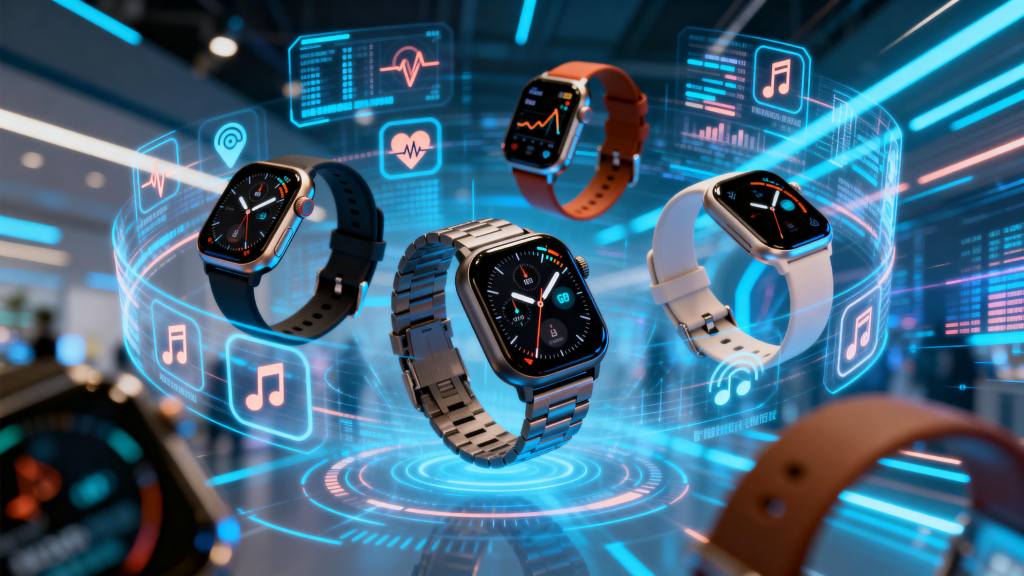
Silicone (or fluoroelastomer) bands are still the most common and versatile option. Soft, flexible, and lightweight, they mold to the wrist without pinching and stay put during runs, workouts, or swimming. The material is naturally water-resistant, repels sweat, and dries quickly, so it rarely causes skin irritation even in hot, humid conditions. Textured undersides with ventilation channels or perforations improve airflow, reducing that sticky feeling after exercise. Colors and patterns are endless—solid matte blacks for understated looks, bright neons for sporty vibes, or subtle two-tone designs. Most silicone bands use a pin-and-tuck buckle or quick-release spring bars, making swaps effortless. The main downsides are that they can attract lint and dust over time, and cheaper versions may stretch or crack after a year or two of heavy use. Premium fluoroelastomer versions (often called “sport bands”) hold shape better and feel softer against skin.
Nylon woven bands, sometimes called NATO or Zulu styles, have surged in popularity for their casual, breathable feel. Made from tightly woven nylon fibers, they’re extremely lightweight and allow maximum air circulation—ideal for hot weather or long wear without sweat buildup. The fabric is soft yet tough, resists stretching, and can be machine-washed if needed. Colors and patterns range from military-inspired olive drab to vibrant stripes or subtle herringbones. They usually fasten with a stainless steel buckle and keepers, giving a classic watch look that pairs well with both athletic and casual outfits. The downside is that nylon can fray at the edges over years of use, and the weave can trap small debris or lint. Some versions add silicone backing strips for extra grip and comfort.
Leather bands bring a sophisticated, dressy option to smartwatches. Genuine calfskin or full-grain leather offers a luxurious texture that ages beautifully—developing a patina with wear that makes the watch look more personal over time. They’re comfortable from day one, molding to the wrist, and breathe reasonably well thanks to natural pores in the leather. Stitching can be subtle or decorative, and many include quick-release pins for easy swapping. The material pairs elegantly with metal or ceramic cases for business or evening wear. However, leather is vulnerable to water—sweat, rain, or accidental splashes can stain or stiffen it—so it’s not suited for intense workouts or swimming. Most brands recommend avoiding prolonged moisture exposure and using leather conditioner periodically to maintain suppleness. Vegan alternatives made from polyurethane or plant-based materials mimic the look while being water-resistant and easier to clean.
Metal mesh bands, often called Milanese loops, offer a seamless, adjustable fit with a premium metallic appearance. Fine stainless steel wires are woven into a flexible mesh that conforms smoothly to any wrist size—no holes or links to pinch skin. The sliding clasp allows infinite adjustment, so the watch sits perfectly without gaps or overhang. Mesh breathes extremely well, dissipating heat and sweat quickly, and it looks polished enough for office settings while remaining comfortable during activity. Cleaning is simple—just wipe or rinse—and the steel resists corrosion. The main drawback is weight; mesh bands add noticeable heft compared to silicone or nylon, which can feel fatiguing during long workouts. Some users also find the mesh can catch arm hair or lint, though finer weaves minimize this.
Link bracelets made from stainless steel or titanium provide the most traditional watch experience. Individual links connected by pins or screws allow precise sizing and a solid, clunky feel that many associate with luxury. The metal is durable, scratch-resistant (especially with brushed finishes), and looks sharp with dressier outfits. Titanium versions drop weight significantly while maintaining strength and corrosion resistance. These bands are comfortable once sized correctly, with smooth edges that don’t dig in. However, they’re heavier than most other options, can feel warm in summer because metal conducts heat, and require tools (often a pin pusher) to adjust links. Sweat and moisture can get trapped between links, so regular cleaning prevents odor or corrosion.
Hybrid and specialty bands fill niche needs. Woven hybrid bands combine nylon or fabric with silicone or leather accents for better grip and style. Perforated leather or ventilated silicone blends breathability with premium materials. Sport loop bands (soft, hook-and-loop fastener) offer infinite adjustability and extreme breathability, perfect for workouts. Some bands include built-in magnets for quick on/off or integrate charging contacts for models that charge through the band itself. Emerging options use recycled ocean plastics, plant-based leathers, or bio-composites for eco-conscious users.
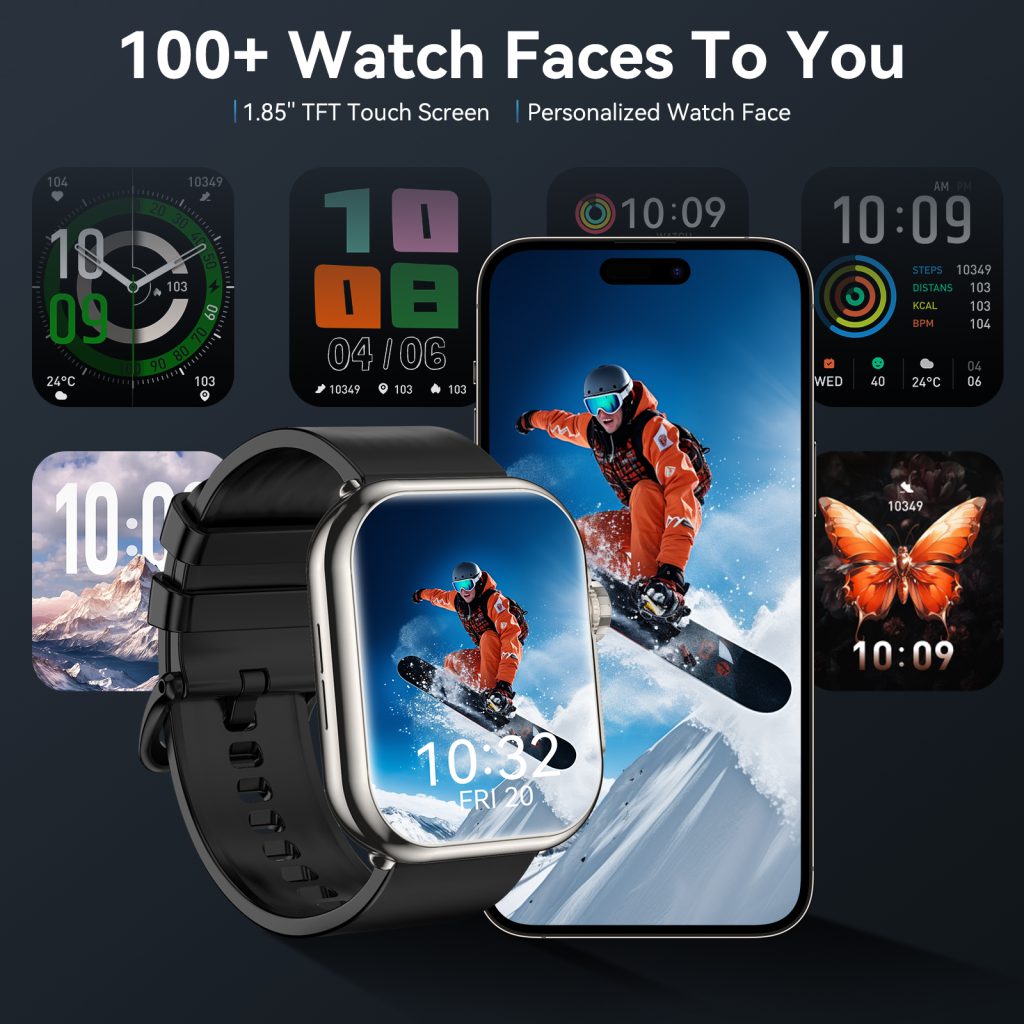
The right band depends on lifestyle. Silicone dominates for fitness because it’s secure, sweat-proof, and easy to clean. Nylon or mesh suits hot climates or casual wear. Leather elevates the watch for office or evening use. Metal mesh or link bracelets add elegance without sacrificing durability. Most modern smartwatches use quick-release systems (spring bars or proprietary connectors), so swapping bands takes seconds—letting you match the band to the activity or outfit without buying multiple watches. In the end, the band isn’t just an accessory; it’s what makes the watch truly yours, turning a piece of tech into something you wear every day without thinking twice.
Leave a Comment
Your email address will not be published. Required fields are marked *