
Aluminum cases have become one of the most common choices for smart watches, especially in sporty, everyday, and mid-range models. The material strikes a compelling balance between lightness, affordability, modern aesthetics, and reasonable durability. When you pick up a watch with an aluminum case, the first thing you notice is how little it weighs—often 30–40 grams total, sometimes even less—which makes a noticeable difference after wearing it all day compared to heavier steel or titanium alternatives. That low weight comes from aluminum’s density of about 2.7 g/cm³, roughly one-third that of stainless steel, so manufacturers can build larger batteries or thicker displays without the watch feeling like a brick on your wrist.
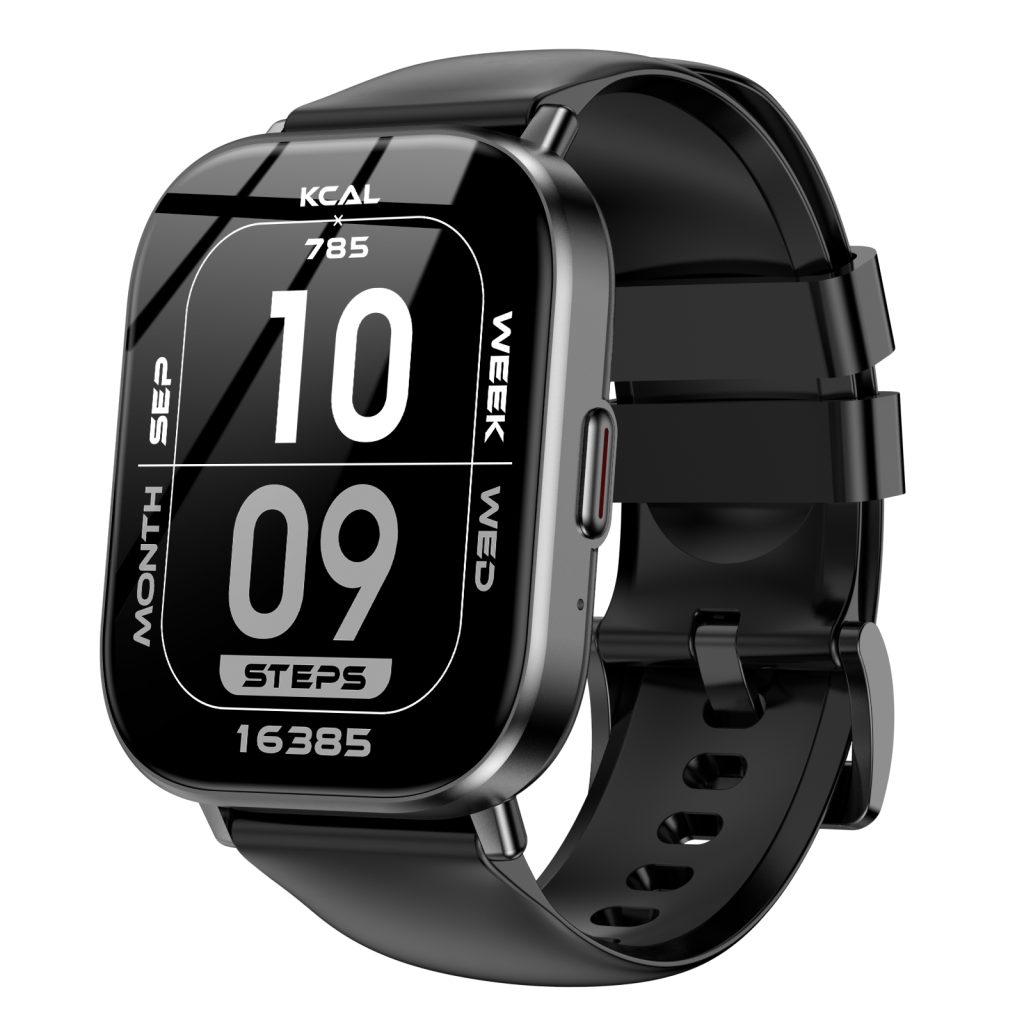
The most popular alloys are from the 6000 and 7000 series. 6061 is widely used for its excellent machinability, good corrosion resistance, and weldability. It’s relatively soft in its natural state, but the anodizing process transforms it. 7075, an aerospace-grade alloy, appears in more premium or rugged models because it offers higher strength-to-weight ratio and better fatigue resistance—important for watches that endure repeated impacts from gym workouts or trail running. Both alloys are naturally corrosion-resistant thanks to the thin oxide layer that forms on exposure to air, but anodizing thickens and hardens that layer into a ceramic-like coating that dramatically improves scratch resistance and allows vibrant, long-lasting color finishes.
Color is one of aluminum’s biggest advantages in the smartwatch world. The anodizing process dyes the oxide layer before sealing it, creating a palette that ranges from classic silver and space gray to bold reds, blues, greens, and even matte black or rose gold tones. Unlike painted or PVD-coated surfaces on other materials, anodized color is integral to the oxide layer, so it doesn’t chip, peel, or fade under normal wear. UV exposure, sweat, sunscreen, and chlorine have minimal effect on the color integrity, though deep gouges that cut through the oxide will expose the softer silver-gray aluminum underneath. Many brands apply a final clear coat or diamond-like carbon (DLC) top layer on high-wear areas to add extra protection without changing the look.
Thermal behavior sets aluminum apart from other metals. With thermal conductivity around 150–200 W/m·K—ten times higher than stainless steel—aluminum spreads heat quickly and evenly across the case. During intensive tasks like continuous GPS tracking, fast wireless charging, or rendering complex animations, the processor and charging coil generate heat, but the aluminum body dissipates it rapidly, keeping peak temperatures lower at any single point. This helps prevent uncomfortable hot spots against the skin and reduces thermal throttling of the processor. On the flip side, high conductivity means aluminum cases feel cooler to the touch when first put on, especially in air-conditioned rooms or winter mornings. Some users love this refreshing sensation; others find it less luxurious than the warmer feel of titanium or steel.
Durability is solid but not unbeatable. Untreated aluminum is soft (Brinell hardness around 95 for 6061), so it scratches and dents easily. Anodizing boosts surface hardness to 300–500 HV (comparable to some hardened steels), making everyday scuffs far less visible. The coating is typically 20–50 microns thick—thick enough to resist fingernail scratches but thin enough that heavy abrasion (keys in a pocket, rough surfaces) can wear through it over years. Once breached, the exposed aluminum oxidizes quickly and can discolor slightly, though the corrosion is superficial and doesn’t spread. For users who want more toughness, some models add a secondary PVD or ceramic coating over the anodized layer, pushing scratch resistance closer to that of harder materials without adding much weight.
Weight savings open design possibilities. Because aluminum is light, engineers can allocate more internal volume to larger batteries, thicker sapphire crystals, or additional sensors without pushing the watch into uncomfortable territory. Larger screens become feasible without the case feeling bulky. Sport models often pair aluminum with reinforced polymer mid-frames or composite backs to further drop weight while maintaining structural integrity. The material machines cleanly, allowing crisp edges, drilled lugs, textured grips, and intricate detailing that would be cost-prohibitive in harder metals like titanium.
Corrosion resistance is generally excellent for daily use. The anodized layer and natural oxide protect against sweat, rain, pool water, and most cosmetics. Saltwater and prolonged exposure to harsh chemicals can eventually degrade the anodizing, especially on lower-quality finishes, leading to pitting or fading. High-end anodizing processes use thicker, harder Type III (hardcoat) layers that stand up better in demanding environments. For ocean swimmers or divers, many brands still recommend rinsing with fresh water after saltwater exposure to preserve the finish.
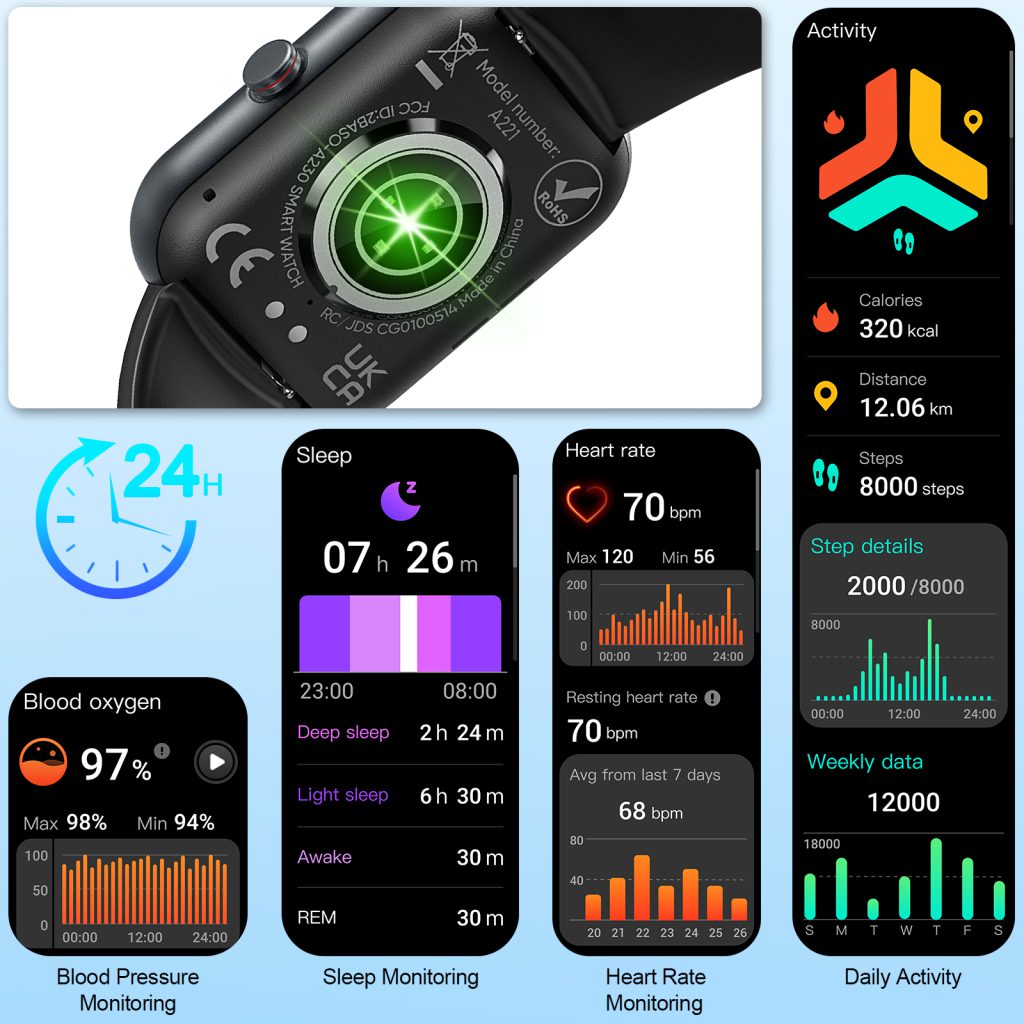
Compared with other materials, aluminum sits in the middle ground. It’s lighter and more colorful than stainless steel but less scratch-proof. It’s cheaper and easier to produce than titanium but lacks the same premium warmth and strength. It feels more modern and athletic than polymer composites but doesn’t match ceramic’s near-impossible scratch resistance. That middle positioning makes aluminum versatile—suitable for fitness trackers that need to be feather-light, fashion watches that want eye-catching colors, and rugged models that prioritize low weight over ultimate toughness.
In practice, aluminum cases have helped smartwatches evolve from chunky gadgets into sleek, all-day companions. The combination of low weight, vibrant finishes, good heat spreading, and reasonable cost lets designers focus on what users really care about: comfort during long wear, reliable performance, and a look that matches active lifestyles or personal style. When you strap on an aluminum smartwatch, you’re getting a material that quietly does its job—keeping the watch light, durable enough, and good-looking—while letting the screen, sensors, and software take center stage.
Leave a Comment
Your email address will not be published. Required fields are marked *