
Wireless charging has become the default for most smart watches because it eliminates the hassle of fumbling with tiny ports in the dark or worrying about wear on connectors. Instead of plugging in a cable, you simply place the watch on a puck or stand, and power flows through the air via electromagnetic induction. The core principle is the same across nearly all models: inductive power transfer based on Faraday’s law and mutual inductance between two coils.
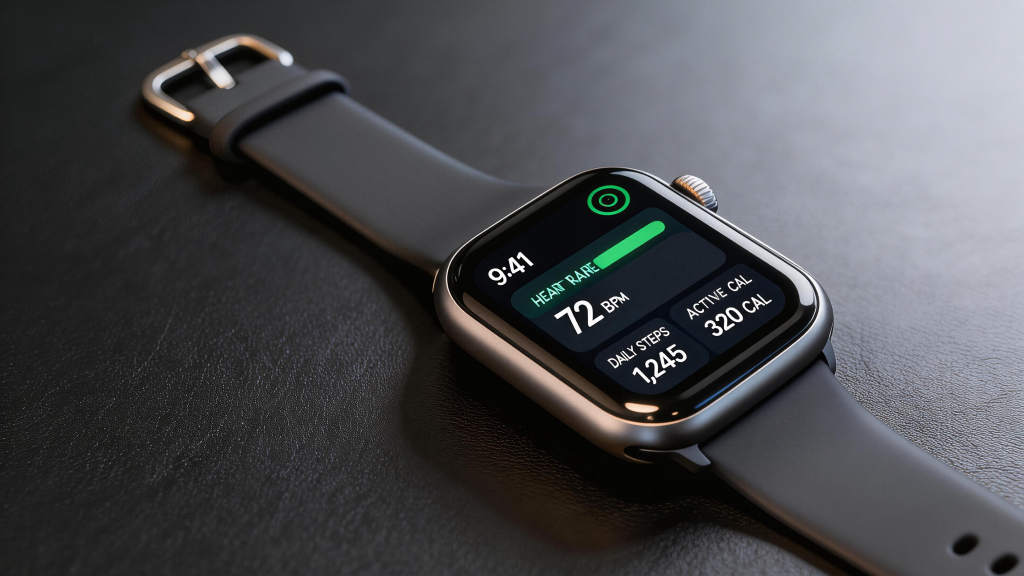
The watch contains a receiving coil—usually a flat spiral of copper wire or printed circuit traces—embedded in the back cover or just beneath it. The charging puck has a matching transmitting coil driven by an oscillating current (typically 100–200 kHz). When the two coils are brought close (within a few millimeters), the alternating magnetic field from the transmitter induces an alternating current in the receiver coil. Rectification and regulation circuitry inside the watch converts that AC into DC to charge the battery. Alignment is critical: misalignment by even a few millimeters drops efficiency sharply, turning usable power into wasted heat.
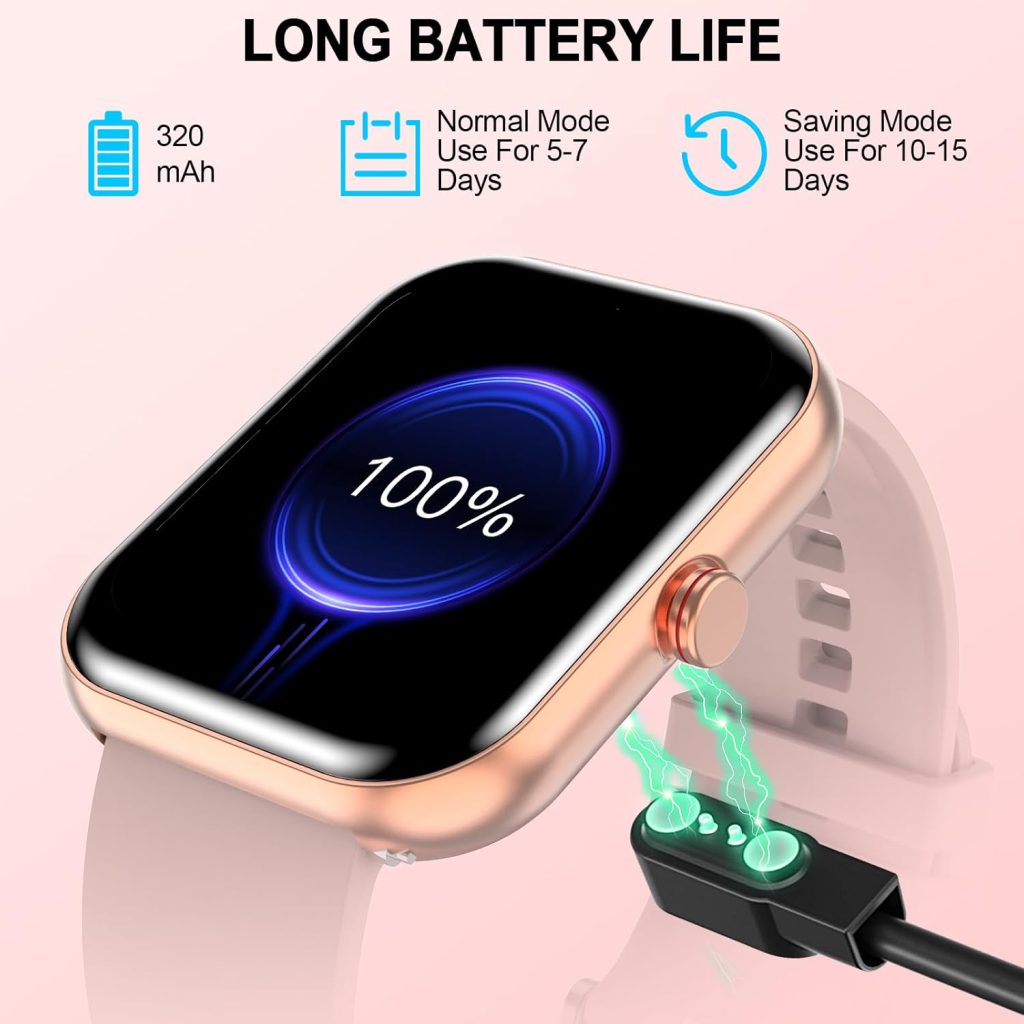
Magnetic alignment helps solve this. Most charging pucks include strong neodymium magnets arranged in a ring or array that snap the watch into the perfect position. Apple’s MagSafe-inspired system on the Watch series uses a precise ring of magnets to center the coils and hold the watch securely. Samsung and Google adopt similar magnetic pucks for Galaxy Watch and Pixel Watch, often with multi-coil designs that allow slight rotation or offset while maintaining good coupling. These magnets not only improve efficiency but also make docking feel intuitive—no fumbling to find the sweet spot.
Efficiency is a constant challenge in such a small form factor. Inductive charging inherently loses 30–60% of energy to heat in the coils, shielding materials, and conversion steps. To minimize waste, manufacturers tune the resonant frequency of both coils so they operate at peak coupling when aligned. Ferrite sheets behind each coil concentrate the magnetic field and reduce leakage into the metal case or user’s skin. Some designs use Litz wire (multi-strand twisted conductors) in the coils to lower AC resistance at high frequencies. Better efficiency means faster charging and less warmth against the wrist—important because nobody wants a hot puck burning their skin during overnight charging.
Power levels remain conservative compared to phones. Most smartwatches charge at 5–10 W, with a few flagship models pushing toward 15 W under ideal conditions. The low power keeps heat manageable and allows thinner coils and smaller batteries. The transmitter adjusts output dynamically based on feedback from the watch via in-band communication (modulating the magnetic field itself) or a separate Bluetooth link. If the watch reports high temperature, low coupling, or foreign object detection (FOD), the puck throttles or stops power. FOD is especially important—coins, keys, or even thick fabric on the puck can absorb energy and overheat, so modern chargers use Q-factor monitoring or power-loss checks to detect anomalies and shut down.
Qi standard compatibility varies. While Qi is the dominant wireless charging protocol for phones, smartwatches rarely advertise full Qi support because of size and alignment constraints. Apple’s proprietary puck works only with its own chargers (though third-party MagSafe-compatible options have appeared). Samsung and Google Watches support a subset of Qi with their magnetic pucks, but performance drops without the exact accessory. Some budget or hybrid models use generic Qi pads without magnets, requiring careful placement and often charging slower due to poorer coupling.
Charging stands and multi-device docks have become popular accessories. Vertical stands prop the watch face-up for glanceable time display while charging, using angled coils and stronger magnets to maintain alignment. Multi-device pads combine watch, phone, and earbud spots—each with dedicated coils tuned for the device’s needs. These stands often include cooling fans or larger heat sinks to handle simultaneous charging without excessive warmth.
Safety remains paramount. Over-temperature protection, over-voltage safeguards, and foreign object detection are mandatory. The watch’s charging IC communicates with the puck to negotiate power levels and halt if anything seems off. Skin-contact temperature is closely monitored—most devices limit surface heat to around 40–45°C during charging. Long-term exposure to magnetic fields at these low levels shows no proven health risks, but designs minimize stray fields anyway.
The future looks promising. Advances in coil materials (like flexible printed circuits or graphene-enhanced conductors) could improve efficiency and allow thinner profiles. Resonant charging at higher frequencies or multi-coil arrays might enable looser placement or even charging through fabric. Some prototypes explore RF or ultrasound-based far-field charging, though efficiency and safety concerns keep them distant for now. For the foreseeable future, near-field inductive charging with magnetic alignment will remain the practical standard.
Wireless charging turns a chore into a habit. Drop the watch on the puck at night or during a break, and it’s ready when you are—no frayed cables, no worn ports, just seamless power. That convenience, born from precise coil design, smart alignment, and careful power management, is what keeps smart watches feeling modern and effortless.
Leave a Comment
Your email address will not be published. Required fields are marked *